
Africa’s Iconic Volcanic Crater
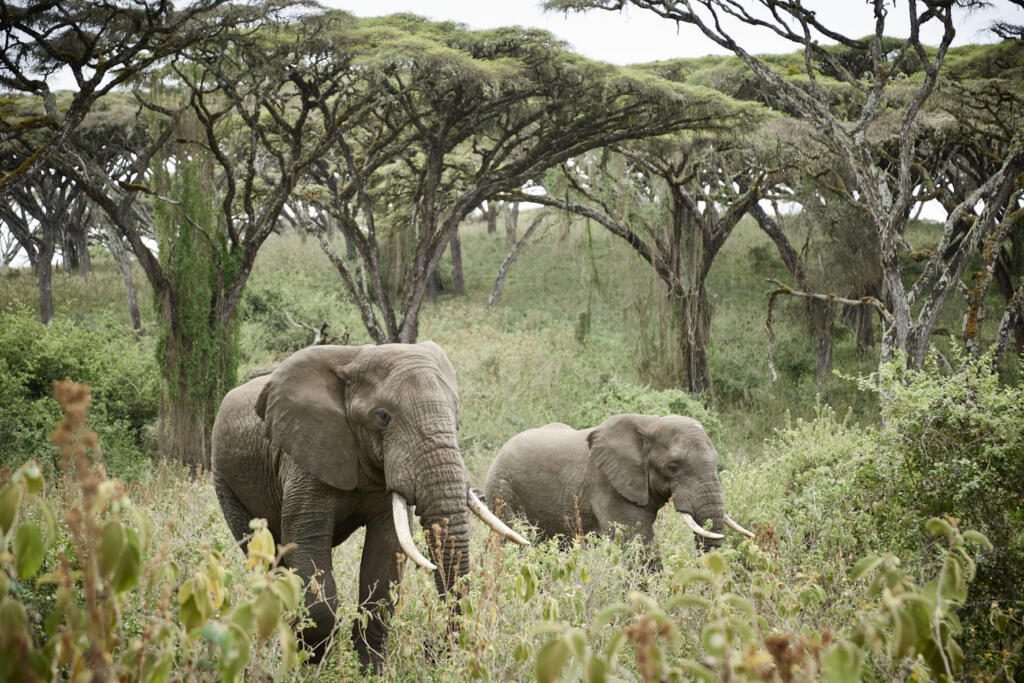
The Ngorongoro Crater is one of the most extraordinary safari landscapes in Africa. Formed from a massive volcanic collapse nearly three million years ago, it is now a UNESCO World Heritage Site and home to one of the densest concentrations of wildlife on the continent. Its fertile grasslands, forests and permanent water sources support large populations of lion, elephant, hyena, buffalo, zebra and wildebeest throughout the year.
The crater is also one of the best places in East Africa to see black rhino, which find refuge in its protected basin. Descending into the crater at sunrise is an unforgettable experience, with steep crater walls rising around you and wildlife spread across the floor in every direction.
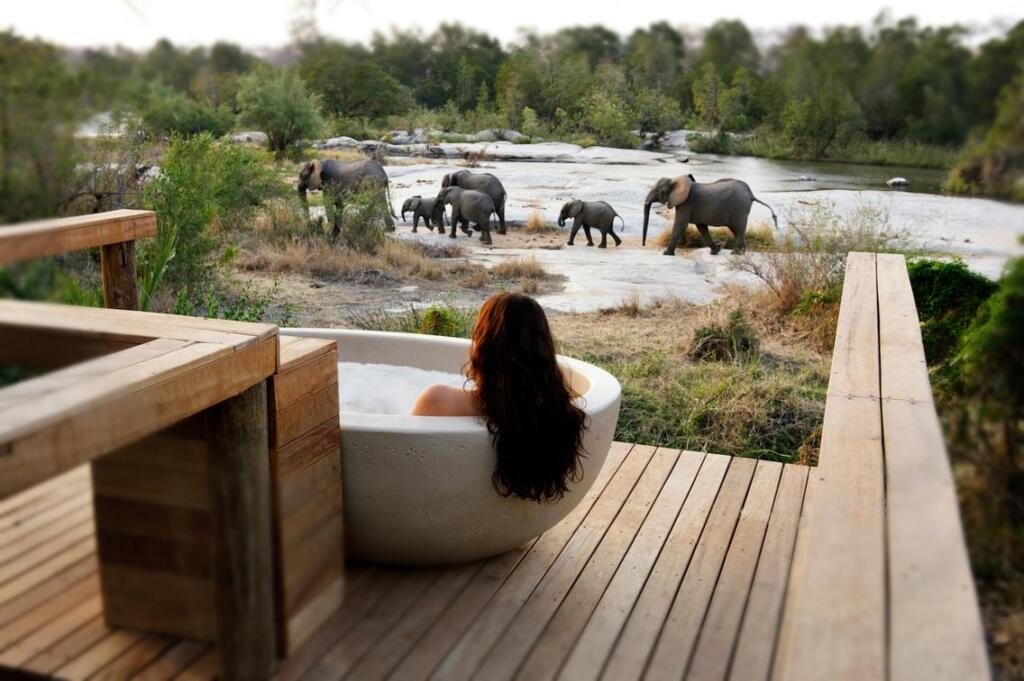
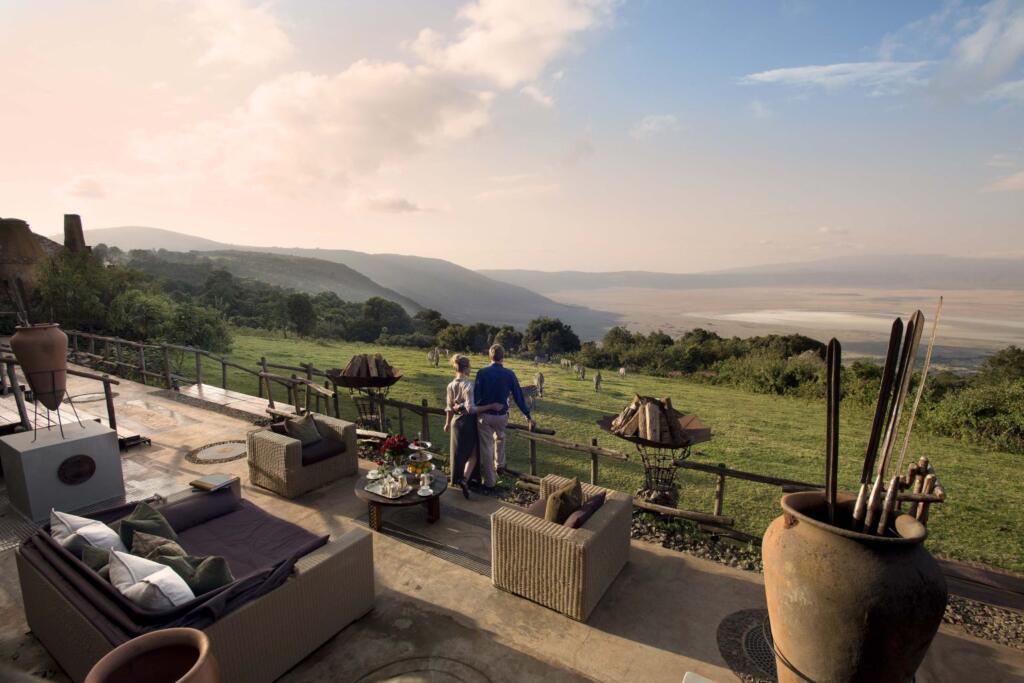
Luxury lodges perched on the crater rim offer spectacular views, elegant interiors and a sense of timeless East African romance, creating the perfect base for exploring this iconic natural wonder.
Ngorongoro Crater Highlights
Discover one of Africa’s most remarkable wildlife sanctuaries, set inside an ancient volcanic caldera in northern Tanzania.
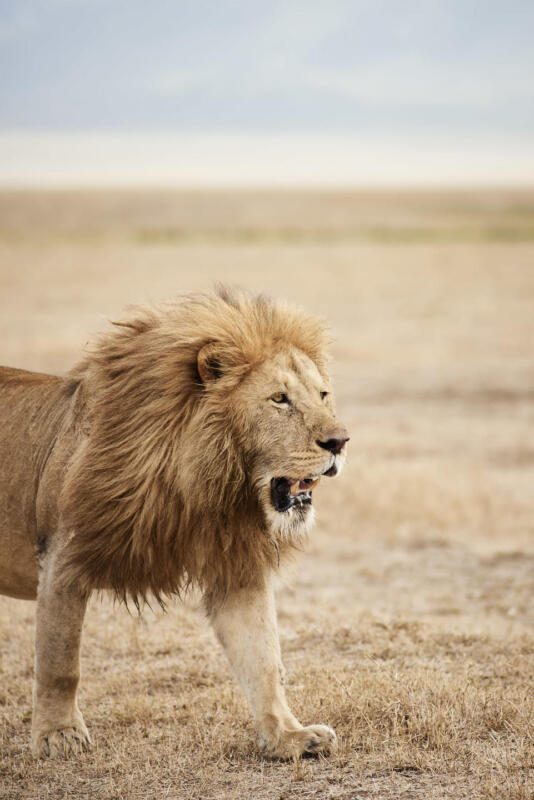
Big Five Game Viewing
Experience exceptional sightings of lion, buffalo, elephants and some of East Africa’s best opportunities to see critically endangered black rhino.
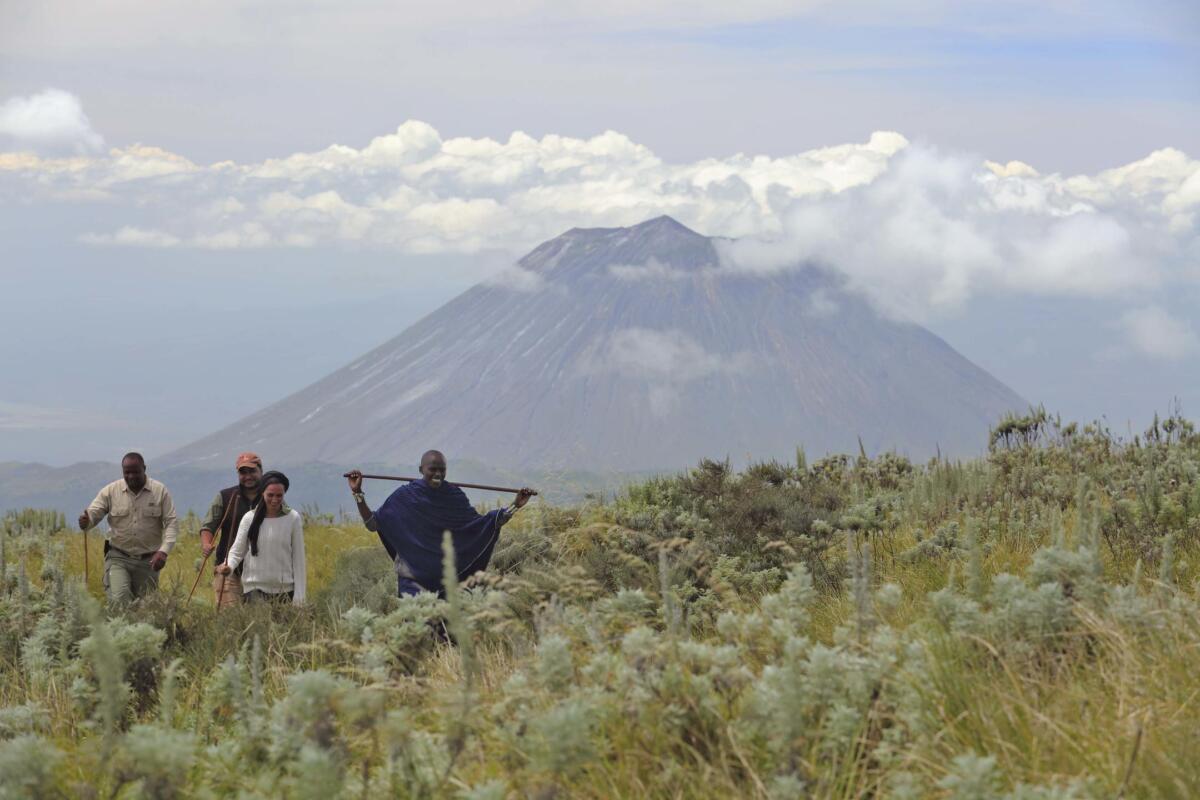
Crater Hikes
Explore guided hikes along the crater rim or visit Olmoti and Empakaai for sweeping views and volcanic highland scenery.

Maasai Culture Experience
Visit neighbouring Maasai communities to learn about traditions, pastoral lifestyles and the historical connection between people and wildlife in this landscape.
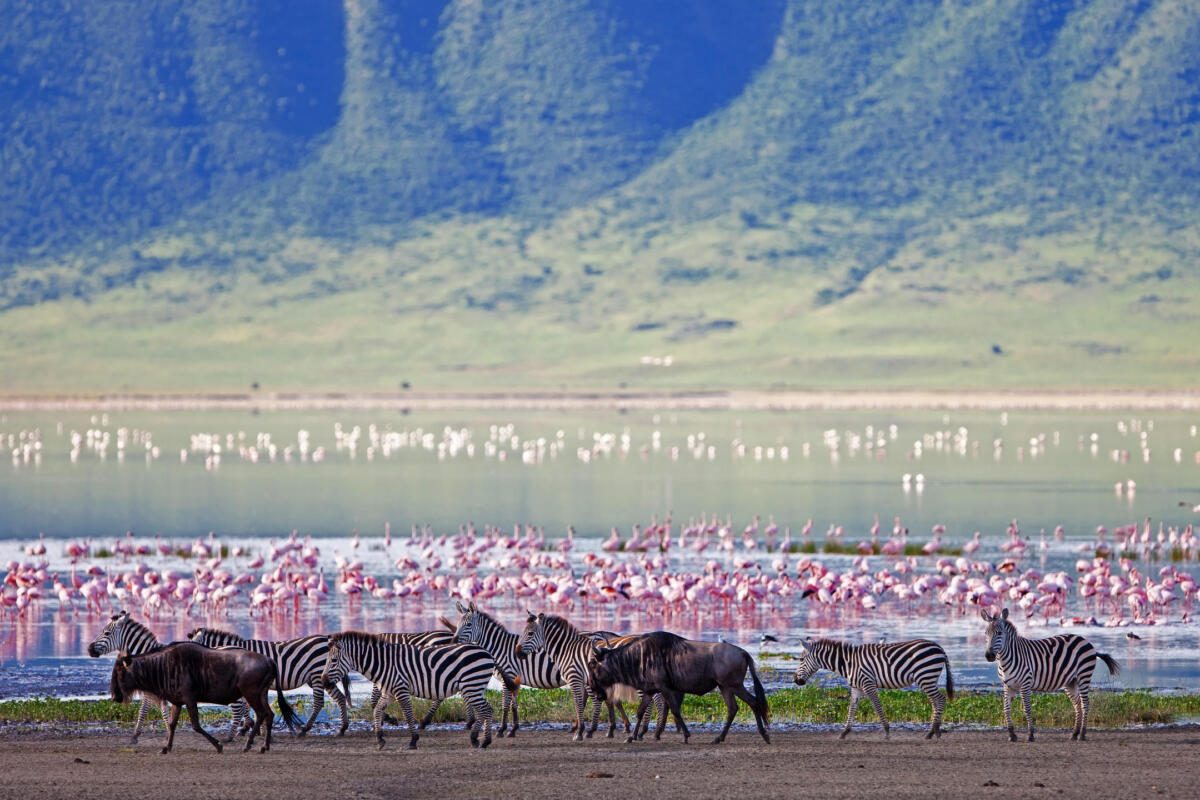
Birding Safaris
Grab your Swarovski binoculars and enjoy superb highland birding with sightings of Kori Bustard and the striking Schalow’s Turaco.
Ready To Plan Your Safari in the Ngorongoro Crater
Let’s start designing your luxury safari in the Ngorongoro Crater . Whether you’re after adventure, relaxation, or both, we’ll tailor every detail around how you want to experience Africa – with expert guidance at every step.
Ubuntu Travel’s Popular Safaris that include the Ngorongoro Crater
Explore tailor-made Tanzania itineraries featuring exceptional Big Five viewing, crater rim vistas and seamless connections to the Serengeti and surrounding highlands.
The Best of Tanzania
Arusha – 1 night
Ngorongoro Crater – 2 nights
Tarangire – 3 nights
Serengeti National Park – 3 nights
Zanzibar – 4 nights
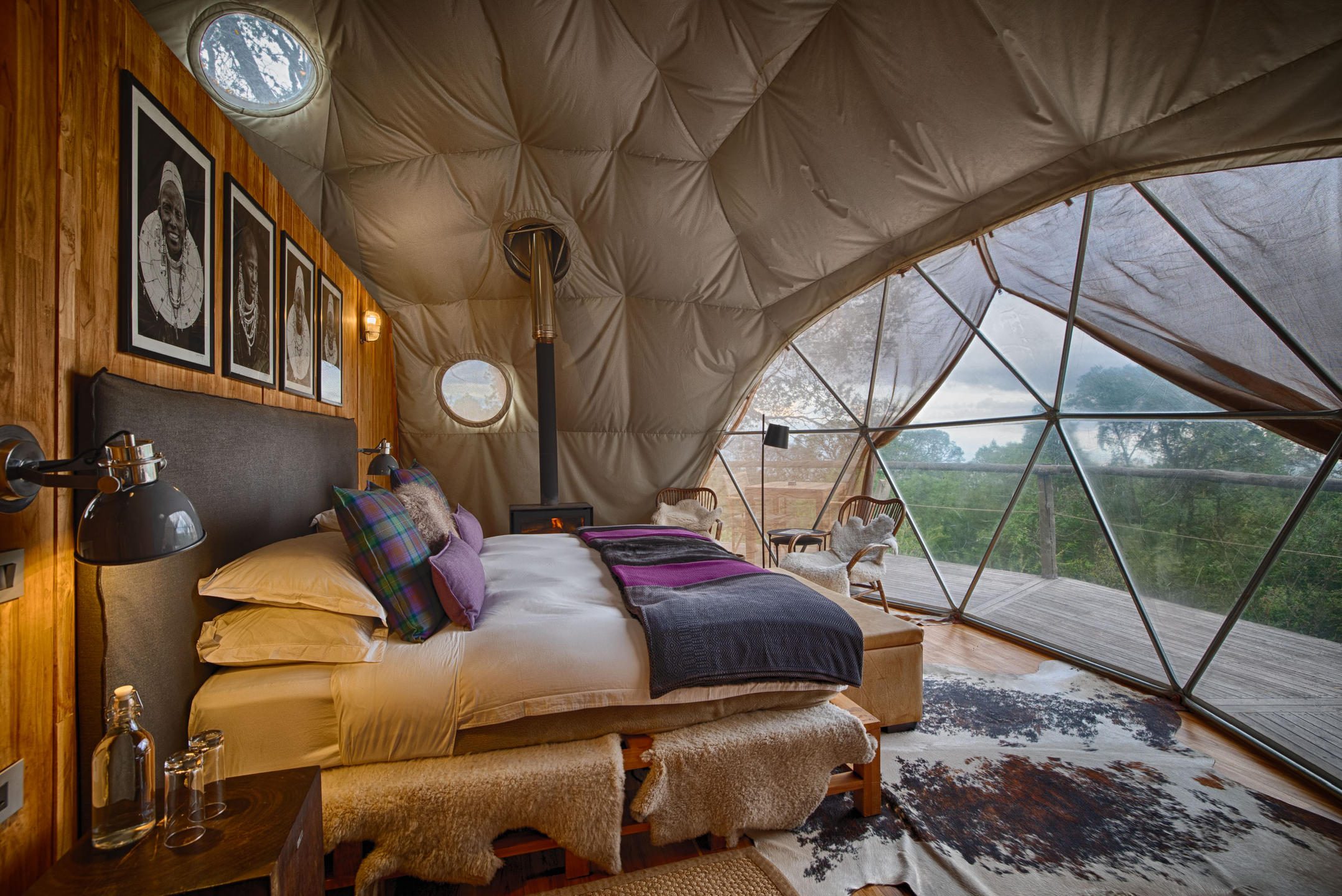
East Africa's Finest Safari
Arusha – 1 night
Ngorongoro Crater – 2 nights
Serengeti National Park – 3 nights
Masai Mara – 3 nights

THE UBUNTU TRAVEL DIFFERENCE
Personalized Itineraries
Attention to detail from start to finish
Conservation Promise
Travel with a purpose
Experts in Africa
Our team of travel experts know Africa
Personalized Itineraries
Attention to detail from start to finish
Conservation Promise
Travel with a purpose
Experts in Africa
Our team of travel experts know Africa
Ready to Plan Your Ngorongoro Crater Safari?
Reach out today and connect with our expert team – we care about the whole journey, from your very first call to your final farewell on safari. Every itinerary is thoughtfully reviewed by our co-founders, Kyle and Leah, to reflect the kind of journey we’d take ourselves.
FAQs About The Ngorongoro Crater
Is the Ngorongoro Crater worth visiting?
Yes. The Ngorongoro Crater is considered one of Africa’s most remarkable safari destinations thanks to its dramatic volcanic scenery and exceptionally reliable wildlife viewing. The crater floor supports large populations of lion, buffalo, hyena and elephants, along with some of East Africa’s best chances of seeing critically endangered black rhino.
Its compact size, permanent water sources and protected habitat make game drives unusually rewarding, even for first time safari travellers. Luxury crater rim lodges elevate the experience further with spectacular sunrise views, elegant suites and seamless access for early morning descents.
The wider Ngorongoro Conservation Area also offers meaningful cultural experiences with Maasai communities, providing insight into traditional pastoral life and the coexistence of people and wildlife. For many travellers, the crater combines perfectly with the southern Serengeti during the calving season from January to March, creating a seamless safari route that blends dramatic scenery with one of the greatest wildlife events on Earth.
When is the best time to visit the Ngorongoro Crater?
The Ngorongoro Crater offers excellent year round wildlife viewing thanks to its permanent water sources and protected habitat. The dry season from June to October brings clear skies and reliable Big Five sightings, while November to May offers lush scenery, fewer vehicles and beautiful photographic conditions.
Black rhino, elephant bulls and large lion prides can be seen in any month. Sunrise descents often provide the best light and the calmest wildlife viewing before day visitors arrive from Arusha and the Serengeti.
Is the Ngorongoro Crater crowded in high season?
Yes, the Ngorongoro Crater can become busy during peak months, especially from June to October and again from late December to early January. The crater floor is a limited space with concentrated wildlife, so vehicle numbers naturally increase during the most popular travel periods.
However, quieter moments are absolutely possible. In February, for example, our team has enjoyed crater floor game drives without seeing another vehicle for long stretches, especially around sunrise and in the less-visited corners of the crater.
To avoid crowds, we recommend descending early in the morning before day visitors arrive or opting for an afternoon crater drive when the floor is often calmer. Staying at a lodge on the crater rim provides the earliest access, and combining the crater with the surrounding highlands, such as Olmoti or Empakaai, offers even more secluded experiences.
How long should I spend at the Ngorongoro Crater?
Most travellers spend one or two nights at the Ngorongoro Crater, which allows plenty of time for a full crater game drive and a highland activity such as hiking Olmoti or Empakaai. One night is common for classic Northern Circuit itineraries, while two nights are ideal for guests who enjoy slower travel, crater rim views or additional cultural and scenic experiences in the surrounding highlands.