
Where the Great Wildebeest Migration ‘Begins’
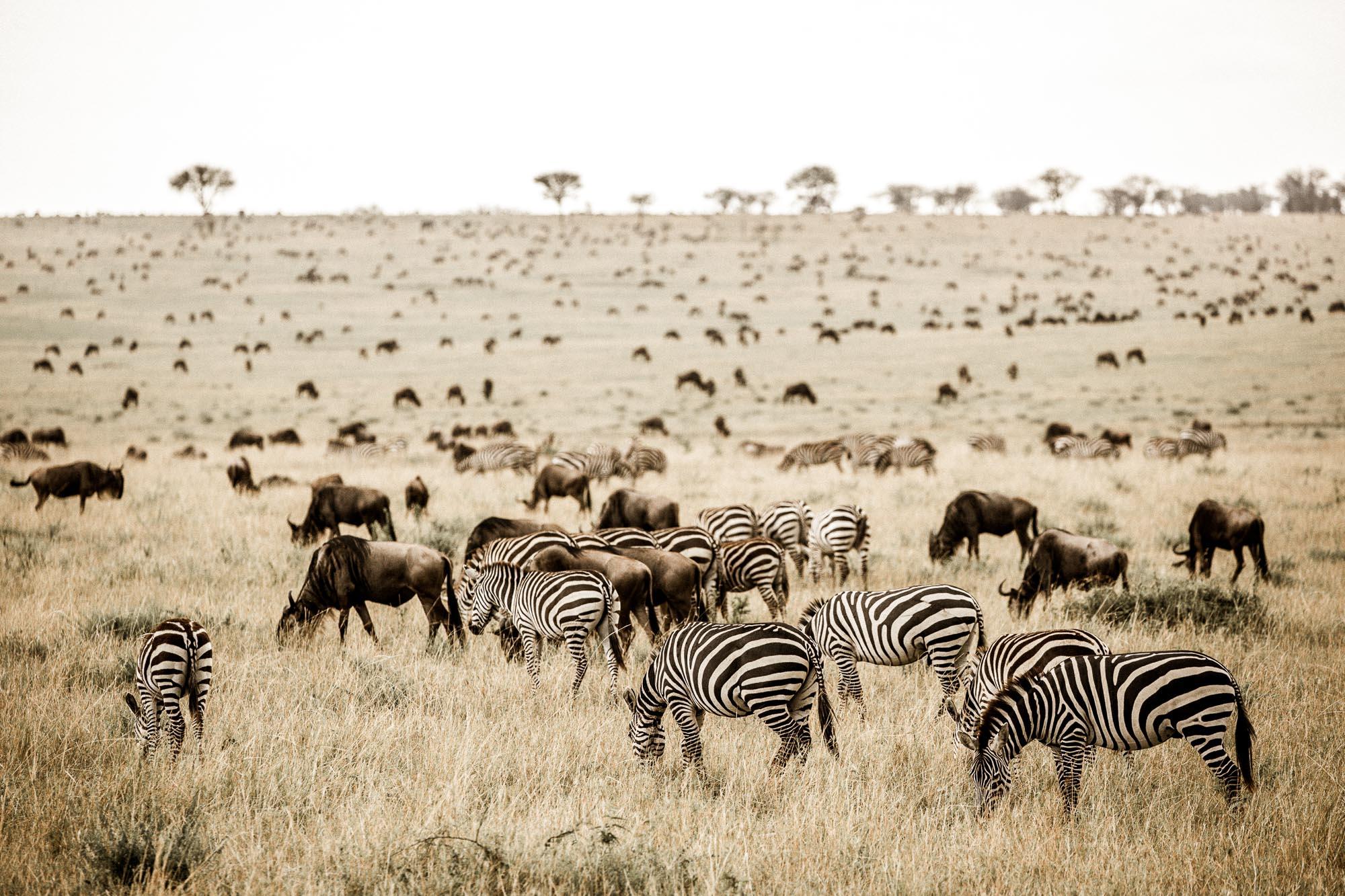
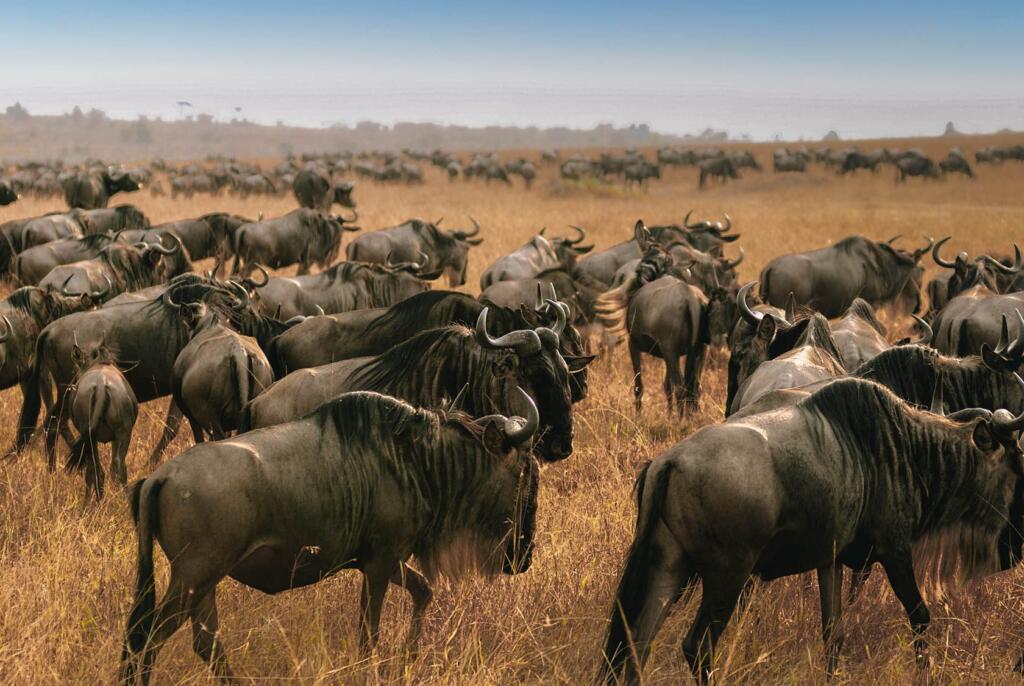
The Serengeti National Park is one of Africa’s most iconic safari landscapes, spanning more than 1.5 million hectares of golden savanna, river valleys and acacia woodlands. It is best known for the Great Wildebeest Migration, when more than 1.5 million wildebeest and over 250,000 zebra move through the ecosystem in a vast, circular journey that reaches the Masai Mara from July to October and returns south for the calving season from January to March.
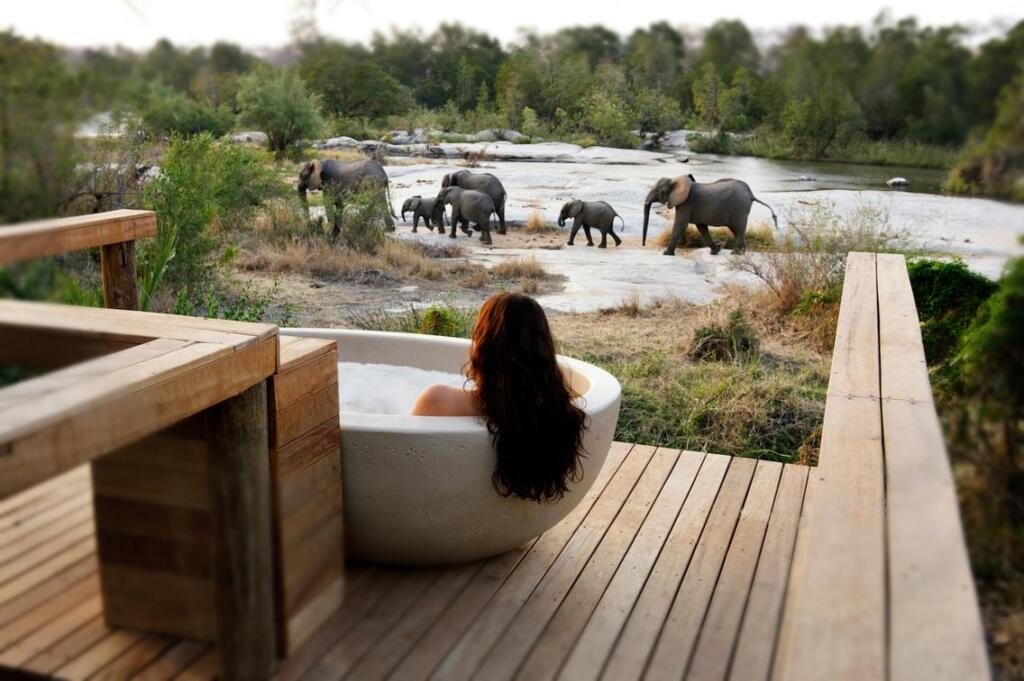
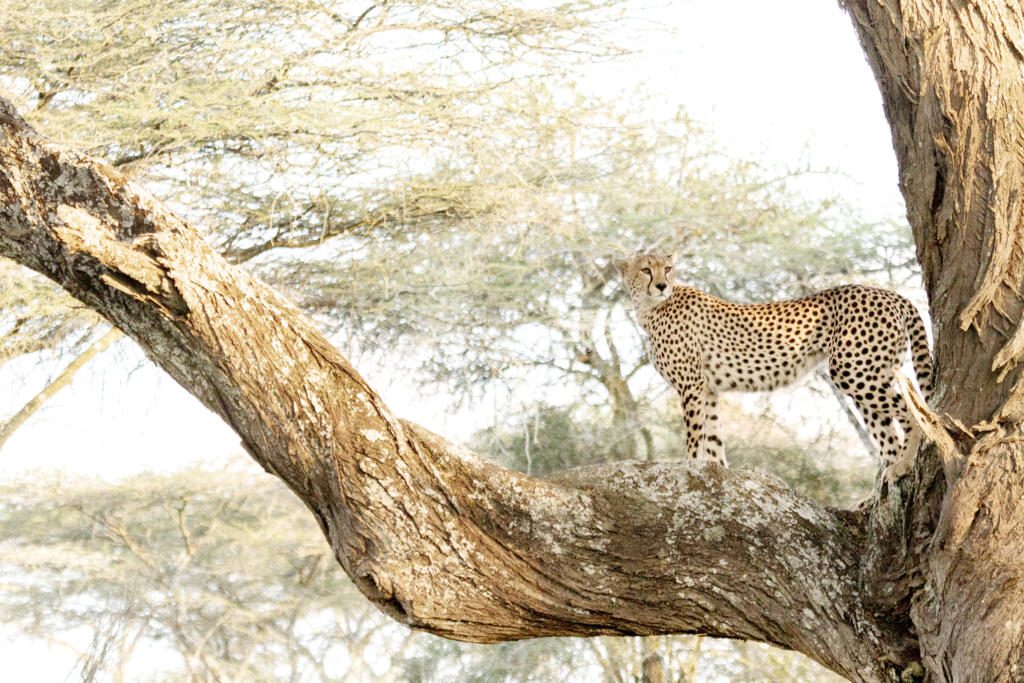
But the Serengeti is far more than a Migration destination. This is a year round safari ecosystem with exceptional resident wildlife, including large lion prides, strong cheetah populations, impressive numbers of elephant, giraffe and buffalo and reliable leopard sightings across the central and northern regions.
With its open plains, dramatic skies and remarkable predator activity, the Serengeti offers some of the most rewarding wildlife viewing and photographic opportunities anywhere in Africa.
Serengeti Safari Highlights
Discover the Serengeti’s greatest wildlife spectacles, from dramatic Migration scenes to exceptional year round big cat viewing.
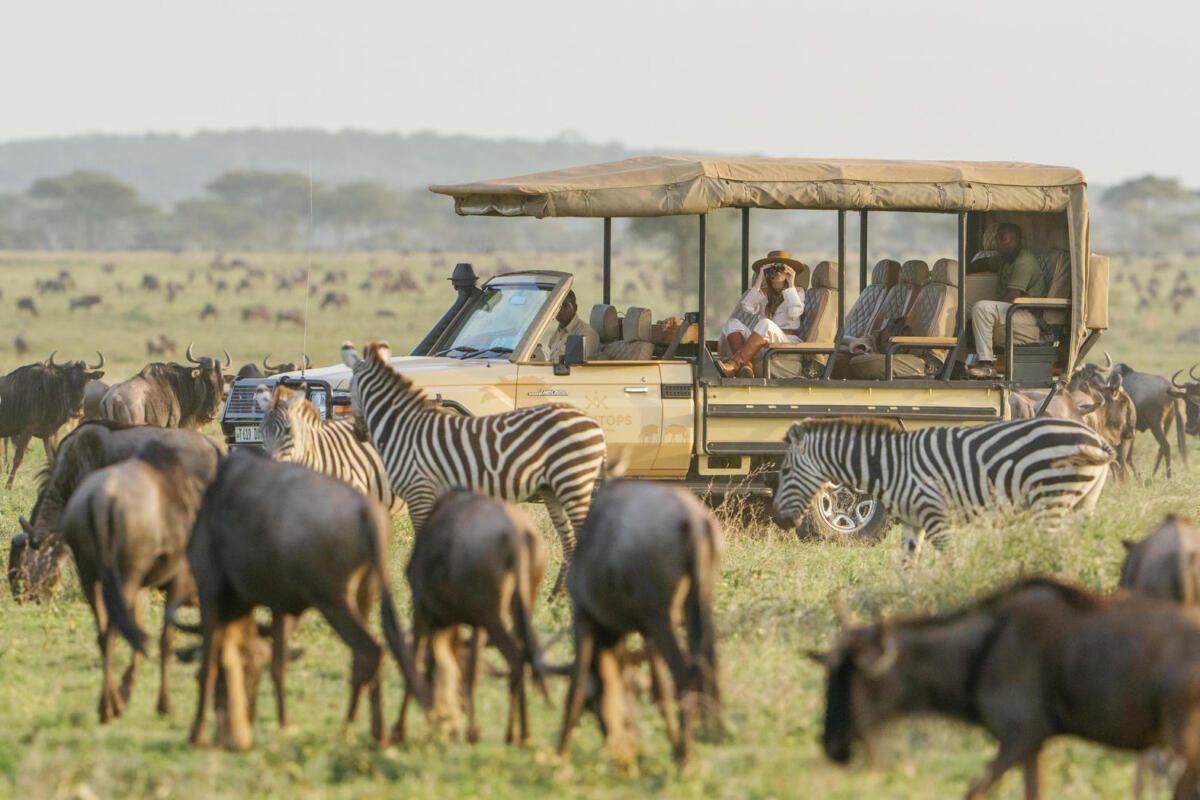
The Great Wildebeest Migration
Witness more than 1.5 million wildebeest and thousands of zebra move across the plains in one of nature’s most extraordinary wildlife events.
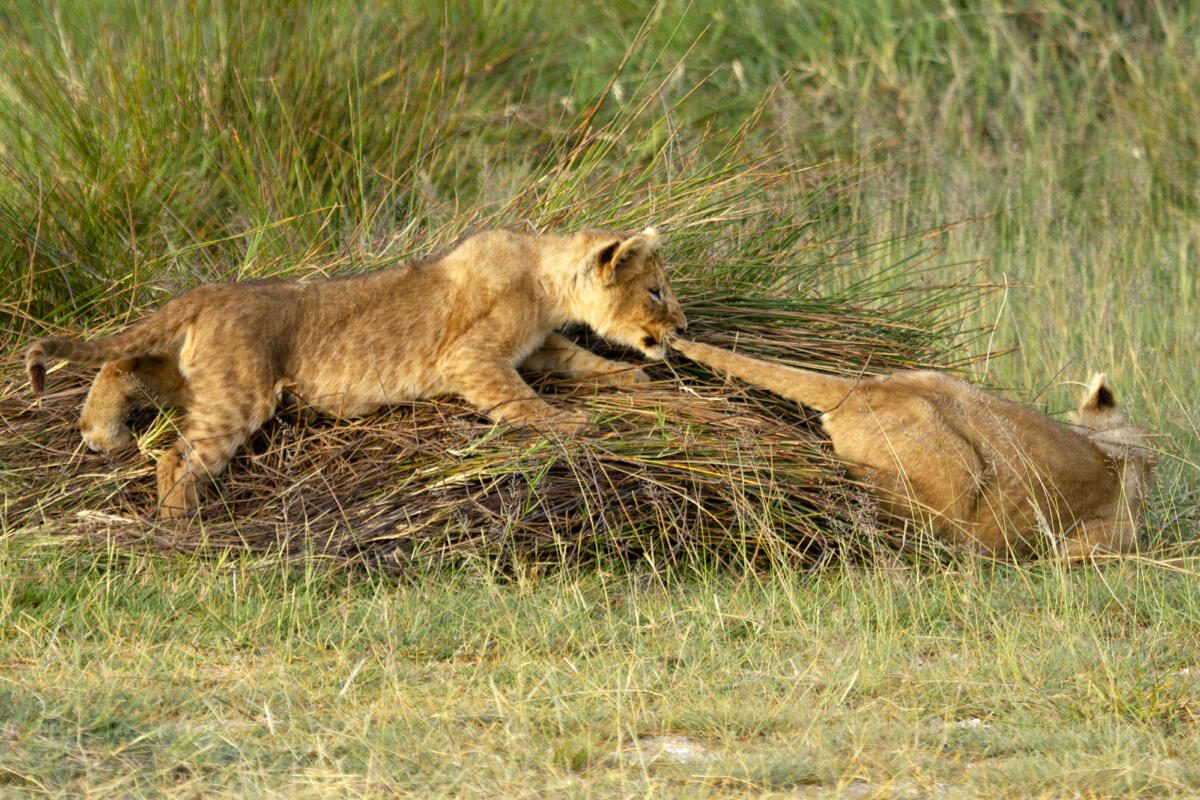
Year Round Big Cat Viewing
See large lion prides, territorial cheetahs and elusive leopards across the central and northern Serengeti, offering exceptional predator encounters.
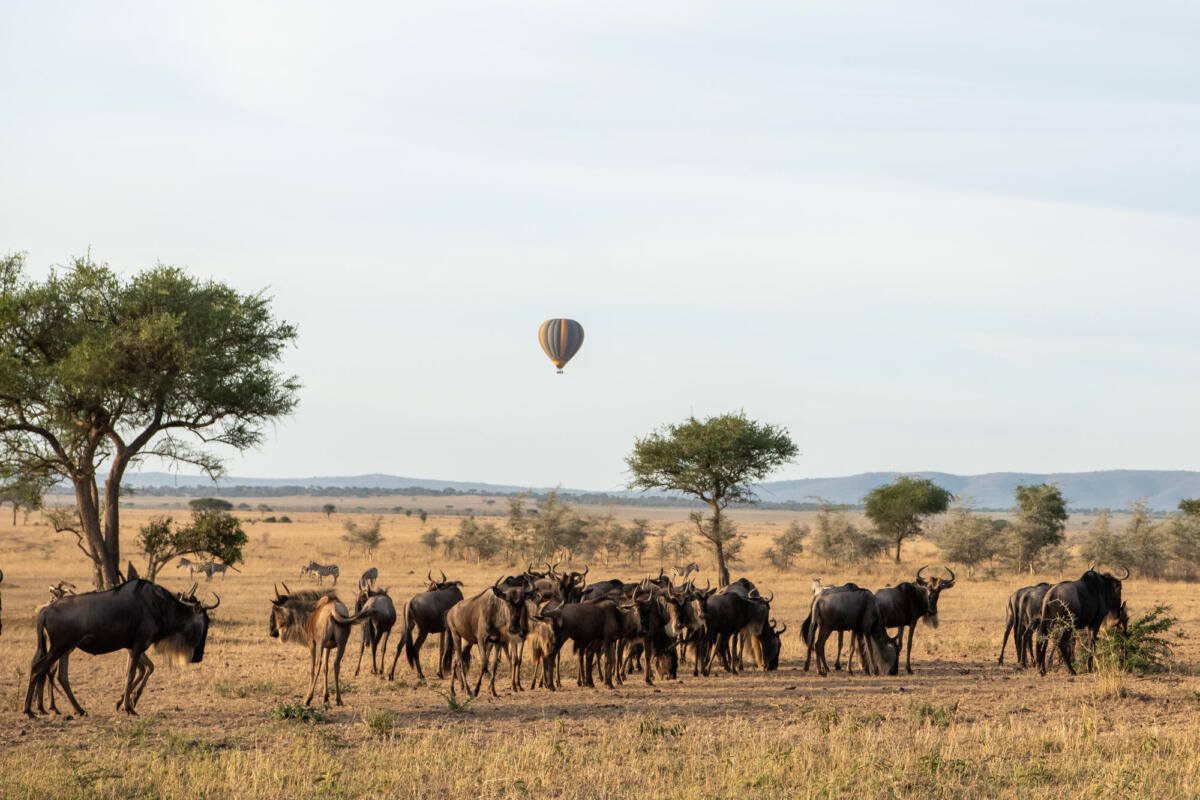
Balloon Safaris Over the Plains
Float above endless savanna at sunrise for sweeping views of wildlife, river systems and the scale of the Serengeti landscape.
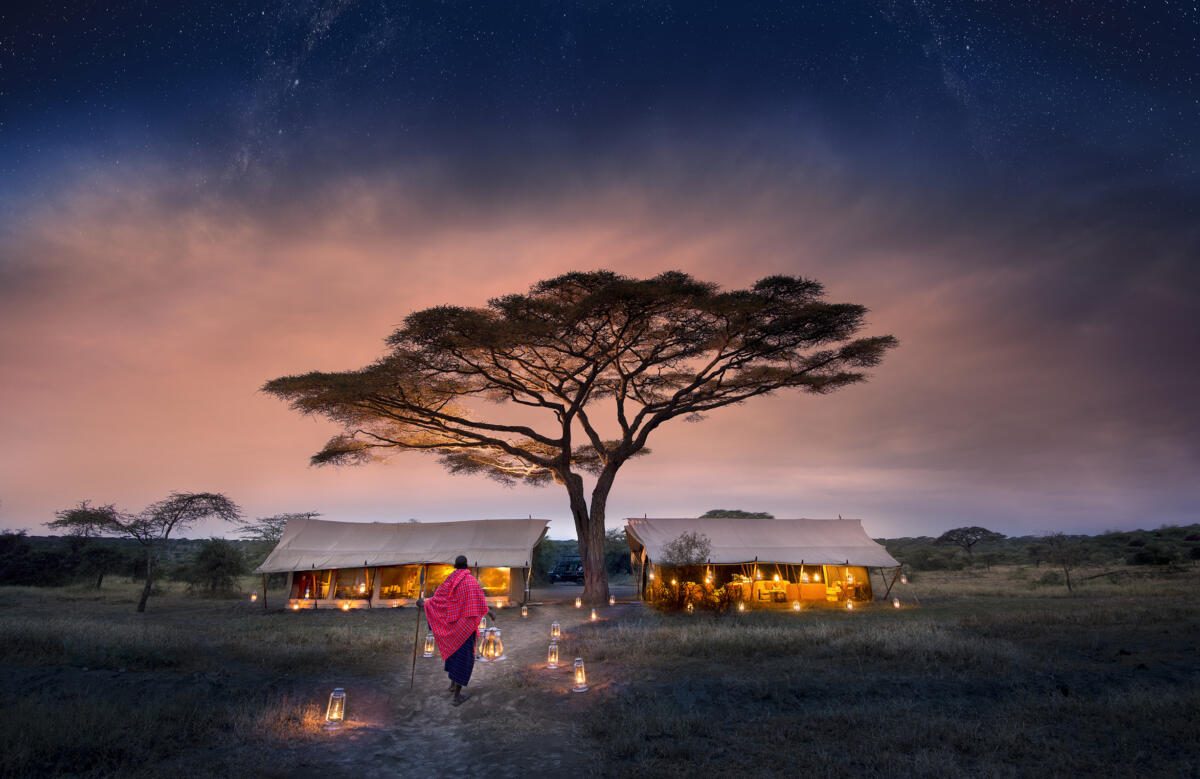
Luxury Mobile Camps
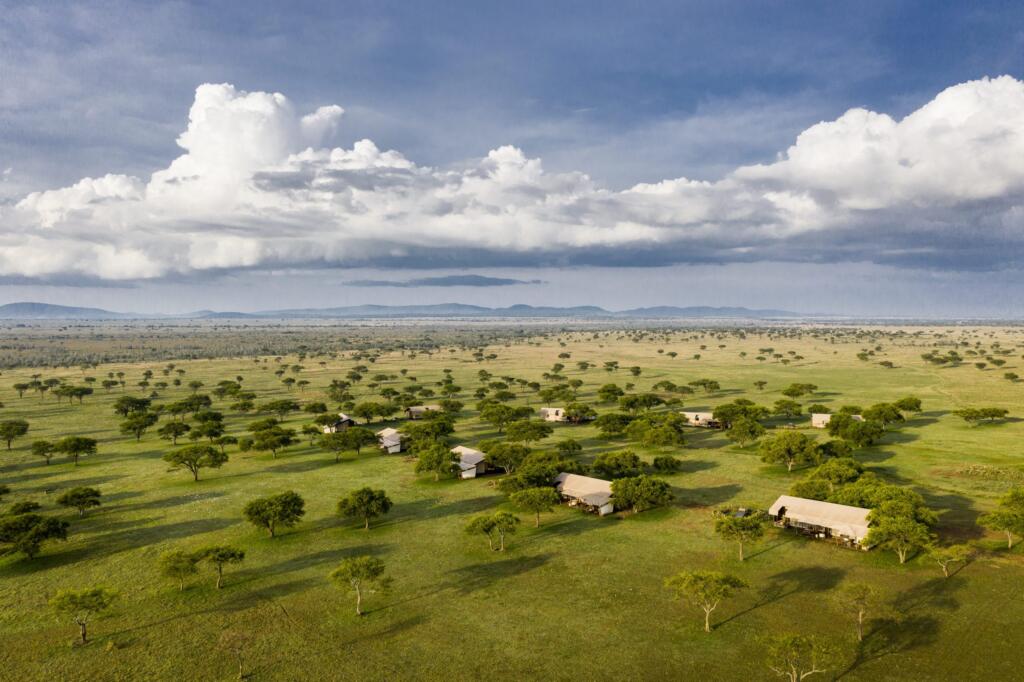
Stay in exclusive mobile tented camps that move seasonally to follow the Migration, placing you closer to river crossings, predator action and the most dramatic wildlife moments of the year.
Ready To Plan Your Safari in the Serengeti?
Let’s start designing your luxury Tanzania safari. Whether you’re after adventure, relaxation, or both, we’ll tailor every detail around how you want to experience Africa – with expert guidance at every step.
Ubuntu Travel’s Popular Serengeti Safaris
Discover Ubuntu Travel’s top Serengeti itineraries, combining Great Migration experiences, exceptional big cat viewing and luxury camp stays across Tanzania’s most iconic wilderness.
The Best of Tanzania
Arusha – 1 night
Ngorongoro Crater – 2 nights
Tarangire – 3 nights
Serengeti National Park – 3 nights
Zanzibar – 4 nights
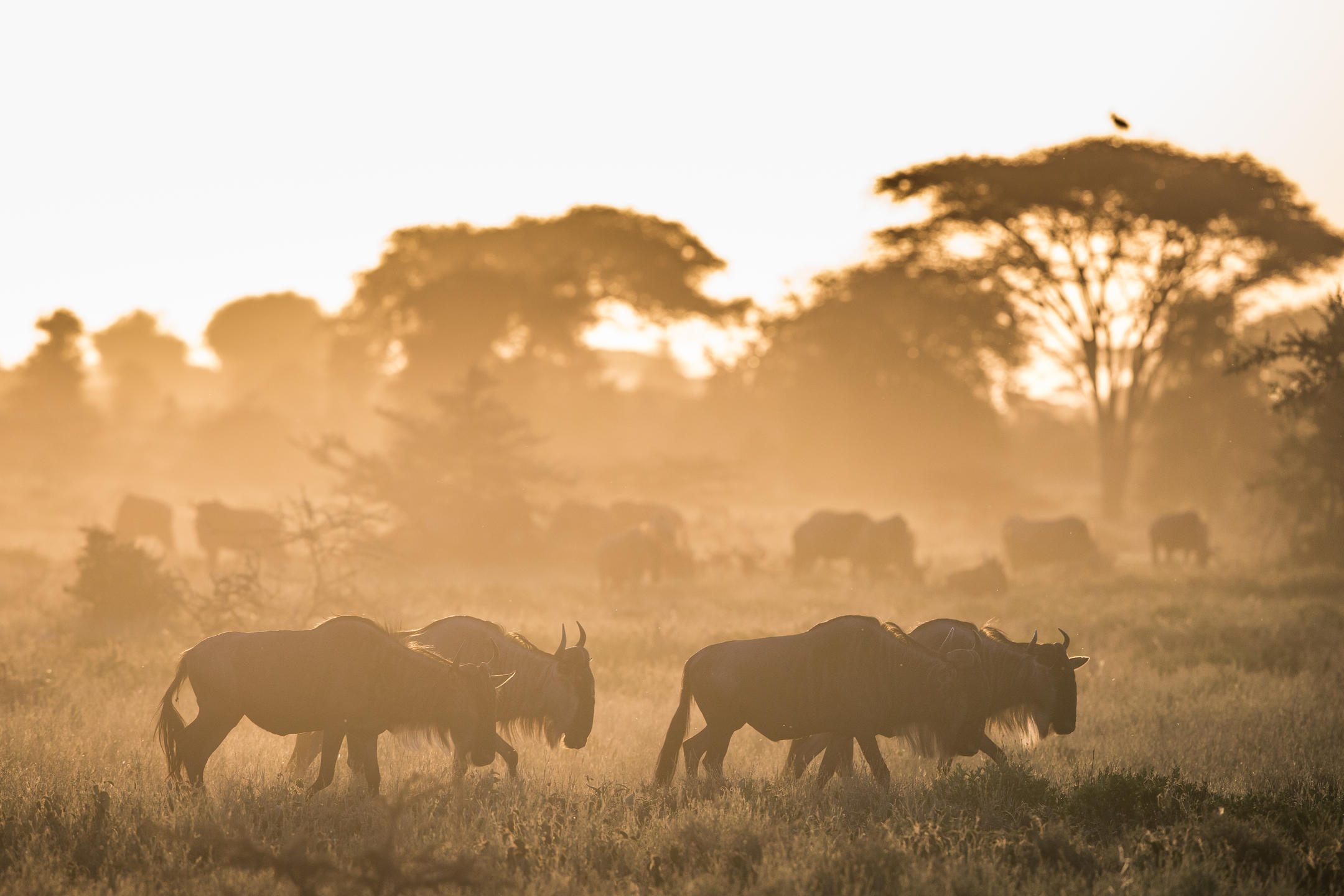
East Africa's Finest Safari
Arusha – 1 night
Ngorongoro Crater – 2 nights
Serengeti National Park – 3 nights
Masai Mara – 3 nights
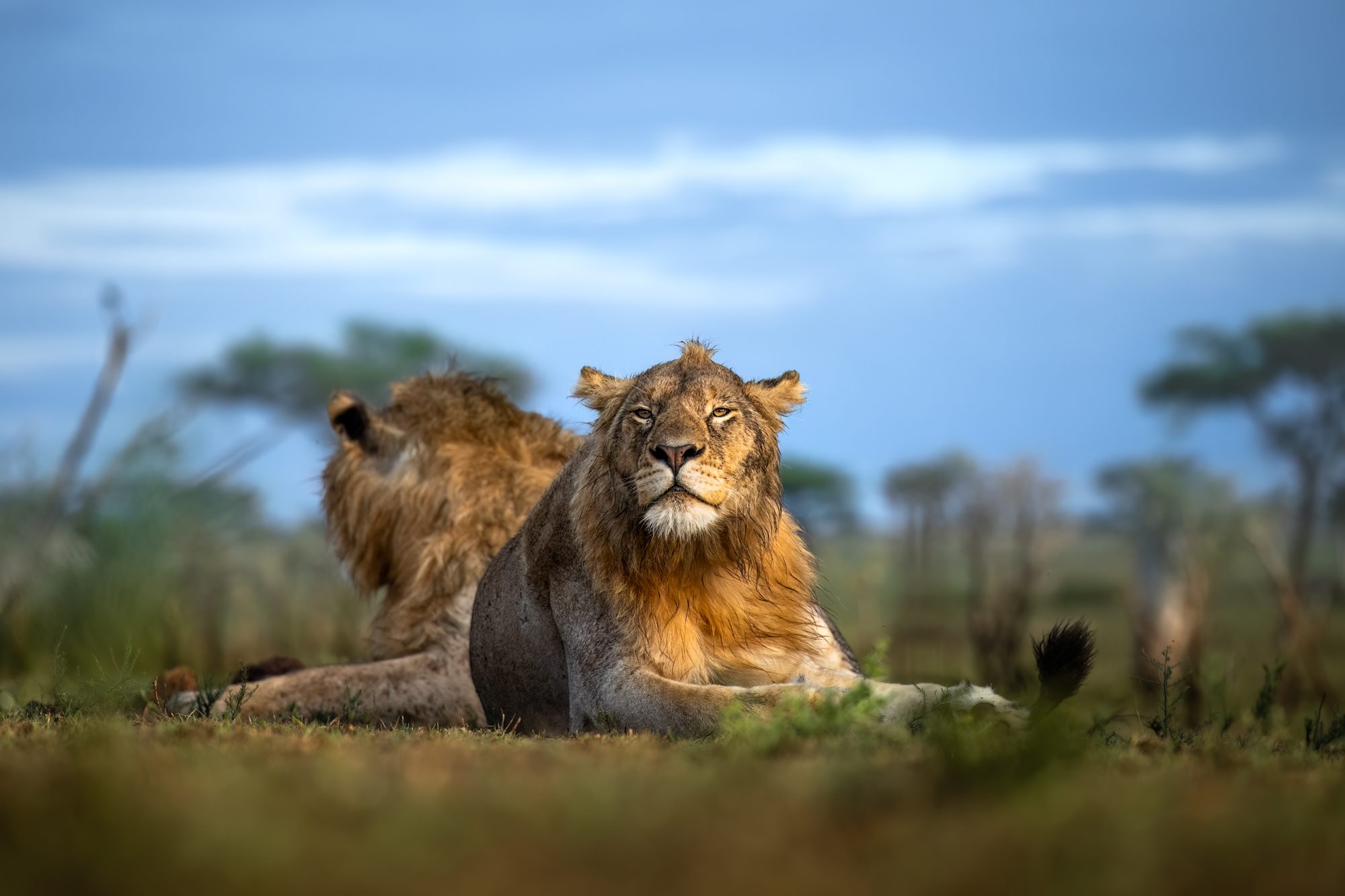
Great Migration: Calving Season
Arusha – 1 night
Tarangire National Park – 2 nights
Serengeti National Park – 3 nights
Masai Mara – 3 nights
THE UBUNTU TRAVEL DIFFERENCE
Personalized Itineraries
Attention to detail from start to finish
Conservation Promise
Travel with a purpose
Experts in Africa
Our team of travel experts know Africa
Personalized Itineraries
Attention to detail from start to finish
Conservation Promise
Travel with a purpose
Experts in Africa
Our team of travel experts know Africa
Ready to Plan Your Serengeti Safari?
Reach out today and connect with our expert team – we care about the whole journey, from your very first call to your final farewell on safari. Every itinerary is thoughtfully reviewed by our co-founders, Kyle and Leah, to reflect the kind of journey we’d take ourselves.
FAQs About The Serengeti
When is the best time to visit the Serengeti?
The Serengeti is a year round safari destination with exceptional wildlife viewing in every season.
The best time to see dramatic Migration activity depends on where you travel within the park. From July to October, the northern Serengeti offers river crossings along the Mara River. From January to March, the southern Serengeti hosts the calving season, when more than 400,000 wildebeest are born in a matter of weeks and predator interactions peak.
The green season from November to May brings beautiful skies, rich colours and excellent big cat viewing in the central regions. With resident wildlife spread across the ecosystem, the Serengeti delivers rewarding safaris in every month of the year.
What wildlife can I expect to see in the Serengeti?
The Serengeti is world-renowned for the Great Wildebeest Migration, but it is also home to outstanding year round wildlife. Guests can expect to see large lion prides, strong cheetah populations, leopard in the central and northern regions, elephant herds, giraffe, buffalo, hyena and an impressive variety of plains game. Calving season attracts large numbers of predators, while river crossings in the north offer some of the most dramatic wildlife moments anywhere in Africa. Over five hundred bird species also make the Serengeti a fantastic destination for birding.
Which area of the Serengeti should I visit?
Each region of the Serengeti offers a distinct safari experience. The central Serengeti, known as Seronera, provides excellent year round wildlife viewing and strong leopard sightings. The northern Serengeti is best from July to October for Mara River crossings and exceptional predator activity. The southern Serengeti is ideal from January to March for the calving season, when wildebeest gather on the short-grass plains in vast numbers. Private concessions, such as Grumeti, offer luxury lodges, exclusive experiences and low-vehicle wildlife viewing.
What is the difference between the Masai Mara and the Serengeti?
The Serengeti and the Masai Mara form one continuous ecosystem, and wildlife moves freely across the border during the Great Wildebeest Migration. The Serengeti is far larger, covering 1.5 million hectares, and offers more diverse regions including the southern calving plains, the central Seronera valley and the northern Mara River area. It provides year round predator viewing, dramatic landscapes and a wider variety of lodge styles, from luxury mobiles to exclusive concessions such as Grumeti.
The Masai Mara, although smaller, has exceptionally high densities of big cats and is famous for its intimate predator viewing. Its surrounding private conservancies offer lower vehicle numbers, off-road freedom and meaningful community-owned conservation. The Mara is also the best place to see river crossings late in the season, particularly from July to October.
Both destinations offer extraordinary safaris, but the Serengeti provides greater scale and year round variation, while the Masai Mara excels in exclusivity, big cat density and flexible conservancy experiences.
Quick Comparison: Serengeti vs Masai Mara
Serengeti
- Much larger ecosystem with varied regions
- Strong year round big cat viewing
- Best for calving season (January to March)
- Best early-season river crossings (July to August, northern Serengeti)
- Mix of luxury lodges, mobiles and private concessions (e.g., Grumeti)
- Dramatic landscapes and wide-open plains
Masai Mara
- Smaller but extremely wildlife rich
- Higher density of lions, cheetahs and leopards
- Best late-season river crossings (August to October)
- Private conservancies offer exclusivity and low vehicle numbers
- Excellent for first-time safari travellers
- Strong cultural connections with Maasai communities