A Safari With Purpose: Conservation Travel with Ubuntu Travel
Best for: Couples, Private Groups and Multigenerational Families
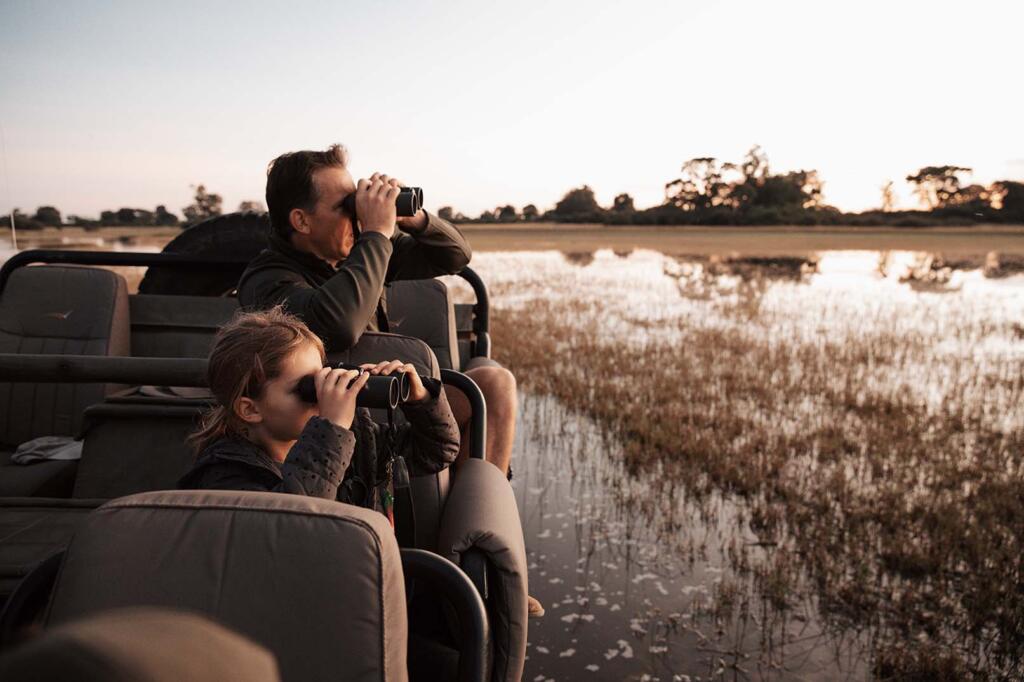
Join us on a once-in-a-lifetime conservation safari in South Africa at Phinda Private Game Reserve, where you will immerse yourself in ground-breaking conservation initiatives alongside some of the world’s leading conservationists. This rare experience offers first-hand insight into what it takes to protect Africa’s most iconic and endangered species within a pioneering private reserve.
Alongside traditional safari game drives, this privately guided seven-day journey incorporates elements of andBeyond’s acclaimed Safari Ranger Training program, specialized walking safaris, and a meaningful visit to the inspiring Nkomo Primary School, highlighting the vital link between conservation and community.
Throughout your stay, your exclusive home base is andBeyond Phinda Zuka Lodge, reserved solely for your group. The lodge includes a private safari vehicle and guide, as well as a dedicated butler and private chef. Guests also benefit from access to specialist photographic guides and additional conservation resources, enriching every aspect of this immersive safari experience.

Personalized Itineraries
Attention to detail from start to finish

Conservation Promise
Travel with a purpose

Experts in Africa
Our team of travel experts know Africa
Personalized Itineraries
Attention to detail from start to finish
Conservation Promise
Travel with a purpose
Experts in Africa
Our team of travel experts know Africa
Itinerary Highlights
- Rhino Conservation Experience
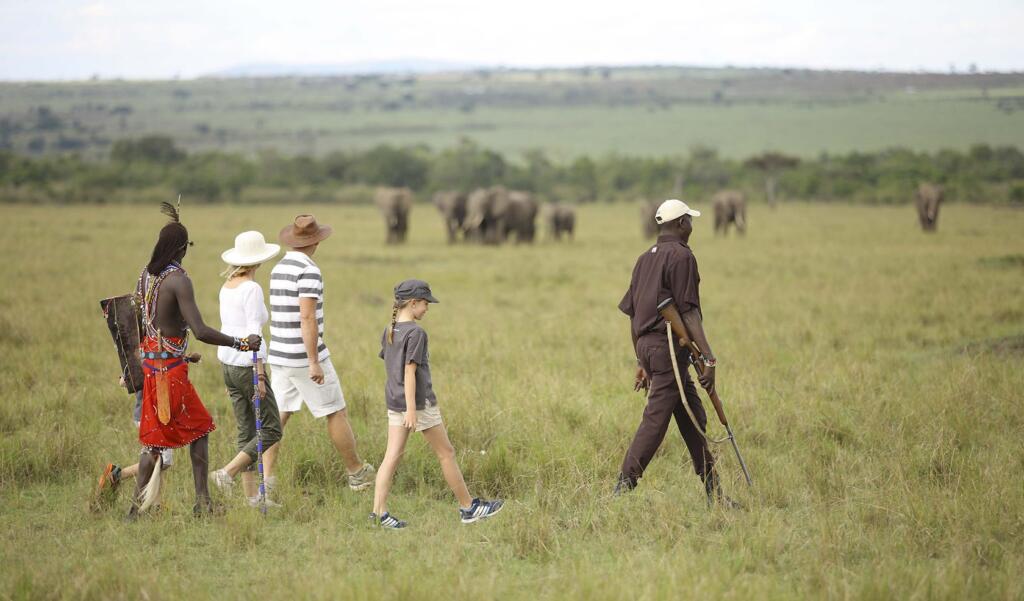
- Specialist Walking Safari
- Sleepout Under the Stars
- Guide & Tracker Training Program
- Bird Ringing (Tag & Release Exercises)
- Authentic Community Trip
Pricing & Availability
- Dates for this Conservation Safari: On Request
- Price: From $15,000 per person sharing*
- Designed for a small group of 6 (ideal for families, private groups)
- Safely participate in rhino conservation
- Additional conservation activities on request
- Fully tailor-made for your entire journey and pace
Phinda Private Game Reserve
Conservation Experience
Bird Conservation
Adventure Experience
Phinda Zuka Lodge
Meaning “The Return” in the local Zulu language, Phinda Private Game Reserve represents a powerful conservation success story. Established in 1991, Phinda has worked closely with local communities for more than 30 years to restore overgrazed farmland into a thriving protected wilderness.
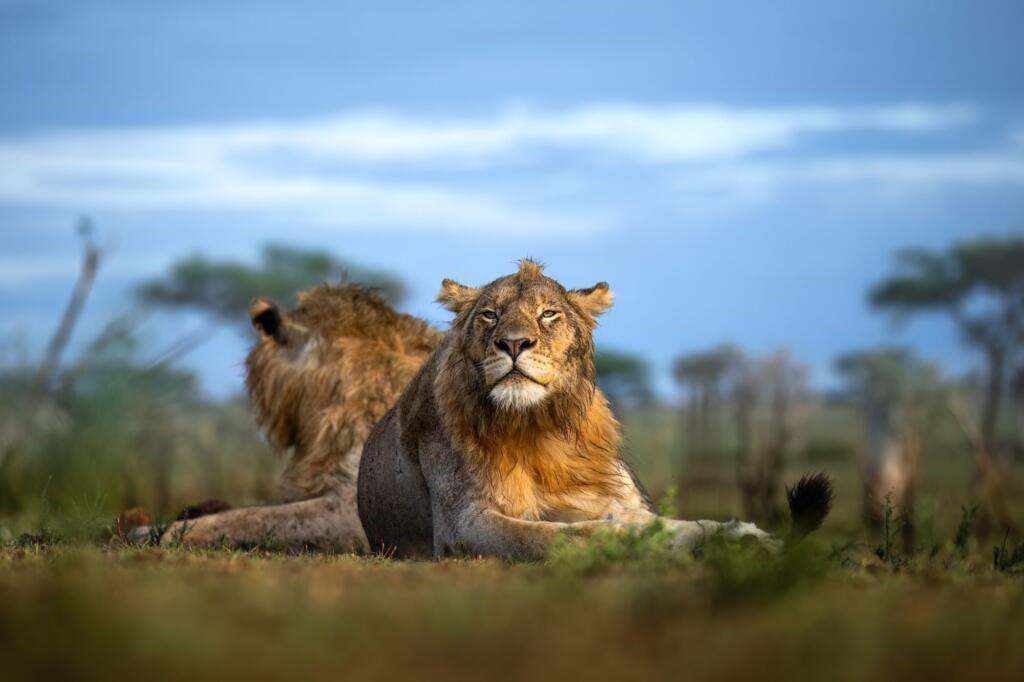
Today, this Big Five reserve spans more than 70,560 acres and is particularly renowned for its cheetah and black rhino sightings, as well as its strong conservation and community partnerships.
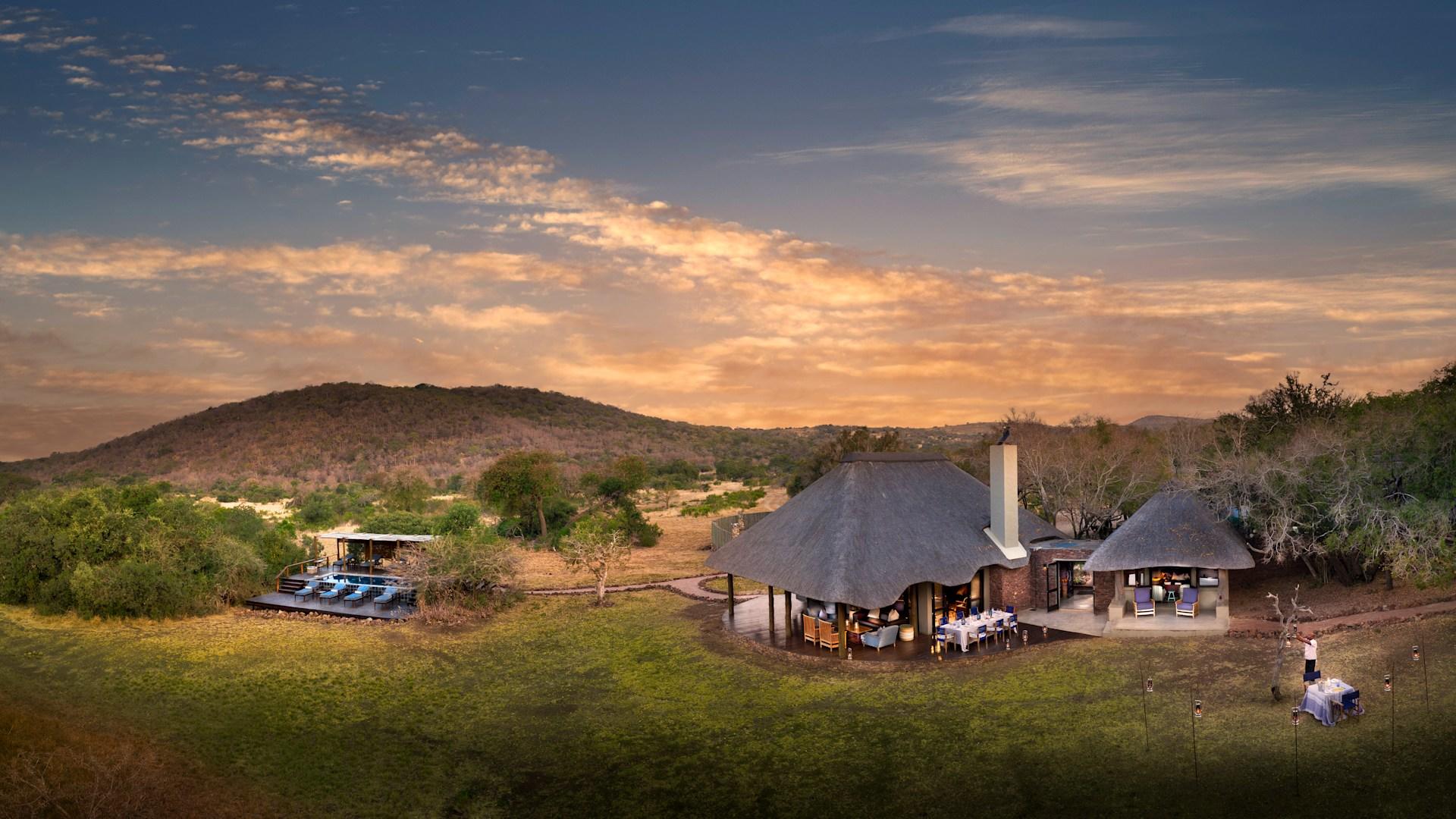
Your stay is based at the newly refurbished Phinda Zuka Lodge, an exclusive, sole-use, all-inclusive lodge set in the rolling Zuka Hills. Designed for privacy and comfort, it provides an ideal base for this immersive conservation safari.
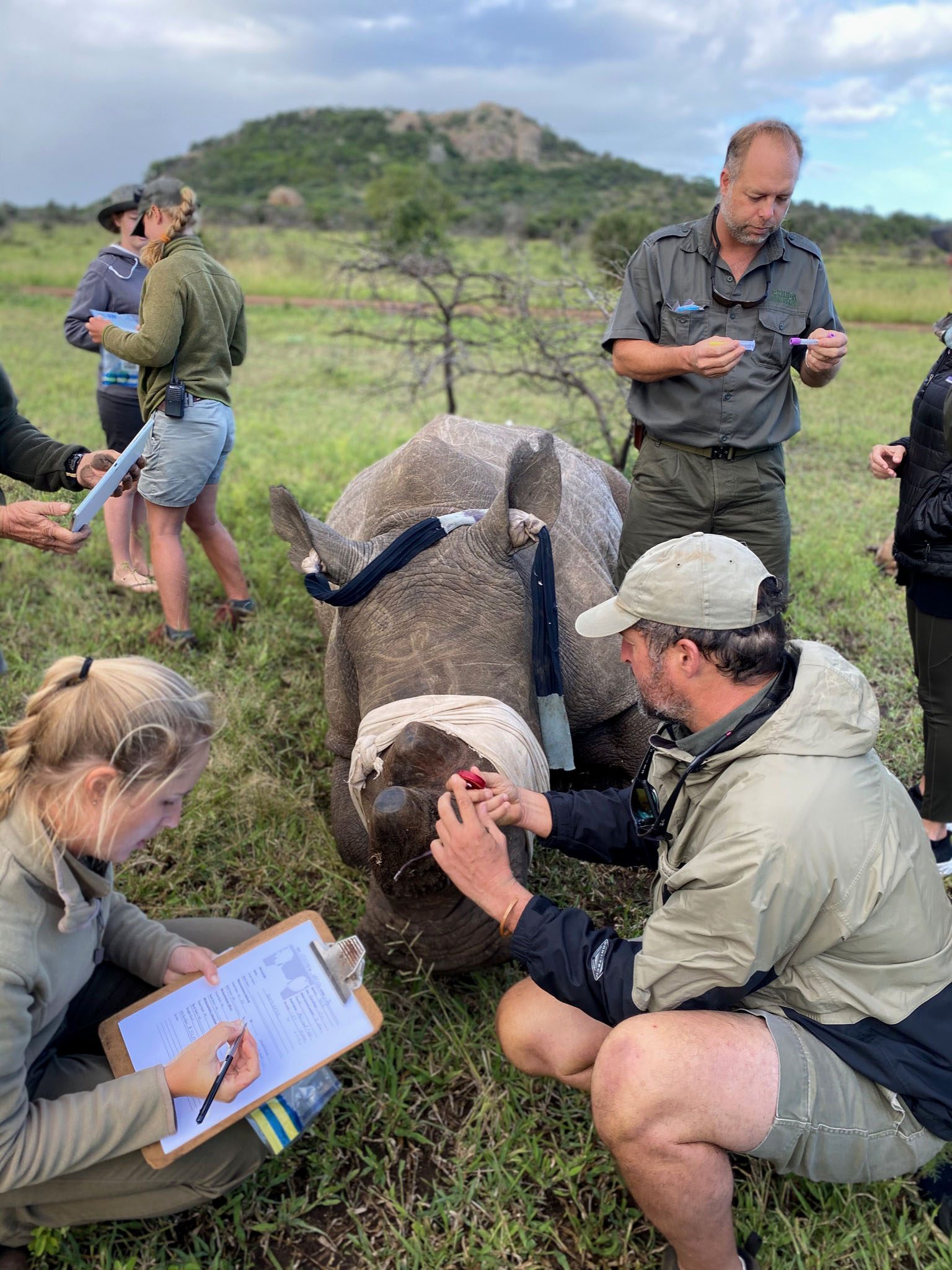
Rhino Dehorning or Notching
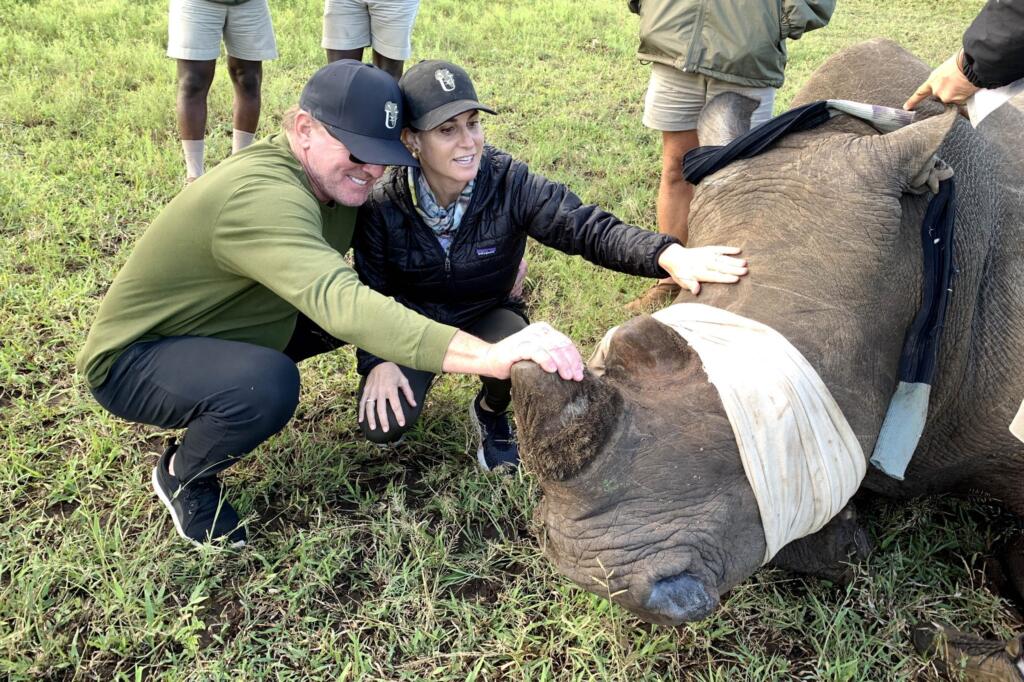
The Phinda Conservation Team will advise which day your Rhino Conservation Experience takes place, based on conservation priorities and weather conditions. Guests participate alongside trained specialists during either a rhino notching or rhino dehorning operation, supporting Phinda’s pioneering conservation work.
This is not a staged experience. You are taking part in real, active conservation aimed at protecting one of Africa’s most threatened species. Where appropriate, guests may assist the team on the ground, offering a rare and meaningful insight into hands-on wildlife protection.
To better understand the impact of this journey, we invite you to watch Ubuntu Travel co-founder Kyle Green reflect on his first Conservation Safari.
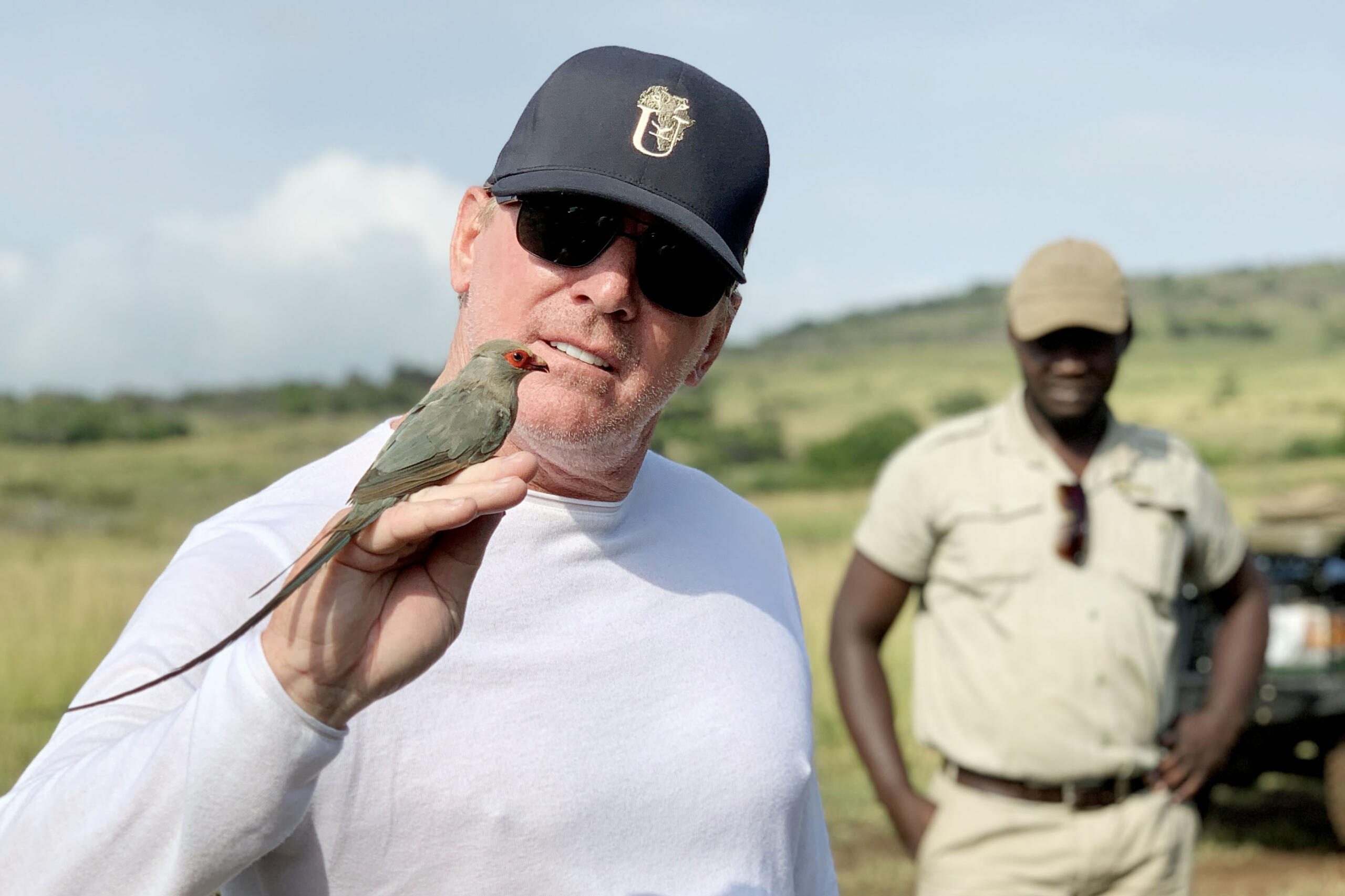
Bird-Ringing Session
Depending on your game drive schedule and other safari activities, you have the opportunity to take part in a hands-on bird ringing session at Phinda Private Game Reserve. This delicate conservation activity involves netting, measuring, tagging, and safely releasing birds under the guidance of trained specialists.
The experience offers a rare chance to observe fine details, colors, and adaptations up close, while learning about each species and its role within the ecosystem. As Ubuntu Travel co-founder Kyle Green describes it, “a surprisingly rich and enjoyable experience, even for non-birders.”
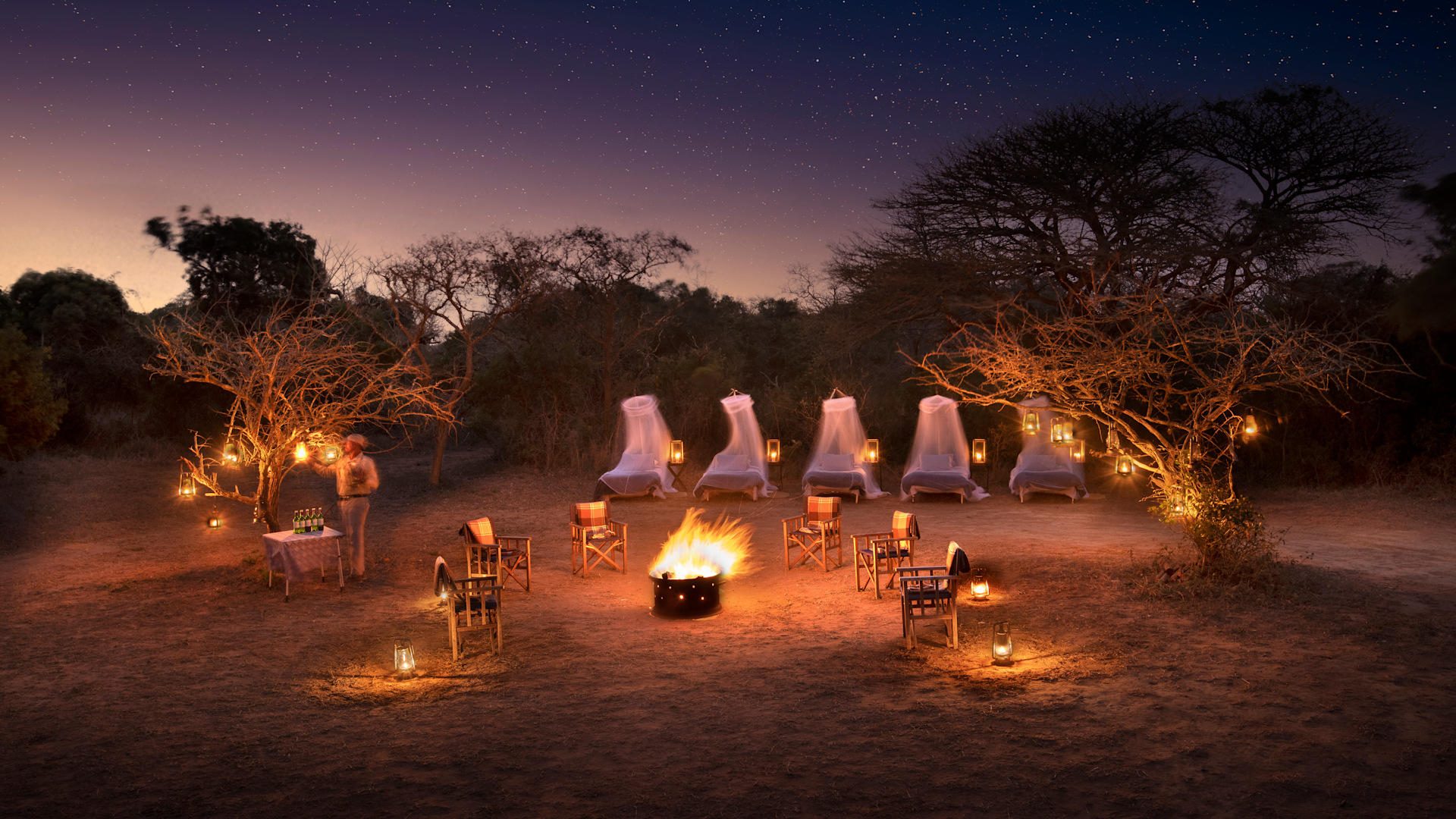
Sleep-out Experience
After an afternoon game drive in search of the Big Five, cheetah coalitions, or a crash of rhino, you’ll enjoy one of the most immersive and memorable experiences at Phinda Private Game Reserve: the Sleepout Under the Stars.
Settle into comfortable open-air beds with warm duvets, blankets, and billowing mosquito nets, gathered around a crackling fire as you reflect on the day’s conservation experiences. A signature sundowner and freshly prepared dinner are served before you drift off to sleep beneath the stars, with the distant calls of hyena and lion echoing through the night. An armed guard remains on watch throughout, ensuring a safe and unforgettable experience.
FAQs on the Conservation Safari
A Conservation Safari in South Africa is very different from a traditional safari. Below are the most common questions travelers ask when considering a hands-on conservation journey like this one.
What makes a conservation safari different from a traditional safari?
An Ubuntu Travel Conservation Safari goes beyond wildlife viewing. In addition to game drives, guests actively engage in real conservation work, such as rhino protection initiatives, species monitoring, and guided learning alongside conservation professionals. The focus is on understanding how wildlife is protected and how tourism directly supports long-term conservation outcomes.
Will I be actively involved in conservation activities?
Yes. This experience is designed to offer meaningful participation where appropriate. Activities may include observing or assisting with rhino notching or dehorning operations, taking part in bird ringing sessions, and learning from conservation teams working on the ground. All activities are guided by trained professionals and depend on conservation needs and conditions at the time of travel.
Is this conservation safari suitable for non-experts or first-time safari travelers?
Absolutely. No prior conservation or safari experience is required. The journey is designed to be educational, immersive, and accessible, with expert guides explaining each activity in detail. Whether you are new to safari travel or deeply interested in conservation, this experience offers insight, context, and a deeper connection to South Africa’s wildlife and landscapes.
Explore More Safari Itineraries
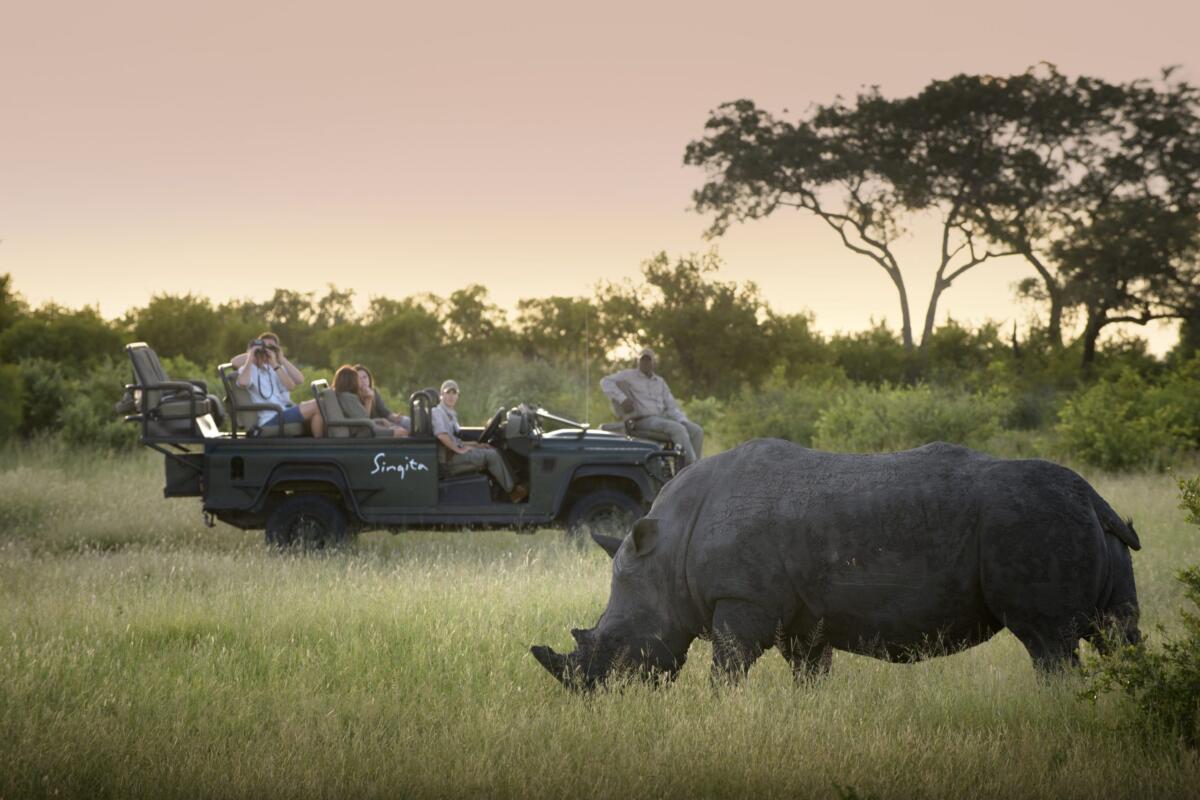
Cape Town to Victoria Falls
Cape Town | Sabi Sand Game Reserve | Victoria Falls
Plan the perfect family vacation from Cape Town to Victoria Falls! Search for the Big Five in the iconic Sabi Sand Game Reserve! Discover the majesty of Victoria Falls!
FROM $10,400
PER PERSON
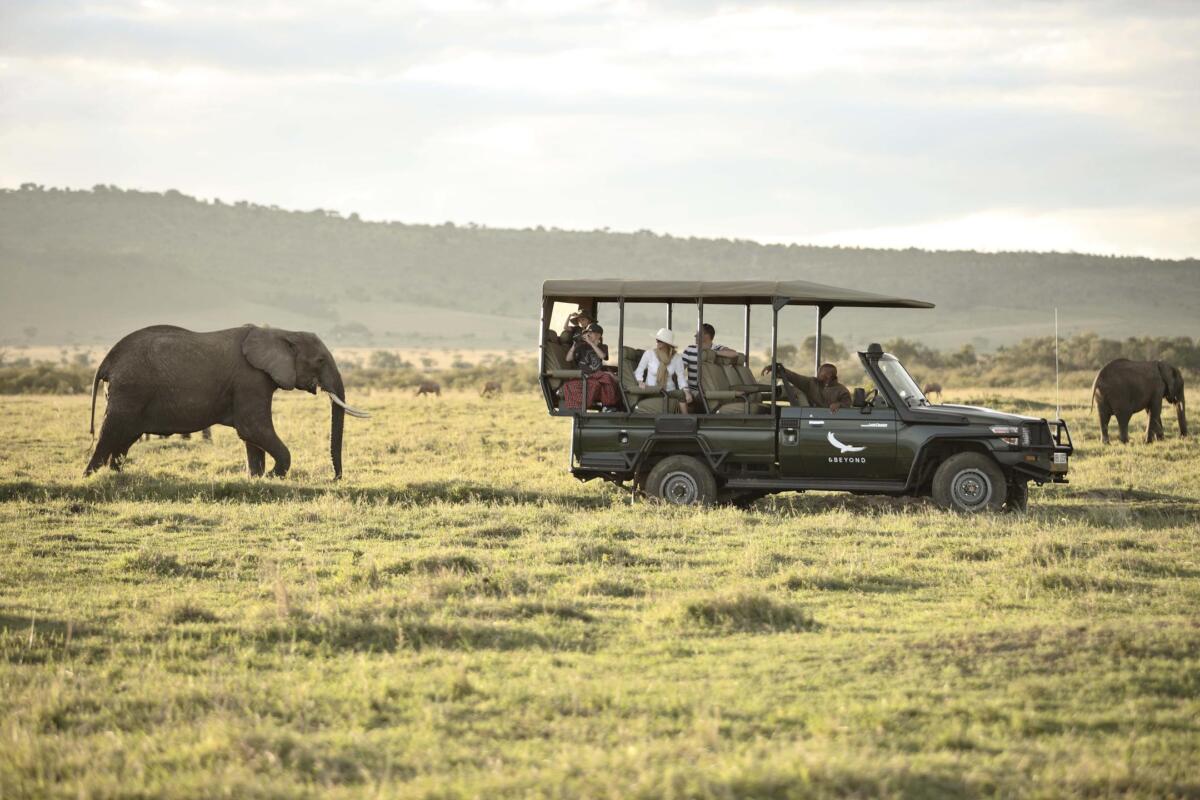
A Family Escape to Kenya and Zanzibar
Nairobi | Laikipia | Masai Mara | Zanzibar
Discover Kenya’s wildlife-rich Masai Mara and Zanzibar’s tropical beaches on this 12-day East African family safari escape!
FROM $10,500
PER PERSON
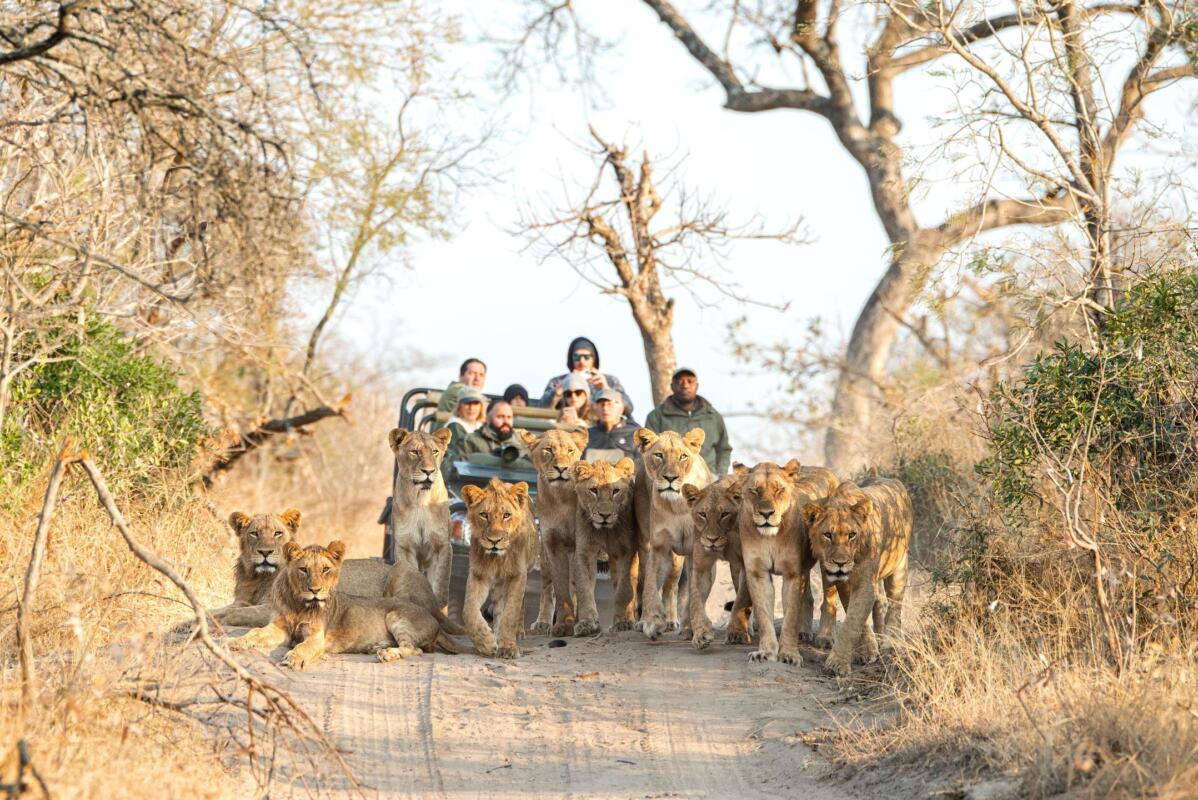
PRIVATE VILLA ESCAPE IN SOUTH AFRICA
Cape Town | Winelands | Kruger National Park
Explore Cape Town’s iconic beauty, sip local wines, and head into the wild with exclusive-use villas at South Africa’s top reserves. From coastal drives to private safaris, this itinerary blends luxury, adventure, and relaxation.
FROM $11,500
PER PERSON