
The Private Conservancies of the Masai Mara
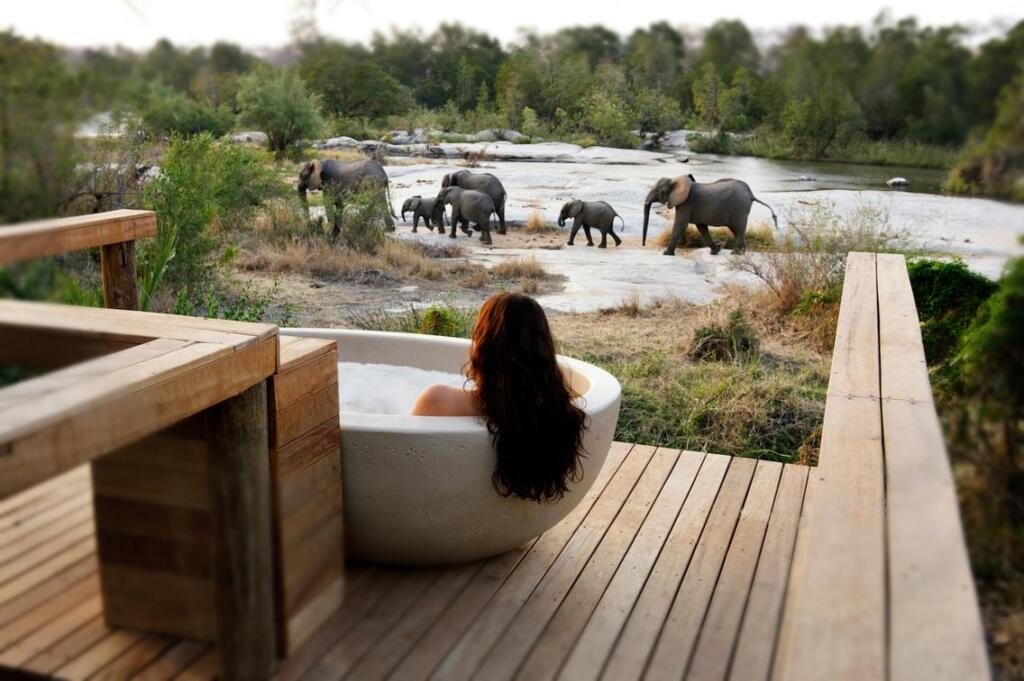
The Mara Conservancies form a collection of private, community-owned reserves that border the Masai Mara National Reserve, creating some of the most exclusive safari experiences in East Africa. These conservancies protect vital wildlife corridors, support local Maasai communities and offer travellers a more intimate and uncrowded alternative to the main reserve.
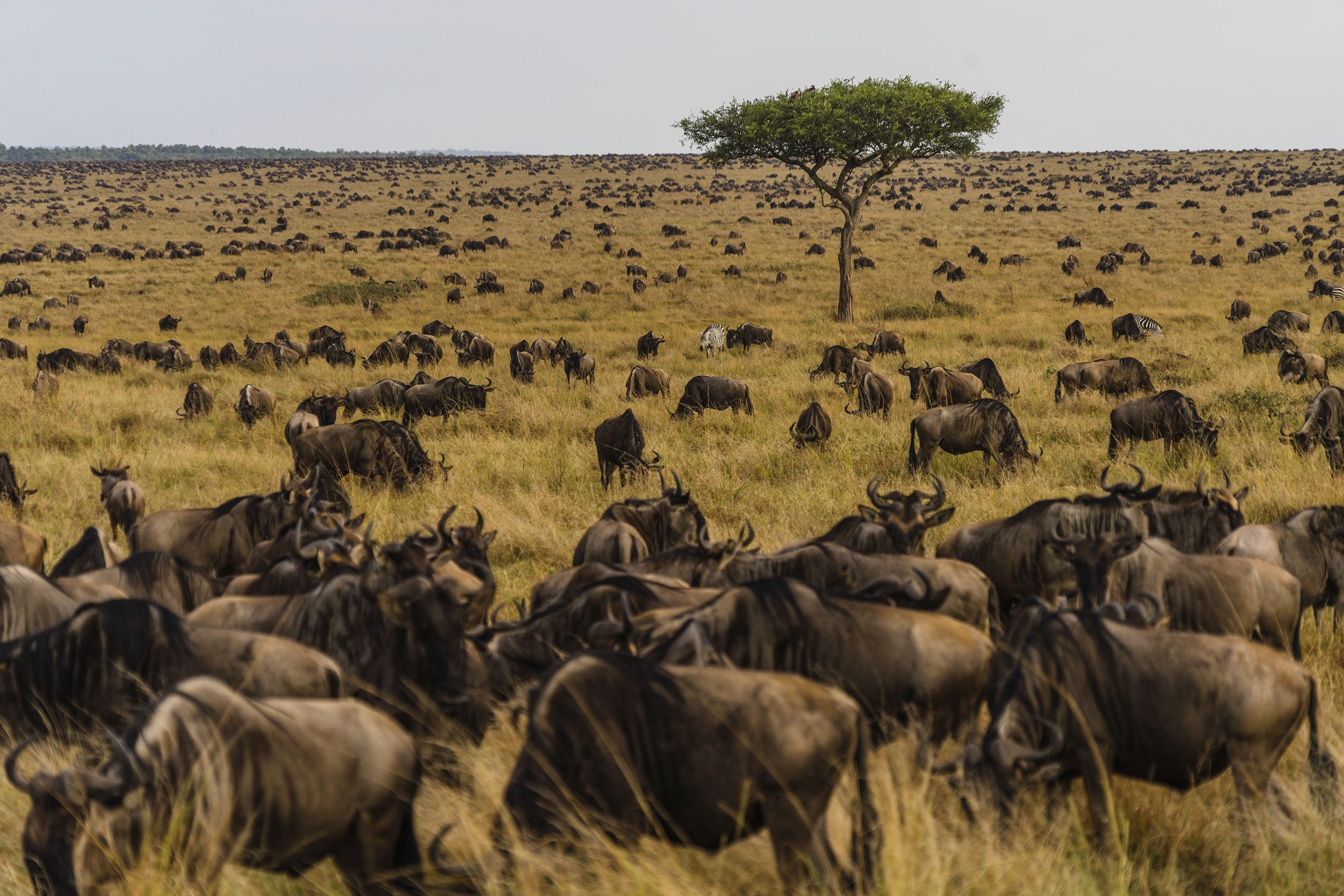
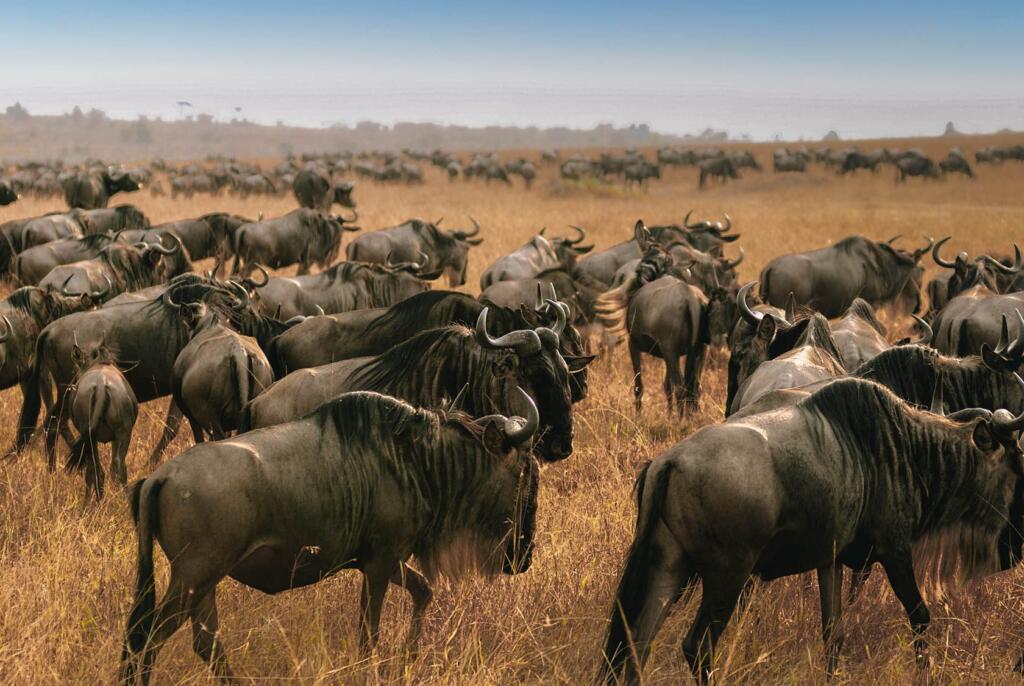
Here, wildlife moves freely across the Greater Mara Ecosystem, ensuring excellent year round sightings of lion, leopard, cheetah, elephant and vast plains game. During the Great Migration months from July to October, the conservancies provide a calmer, more private base from which to explore the region’s dramatic river crossings and predator activity.
Unlike the National Reserve, conservancies allow off-road driving, night drives, walking safaris and flexible activities, giving guests deeper and more diverse wildlife experiences. With fewer vehicles, responsible tourism models and exceptional guiding, the Mara Conservancies offer a rare blend of privacy, conservation impact and classic Masai Mara beauty.
Mara Conservancy Highlights
Discover the exclusive wildlife experiences, low-vehicle encounters and community-led conservation that define the Mara Conservancies.
Exclusive Wildlife Viewing
Enjoy intimate sightings of lion, leopard, cheetah and elephants in uncrowded areas with limited vehicles at each sighting.
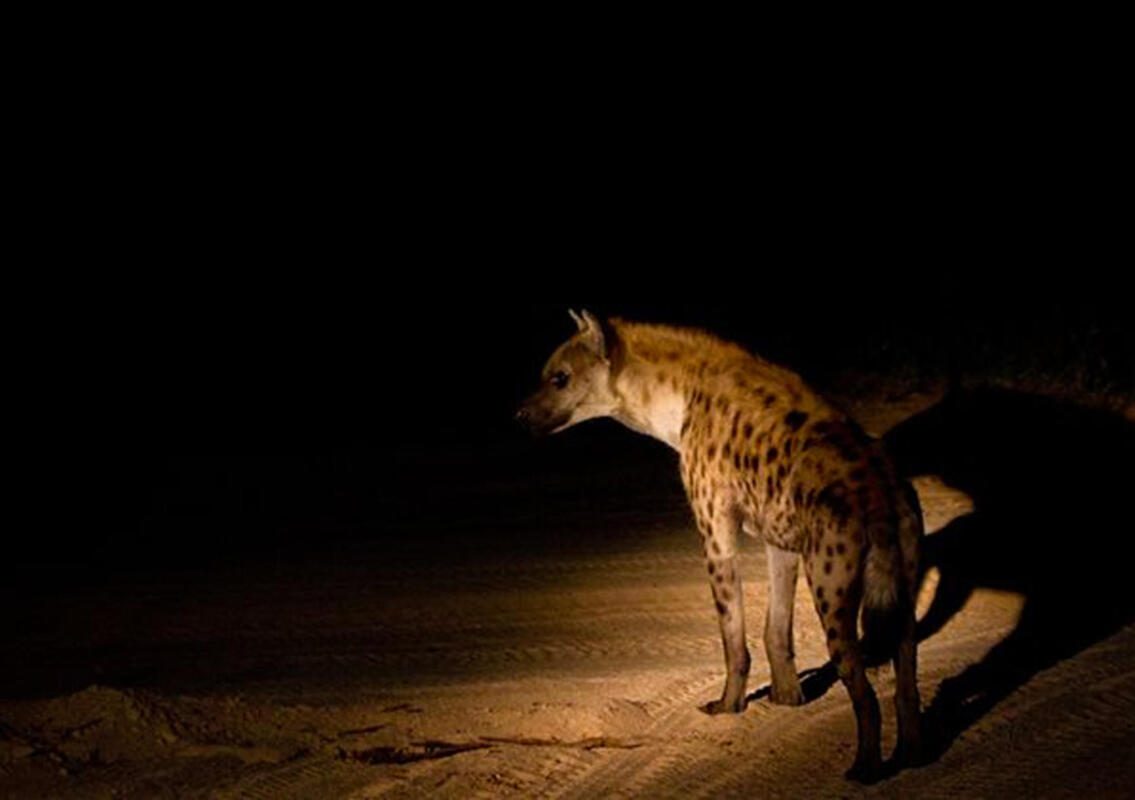
Off-Road and Night Drives
Experience the freedom of off-road tracking and night drives, giving you close range predator viewing and a richer, more flexible safari.
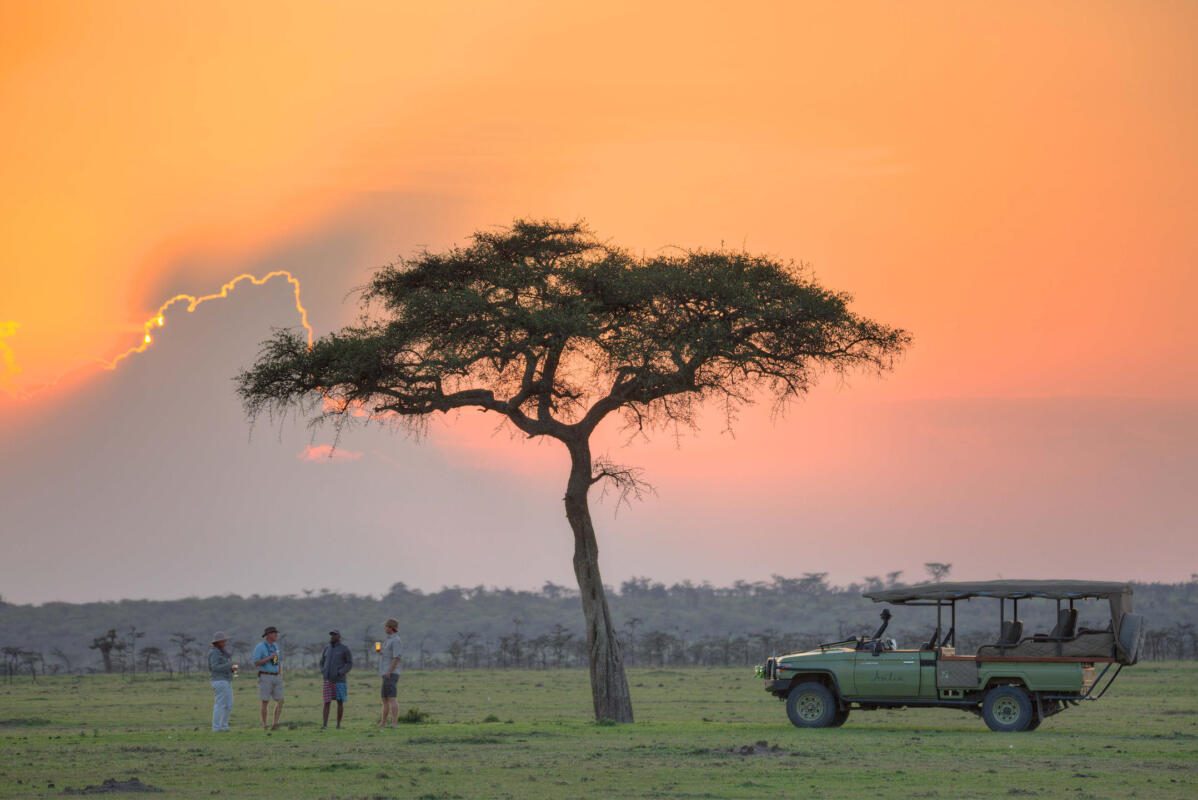
Community-Owned Conservation
Support meaningful conservation by staying on land owned by Maasai communities, where tourism directly protects wildlife and livelihoods.
Walking Safaris
Explore the conservancies on guided walks and benefit from relaxed photography rules that allow you to capture natural behaviour at close range.
Ready To Plan Your Safari?
Let’s start designing your luxury safari. Whether you’re after adventure, relaxation, or both, we’ll tailor every detail around how you want to experience Africa – with expert guidance at every step.
Ubuntu Travel's Popular Mara Conservancy Safaris
Discover Ubuntu Travel’s top Mara Conservancy itineraries, offering exclusive wildlife viewing, off-road freedom and luxury lodges set in community-owned wilderness.
Ultimate Kenya Safari
Nairobi – 1 night
Amboseli – 2 nights
Lewa Conservancy – 3 nights
Masai Mara Conservancy – 3 nights
East Africa Honeymoon
Nairobi – 1 night
Masai Mara Conservancy – 3 nights
Serengeti National Park – 2 nights
Ngorongoro Crater – 2 nights
Zanzibar – 3 nights
Great Migration & Romantic Mara
Nairobi – 1 night
Amboseli – 2 nights
Masai Mara – 3 nights
Serengeti National Park – 3 nights
Zanzibar – 3 nights
THE UBUNTU TRAVEL DIFFERENCE
Personalized Itineraries
Attention to detail from start to finish
Conservation Promise
Travel with a purpose
Experts in Africa
Our team of travel experts know Africa
Personalized Itineraries
Attention to detail from start to finish
Conservation Promise
Travel with a purpose
Experts in Africa
Our team of travel experts know Africa
Ready to Plan Your Masai Mara Safari?
Reach out today and connect with our expert team – we care about the whole journey, from your very first call to your final farewell on safari. Every itinerary is thoughtfully reviewed by our co-founders, Kyle and Leah, to reflect the kind of journey we’d take ourselves.
FAQs About The Mara Conservancies
What makes the Mara Conservancies different from the Masai Mara National Reserve?
The Mara Conservancies offer a more exclusive and flexible safari experience than the National Reserve. These private, community-owned conservancies sit along the northern and eastern boundaries of the Masai Mara National Reserve, sharing a completely fenceless border that allows wildlife to move freely across the Greater Mara Ecosystem.
Strict limits on vehicle numbers ensure quiet and intimate wildlife sightings, especially for lions, cheetahs and leopards. Conservancies also allow activities that are not permitted inside the Reserve, such as off-road driving, night drives and guided walking safaris, giving guests deeper and more varied wildlife experiences.
Because the conservancies are owned and managed in partnership with local Maasai communities, a portion of every stay directly supports pastoral families, funds conservation projects and helps protect vital wildlife corridors that link the Reserve to surrounding landscapes.
When is the best time to visit the Mara Conservancies?
The Mara Conservancies are excellent year round thanks to resident wildlife and low vehicle density. The best time for dramatic Migration activity is from July to October, when herds move through the ecosystem. January to March offers exceptional big cat viewing and fewer visitors. The green season from November to May brings lush landscapes, beautiful light for photography and excellent value at many camps. Conservancies remain rewarding in every month because wildlife moves freely across the Greater Mara Ecosystem.
How many days should I spend in the Masai Mara?
Most travellers spend three to four nights in the Masai Mara, which allows time for sunrise game drives, big cat tracking, potential Migration sightings and a visit with the Maasai community. Photographers or wildlife enthusiasts often stay longer to explore different parts of the Mara or combine the National Reserve with a neighbouring conservancy. For travellers pairing Kenya with Tanzania’s Serengeti or gorilla trekking, the Mara fits perfectly into a seven to ten night East Africa itinerary.
Are the Mara Conservancies good for first time safari travellers?
Yes. Many travellers prefer the conservancies for their privacy, predictable wildlife and premium guiding. Limited vehicles create calmer sightings, making it easier to observe natural behaviour, especially with lions, cheetahs and leopards. The ability to enjoy off-road tracking, walking safaris and night drives gives first time safari guests a richer and more varied wildlife experience. Luxury camps in the conservancies also offer personalised service and a strong connection to the local Maasai community.