
South Africa’s Largest Private Game Reserve
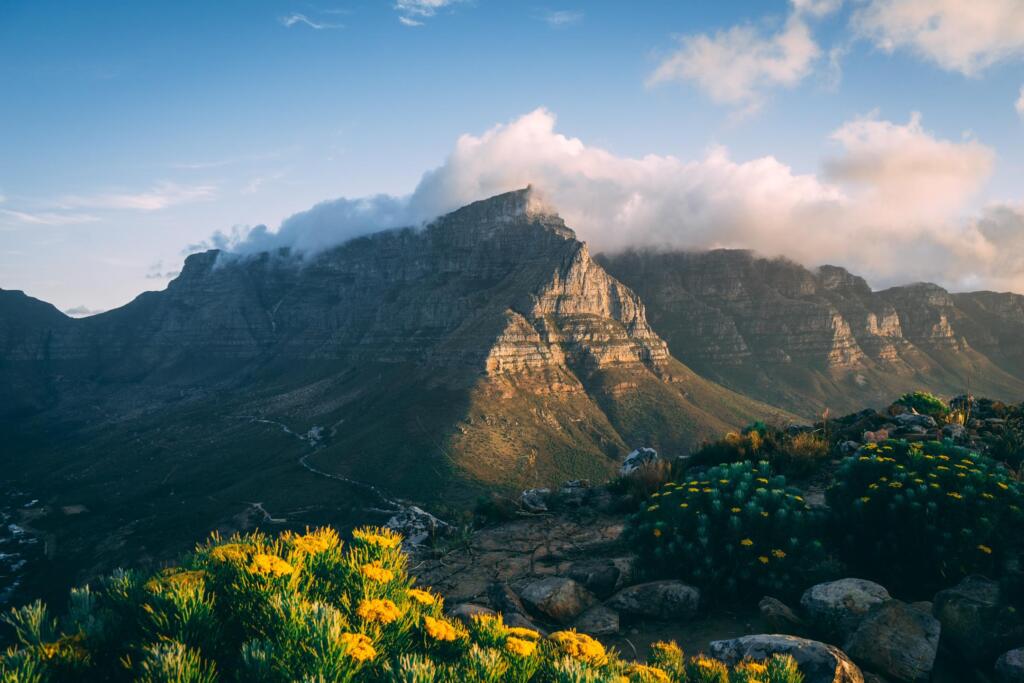
Located in South Africa’s Northern Cape, Tswalu Kalahari is the country’s largest privately protected reserve, spanning 271,815 acres of remote wilderness defined by scale, solitude and conservation. Set against the backdrop of the Korannaberg mountains, red dunes and open savannahs, Tswalu feels entirely different from traditional Big Five destinations.
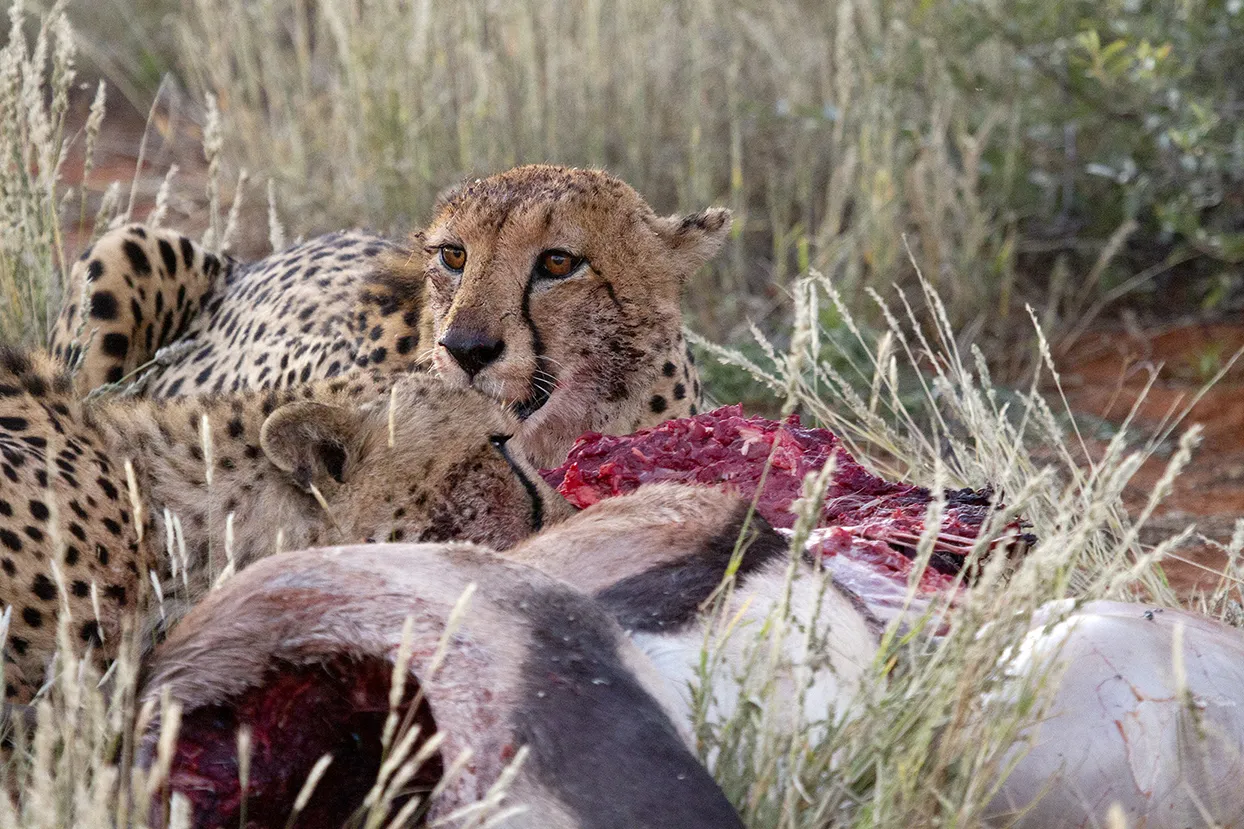
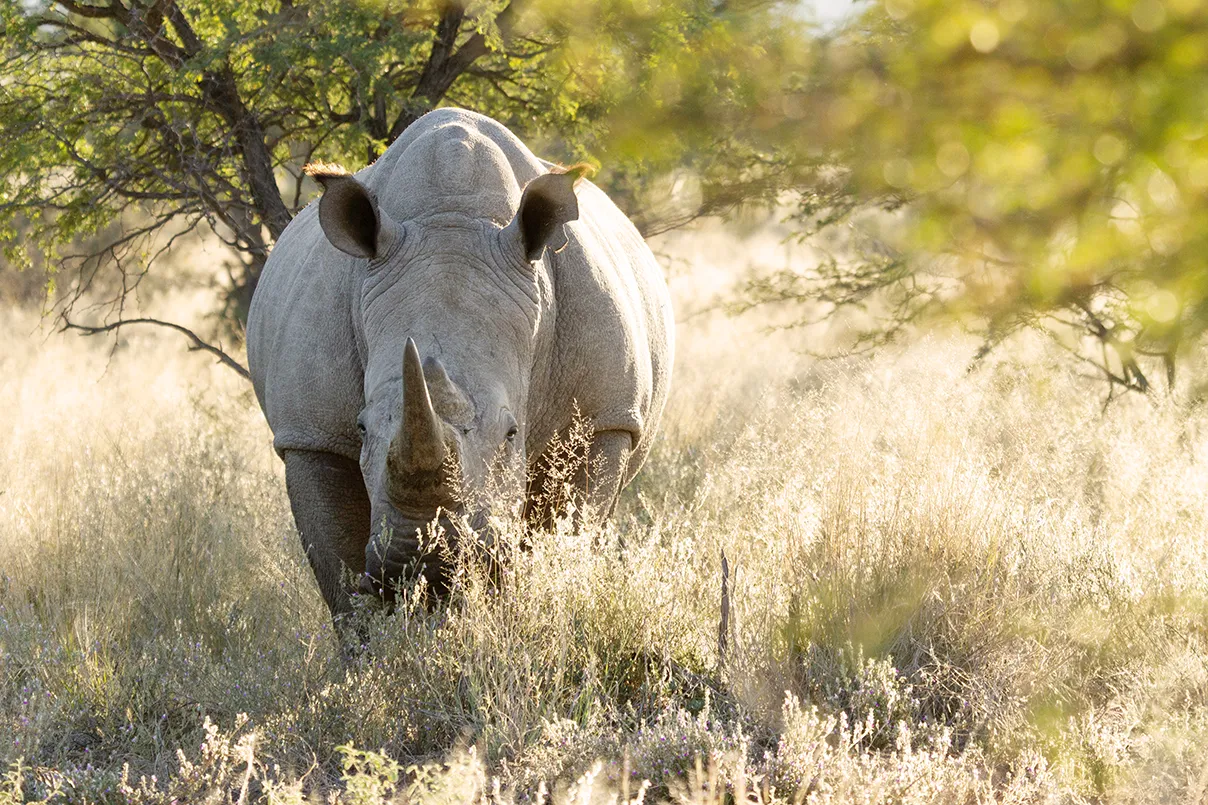
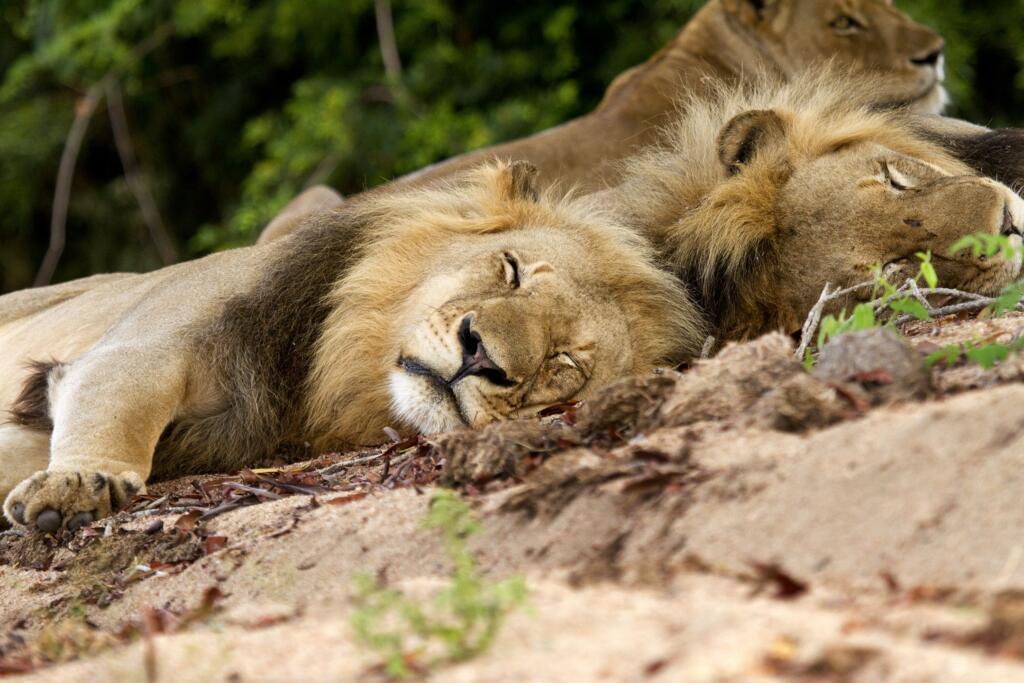
This is a place for rare and desert-adapted wildlife. Black-maned Kalahari lions, cheetah, brown hyena and oryx move across the landscape, alongside leopard, buffalo and black rhino, with the added possibility of elusive species such as pangolin, aardvark and even wild dog. Encounters are often slower and more deliberate, guided by tracking and a deeper understanding of behaviour rather than rushing between sightings.
A defining part of the Tswalu experience is privacy. Each booking includes a private vehicle, guide and tracker, allowing you to explore the reserve entirely at your own pace. Accommodation is centred around intimate lodges such as The Motse, where understated luxury and thoughtful design reflect the surrounding landscape.
Tswalu is also one of Africa’s leading conservation success stories, where degraded farmland has been carefully restored into a thriving wilderness. The reserve places strong emphasis on sustainability, research and rewilding, creating a safari that is as meaningful as it is exclusive.
Tswalu Highlights
Discover Tswalu through rare wildlife, vast open landscapes and immersive conservation-led safari experiences.
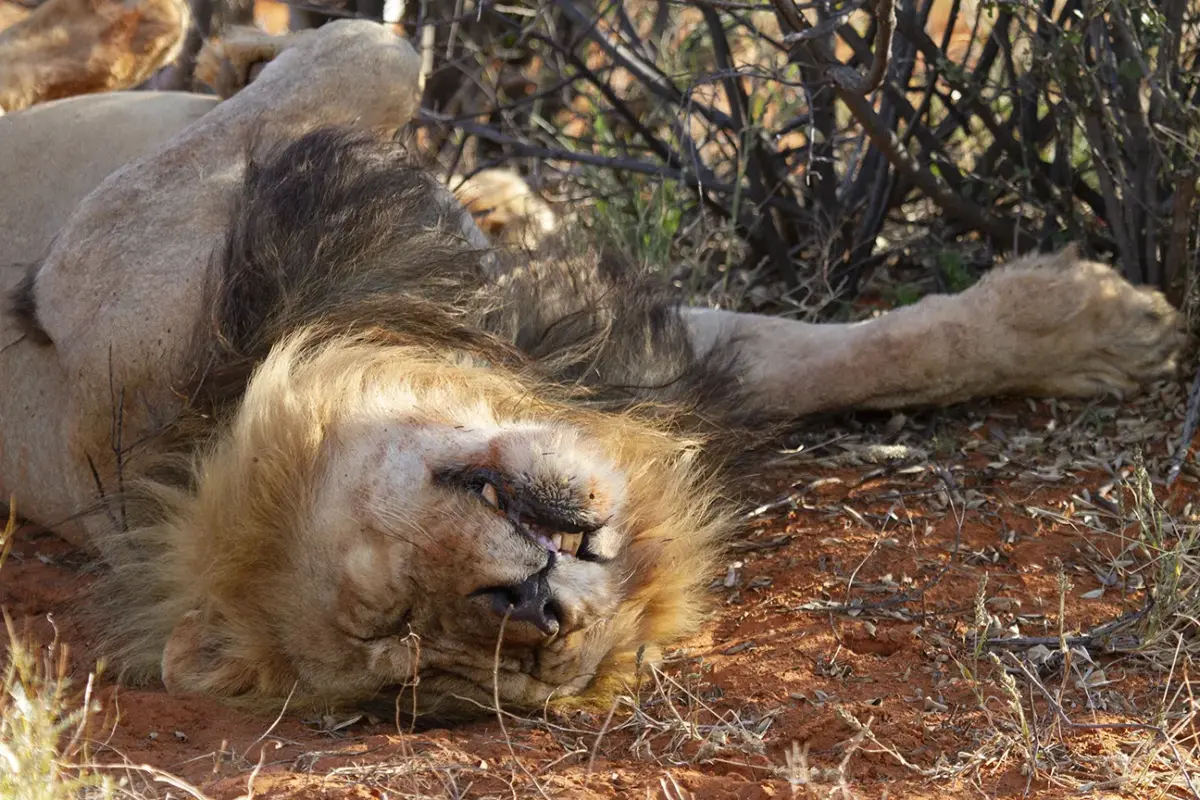
Desert-Adapted Wildlife
Search for black-maned lions, cheetah, wild dog, pangolin, aardvark and brown hyena across the Kalahari’s open plains.
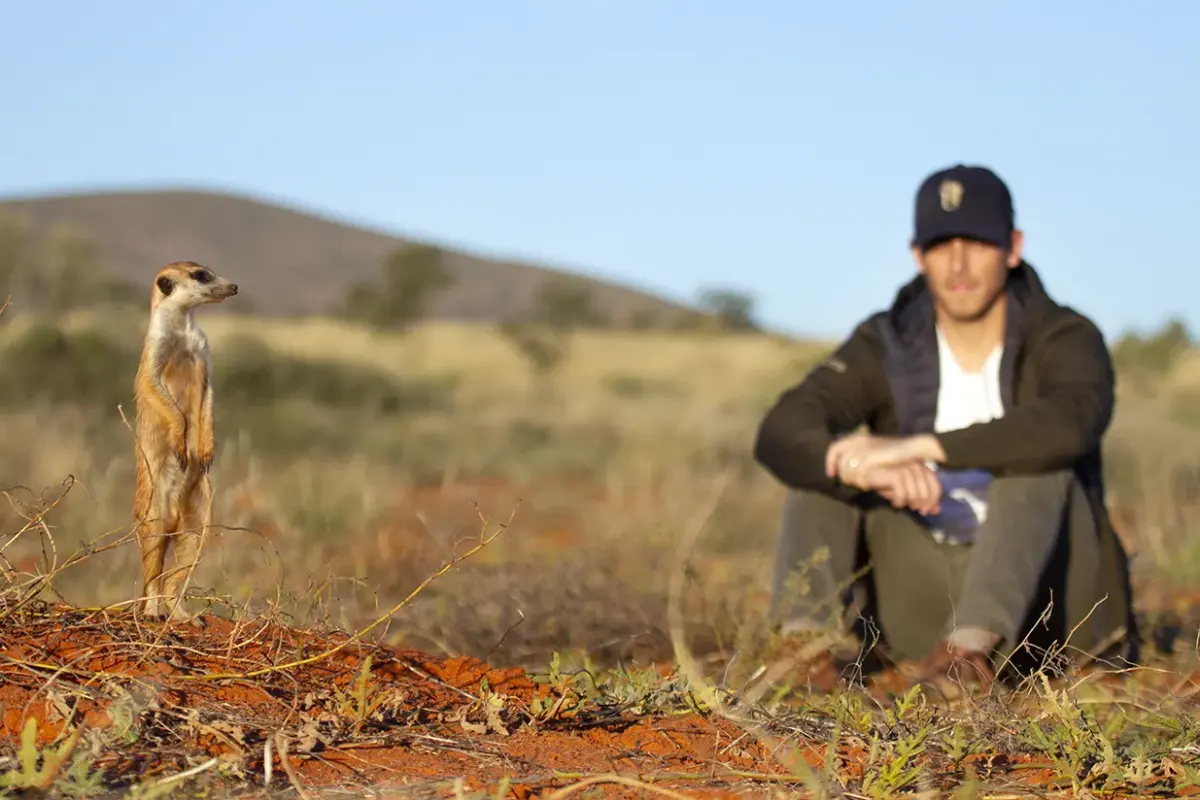
Meerkat Experiences
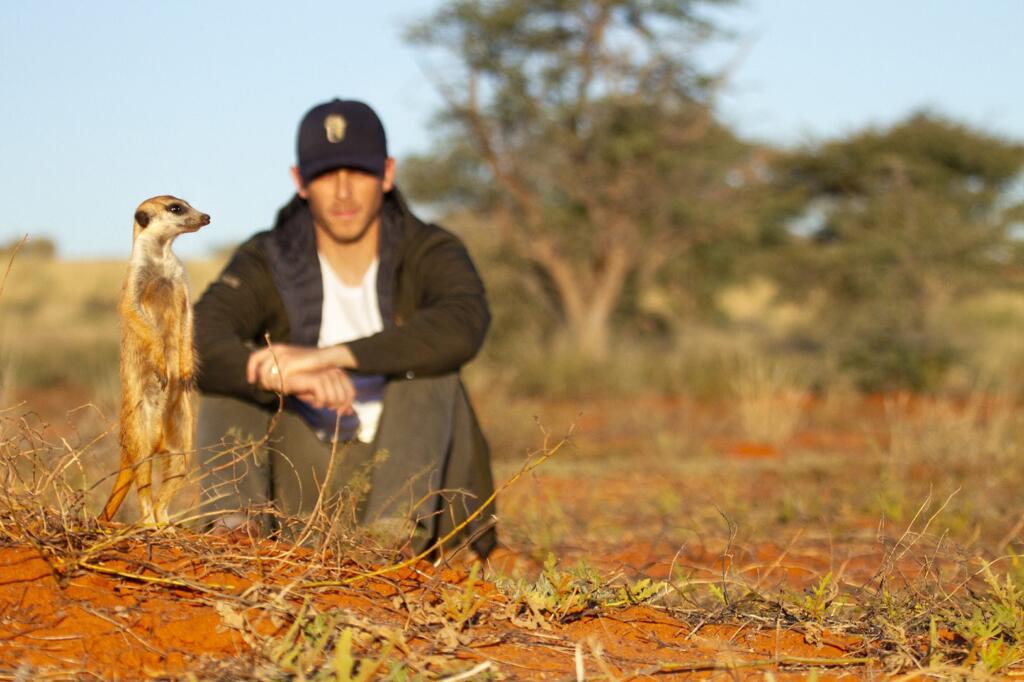
Spend time with habituated meerkat families at sunrise, one of Tswalu’s most unique and intimate wildlife moments.
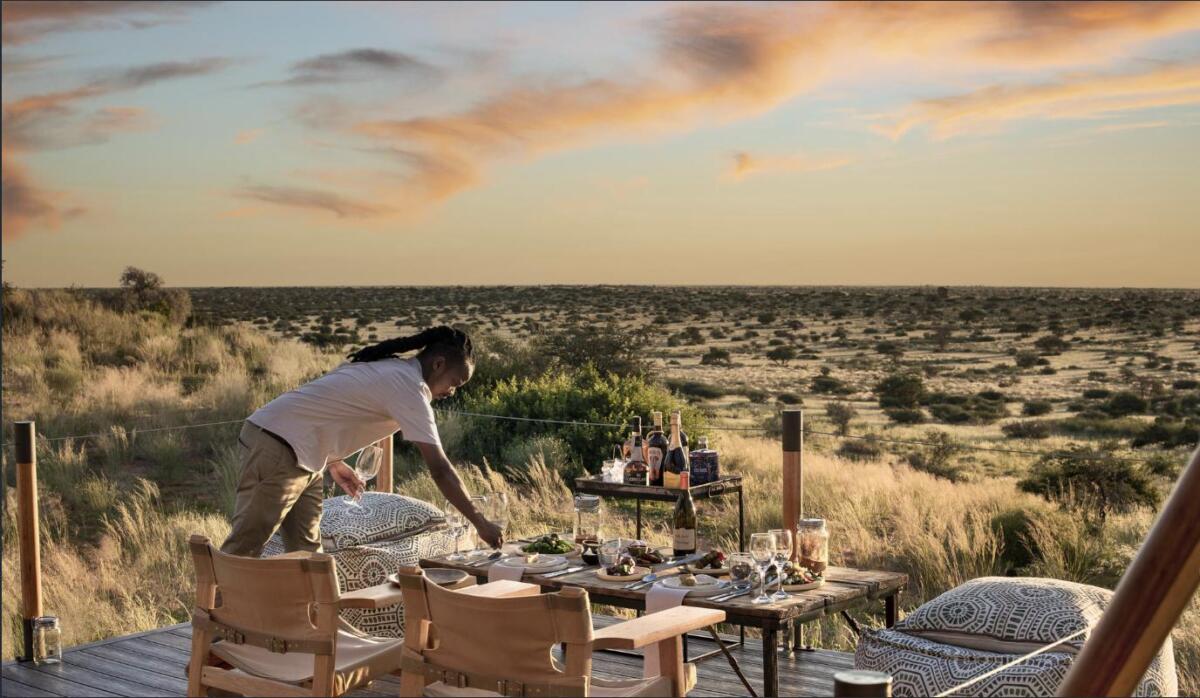
Malori Sleep-Out Experience
Tswalu’s under-canvas sleep-out set above the dunes, offering wide views across the Kalahari.
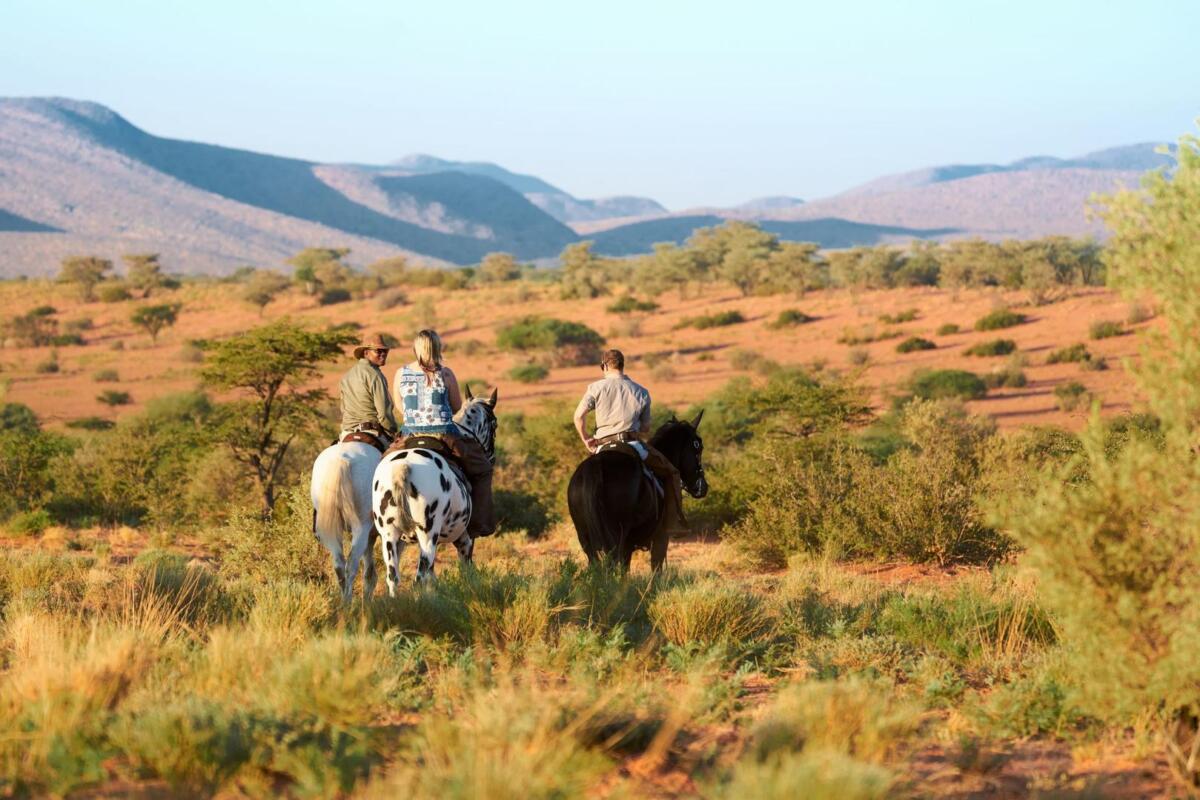
Unique Safari Experiences
Explore Tswalu on horseback, visit San rock art sites and take part in rhino notching experiences.
Ready To Plan Your Safari to Tswalu Kalahari?
Let’s start designing your luxury safari to Tswalu Kalahari. Whether you’re after adventure, relaxation, or both, we’ll tailor every detail around how you want to experience Africa – with expert guidance at every step.
Ubuntu Travel's Popular Tswalu Kalahari Safaris
The itineraries below are just a few examples of the incredible trips our travel designers could plan for you. All trips are custom-made to your needs and preferences. Speak to a travel consultant today to start planning your dream vacation.
Luxury Private Safari
Cape Town – 3 nights
Whale Coast – 3 nights
Sabi Sand Nature Reserve – 3 nights
Tswalu Kalahari – 3 night
Malaria-Free Big Five Safari
Cape Town – 3 nights
Cape Winelands – 2 nights
Madikwe Game Reserve – 4 nights
Marakele National Park – 3 nights
THE UBUNTU TRAVEL DIFFERENCE
Personalized Itineraries
Attention to detail from start to finish
Conservation Promise
Travel with a purpose
Experts in Africa
Our team of travel experts know Africa
Personalized Itineraries
Attention to detail from start to finish
Conservation Promise
Travel with a purpose
Experts in Africa
Our team of travel experts know Africa
Ready to Plan Your Luxury Safari?
Reach out today and connect with our expert team – we care about the whole journey, from your very first call to your final farewell on safari. Every itinerary is thoughtfully reviewed by our co-founders, Kyle and Leah, to reflect the kind of journey we’d take ourselves.
When is the Best Time to Visit Tswalu Kalahari
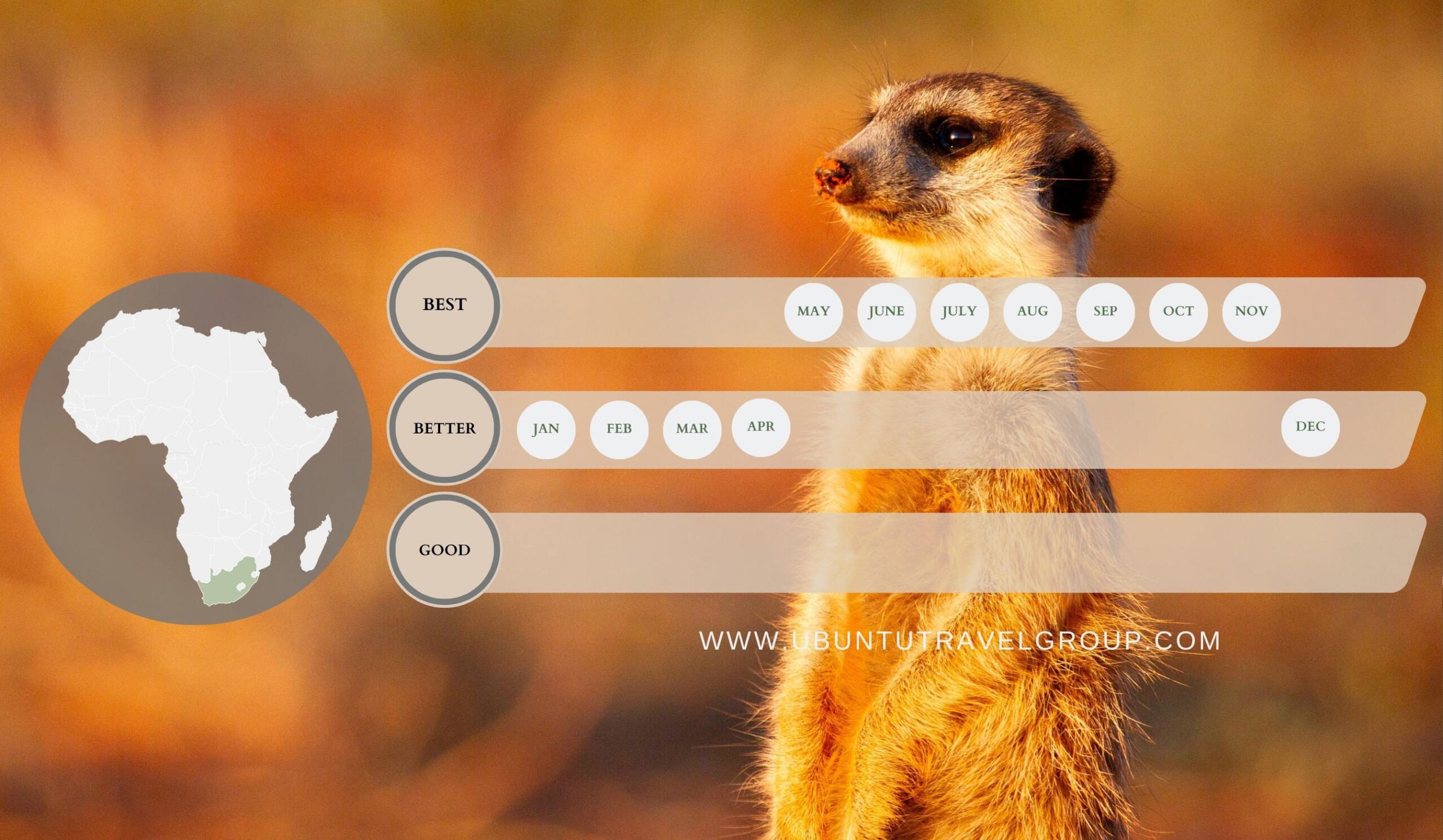
Tswalu is a true year-round destination, with each season offering a distinct perspective on the Kalahari. At any time of year, photographers are drawn to the region’s dramatic skies, shifting colours and exceptional light clarity. Seasonal changes here are less about “better or worse” and more about how the landscape and animal behaviour evolve.
Summer / Green Season (November to March): Summer brings heat, energy and dramatic skies. Temperatures are warmer, often building into spectacular afternoon thunderstorms that may roll across the reserve without rain or deliver short, localised showers.
This is a time of new life. Young antelope find their footing, jackal pups begin to explore and the landscape feels active and unpredictable. The contrast between dark skies and red dunes creates some of the most striking photographic conditions of the year.
Winter (May to September): Winter is the dry season, defined by crisp mornings, clear blue skies and golden grasses as the landscape dries out. Temperatures can drop below freezing overnight, but days are typically mild and comfortable.
Wildlife tracking becomes more consistent as vegetation thins, and nocturnal species such as aardvark and porcupine are more likely to be seen emerging earlier, drawn out by the warmth of the afternoon sun.
Shoulder Season (April to May and September to October): These transition months offer a balanced and rewarding time to visit, with milder temperatures and shifting landscapes between seasons.
- In autumn (April to May), the last of the summer rains fade, leaving the savannah green and alive. Wildlife activity remains strong, with the impala rut reaching its peak and the sounds of clashing horns carrying across the plains.
- In spring (September to October), temperatures begin to rise and the landscape prepares for the return of the rains. Young meerkats start venturing from their burrows, and there is a noticeable increase in wildlife activity as the season builds.
Tswalu Kalahari FAQs
What makes Tswalu different from other South African safaris?
Tswalu offers a more private and conservation-led safari experience, focused on space, flexibility and rare wildlife rather than high-density Big Five sightings. Every booking includes a private vehicle, guide and tracker, allowing you to explore the reserve entirely at your own pace.
The reserve is known for its desert-adapted species, including black-maned lions, cheetah, aardvark, pangolin and brown hyena, along with one of the most authentic meerkat experiences in Africa. It is also located in a malaria-free region, making it an easy and accessible safari option.
With one of the lowest bed-to-land ratios in South Africa, Tswalu offers a level of privacy and personal freedom that is increasingly rare. For many travellers, it represents one of the most exclusive and uncrowded safari experiences in the country.
Can you see the Big Five at Tswalu?
Tswalu Kalahari is home to four of the Big Five, including lion, leopard, buffalo and black rhino. Elephant are not found in this region, but the reserve offers exceptional sightings of other rare species.
Is Tswalu good for families?
Yes. Tswalu is very well suited to families, particularly those looking for a private and flexible safari experience. Each booking includes a private vehicle, guide and tracker, allowing your family to explore the reserve entirely at your own pace.
For those wanting complete exclusivity, private-use villas such as Tarkuni and Loapi are designed for families and small groups, with dedicated staff, tailored activities and full privacy. This setup makes Tswalu one of the most comfortable and adaptable safari options for multi-generational travel.
What wildlife is Tswalu best known for?
Tswalu is best known for its desert-adapted wildlife, with a focus on species that are rarely seen in other South African safari regions. Guests can encounter black-maned Kalahari lions, cheetah, brown hyena and the possibility of elusive species such as wild dogs, pangolin and aardvark, alongside one of the most authentic meerkat experiences in Africa.
The reserve is also home to a strong range of antelope, including sable, roan and springbok, species not typically seen in the Sabi Sand or Kruger region. These open Kalahari landscapes support a different style of wildlife viewing, with sightings often centred around behaviour and tracking rather than density.
Birdlife is equally rewarding, with species such as kori bustard, secretarybird and raptors commonly seen across the plains.
How many nights should I spend at Tswalu?
Given the size of the reserve, its diverse habitats and the variety of experiences on offer, we recommend at least three nights at Tswalu. This allows enough time to explore different areas of the reserve, enjoy a mix of game drives, walking or horseback safaris, and focus on tracking rarer species.
When we visited, Kyle spent two nights at Tswalu and felt like he was only just getting started by the time it was time to leave.
Longer stays work particularly well here, as the experience is slower and more flexible, with private vehicles allowing you to shape each day around your interests.
What is the meerkat experience like at Tswalu?
The meerkat experience at Tswalu is one of the most authentic and well-managed wildlife encounters in South Africa. Before approaching the family, your guide will brief you on how to move respectfully and what to expect, ensuring minimal impact on their natural behaviour.
Once you are settled nearby, the meerkats largely ignore your presence and continue with their routine, emerging from their burrows, scanning for predators and foraging across the Kalahari. The experience is interpretive rather than staged, with guides explaining behaviour and placing it within the wider ecosystem.
When we visited, we spent around 45 minutes with the family before heading off to a nearby cheetah sighting, a reminder that this is still a wild environment where anything can happen. It’s a simple but memorable experience, and far more natural than many people expect.