
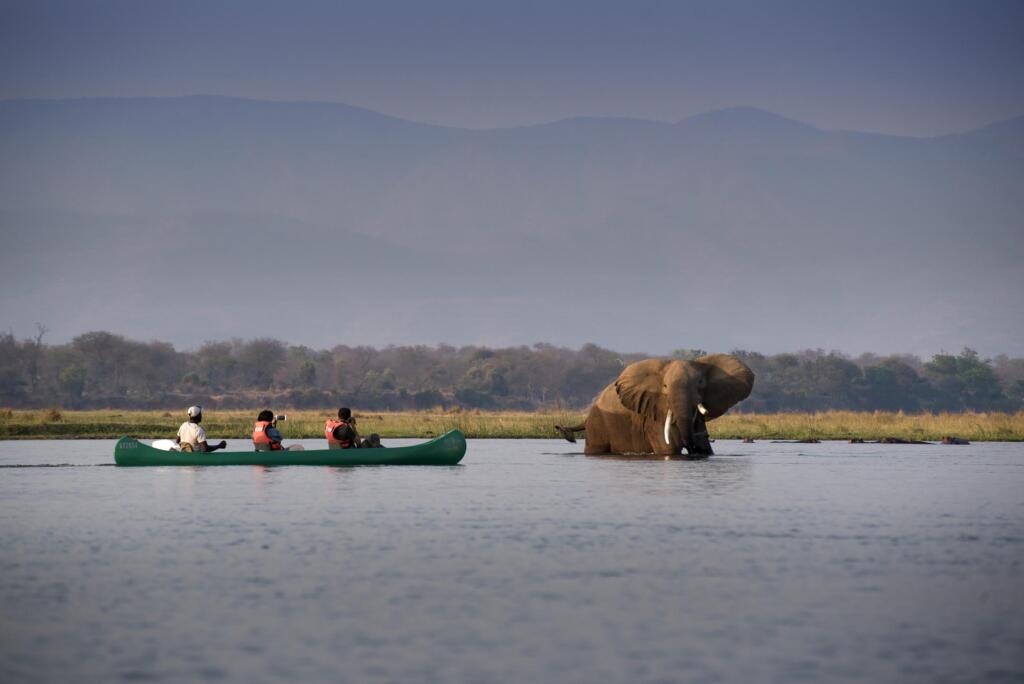
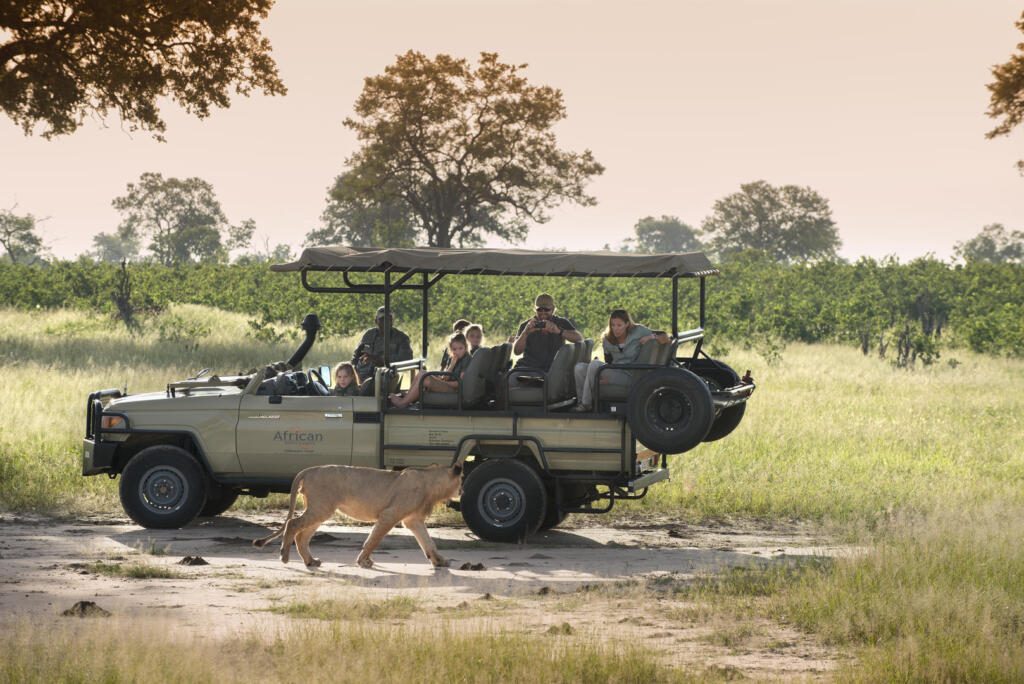
Where Space, Wildlife and Elephants Define the Experience
Hwange National Park spans more than 3.5 million acres, making it Zimbabwe’s largest and most important wildlife reserve. This vast landscape feels truly expansive, with mopane woodlands, open grasslands and seasonal pans supporting over 100 mammal species and more than 400 bird species.
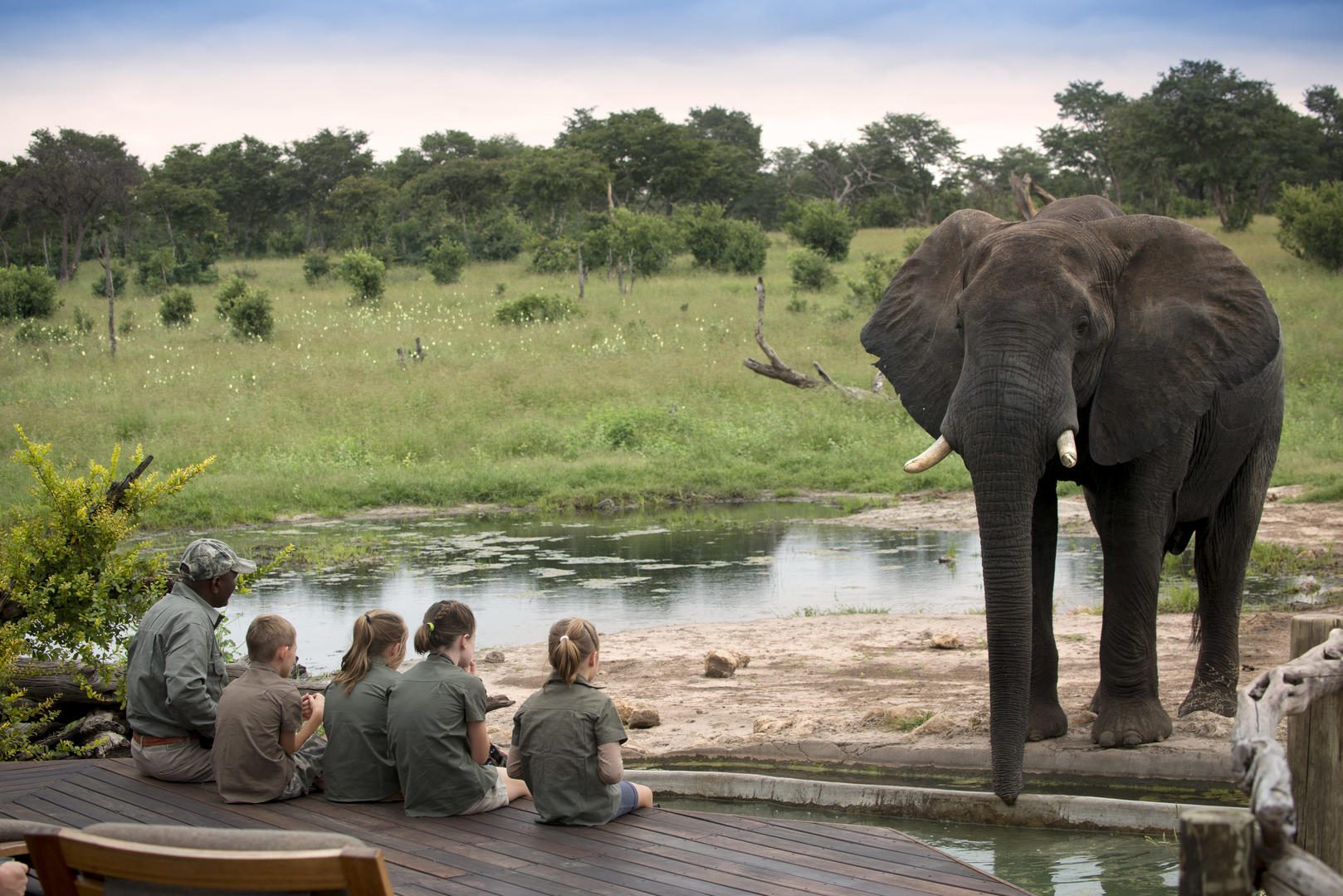
Hwange is best known for its exceptional elephant population, with an estimated 40,000 elephants, one of the largest concentrations in Africa. Large herds of buffalo move steadily across the plains, lion prides are frequently encountered and predators such as wild dog and cheetah add to the depth of the experience. In the summer months, the Ngamo Plains come to life, often referred to as the Serengeti of Hwange, where open grasslands attract impressive numbers of wildlife and create some of the park’s most rewarding sightings.
Hwange National Park Safari Highlights
Discover Hwange through photographic hides, exceptional guiding, walking safaris and rewarding predator encounters.
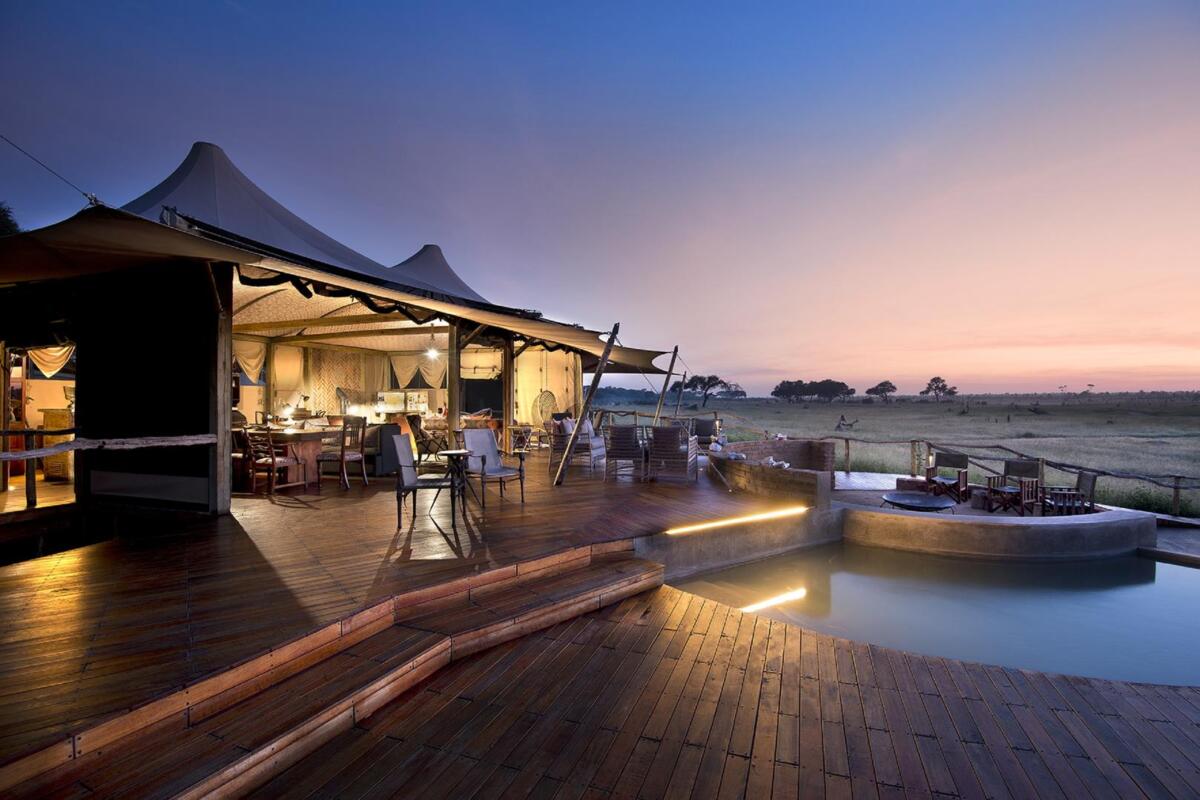
Luxury Safari Lodges
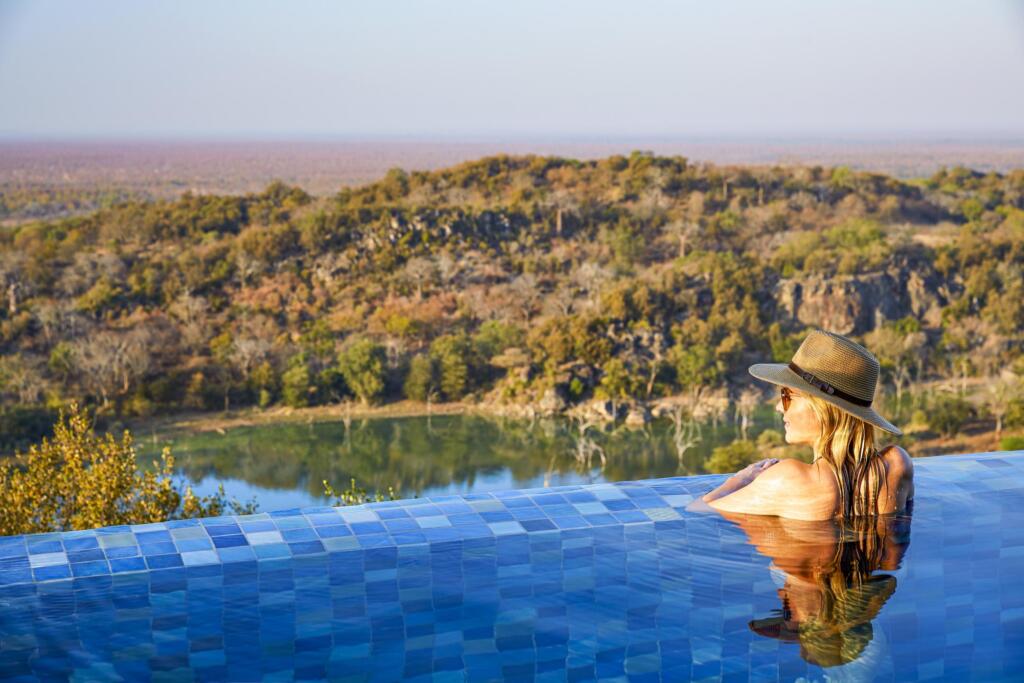
Stay in intimate camps with expert, interpretive guiding that brings Hwange’s wildlife and landscapes to life.
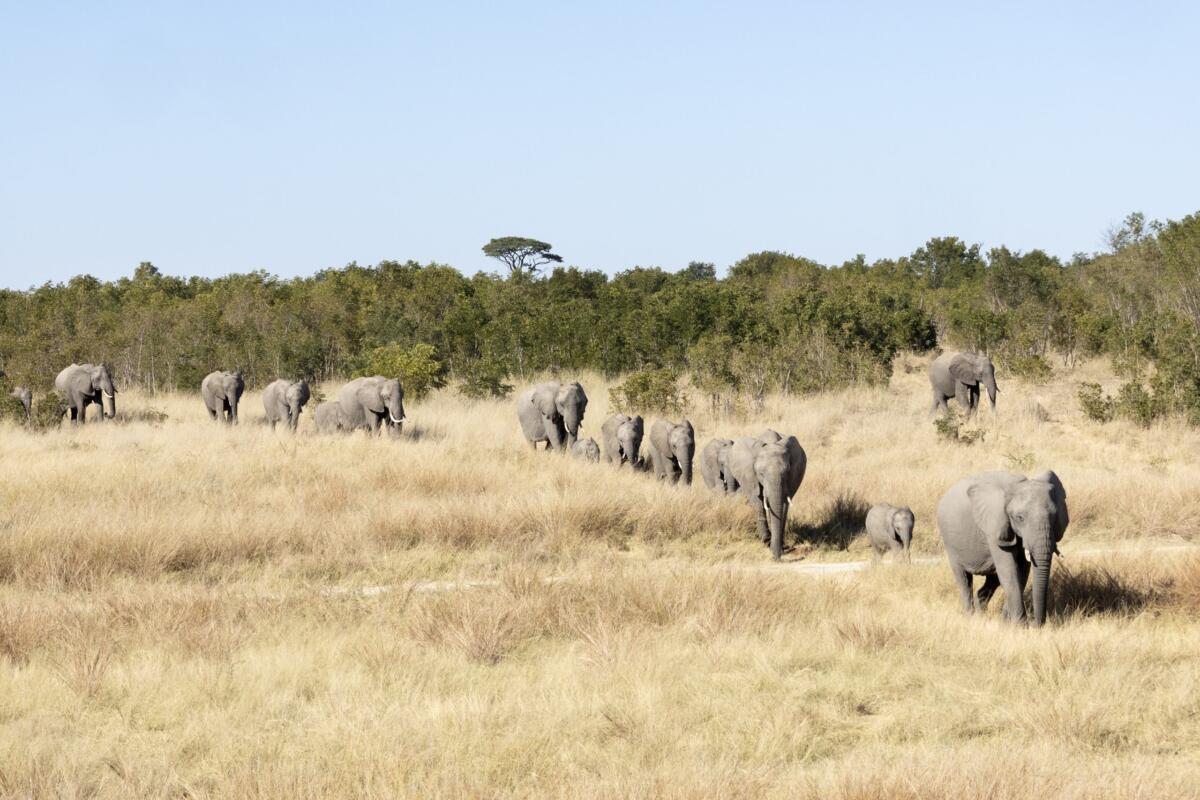
Large Elephant Herds
Experience one of Africa’s largest elephant populations, with herds often gathering in impressive numbers around Hwange’s waterholes.
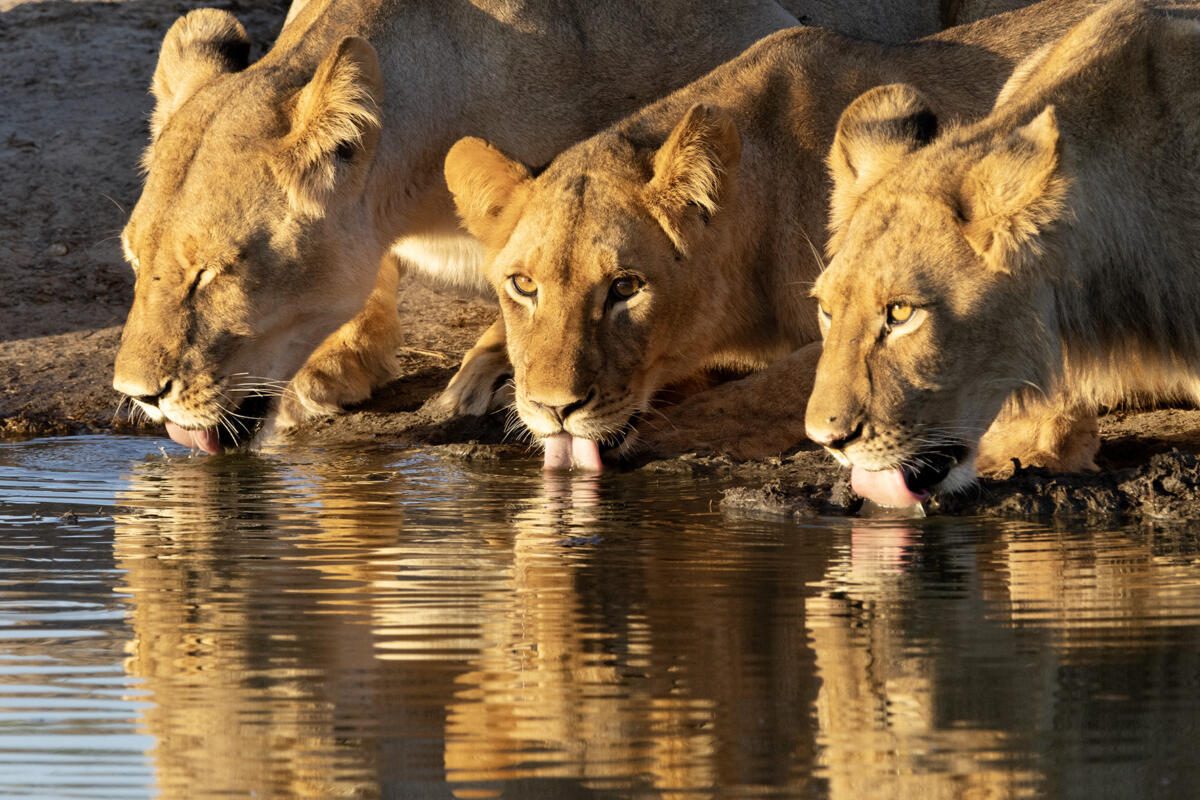
Predator Viewing
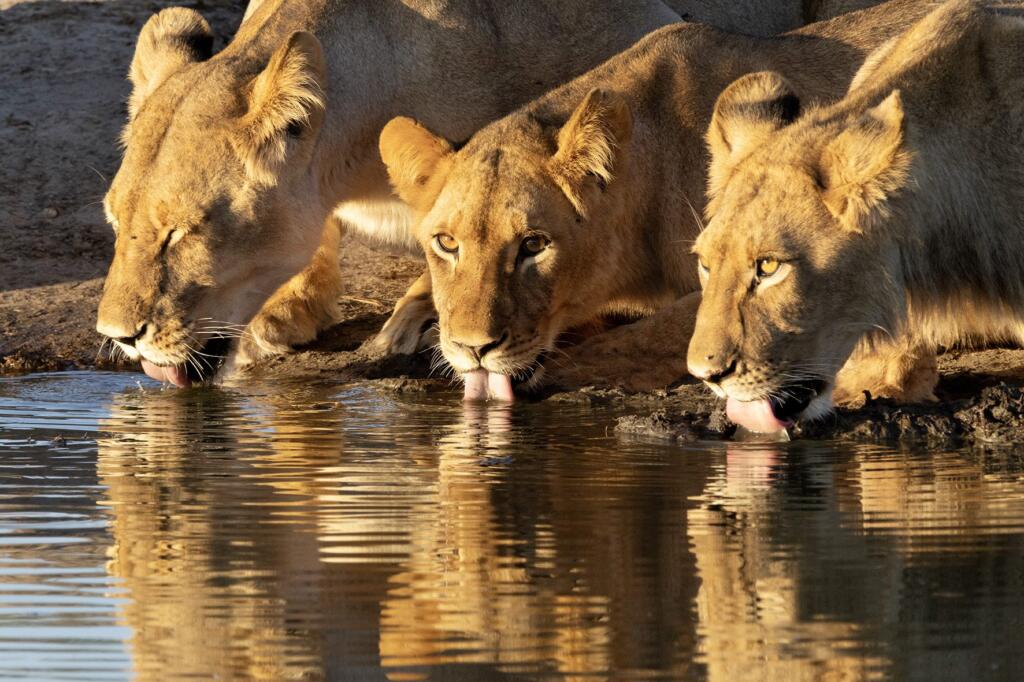
See large lion prides alongside cheetah and the occasional wild dog, especially during the dry season when wildlife concentrates.
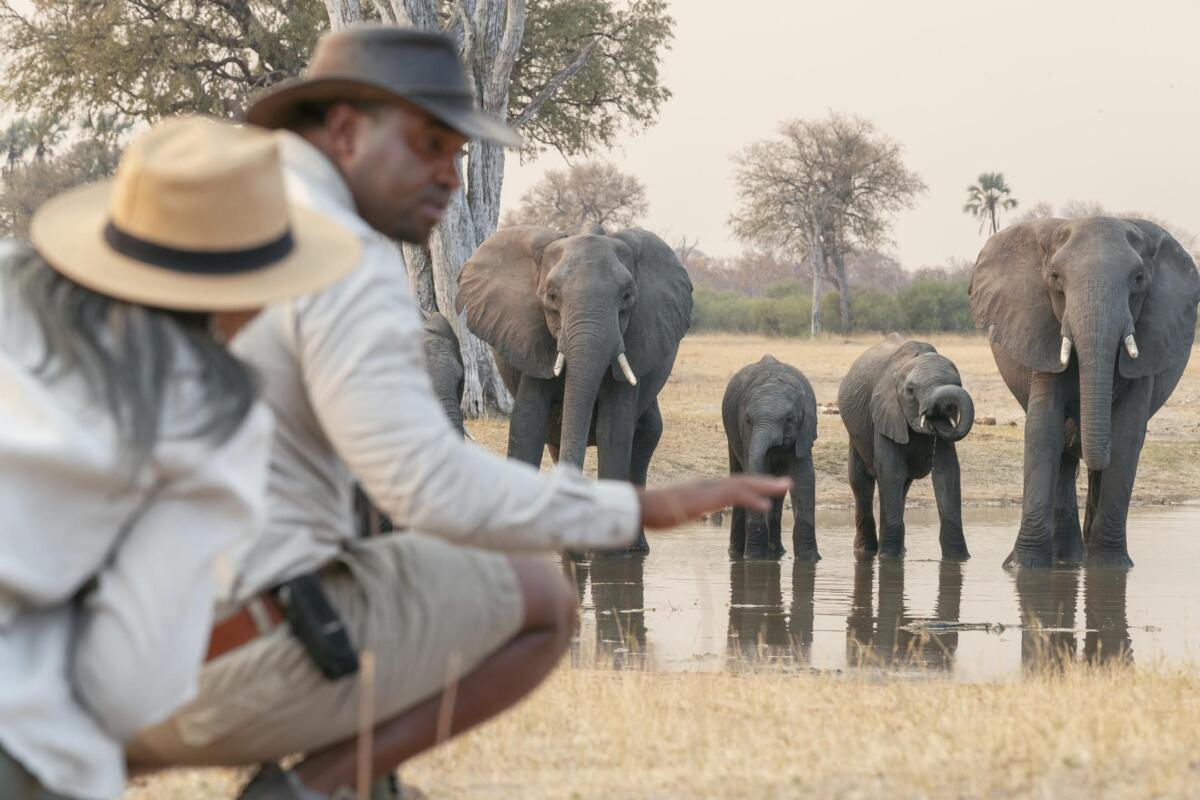
Walking Safaris
Explore Hwange on foot with expert guides, offering a rare opportunity to experience elephants and other wildlife from ground level.
Ready To Plan Your Safari in Hwange National Park?
Let’s start designing your luxury Zimbabwe safari. Whether you’re after adventure, relaxation, or both, we’ll tailor every detail around how you want to experience Africa – with expert guidance at every step.
Ubuntu Travel's Popular Sabi Sand Safaris
The itineraries below are just a few examples of the incredible trips our travel designers could plan for you. All trips are custom-made to your needs and preferences. Speak to a travel consultant today to start planning your dream vacation.
Victoria Falls, Hwange, and Lake Kariba Safari
Victoria Falls – 3 nights
Hwange National Park – 3 nights
Lake Kariba at Bumi Hills – 3 nights
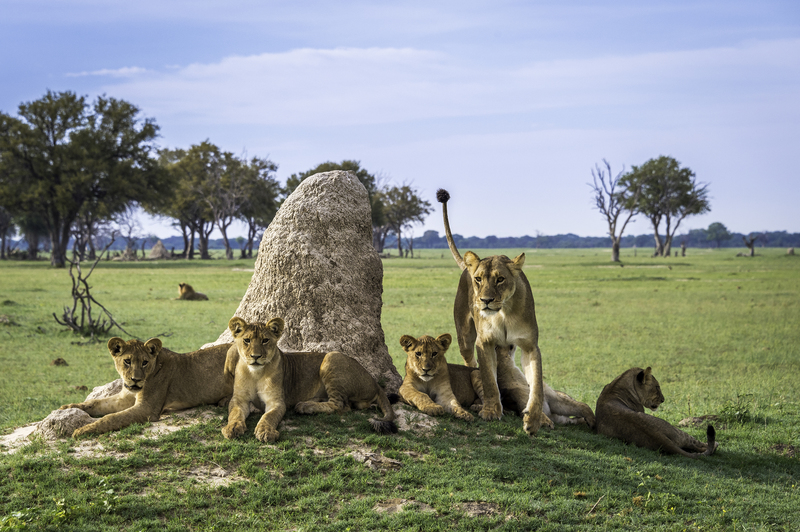
Essential Luxury Zimbabwe
Johannesburg – 1 night
Victoria Falls – 3 nights
Hwange National Park – 3 nights
Mana Pools – 3 nights
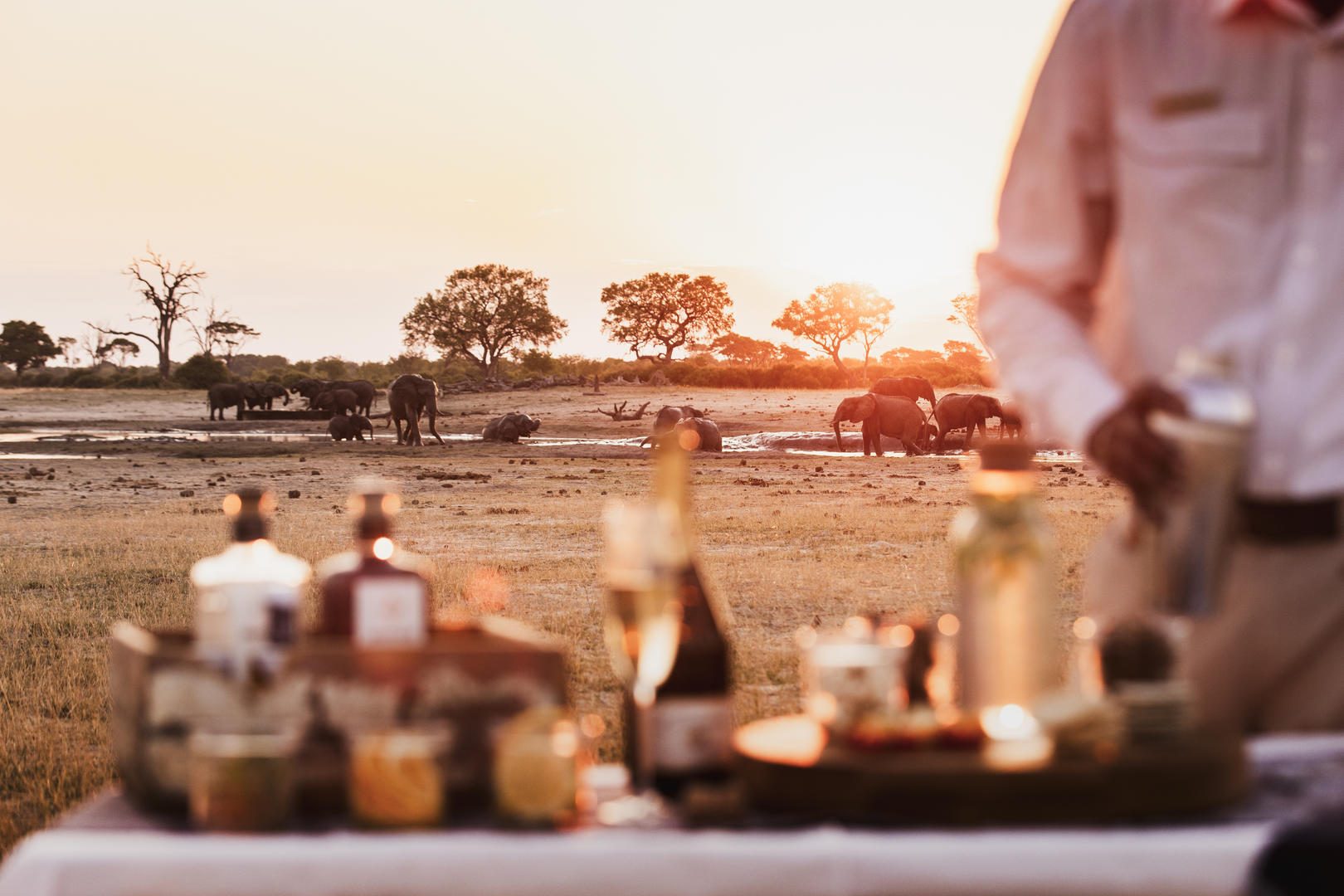
The Ultimate Zimbabwe Safari
Johannesburg – 1 night
Victoria Falls – 2 nights
Hwange National Park – 3 nights
Mana Pools – 3 nights
Lake Kariba, Bumi Hills – 2 nights
THE UBUNTU TRAVEL DIFFERENCE
Personalized Itineraries
Attention to detail from start to finish
Conservation Promise
Travel with a purpose
Experts in Africa
Our team of travel experts know Africa
Personalized Itineraries
Attention to detail from start to finish
Conservation Promise
Travel with a purpose
Experts in Africa
Our team of travel experts know Africa
Ready to Plan Your Zimbabwe Safari?
Reach out today and connect with our expert team – we care about the whole journey, from your very first call to your final farewell on safari. Every itinerary is thoughtfully reviewed by our co-founders, Kyle and Leah, to reflect the kind of journey we’d take ourselves.
FAQs About Hwange National PArk
When is the best time to visit Hwange National Park?
Hwange is a rewarding safari destination year round, with each season offering a different experience depending on what you want to see.
The dry season from July to October is best for consistent wildlife viewing. As water becomes scarce, animals gather around Hwange’s network of pumped waterholes, creating excellent sightings of large elephant and buffalo herds, along with increased predator activity.
The green season from November to April transforms the park into a lush, vibrant landscape with fewer vehicles and exceptional birdlife. The Ngamo Plains are particularly rewarding at this time, attracting high densities of wildlife and offering beautiful photographic conditions with dramatic skies and open grasslands.
Both seasons offer something unique, making Hwange one of Southern Africa’s most versatile safari destinations.
Why is Hwange known for elephants?
Hwange is home to one of Africa’s largest elephant populations, with an estimated 40,000 elephants across the park. During the dry season, many of these herds gather around Hwange’s network of pumped waterholes, creating some of the most impressive elephant sightings on the continent.
These waterholes are maintained to support wildlife in the absence of permanent rivers, making them a defining feature of the Hwange safari experience and a key reason the park supports such large numbers of elephants.
How does Hwange compare to Kruger or Chobe?
When we visited Hwange, what stood out most was the sense of space. The park feels vast, wild and quietly immersive, with a slower pace and far fewer vehicles, especially in the public areas.
Hwange offers a more authentic and less commercial safari experience than Kruger, which is larger and more developed with a higher volume of visitors. In Hwange, sightings often feel more private, and the focus is strongly on guiding, tracking and time spent in the wilderness.
Compared to Chobe, which is known for its riverfront and large concentrations of wildlife along the Chobe River, Hwange offers more varied landscapes and a deeper, more traditional safari feel away from busier areas.
All three destinations are exceptional, but Hwange is particularly well suited to travellers looking for space, and a more understated, immersive safari experience.
How many nights should I spend in Hwange?
Most travellers spend two to three nights in Hwange, which allows time to explore different areas of the park and experience both game drives and walking safaris.
Longer stays of three to four nights are ideal for travellers who want to slow down, enjoy photographic hides and fully experience the diversity of Hwange’s landscapes and wildlife. If budget allows, we recommend splitting this time between two different lodges to experience varied habitats, guiding styles and waterhole activity.