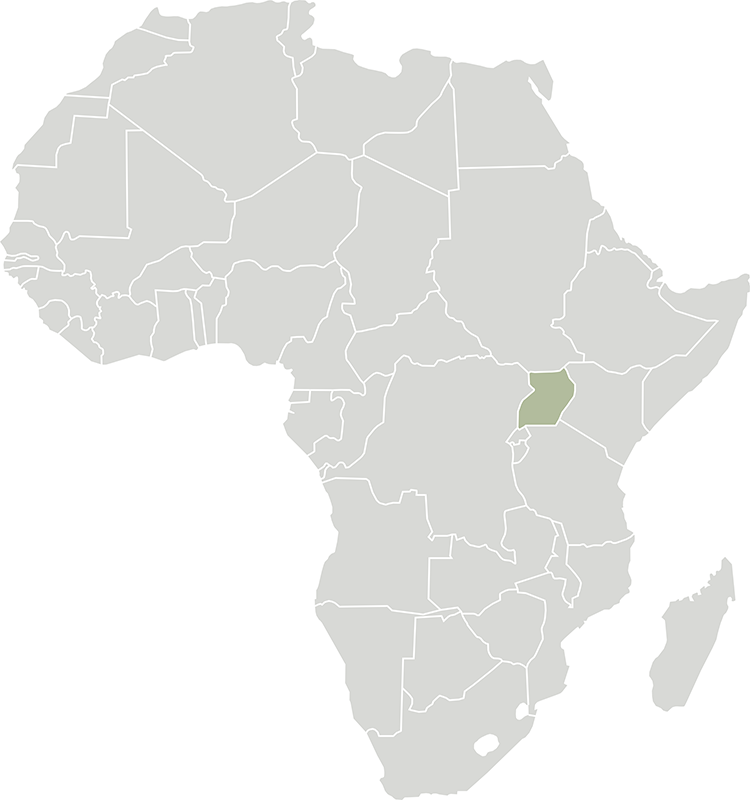
Map, Uganda

Tailor-made journeys through Uganda’s wild heart. Trek with mountain gorillas in Bwindi, track chimpanzees in Kibale, cruise beneath Murchison Falls and explore meaningful cultural connections along the way.

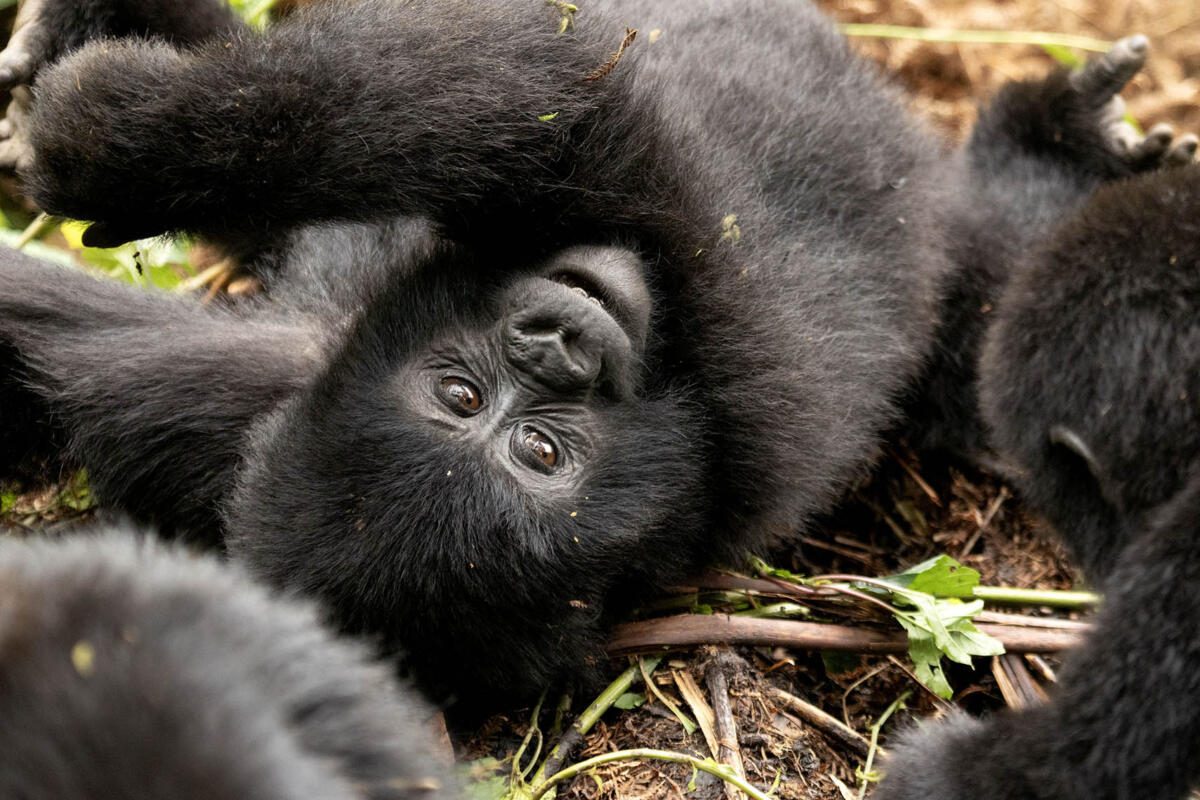
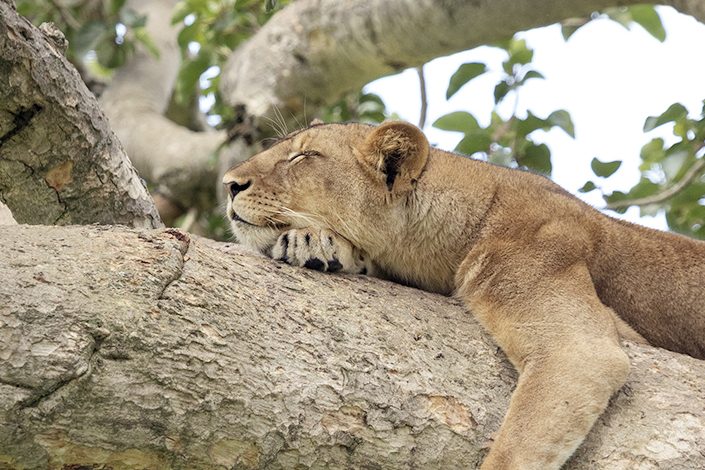
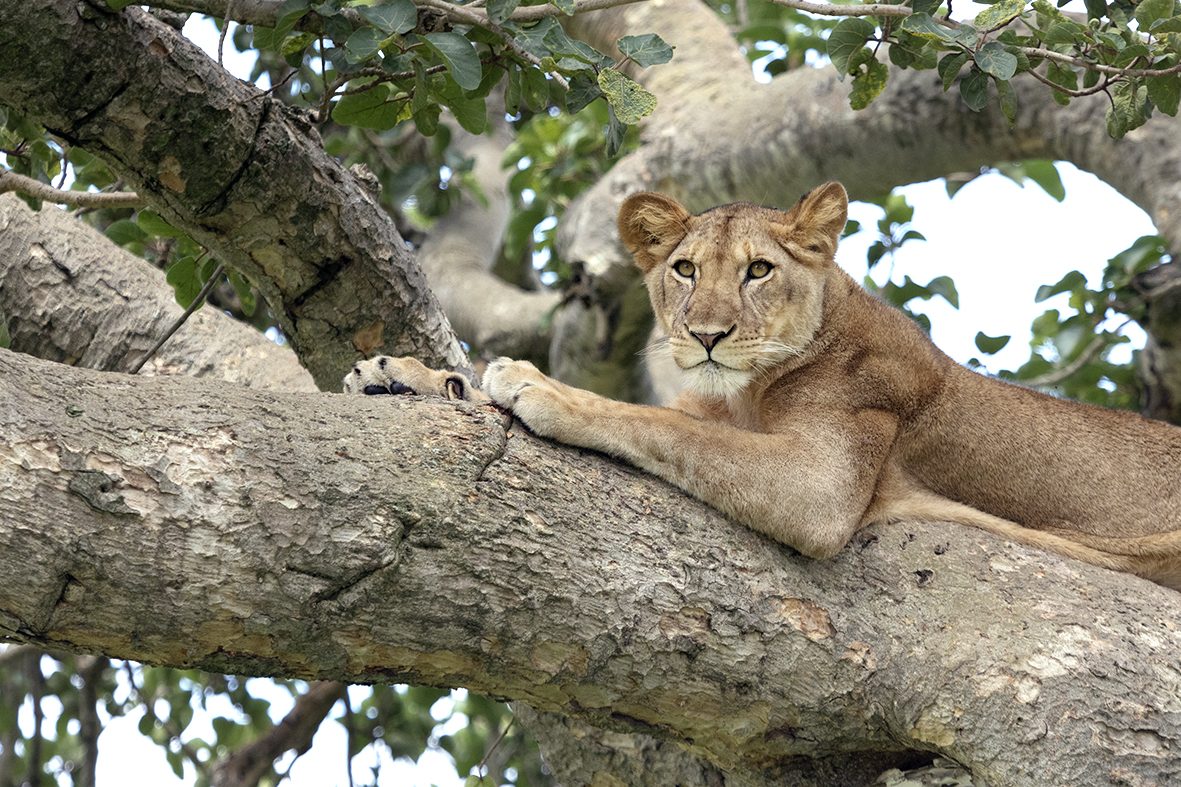
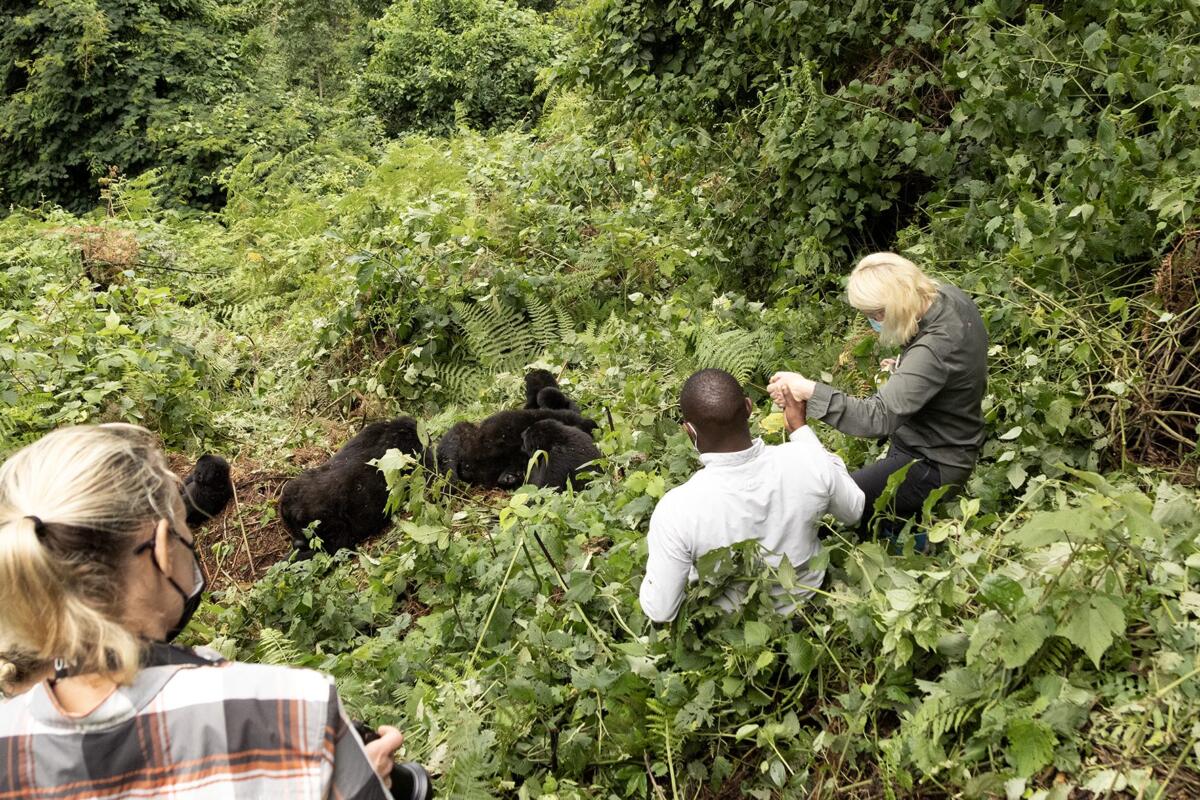
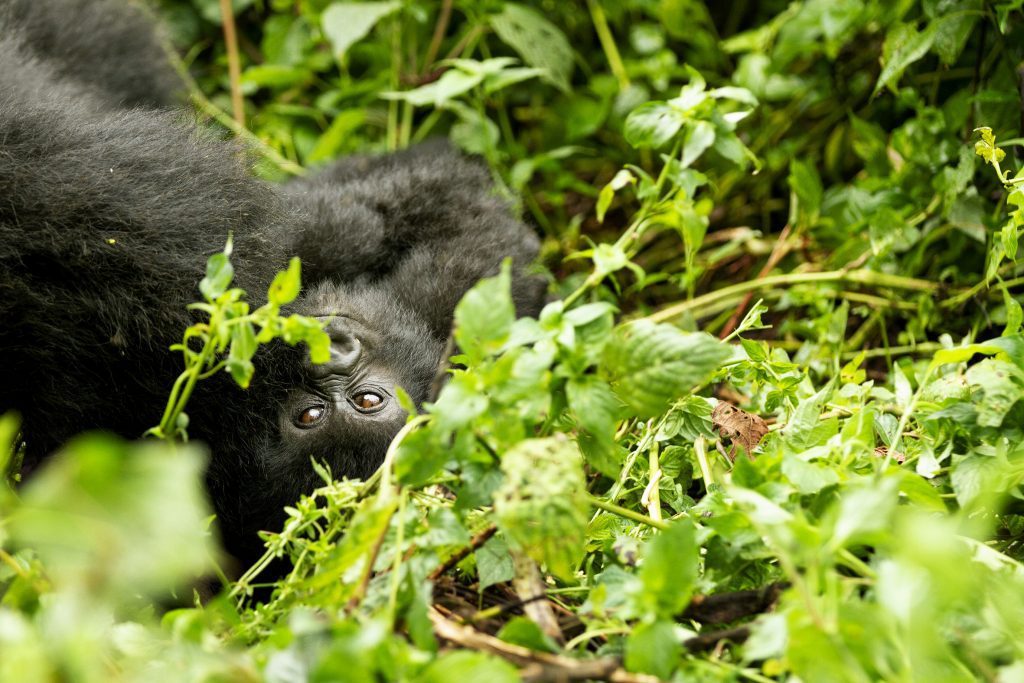
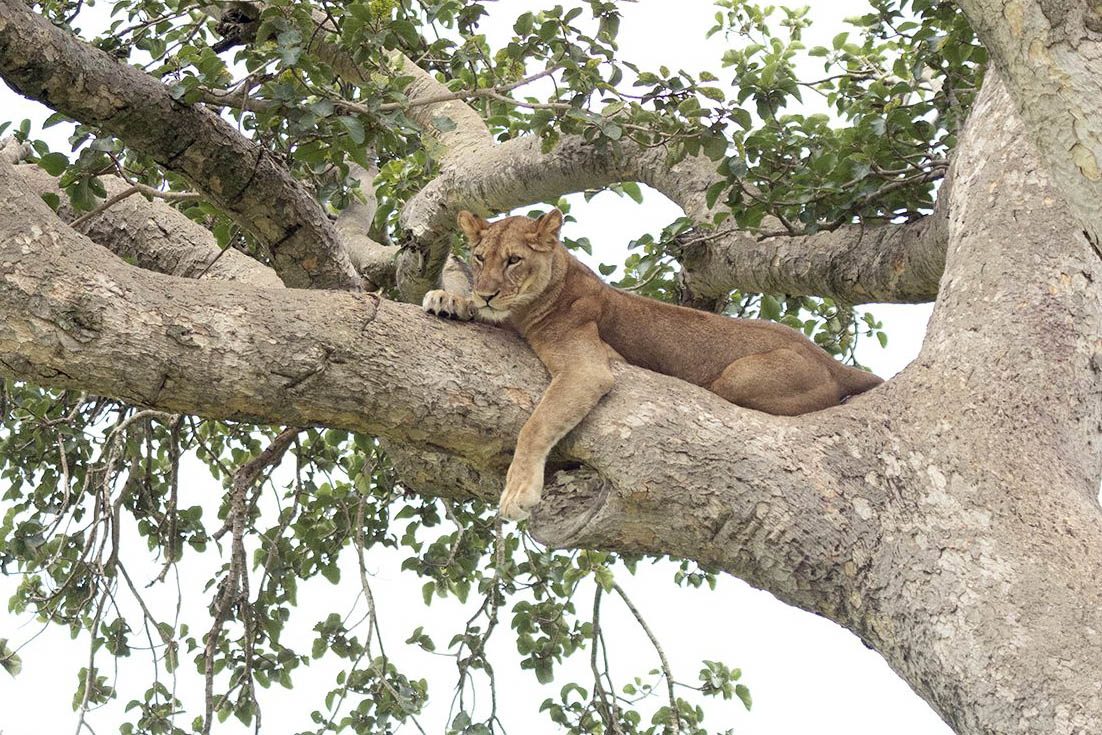
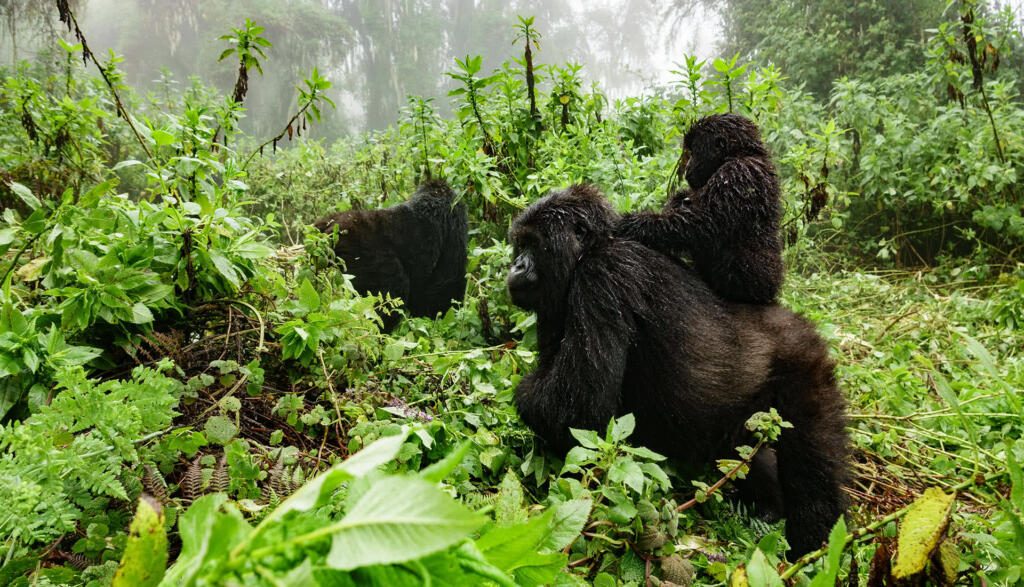
Uganda is one of Africa’s most underrated safari destinations, home to more than half of the world’s mountain gorillas and offering remarkable primate encounters, dramatic landscapes and far fewer crowds than many of its East African neighbors. From the misty montane forests of Bwindi to the tree-climbing lions of Queen Elizabeth National Park, every region offers something different.

But there’s more than wildlife. Uganda’s crater lakes, forested volcanoes and the snow-capped Rwenzori Mountains create spectacular backdrops, while our journeys also include opportunities to engage with community-driven initiatives, including our longstanding partnership with Love One International in Masindi.

Whether you’re looking for a classic Uganda safari circuit or something more off the beaten track, Uganda combines authenticity, diversity and extraordinary wildlife encounters in a way few destinations can.

Let's Plan Your Uganda Safari

Whether you’re after adventure, relaxation or both, we’ll tailor every detail around how you want to experience Uganda.

THE UBUNTU TRAVEL DIFFERENCE

destination-90x90

Personalized Itineraries

Attention to detail from start to finish

ecology-90x90

Conservation Promise

Travel with a purpose

africa-90x90

Experts in Africa

Our team of travel experts know Africa

destination-90x90

Personalized Itineraries

Attention to detail from start to finish

ecology-90x90

Conservation Promise

Travel with a purpose

africa-90x90

Experts in Africa

Our team of travel experts know Africa

Ready to Plan your Uganda Safari?

Reach out today and connect with our expert team – we care about the whole journey, from your very first call to your final farewell on safari. Every itinerary is thoughtfully designed by our co-founders, Kyle and Leah, to reflect the kind of journey we’d take ourselves.

When is the Best Time to Visit Uganda?

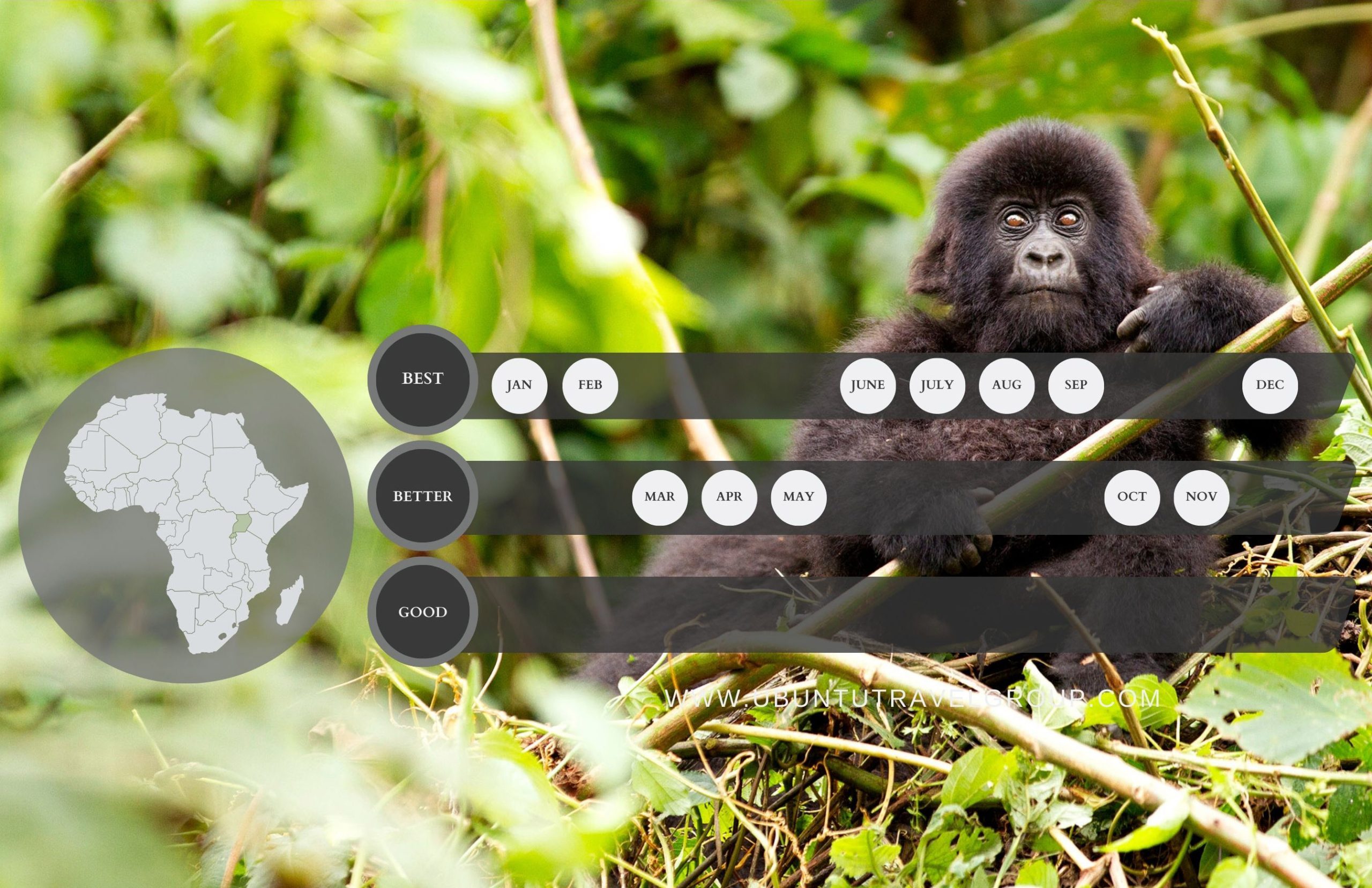
Uganda is a fantastic year-round safari destination, but your experience can vary depending on the season and your activities. The most important factor for gorilla and chimpanzee trekking is rainfall. Trails are steeper and muddier during the rainy seasons, while drier months offer more comfortable trekking conditions.

Best Time for Gorilla Trekking

Gorilla trekking in Uganda is possible year-round in both Bwindi Impenetrable National Park and Mgahinga Gorilla National Park. For most travelers, the drier months offer the most comfortable trekking conditions, with trails generally less muddy and easier to navigate.

Peak Seasons: Best Trekking Conditions

June to September – One of the driest periods of the year and our preferred window for gorilla trekking. Conditions are generally more comfortable underfoot, although rain is still possible at any time in the forest.

December to February – Another excellent period for trekking, with generally drier conditions and an easy fit with a broader Uganda wildlife safari.

Wetter Seasons: Fewer Travelers

March to May – The long rains can make forest trails wetter, muddier and more physically demanding. Visitor numbers are generally lower, making this a good option for travelers who value a quieter experience and greater flexibility with travel dates.

October to November – The shorter rains bring greener forests and fewer travelers than the main peak months. Trekking remains excellent, but trails can be wet and conditions change quickly.

Ubuntu Travel’s Tip: Gorilla permits are strictly limited and should be secured well in advance, particularly for June to September and December to February. We also pay close attention to which Bwindi trekking sector your permit is issued for, as this determines where you should stay and can make a significant difference to the logistics of your trek.

Uganda  FAQs

How do I get to Uganda from the USA?

Most travelers from the U.S. fly into Entebbe International Airport (EBB), Uganda’s main international gateway. There are no direct flights from the United States, but several convenient one-stop connections make the journey relatively straightforward.

Recommended Routes:

  • From the East Coast: Travelers can connect through hubs such as Amsterdam, Istanbul, Doha or Addis Ababa, with airlines including KLM, Turkish Airlines, Qatar Airways and Ethiopian Airlines.
  • From the West Coast: Most travelers connect through a major U.S. or international hub before continuing to Entebbe. Routes via Amsterdam, Istanbul and Doha are particularly useful from cities such as Los Angeles and San Francisco.

Once in Entebbe, the journey continues either by private road transfer or light-aircraft flight, depending on the itinerary. Domestic flights can significantly reduce travel time when combining regions such as Bwindi, Queen Elizabeth National Park, Kibale or Murchison Falls.

Ubuntu Travel handles the regional logistics from arrival, including airport assistance, private transfers and domestic flights, so the journey between Uganda’s different safari regions feels as seamless as possible.

How physically demanding is gorilla trekking in Uganda?

Gorilla trekking in Bwindi or Mgahinga can be both physically and technically challenging. Trails often lead through steep, forested terrain, with uneven ground, altitude and high humidity adding to the experience.

Like Rwanda, treks are loosely categorized into short, medium and longer options based on guest fitness, mobility and preference. Rangers use this information when allocating trekking groups, although gorillas move freely through the forest, so the exact duration and difficulty can never be guaranteed. It is best to be prepared for anything from around two to six hours on the trail, and occasionally longer.

At Ubuntu Travel, we have team members who have completed multiple gorilla treks in both Bwindi and Mgahinga. We use that first-hand experience to help match guests with the most suitable trekking sector based on fitness, mobility and personal preferences.

Local porters are also available and highly recommended. They can carry your backpack, assist on steeper sections and provide valuable support along the trail.

Is Uganda safe to visit for luxury safari travelers?

Uganda’s established safari regions are visited regularly by international travelers, but current travel advisories mean that safety needs to be considered carefully and on an itinerary-by-itinerary basis.

Ubuntu Travel works only with trusted lodges, experienced guides and vetted transportation partners, with all movements between regions carefully planned. Gorilla trekking in Bwindi and Mgahinga is professionally managed by the Uganda Wildlife Authority, with ranger-led activities and security protocols in place.

Some areas of western Uganda, particularly those closer to the Democratic Republic of the Congo border, have experienced security incidents in recent years. We monitor official travel advisories closely and will adjust or avoid regions where we are not comfortable with the current situation.

For our guests, the focus is on well-established safari routes, private transfers and experienced local teams supporting the journey from arrival to departure.

What wildlife can I see in Uganda?

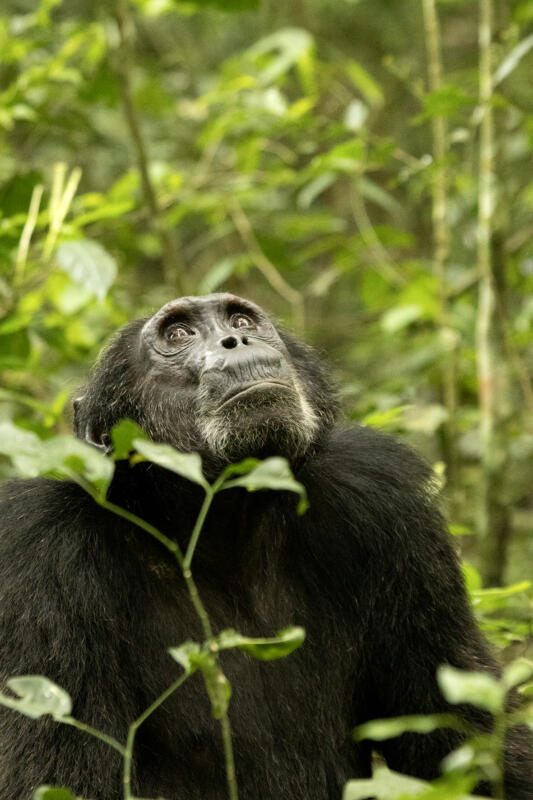
Uganda offers an extraordinary diversity of wildlife, particularly for travelers interested in primates. In Bwindi and Mgahinga, you can trek with endangered mountain gorillas, while Kibale Forest is home to the highest density of wild chimpanzees in Africa, making it one of the continent’s premier chimpanzee-tracking destinations.

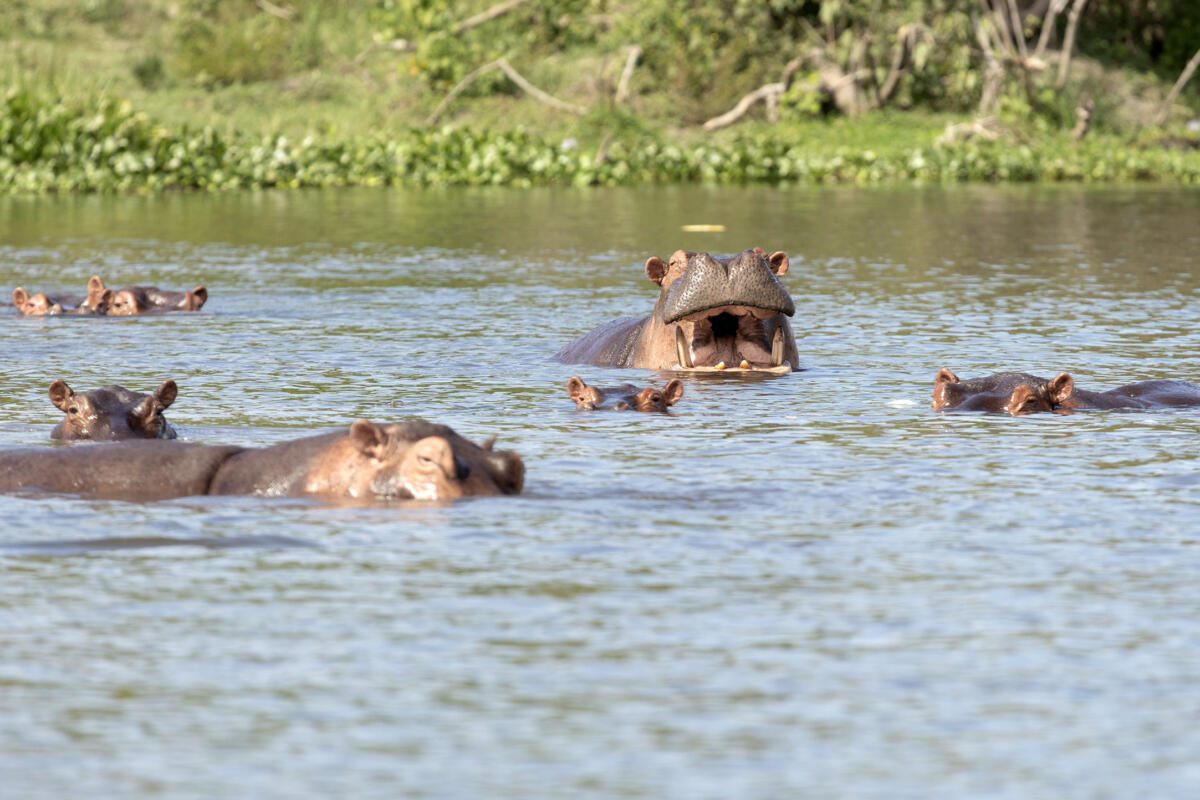
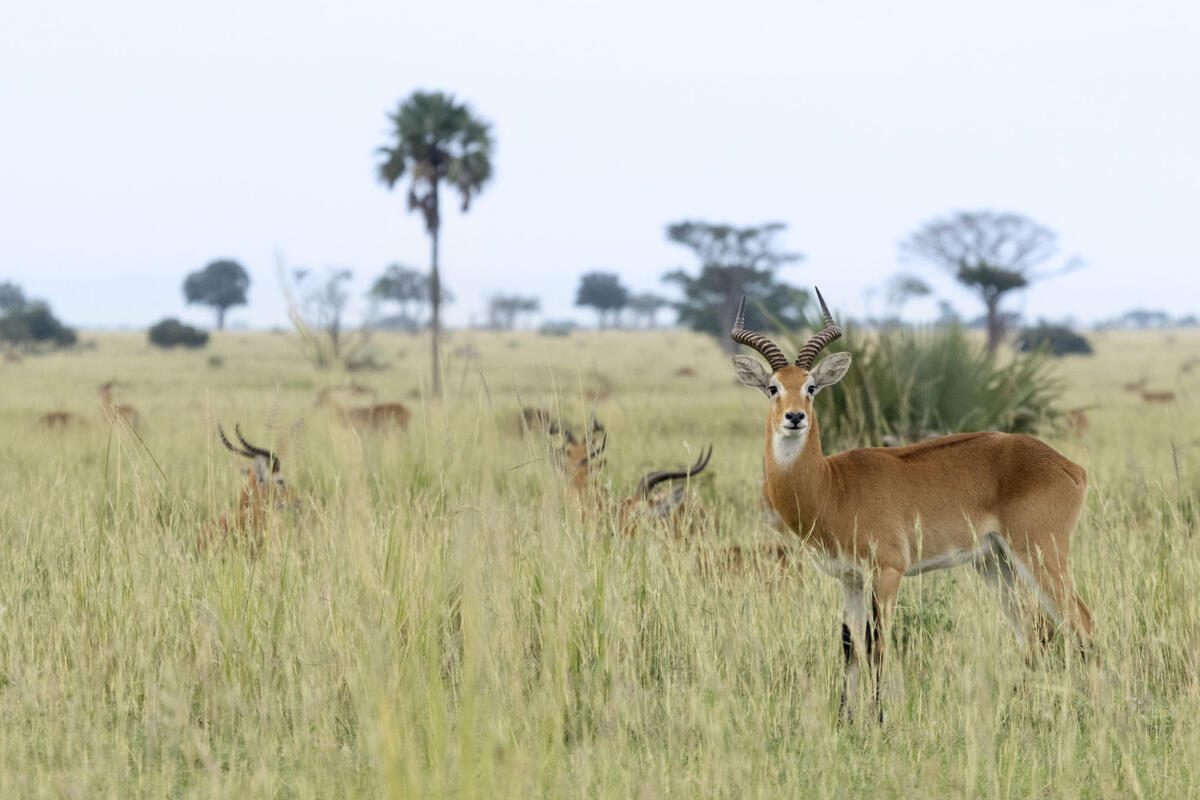
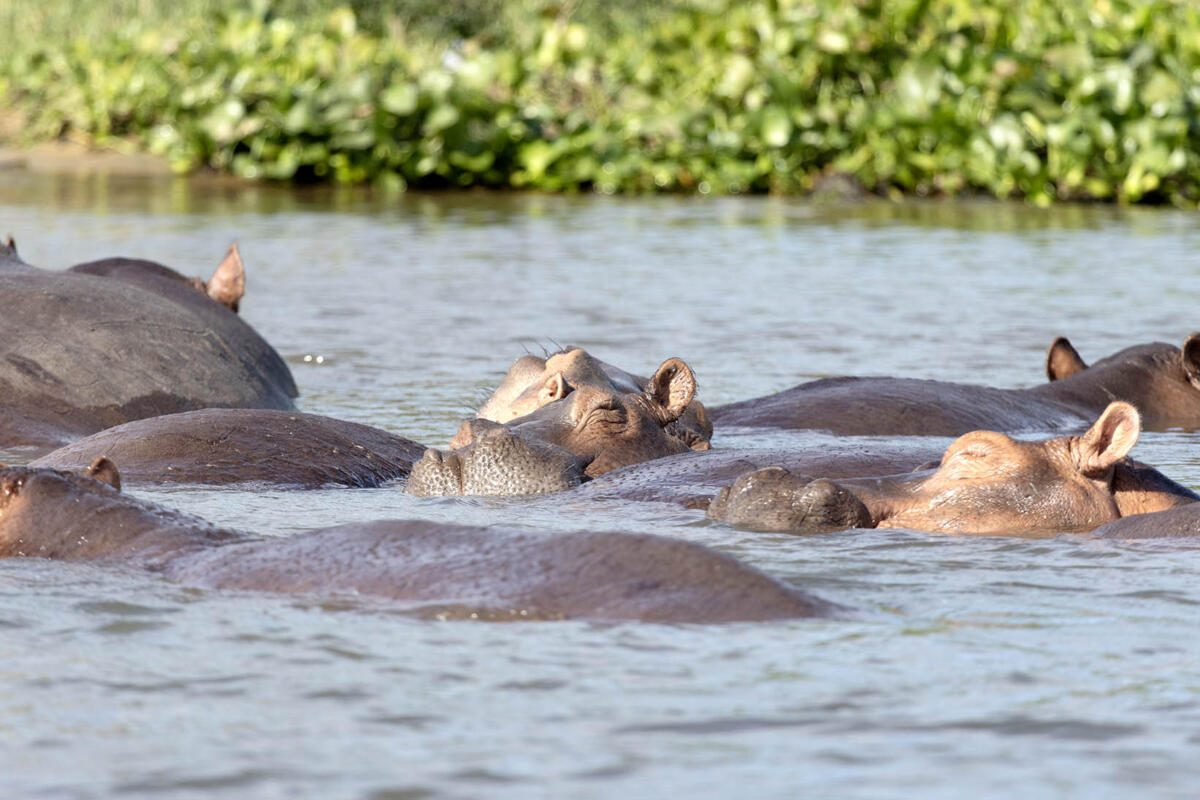
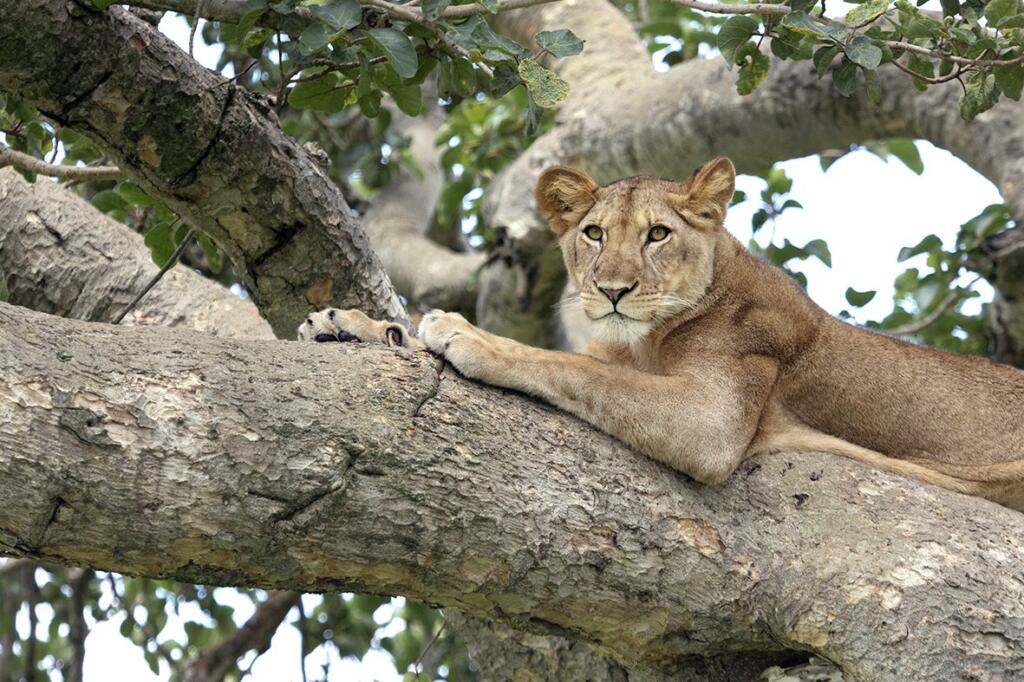
In Queen Elizabeth National Park, the Ishasha sector is famous for its tree-climbing lions, which can often be seen resting in the branches of large fig trees. The park also supports elephant, buffalo, hippo, leopard, Uganda kob and a remarkable diversity of birdlife.

Other highlights include:

  • Elephants, hippos, crocodiles and abundant wildlife along the Nile in Murchison Falls National Park
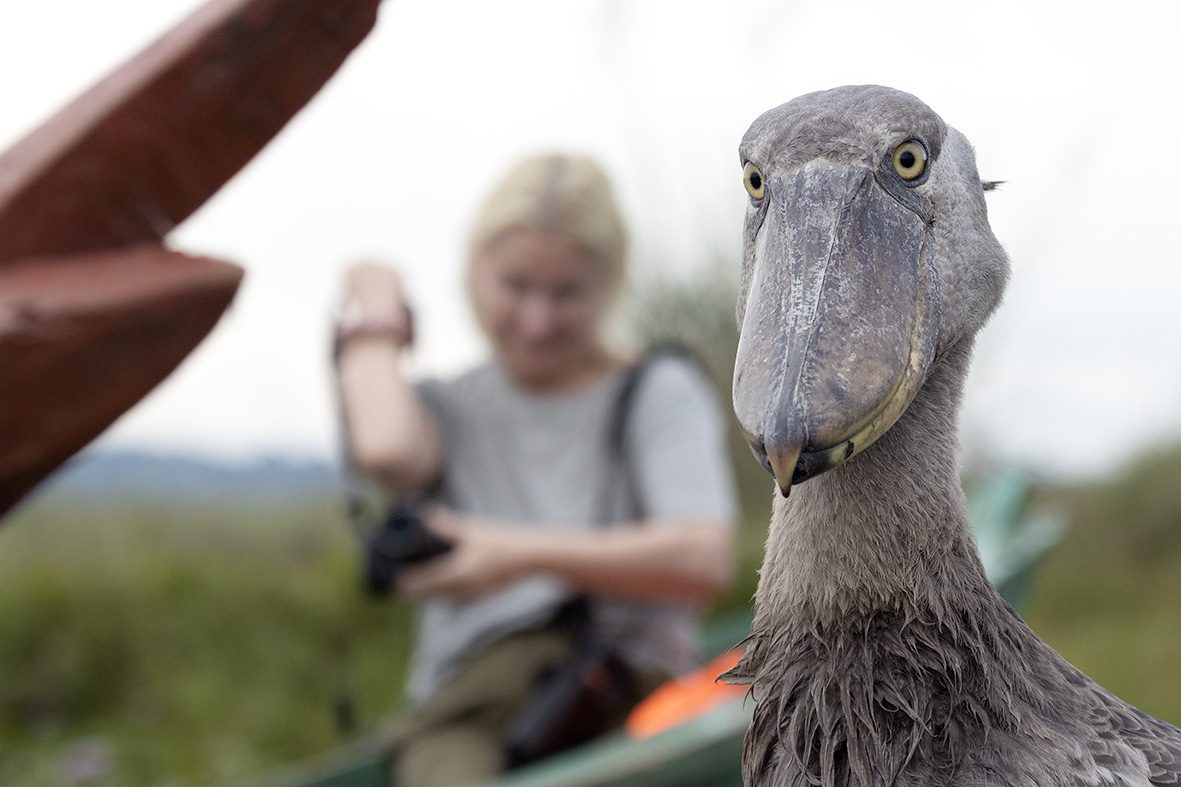
  • More than 1,000 bird species, including the sought-after shoebill
  • Golden monkeys in Mgahinga Gorilla National Park
  • Nubian (Rothschild’s) giraffe, Uganda kob and large herds of buffalo
  • White rhino tracking at Ziwa Rhino Sanctuary

Uganda has traditionally not been considered a classic Big Five safari destination because rhinos disappeared from its national parks. However, conservation efforts are changing that story, with southern white rhinos beginning to be reintroduced into protected wilderness areas.

What makes Uganda particularly special is the ability to combine mountain gorillas, chimpanzees, tree-climbing lions and classic African safari wildlife within one journey.

Do I need vaccines or malaria prevention for Uganda?

Yes. We strongly recommend visiting a travel health clinic before your safari.

  • Yellow fever vaccination is required for entry into Uganda for travelers aged one year and older. Carry your official vaccination certificate with you.
  • Malaria prevention is recommended throughout Uganda. Speak with your doctor about the most suitable anti-malarial medication for your itinerary.
  • Routine vaccinations should be up to date, while vaccines such as Hepatitis A and Typhoid are commonly recommended for travelers to Uganda.

We also recommend using insect repellent, wearing long sleeves in the evenings and following the mosquito precautions provided by your lodges.

Please Note: Ubuntu Travel can provide general travel preparation guidance, but your final medical plan should always come from a licensed healthcare provider familiar with your personal health history and itinerary.

How much does a gorilla trekking permit cost?

Gorilla trekking permits are required for anyone wishing to trek mountain gorillas in Uganda or Rwanda. Permit costs vary by country and residency status.

Rwanda:

  • Foreign visitors: US$1,500 per person for a standard gorilla trek and one-hour encounter.

Uganda:

  • Foreign non-residents: US$800 per person for a standard gorilla trek and one-hour encounter.

In Uganda, permits provide access to gorilla trekking in Bwindi Impenetrable National Park or Mgahinga Gorilla National Park.

Permit prices can change, so our Travel Specialists will confirm the current rate and secure permits as part of your safari planning.

How Much Does Chimpanzee Trekking Cost in Uganda? 

Chimpanzee trekking permits in Uganda vary depending on the location and experience.

Kibale National Park:

  • Chimpanzee tracking: US$250 per person
  • Chimpanzee Habituation Experience: US$300 per person

Kibale is Uganda’s premier chimpanzee destination, with tracking offered year-round and a sighting success rate of over 90%.

Kyambura Gorge, Queen Elizabeth National Park:

  • Chimpanzee tracking: US$100 per person

Permit prices can change, so our Travel Specialists will confirm the latest Uganda Wildlife Authority rates when planning your journey.

How far in advance should I book a gorilla trekking safari in Uganda?

We recommend booking your Uganda gorilla trekking safari around eight months in advance, especially if you are traveling during the peak months from June to September or December to February.

This gives us the best chance of securing both a gorilla permit and the lodge accommodation of your choice in the correct trekking sector. Permits are limited, and the most sought-after lodges can fill quickly, so planning early gives you far more flexibility with dates, sectors and overall itinerary design.

For peak travel periods, booking even earlier can be worthwhile.

Is there an age restriction for gorilla trekking in Uganda?

Yes. The minimum age for gorilla trekking in Uganda is 15 years old.

This applies to gorilla trekking in both Bwindi Impenetrable National Park and Mgahinga Gorilla National Park. The age restriction is designed to protect both guests and the gorillas, particularly because children may find the physical demands of trekking more challenging and are more likely to carry common illnesses that could potentially be passed to the gorillas.

For families traveling with younger children, we can build the itinerary around alternative activities while older family members take part in the trek.

Rwanda – Beyond the Gorillas

Rwanda – Beyond the Gorillas

Read More
A Primate Safari: Chimpanzee Trekking in the Kibale National Park

A Primate Safari: Chimpanzee Trekking in the Kibale National Park

Read More
6 Highlights from our Uganda Trip

6 Highlights from our Uganda Trip

Read More