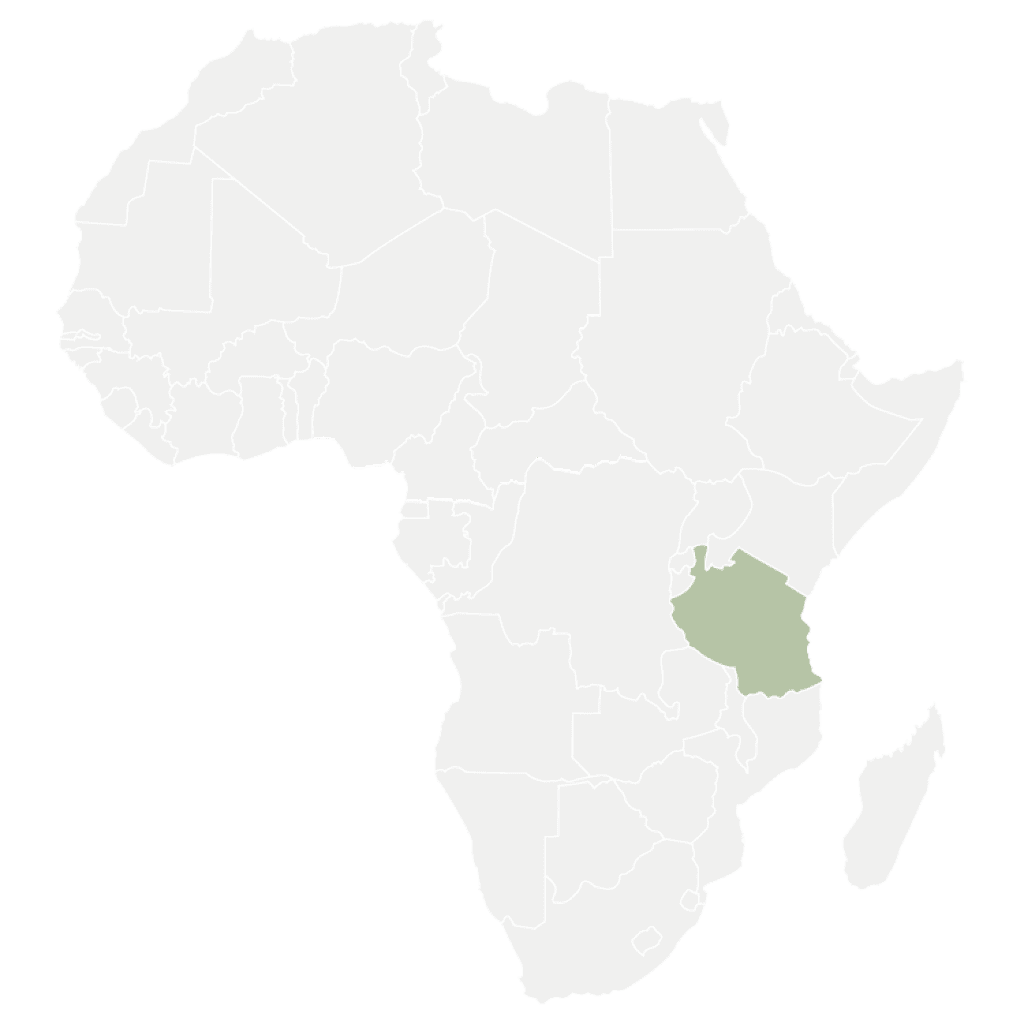
Why Choose a Luxury Safari in Tanzania?
Tanzania delivers some of Africa’s most iconic safari experiences on an extraordinary scale. From the endless plains of the Serengeti and the wildlife-rich floor of the Ngorongoro Crater to the remote wilderness of southern Tanzania, each region offers a distinct landscape, rhythm and approach to safari.
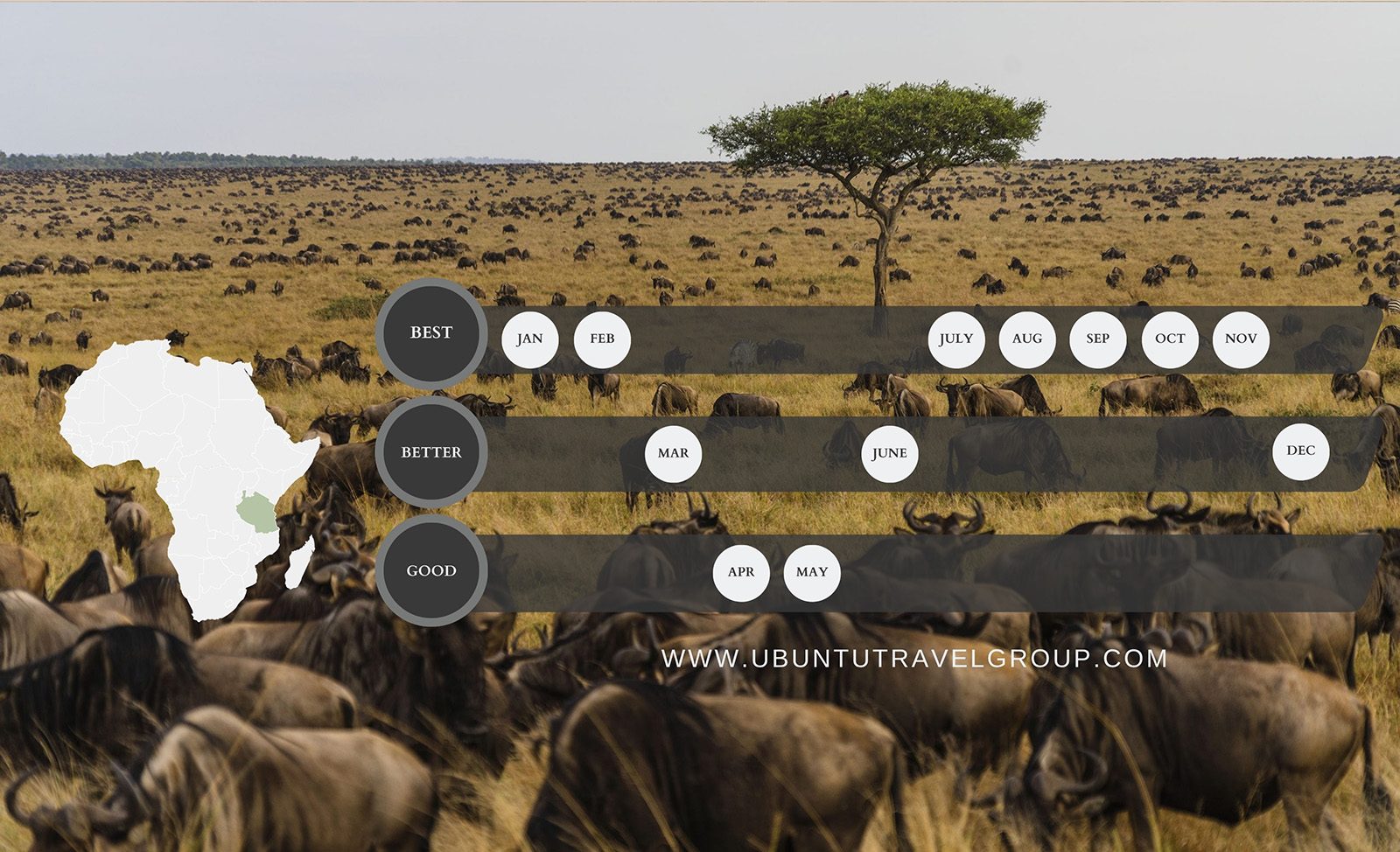
Travelers can follow the Great Wildebeest Migration across different parts of the Serengeti, witness the calving season on the southern plains, descend into the Ngorongoro Crater or explore quieter regions such as Ruaha and Nyerere. Beyond traditional game drives, Tanzania also offers walking safaris, boating experiences, chimpanzee trekking and meaningful opportunities to connect with local communities.
What makes Tanzania particularly rewarding is the ease with which these experiences can be combined. A journey can move from dramatic wildlife encounters and remote luxury camps to the beaches of Zanzibar or a private Indian Ocean island. It is this balance of iconic wildlife, varied landscapes and time to slow down that makes Tanzania one of Africa’s most complete luxury safari destinations.
Tanzania’s Most Iconic Destinations
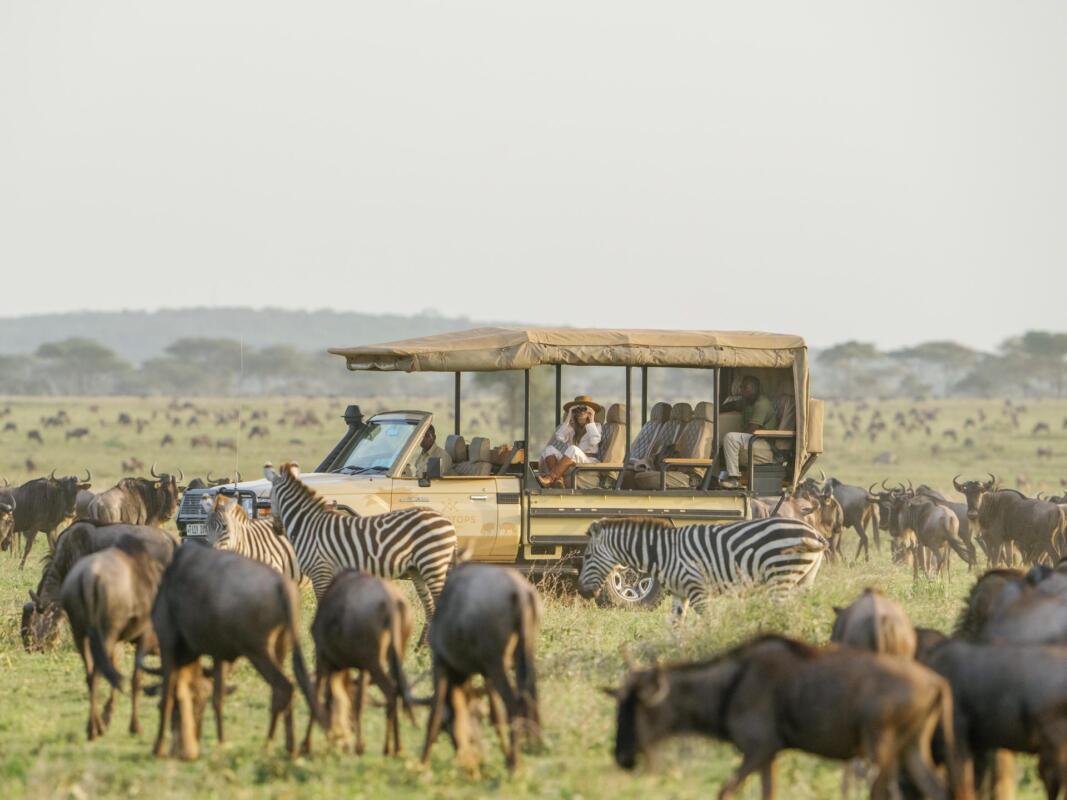
Serengeti National Park
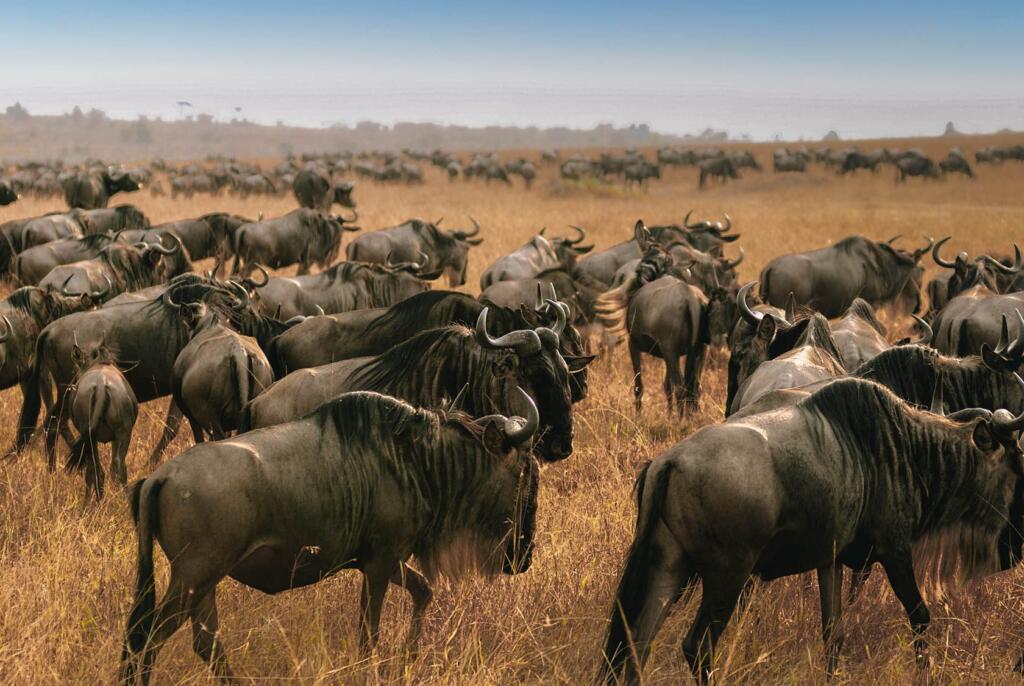
Follow the Great Migration across vast plains with lions, leopards, and river crossings – then unwind at exclusive luxury safari lodges.
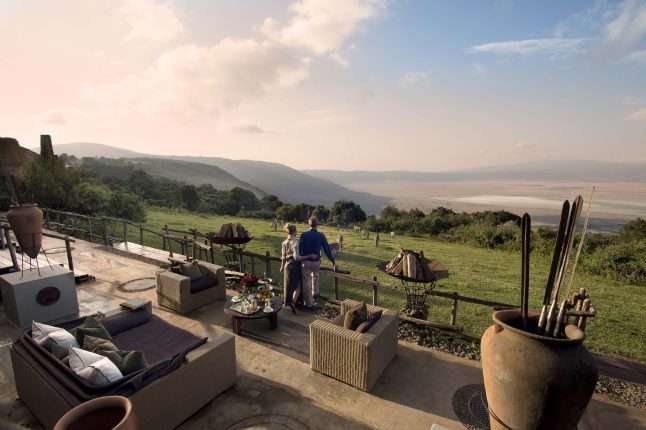
Ngorongoro Crater
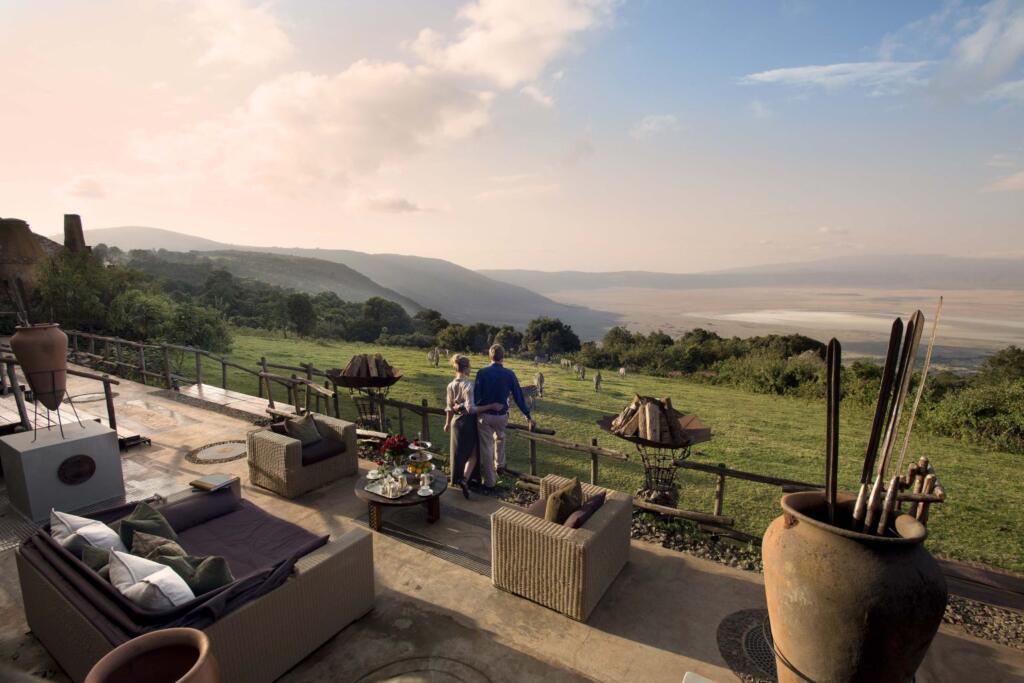
Explore a dramatic volcanic caldera home to black rhino, elephants, and big cats – plus luxury lodges perched on the rim.

Zanzibar
Relax on white-sand beaches after safari – snorkel coral reefs, tour spice plantations, and explore Stone Town’s Swahili heritage.

Mount Kilimanjaro
Africa’s highest peak rises above the plains – climb to the summit or take in its snow-capped beauty on a Northern Circuit safari.
Tailored Tanzania Safari Itineraries
These are some of our favorite Tanzania safari itineraries – handpicked by Ubuntu Travel co-founders Kyle and Leah to highlight the very best of the country.

Tanzania & Zanzibar Honeymoon
Married and torn between beach or safari? Tanzania offers both – Serengeti game drives, Ngorongoro sunsets, and Zanzibar’s turquoise waters on a 14-day honeymoon safari.
Serengeti Calving Season Migration
Experience the Serengeti’s calving season on this 15-day safari – thousands of wildebeest born daily, with predators close behind. A raw, powerful display of life and survival.
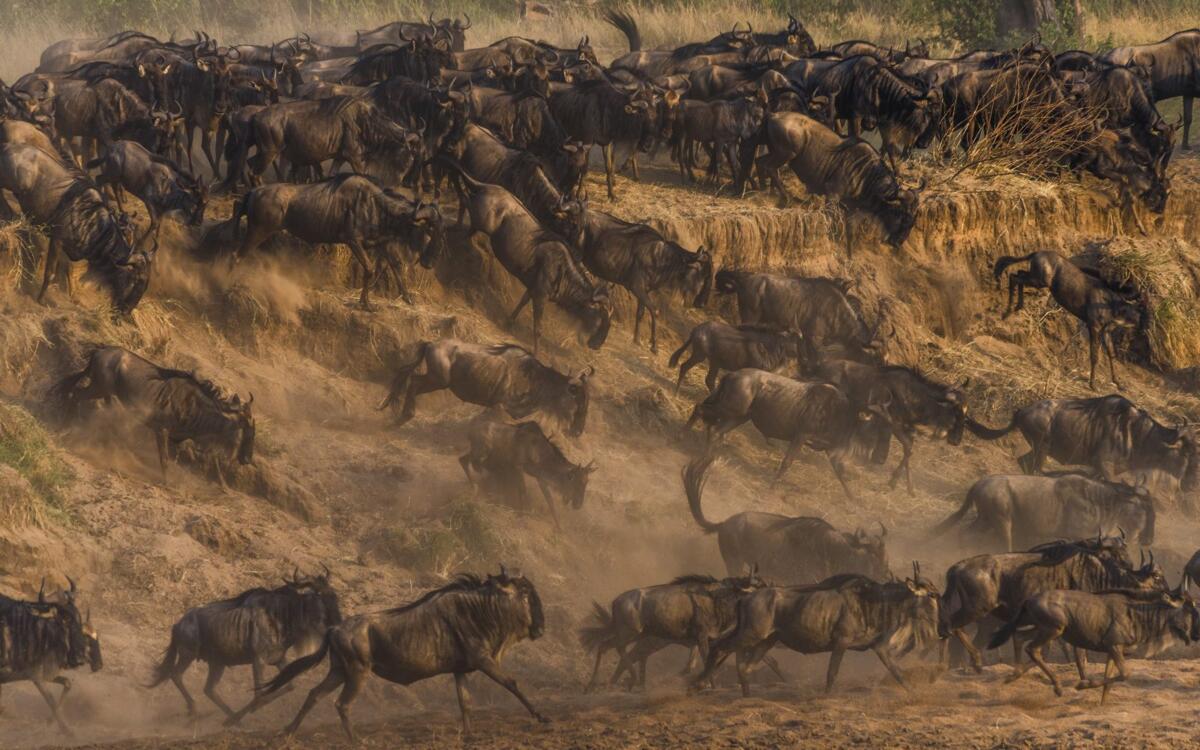
Big Five Safari & The Great Migration
Track the Big Five and Great Migration on this 12-day East Africa safari – camel rides in Lewa, wildebeest crossings in the Mara and Serengeti. End your journey with a relaxing stay in the breathtaking Ngorongoro Crater, Earth’s largest intact volcanic caldera.

Personalized Itineraries
Attention to detail from start to finish

Conservation Promise
Travel with a purpose

Experts in Africa
Our team of travel experts know Africa
Personalized Itineraries
Attention to detail from start to finish
Conservation Promise
Travel with a purpose
Experts in Africa
Our team of travel experts know Africa
Places to Visit in Tanzania
From iconic national parks to remote mountain ranges and island coastlines, Tanzania offers a rich diversity of landscapes that promise something for every kind of traveler.
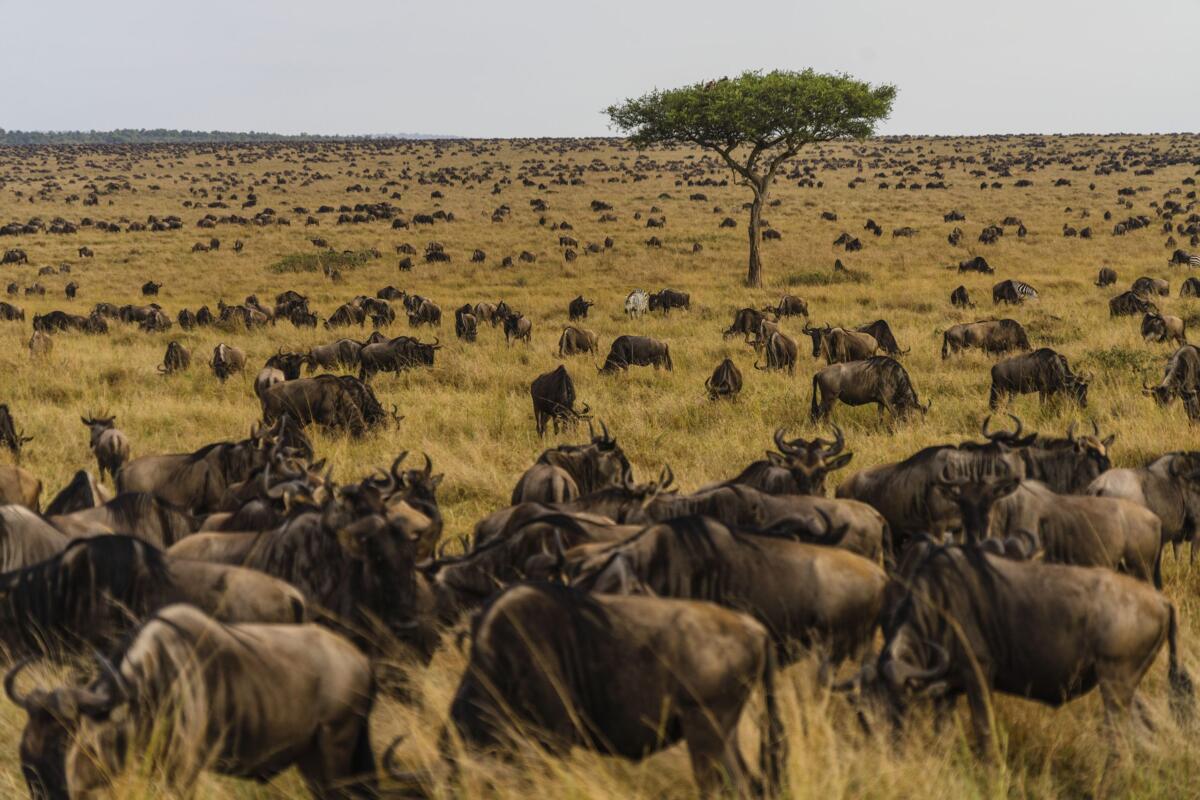
Serengeti National Park
Experience the Great Migration in Tanzania’s Serengeti National Park – vast plains, big cats, river crossings, and luxury safari lodges in one of Africa’s most iconic wildlife destinations.
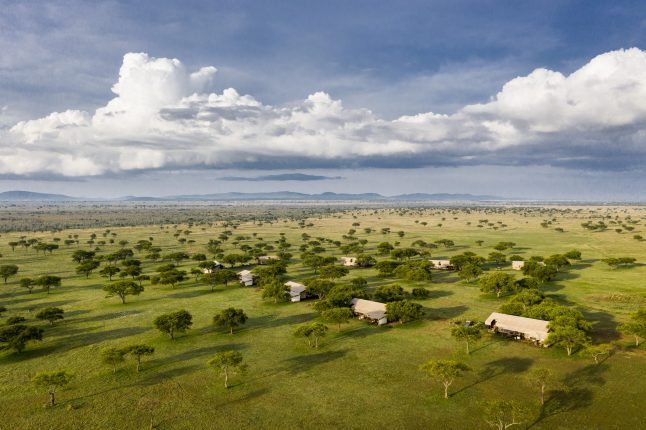
Singita Grumeti
Set in a vast private concession bordering the Serengeti, Singita Grumeti offers ultra-luxury lodges, exceptional wildlife, and exclusive access – far from the crowds.
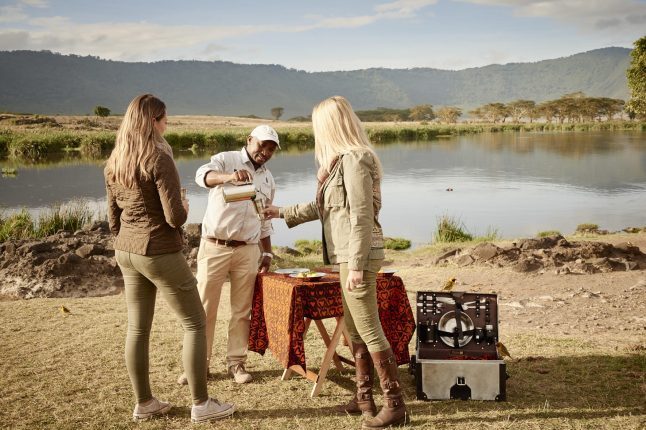
Ngorongoro Crater
Often called “Africa’s Garden of Eden,” the Ngorongoro Crater is a 3-million-year-old volcanic caldera teeming with wildlife, including black rhino, and home to luxury lodges on the rim.
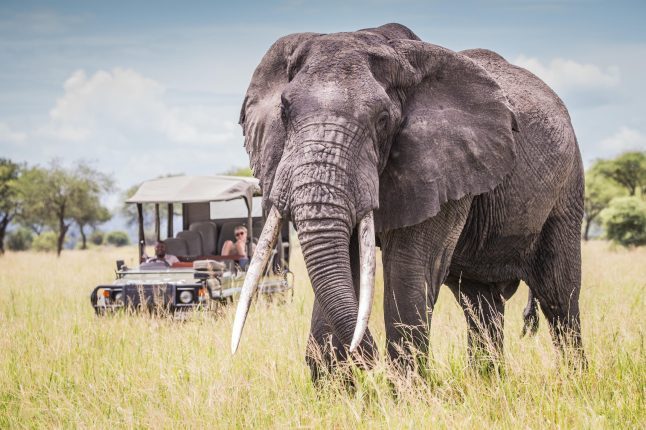
Tarangire National Park
Tarangire National Park offers a quieter, off-the-beaten-path safari with seasonal elephant migrations, ancient baobabs, and intimate game drives far from the crowds of Tanzania’s busier northern parks.
Kilimanjaro
Mount Kilimanjaro is Africa’s highest peak and a dormant volcano – offering one of the world’s most iconic trekking experiences, with routes suited to both seasoned climbers and adventurous first-timers.
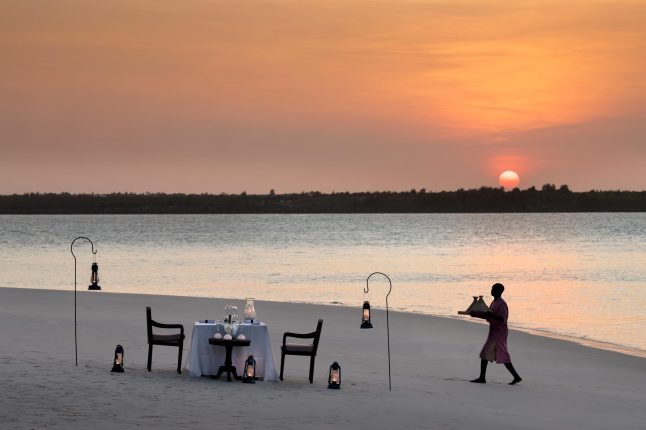
Zanzibar
Zanzibar blends white-sand beaches with Swahili culture – wander historic Stone Town, snorkel coral reefs, and unwind at luxury island retreats after your Northern Tanzania safari adventure.
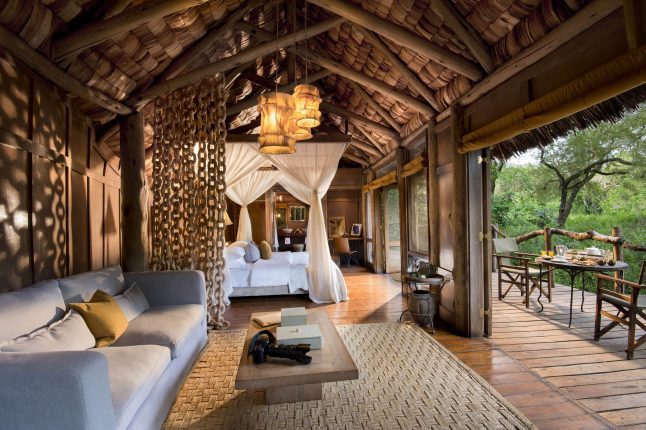
Lake Manyara National Park
Lake Manyara National Park offers dramatic scenery, from groundwater forests to the Rift Valley escarpment – famous for tree-climbing lions, flamingos, and rich birdlife in a compact safari setting.
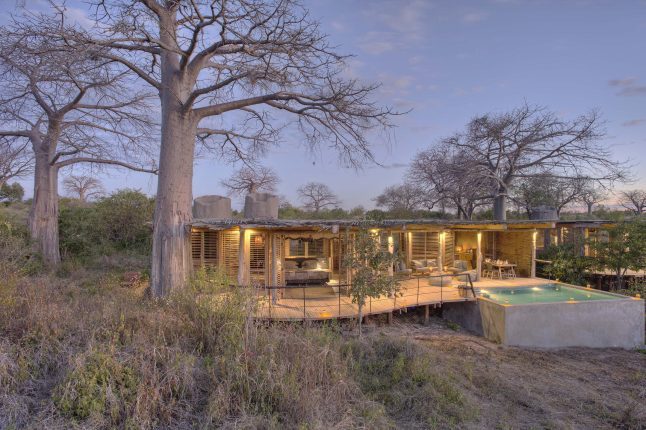
Ruaha National Park
Tanzania’s largest national park, Ruaha is a remote wilderness home to 10% of the world’s lions – vast landscapes, baobab valleys, and predator-rich game drives await adventurous travellers.
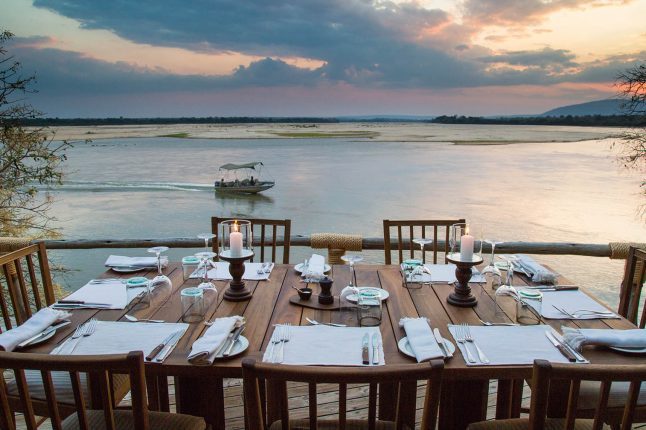
Nyerere National Park
Formerly part of the vast Selous Reserve, Nyerere is a UNESCO-listed wilderness – renowned for boat safaris, walking adventures, and rare wildlife sightings in one of Tanzania’s largest protected areas.
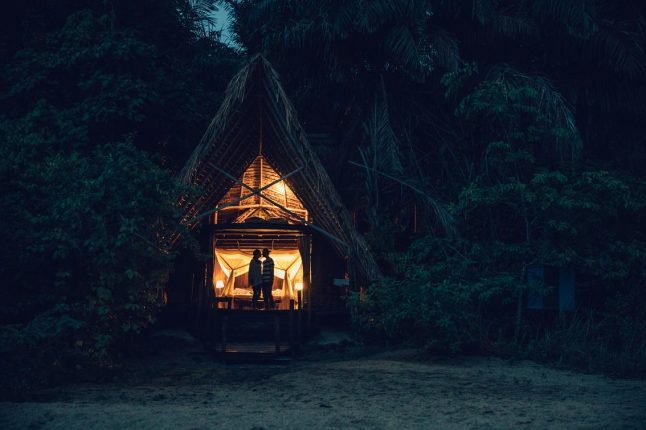
Mahale Mountains
Set on Lake Tanganyika’s shores, Mahale blends tropical forests and remote beaches – offering Africa’s most rewarding chimpanzee trekking and one of Tanzania’s most magical off-the-map experiences.
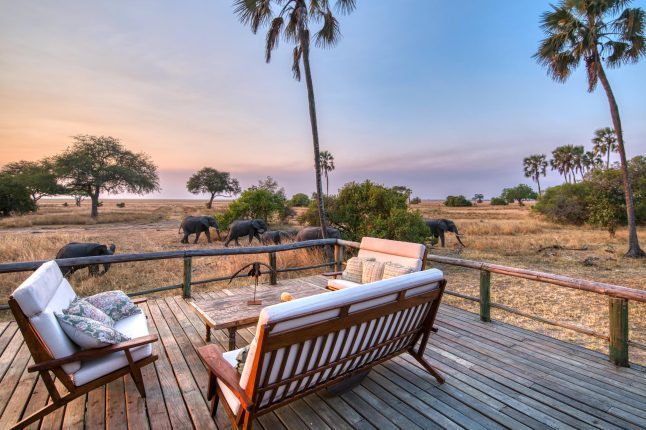
Katavi National Park
Home to the planet’s largest buffalo herds, Katavi offers raw, crowd-free safari experiences – with hippo-filled waterways, abundant predators, and one of Tanzania’s most untouched wildernesses.

Pemba Island
Less-visited than Zanzibar, Pemba Island is a diver’s paradise – offering untouched coral reefs, lush spice farms, and exclusive beach escapes for those seeking barefoot luxury and seclusion.