
Land of Big Cats and Endless Plains
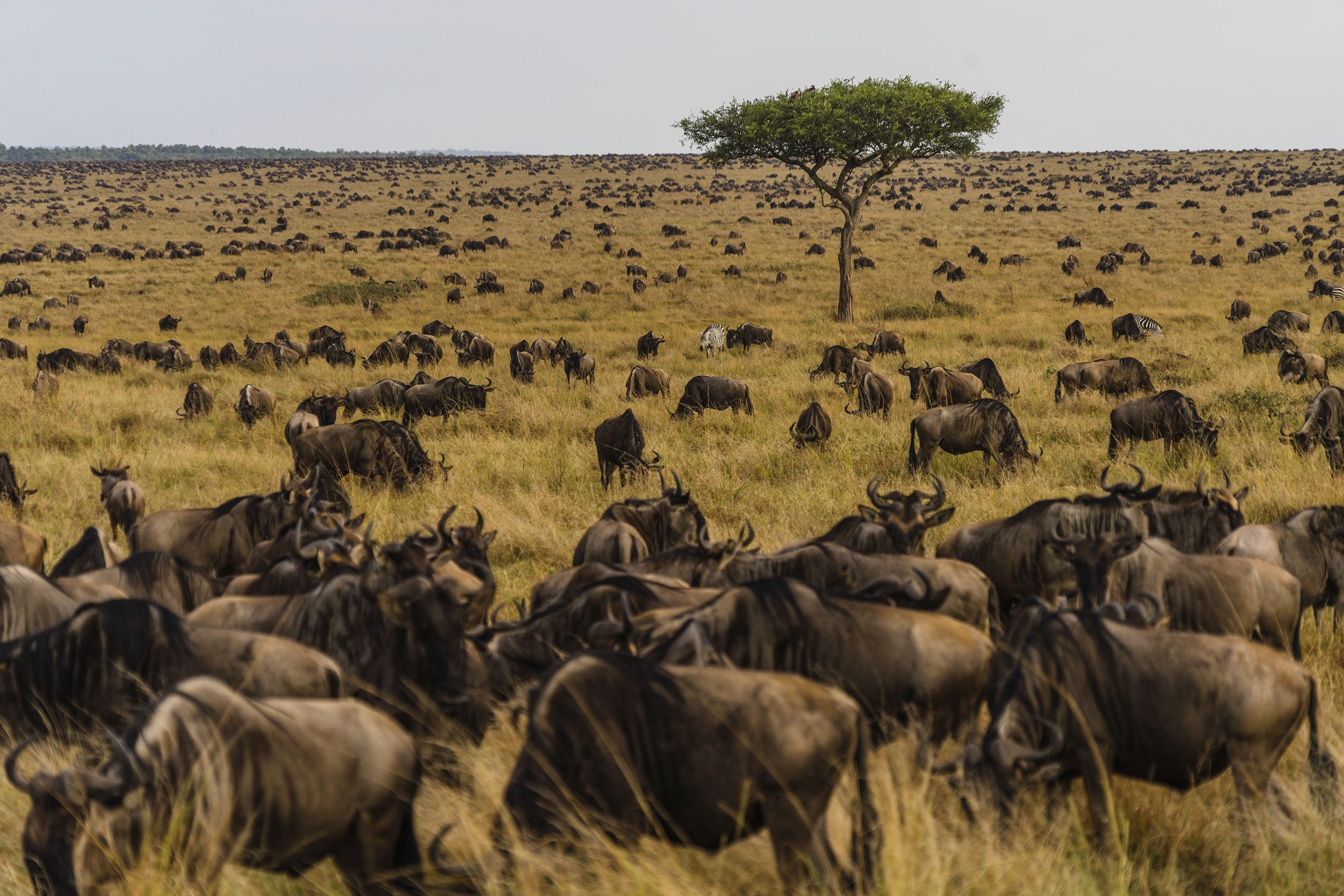
The Masai Mara is one of Africa’s most celebrated safari destinations, known for its sweeping grasslands, thriving big cat populations and seasonal scenes from the Great Wildebeest Migration. Typically between July and October, vast herds of wildebeest, zebra and gazelle move into the Mara from the Serengeti, sometimes resulting in dramatic river crossings. The precise timing varies each year with rainfall and grazing conditions.
Beyond the Migration, the Mara offers exceptional year-round wildlife viewing, with resident populations of lion, leopard, cheetah, elephant and plains game. Travelers can stay inside the Masai Mara National Reserve or in the surrounding Mara Conservancies, where fewer vehicles, night drives and controlled off-road viewing can create a more exclusive safari experience.
The region also offers meaningful opportunities to learn about local Maasai culture and community-led conservation. Located along Kenya’s southwestern border with Tanzania, the Mara combines seamlessly with the Serengeti National Park and the wider East African safari circuit.
Masai Mara Safari Highlights
Discover the Masai Mara’s most iconic wildlife encounters, private conservancy experiences and cultural moments that make this region one of Africa’s greatest safari landscapes.
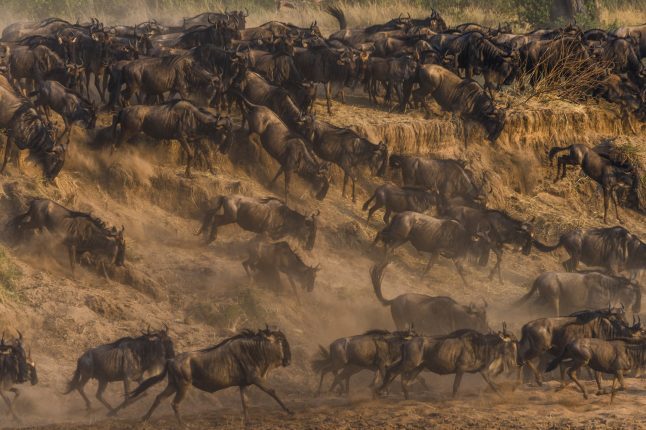
The Great Migration
Witness dramatic river crossings and vast herds of wildebeest and zebra as they pass through the Mara from July to October.
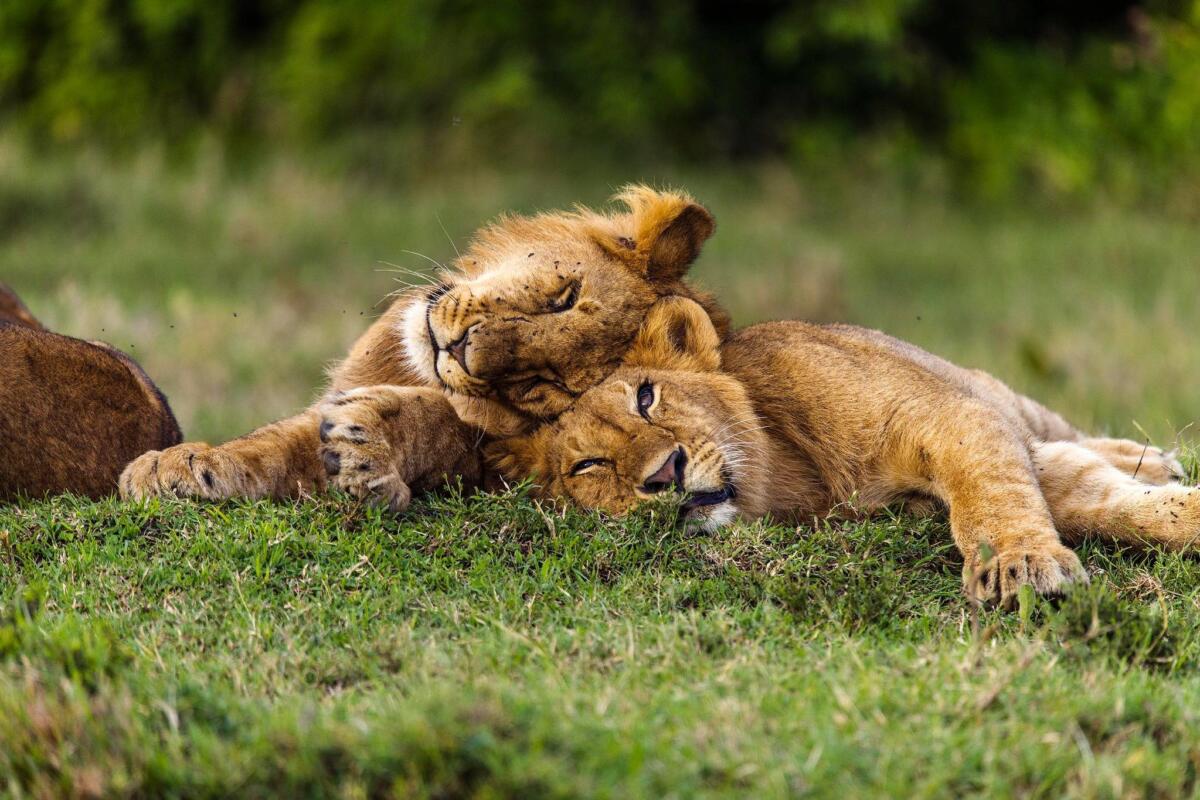
Big Cats and Year Round Wildlife
Enjoy exceptional sightings of lion, leopard and cheetah, supported by rich grasslands, abundant plains game and strong predator populations.
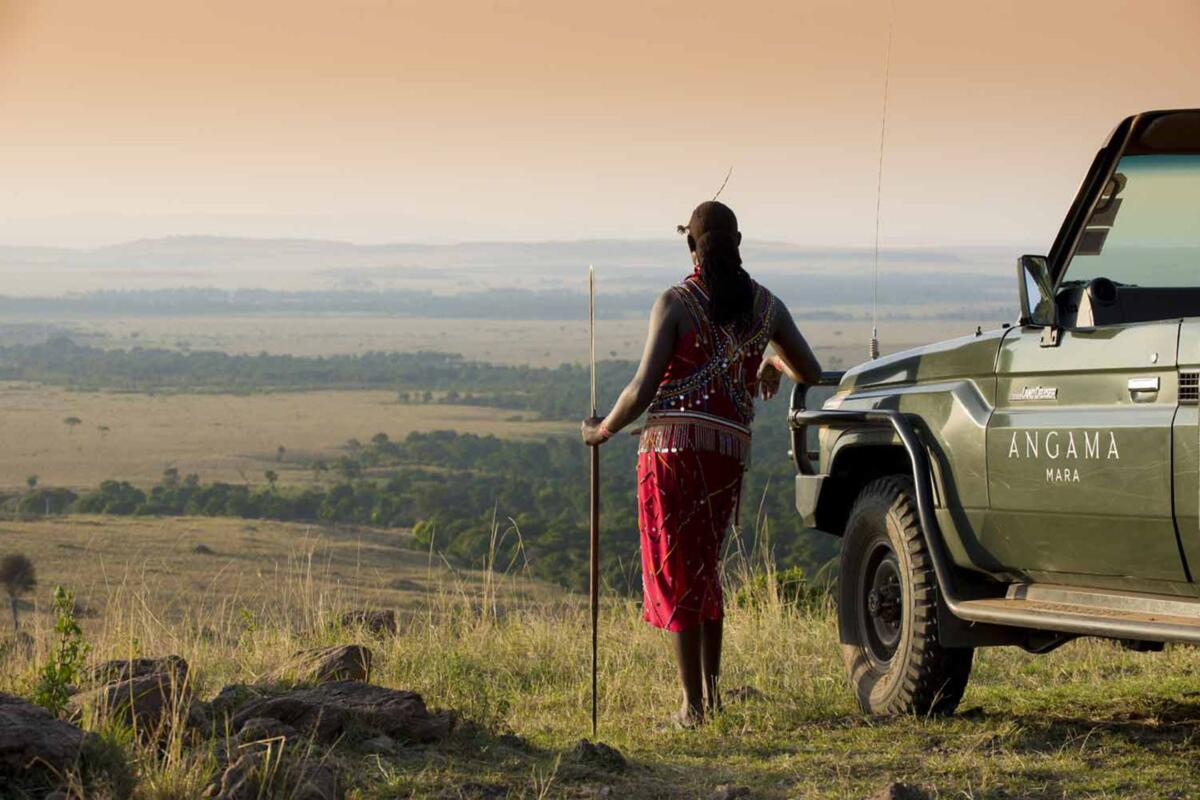
Maasai Cultural Visits
Visit neighbouring Maasai communities to learn about traditional pastoral culture, storytelling, craftsmanship and daily life in the region.
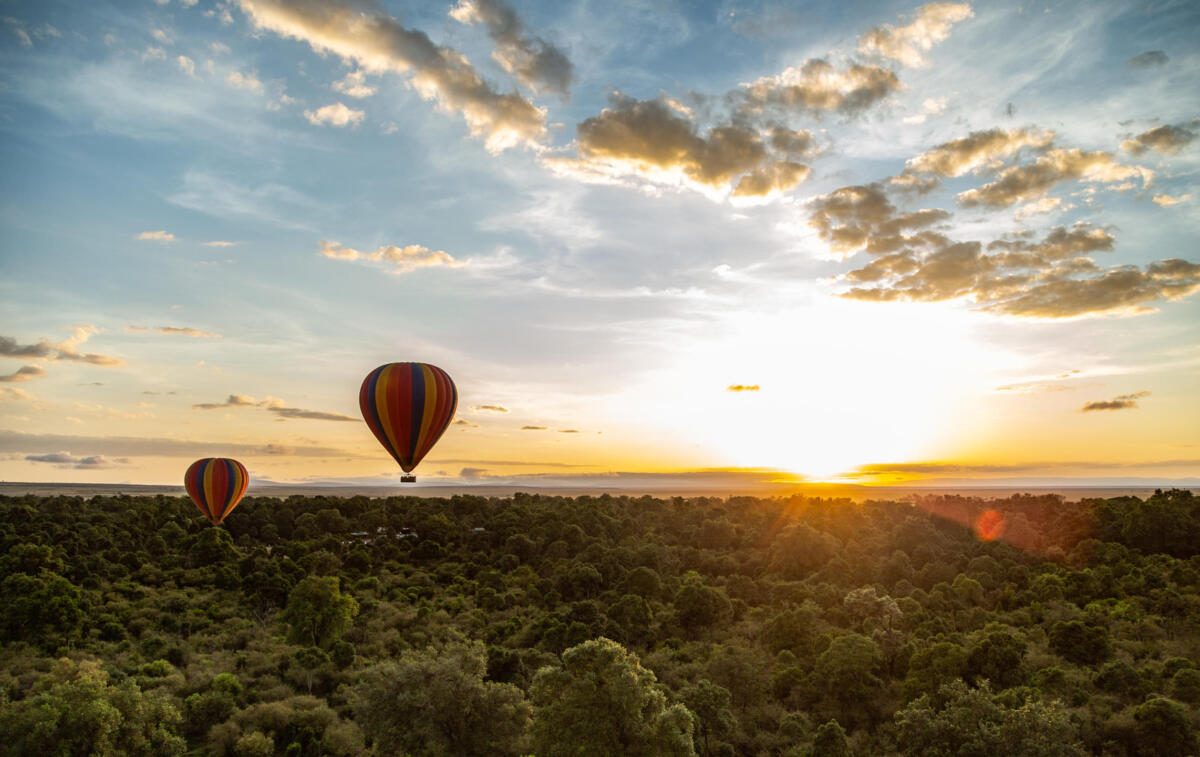
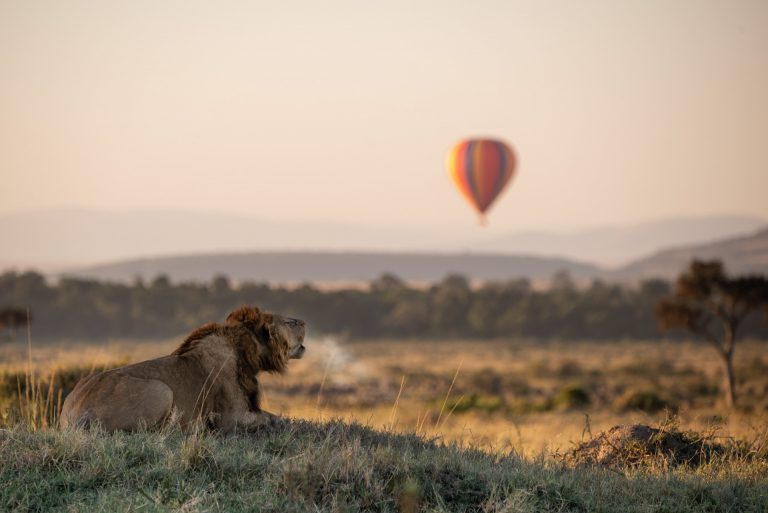
Hot Air Balloon Safaris
Experience the Masai Mara at sunrise from above, drifting over rolling plains and wildlife-rich valleys for one of Africa’s most unforgettable safari perspectives.
Ready To Plan Your Masai Mara Safari?
Let’s start designing your luxury Masai Mara safari. Whether you’re after adventure, relaxation, or both, we’ll tailor every detail around how you want to experience Africa – with expert guidance at every step.
Ubuntu Travel's Popular Masai Mara Safaris
Discover Ubuntu Travel’s top Masai Mara itineraries, combining big cat viewing, seasonal Migration moments and luxury lodge stays for the perfect Kenya safari escape.
Ultimate Kenya Safari
Nairobi – 1 night
Amboseli – 2 nights
Lewa Conservancy – 3 nights
Masai Mara – 3 nights
Diani Beach – 3 nights
Essential Kenya Safari
Nairobi – 1 night
Amboseli – 2 nights
Masai Mara – 3 nights
Lewa Conservancy – 3 nights

Great Migration & Romantic Mara
Nairobi – 1 night
Amboseli – 2 nights
Masai Mara – 3 nights
Serengeti National Park – 3 nights
Zanzibar – 3 nights
THE UBUNTU TRAVEL DIFFERENCE
Personalized Itineraries
Attention to detail from start to finish
Conservation Promise
Travel with a purpose
Experts in Africa
Our team of travel experts know Africa
Personalized Itineraries
Attention to detail from start to finish
Conservation Promise
Travel with a purpose
Experts in Africa
Our team of travel experts know Africa
Let's Plan Your Masai Mara Safari.
Reach out today and connect with our expert team – we care about the whole journey, from your very first call to your final farewell on safari. Every itinerary is thoughtfully reviewed by our co-founders, Kyle and Leah, to reflect the kind of journey we’d take ourselves.
Masai Mara FAQs
When is the Great Migration in the Masai Mara?
The Great Wildebeest Migration typically reaches the Masai Mara between July and October, when vast herds of wildebeest, zebra and gazelle move north from Tanzania’s Serengeti in search of fresh grazing.
River crossings along the Mara and Talek rivers are generally most likely during this period, although their exact timing and location vary each year depending on rainfall and grazing conditions. The Mara also offers excellent wildlife viewing outside the Migration months, with strong big cat populations and abundant resident wildlife year-round.
Is the Masai Mara good for first time safari travelers?
Yes. The Masai Mara is one of Africa’s best destinations for first time safari travelers thanks to its open plains, high wildlife densities, reliable big cat sightings and exceptional guiding. The reserve offers classic East Africa landscapes, incredible photographic opportunities and a wide range of luxury tented camps. With both National Reserve and private conservancy options, the Mara can be tailored to suit honeymooners, families or travellers seeking a more exclusive safari experience.
Quick Cheat Sheet: Avoiding Crowds in the Mara
A quick overview to help you choose the quietest and most rewarding months to visit the Masai Mara.
Quietest Months
• November to June (excluding festive season)
Best Quiet Wildlife Viewing
• January to March for big cats and photography
Green Season Pros
• April and May for lush landscapes and dramatic skies
Caution
• April and May are rainy months but still highly rewarding
For Maximum Exclusivity
• Choose a private conservancy at any time of year
Is the Masai Mara good for first-time safari travelers?
Yes. The Masai Mara is one of Africa’s best destinations for a first safari, thanks to its open plains, abundant wildlife, reliable big cat sightings and excellent guiding. It offers classic East African landscapes, exceptional photographic opportunities and a wide choice of luxury tented camps. With options inside the National Reserve and surrounding Mara Conservancies, a safari can be tailored for honeymooners, families or travelers seeking a quieter and more exclusive experience.
When is the best time to avoid crowds in the Masai Mara?
The quietest time to visit the Masai Mara is generally outside the peak Migration months of July to October.
November to June typically sees fewer vehicles, although the Christmas and New Year period can become busy.
January to March is particularly rewarding for resident wildlife, active big cats and photography, while April and May bring lush landscapes, dramatic skies and some of the lowest visitor numbers of the year.
April and May coincide with the long rains, which can make certain roads muddy and more difficult to access. Some camps may also close temporarily. However, these months can still deliver excellent wildlife viewing, beautiful light and attractive seasonal rates. For fewer vehicles throughout the year, consider staying in one of the surrounding Mara conservancies, where tourism numbers and vehicles at sightings are more carefully controlled.
What is the difference between the Masai Mara and the Serengeti?
The Masai Mara and Serengeti form one connected ecosystem, with the Great Migration moving through both destinations at different times of year. The Serengeti covers a much larger area in Tanzania, while the Masai Mara is smaller and offers more concentrated wildlife viewing. Both are exceptional for big cats, although the Mara is particularly known for its open plains, large lion prides and excellent cheetah sightings.
The Serengeti includes distinct northern, central, western and southern regions, allowing travelers to experience different stages of the Migration throughout the year. This includes the calving season on the southern plains, which typically peaks from January to February. Many travelers combine both destinations for a more complete East African safari, with the Mara offering concentrated wildlife viewing and the Serengeti providing greater scale and seasonal variety.
Masai Mara, Kenya
- Smaller, with more concentrated wildlife viewing
- Known for Mara River crossings, typically from July to October
- Exceptional sightings of lion, cheetah and leopard
- Easier to reach from Nairobi, with relatively short scheduled flights
- Mara conservancies offer fewer vehicles and additional safari activities
- An excellent choice for first-time safari travelers
Serengeti, Tanzania
- Much larger, with several distinct safari regions
- Hosts different stages of the Migration throughout the year
- Calving season on the southern plains typically peaks in January and February
- Known for vast landscapes and long-distance wildlife movements
- Offers greater seasonal variety because of its scale
Best Combined Experience
- Masai Mara for concentrated wildlife viewing and seasonal river crossings
- Serengeti for scale, varied landscapes and broader Migration coverage