
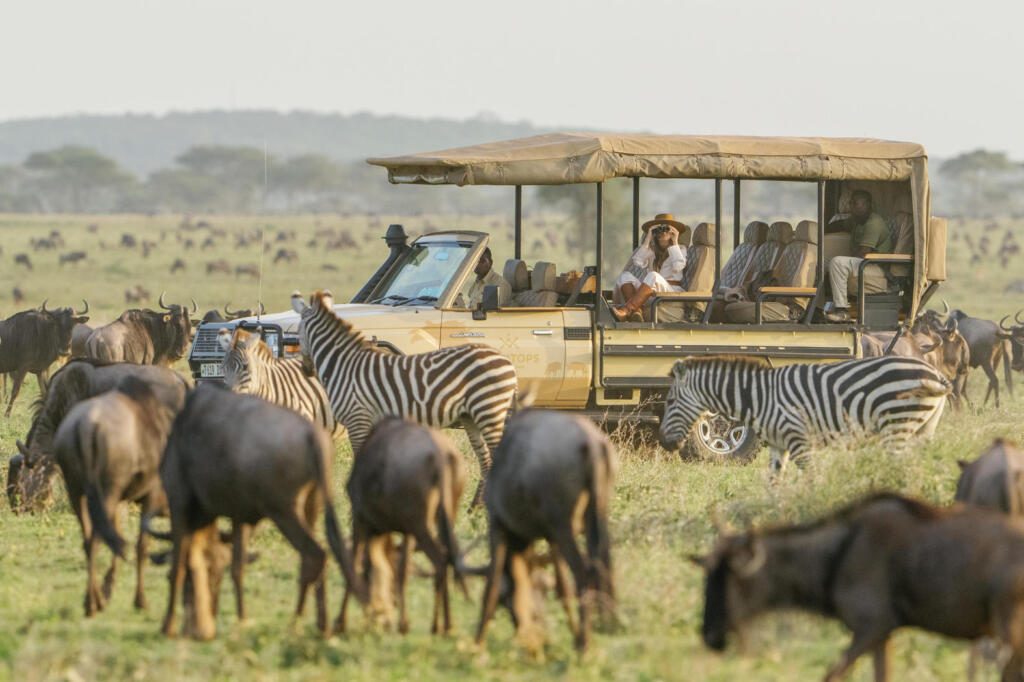
The Serengeti National Park is one of Africa’s most iconic safari landscapes, spanning approximately 1.5 million hectares of open savanna, river valleys, rocky kopjes and acacia woodland. It is best known for the Great Wildebeest Migration, when around 1.5 million wildebeest and hundreds of thousands of zebra and gazelle move through the wider ecosystem in search of fresh grazing.
The herds typically reach the northern Serengeti and Kenya’s Masai Mara between July and October before moving south for the calving season, which generally takes place from January to March. Their timing and location vary each year according to rainfall and grazing conditions.
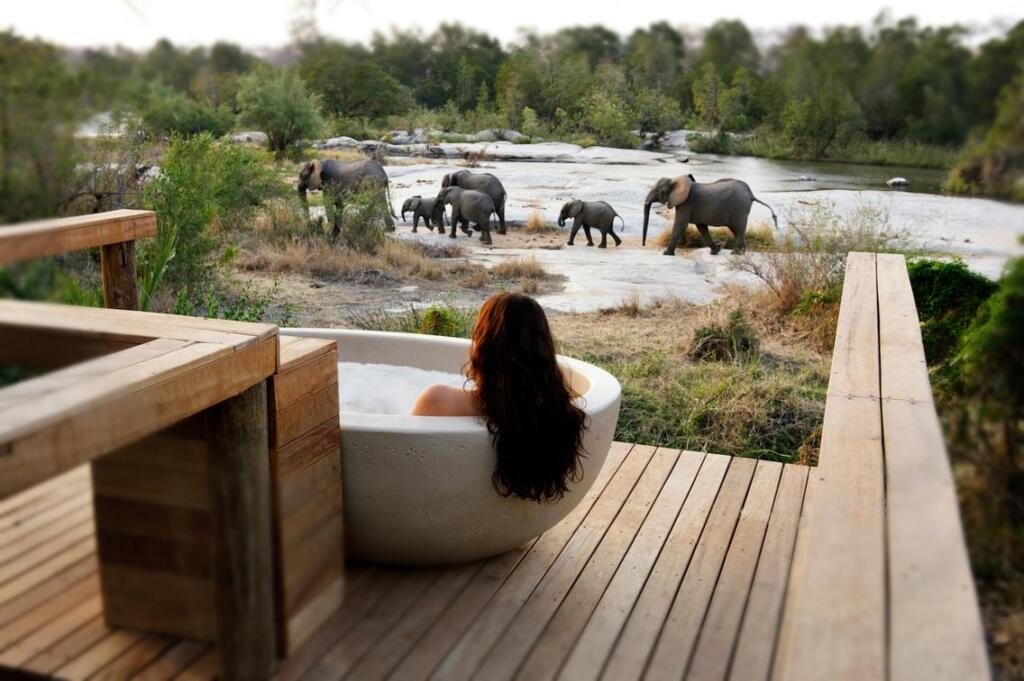
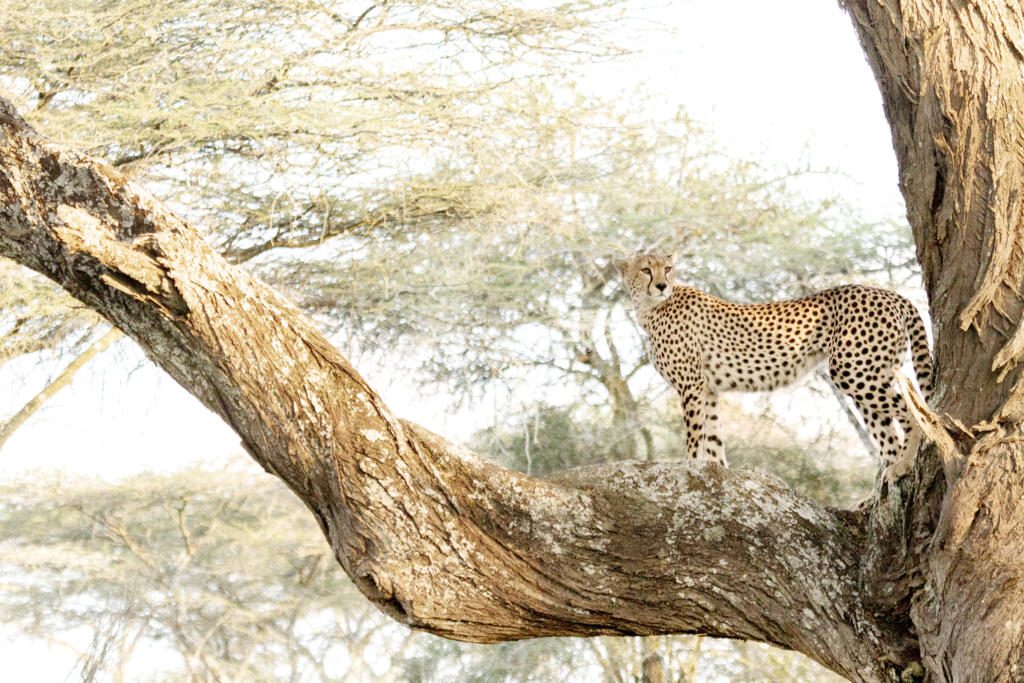
However, the Serengeti is far more than a Migration destination. This is a rewarding year-round safari ecosystem with exceptional resident wildlife, including large lion prides, strong cheetah populations, elephant, giraffe and buffalo, as well as excellent opportunities to see leopard.
With its vast plains, dramatic skies and remarkable predator activity, the Serengeti offers some of the most rewarding wildlife viewing and photographic opportunities anywhere in Africa.
Serengeti Safari Highlights
Discover the Serengeti’s greatest wildlife spectacles, from dramatic Migration scenes to exceptional year round big cat viewing.
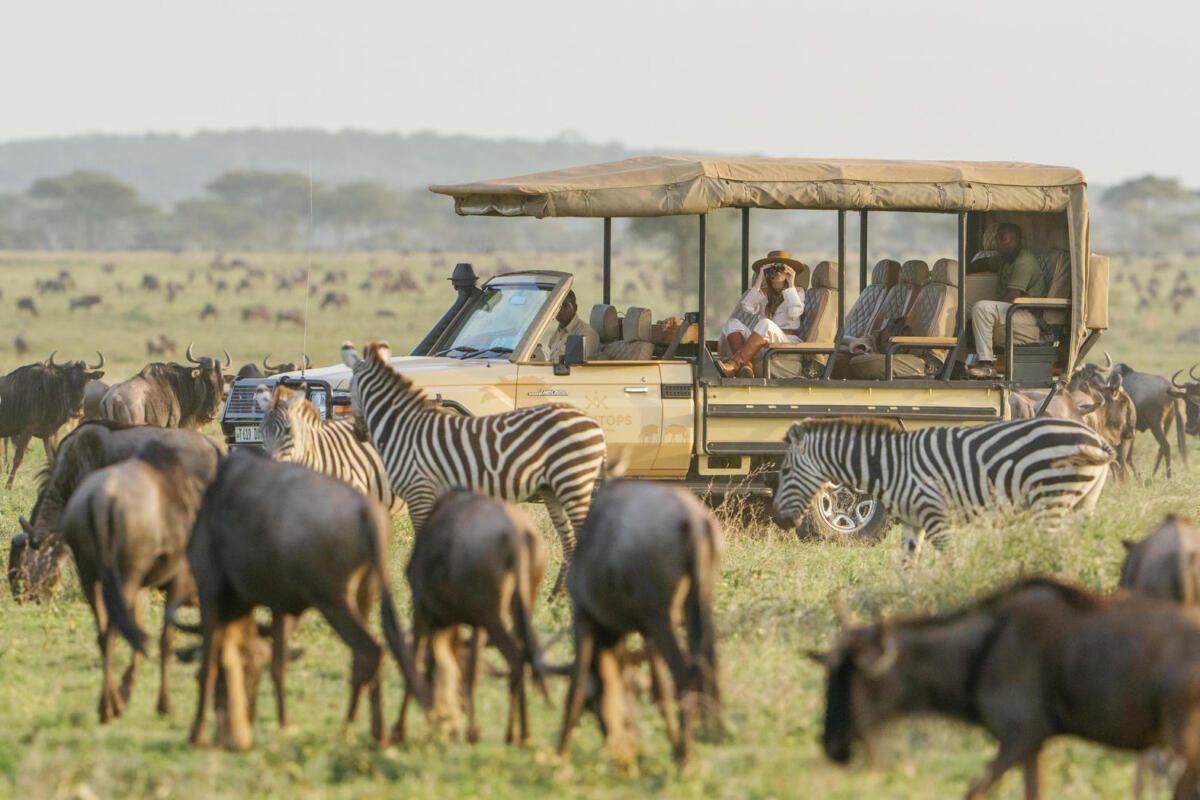
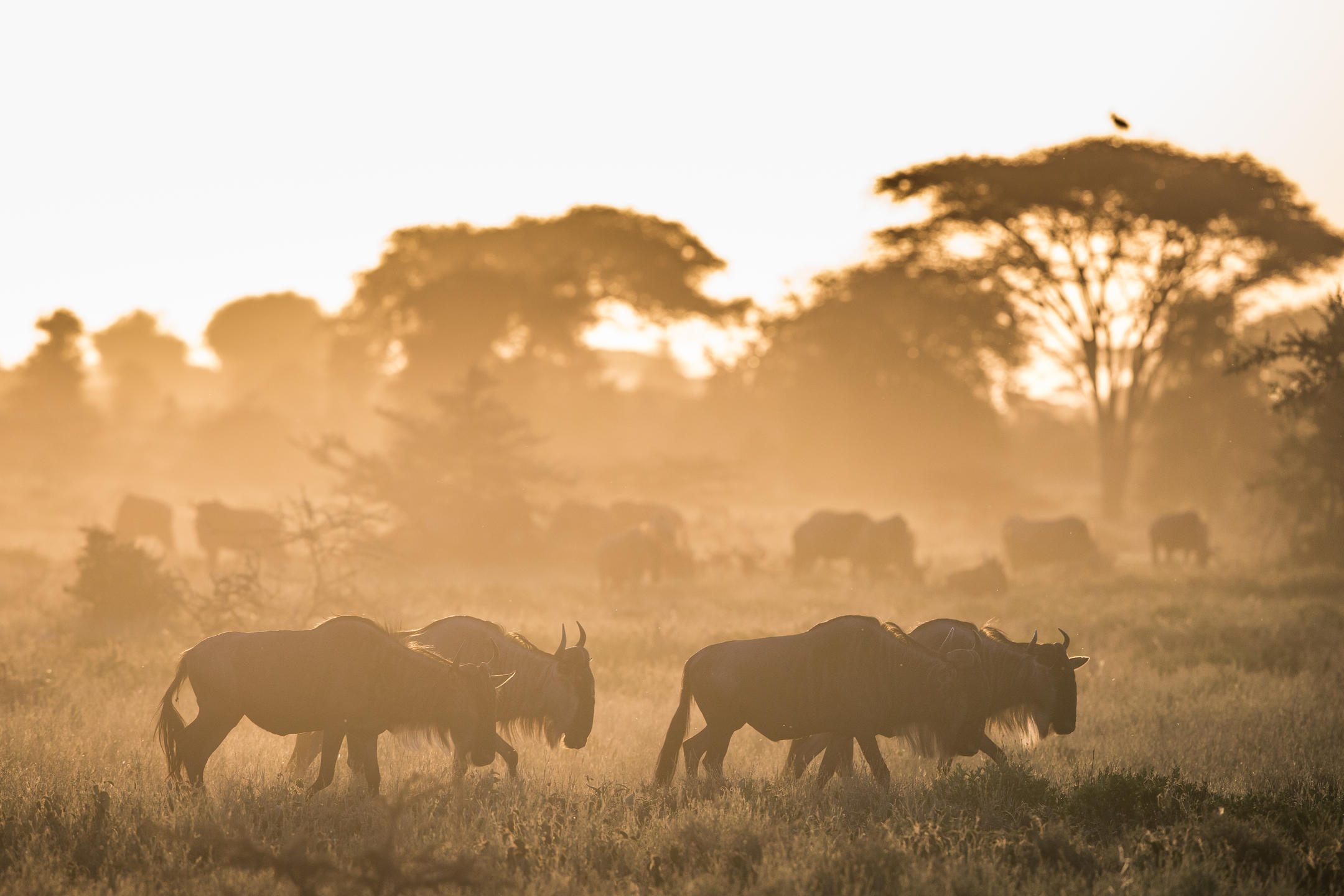
The Great Wildebeest Migration
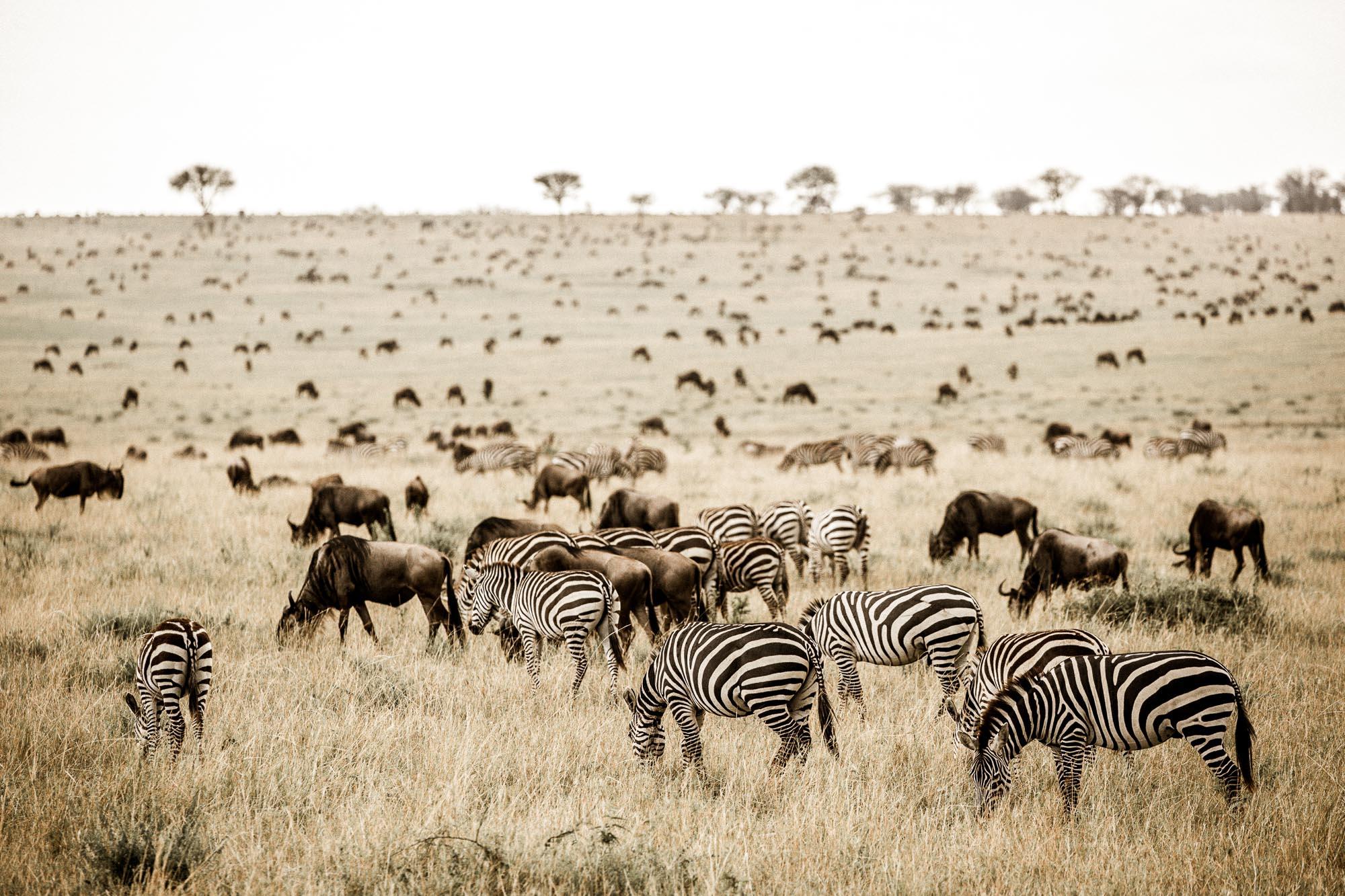
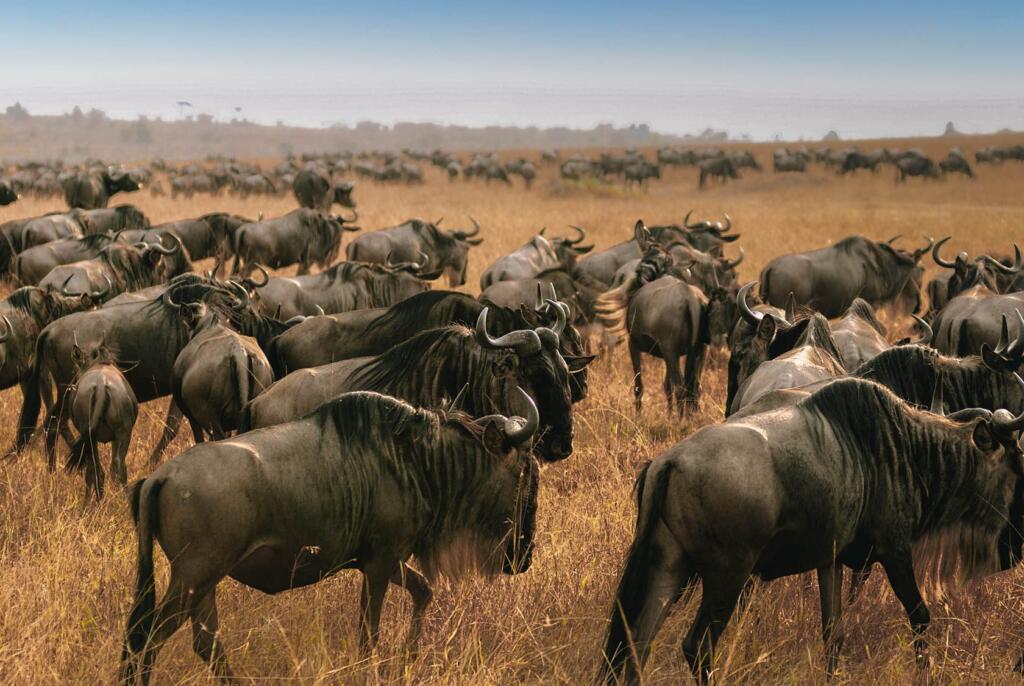
Witness more than 1.5 million wildebeest and thousands of zebra move across the plains in one of nature’s most extraordinary wildlife events.
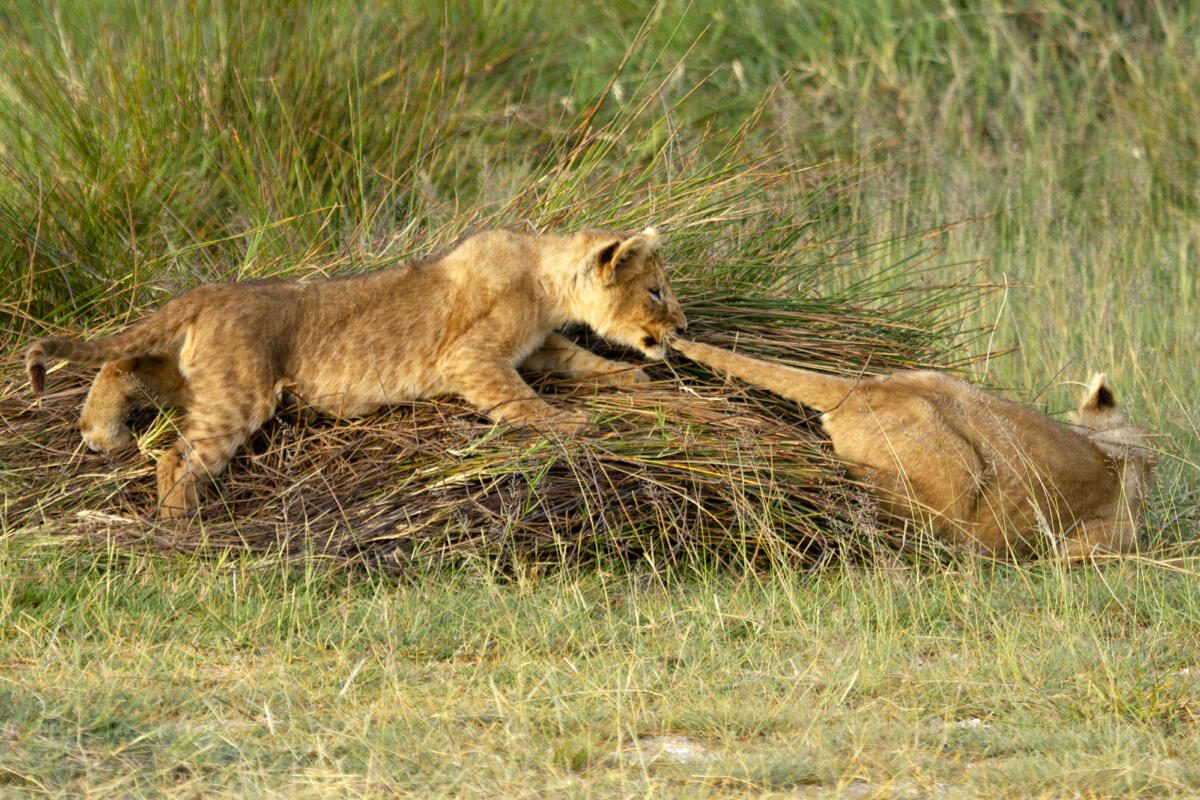
Year Round Big Cat Viewing
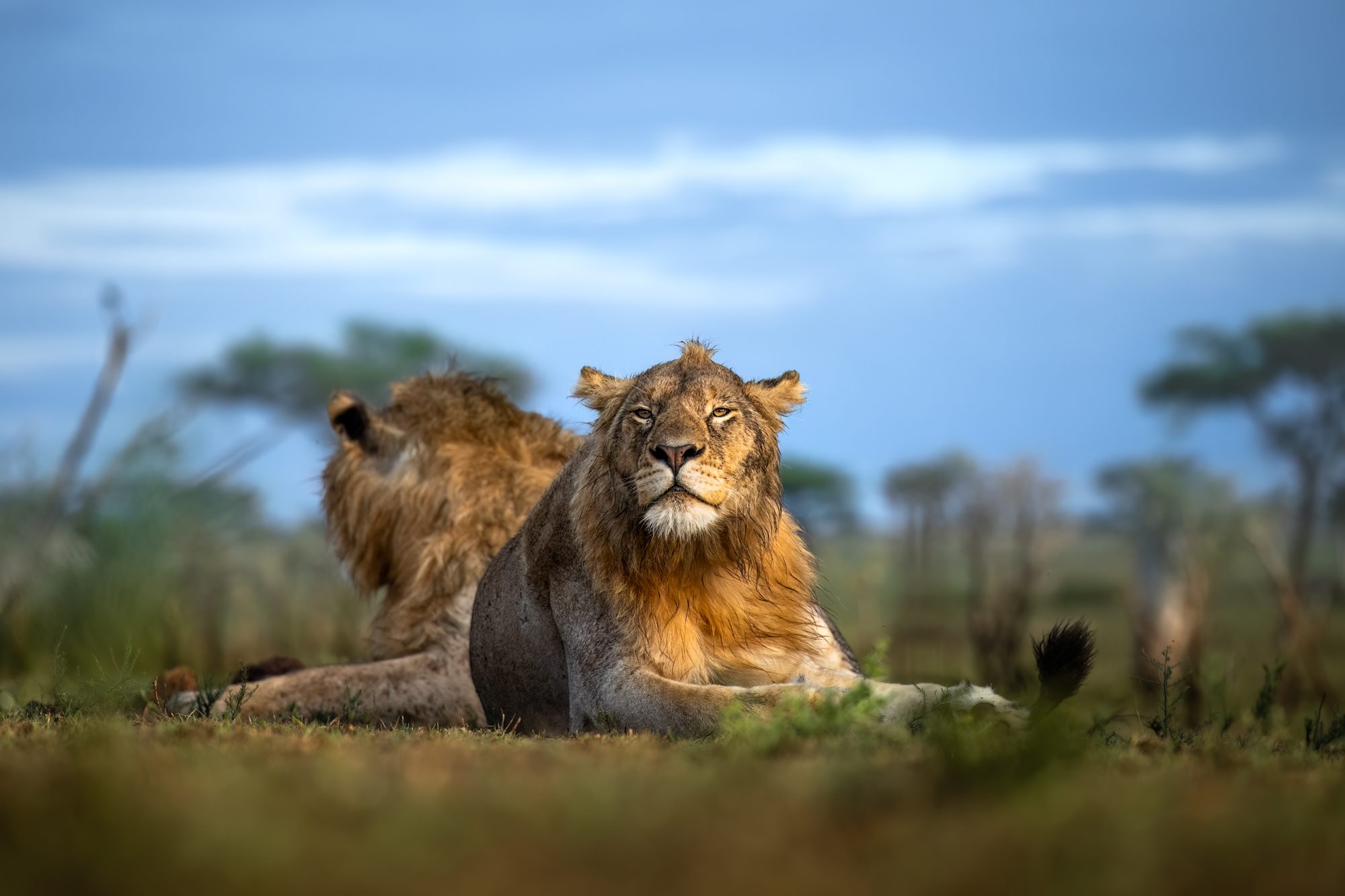
See large lion prides, territorial cheetahs and elusive leopards across the central and northern Serengeti, offering exceptional predator encounters.
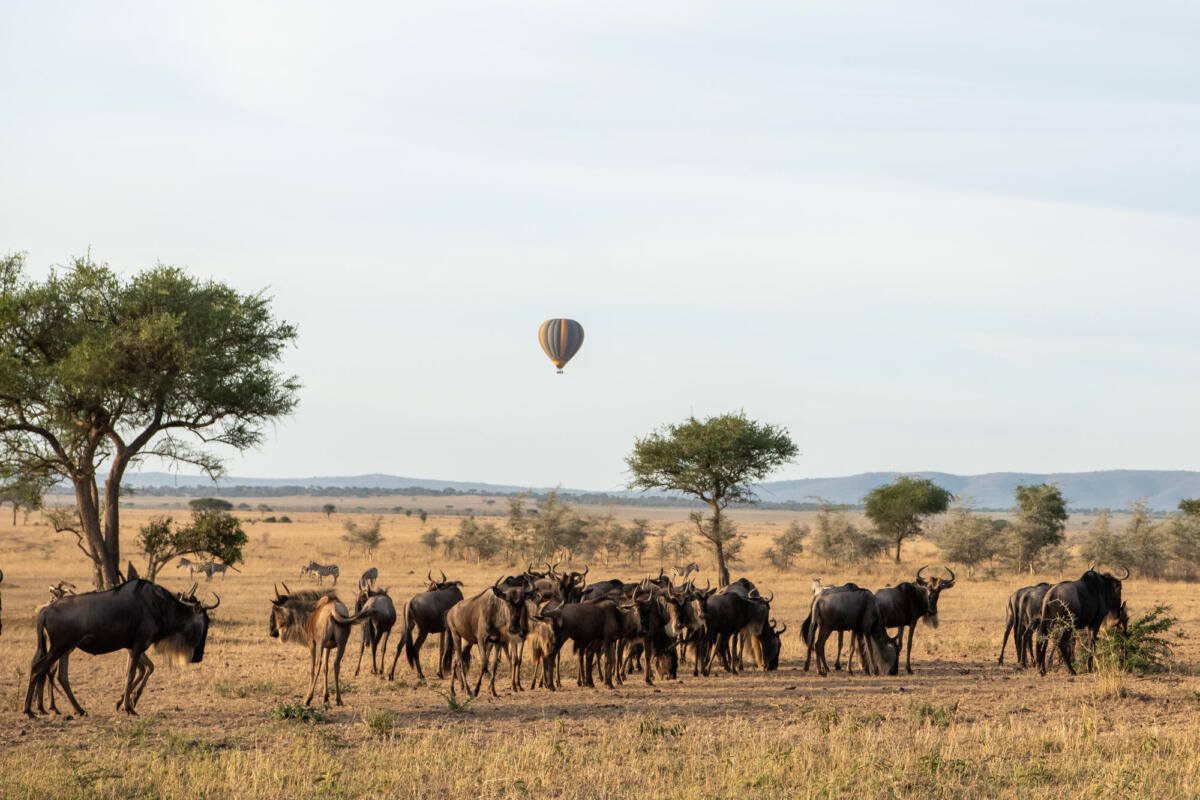
Balloon Safaris Over the Plains
Float above endless savanna at sunrise for sweeping views of wildlife, river systems and the scale of the Serengeti landscape.
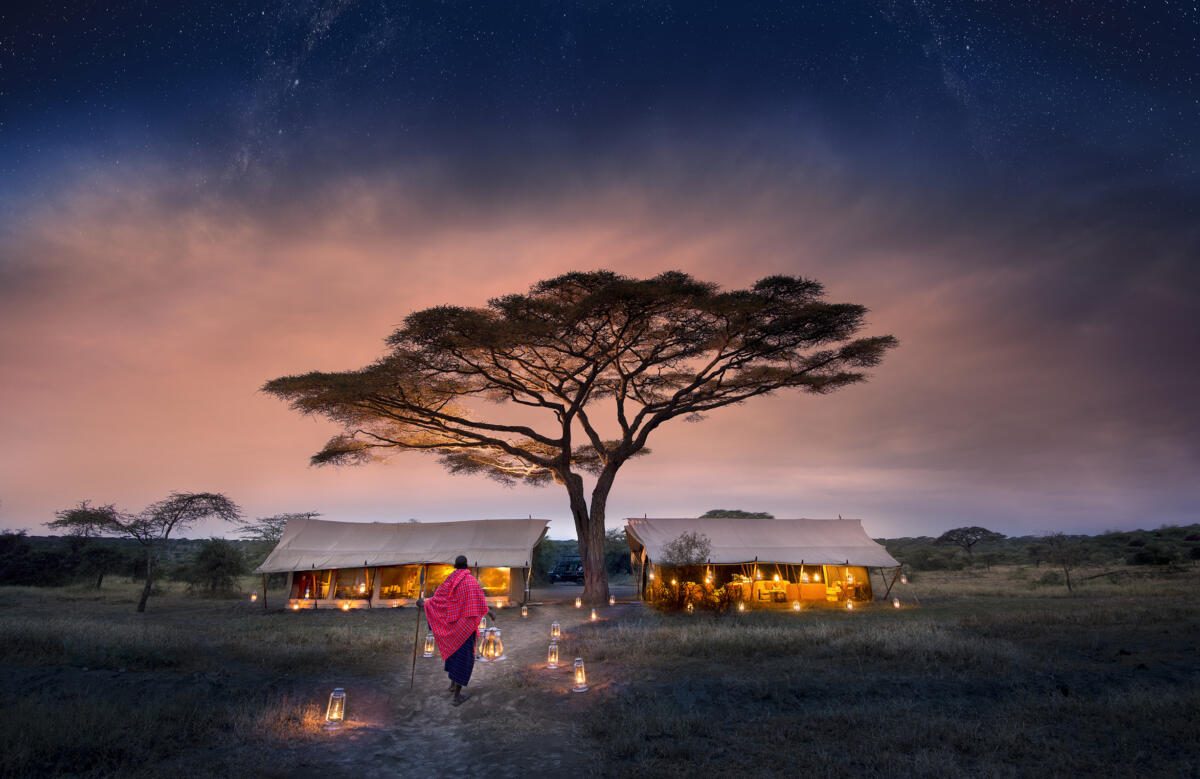
Luxury Mobile Camps
Stay in exclusive mobile tented camps that move seasonally to follow the Migration, placing you closer to river crossings, predator action and the most dramatic wildlife moments of the year.
Ready To Plan Your Safari in the Serengeti?
Let’s start designing your luxury Tanzania safari. Whether you’re after adventure, relaxation, or both, we’ll tailor every detail around how you want to experience Africa – with expert guidance at every step.
Ubuntu Travel’s Popular Serengeti Safaris
Discover Ubuntu Travel’s top Serengeti itineraries, combining Great Migration experiences, exceptional big cat viewing and luxury camp stays across Tanzania’s most iconic wilderness.
The Best of Tanzania
Arusha – 1 night
Ngorongoro Crater – 2 nights
Tarangire – 3 nights
Serengeti National Park – 3 nights
Zanzibar – 4 nights
East Africa's Finest Safari
Arusha – 1 night
Ngorongoro Crater – 2 nights
Serengeti National Park – 3 nights
Masai Mara – 3 nights
Great Migration: Calving Season
Arusha – 1 night
Tarangire National Park – 2 nights
Serengeti National Park – 3 nights
Masai Mara – 3 nights
THE UBUNTU TRAVEL DIFFERENCE
Personalized Itineraries
Attention to detail from start to finish
Conservation Promise
Travel with a purpose
Experts in Africa
Our team of travel experts know Africa
Personalized Itineraries
Attention to detail from start to finish
Conservation Promise
Travel with a purpose
Experts in Africa
Our team of travel experts know Africa
Ready to Plan Your Serengeti Safari?
Reach out today and connect with our expert team – we care about the whole journey, from your very first call to your final farewell on safari. Every itinerary is thoughtfully reviewed by our co-founders, Kyle and Leah, to reflect the kind of journey we’d take ourselves.
Serengeti National Park FAQs
When is the best time to visit the Serengeti?
The Serengeti is a rewarding year-round safari destination, with exceptional wildlife viewing in every season.
The best time to see dramatic Migration activity depends on where you travel within the ecosystem. From July to October, the northern Serengeti offers the chance to witness Mara River crossings. From January to March, the southern Serengeti and Ndutu region host the calving season, when around half a million wildebeest calves may be born over several weeks and predator activity intensifies.
From November to May, the rains transform the Serengeti, bringing greener landscapes, dramatic skies and excellent photographic conditions. The herds move through the central and southern regions during this period, while resident lion, leopard, cheetah and other wildlife continue to provide rewarding game viewing throughout the park.
Which area of the Serengeti should I visit?
Each region of the Serengeti offers a distinct safari experience, and the best choice depends on the season and what you hope to see.
- Central Serengeti: Known as Seronera, this region offers excellent year-round wildlife viewing, strong predator activity and some of the Serengeti’s best opportunities to see leopard.
- Northern Serengeti: Best known for Mara River crossings from July to October, alongside excellent resident wildlife and predator viewing.
- Southern Serengeti: Ideal from January to March for the calving season, when vast herds gather across the short-grass plains and predator activity intensifies.
- Western Serengeti and Grumeti: Known for open grasslands, strong year-round wildlife viewing and seasonal Migration activity as the herds move north. Private concessions such as Singita Grumeti offer greater exclusivity, low vehicle numbers and a wider range of safari experiences.
Many travelers combine two regions of the Serengeti to experience contrasting landscapes, wildlife and stages of the Migration.
How many nights should I spend in the Serengeti?
We generally recommend spending at least three nights in the Serengeti. This gives you enough time for several game drives and the opportunity to explore the region without feeling overly rushed.
Four to five nights offers a fuller Serengeti experience, with time for full-day game drives, hot-air ballooning, photography and enjoying the camp between activities. A longer stay also allows greater flexibility around wildlife movements and reduces the need to move between camps too frequently.
What wildlife can I expect to see in the Serengeti?
The Serengeti is world-renowned for the Great Wildebeest Migration, but it also offers exceptional year-round wildlife viewing. Wildlife commonly seen includes large lion prides, strong cheetah populations, leopard in the central and northern regions, elephant, giraffe, buffalo, spotted hyena and an impressive variety of plains game.
The calving season (January to March) attracts high concentrations of predators, while Mara River crossings in the north create some of Africa’s most dramatic wildlife encounters. With more than 500 recorded bird species, the Serengeti is also an outstanding destination for birding.
What is the difference between the Masai Mara and the Serengeti?
The Serengeti and the Masai Mara form one connected ecosystem, with wildlife moving between Tanzania and Kenya during the Great Wildebeest Migration. The Serengeti is far larger, covering approximately 3.6 million acres., and includes distinct regions such as the southern calving plains, central Seronera, the Western Corridor and the northern Mara River area.
The Masai Mara is smaller and offers more concentrated wildlife viewing, with exceptionally high lion numbers and excellent opportunities to see cheetah and leopard. Its surrounding private, community-owned conservancies provide lower vehicle numbers, controlled off-road viewing, night drives and guided walks.
Both destinations offer dramatic Mara River crossings, typically between July and October. The herds may cross back and forth between the northern Serengeti and the Masai Mara several times as they follow rainfall and fresh grazing.
Quick Comparison: Serengeti vs. Masai Mara
Serengeti National Park
- Much larger, with several distinct safari regions
- Exceptional year-round predator and wildlife viewing
- Best for the calving season from January to March
- Mara River crossings in the north, typically from July to October
- Wide choice of permanent lodges, tented camps, mobile camps and private concessions
- Known for vast landscapes, seasonal variety and long-distance wildlife movements
- Private concessions such as Singita Grumeti offer greater exclusivity and low vehicle numbers
Masai Mara National Reserve
- Smaller, with more concentrated wildlife viewing
- Exceptionally high lion density and excellent cheetah and leopard sightings
- Mara River crossings typically occur from July to October
- Private Mara Conservancies offer fewer vehicles and flexible safari activities
- Excellent for first-time safari travelers
- Strong cultural and conservation connections with Maasai landowners and communities
Best Combined Experience
- Serengeti for scale, varied landscapes and different stages of the Migration
- Masai Mara for concentrated wildlife viewing and private conservancy experiences
Should I stay in a mobile camp or permanent lodge?
Both can offer exceptional safari experiences, and the best choice depends on the season, your preferred level of comfort and how closely you want to follow the Great Migration.
Mobile camps relocate during the year to stay closer to the likely movement of the herds. They generally offer a more traditional tented safari experience in remote locations, with a strong connection to the surrounding wilderness. Examples from our lodge collection include andBeyond Serengeti Under Canvas, Songa Migrational Camp and Singita Explore.
Permanent lodges and camps remain in one location throughout the year. They often provide more extensive facilities, larger rooms and consistent access to excellent resident wildlife. Examples include Singita Sasakwa Lodge, Singita Faru Faru and Lemala Nanyukie Lodge.
For a longer Serengeti safari, we often recommend combining the two. This allows you to experience the seasonal flexibility of a mobile camp alongside the comfort and strong sense of place offered by a permanent lodge.
Is the Serengeti good for a first-time safari?
Yes. The Serengeti is one of Africa’s best destinations for first-time safari travelers, with vast open landscapes, abundant resident wildlife, exceptional predator viewing and a wide choice of luxury lodges and tented camps.
Its size also allows travelers to experience very different regions and seasonal wildlife events, from the calving season in the south to Mara River crossings in the north. However, choosing the right area is important, as wildlife movements and travel times vary throughout the year.
With thoughtful planning, excellent guiding and at least three to five nights in the right region, the Serengeti offers a complete and unforgettable introduction to safari.