
South Africa, Destination Map

Private Wilderness and Exceptional Wildlife

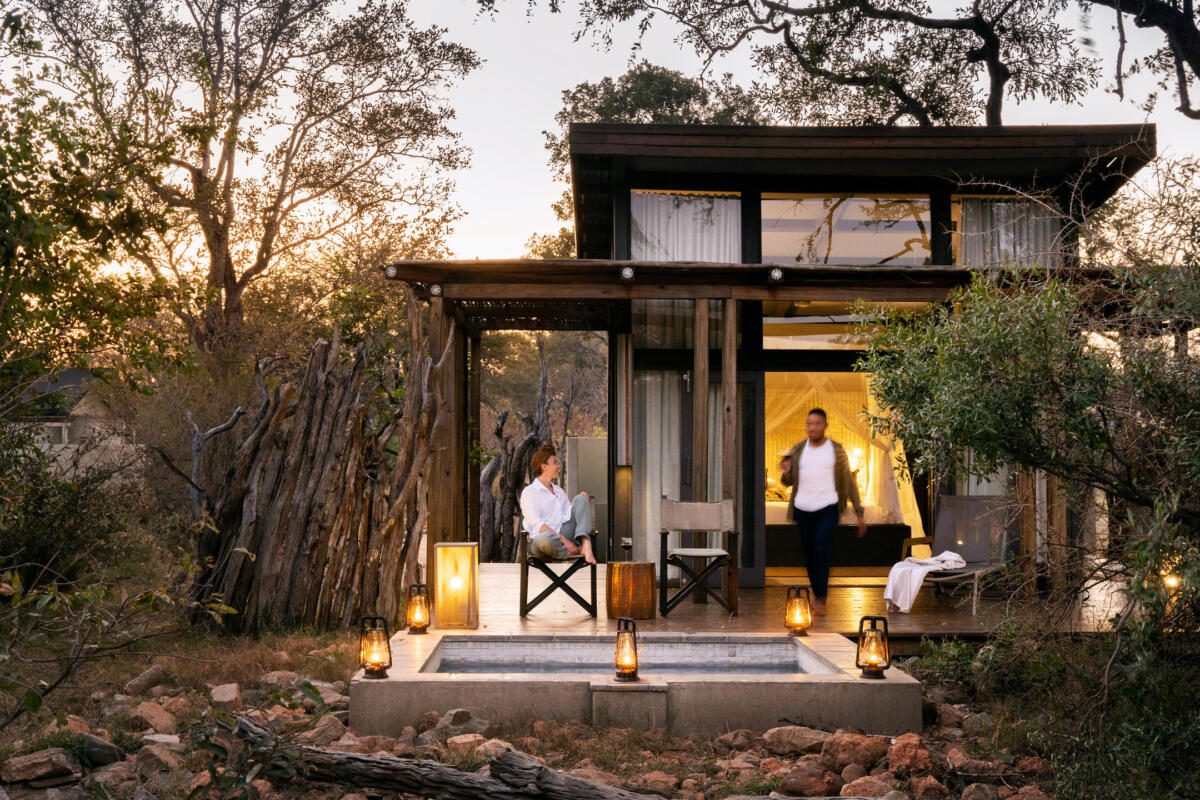
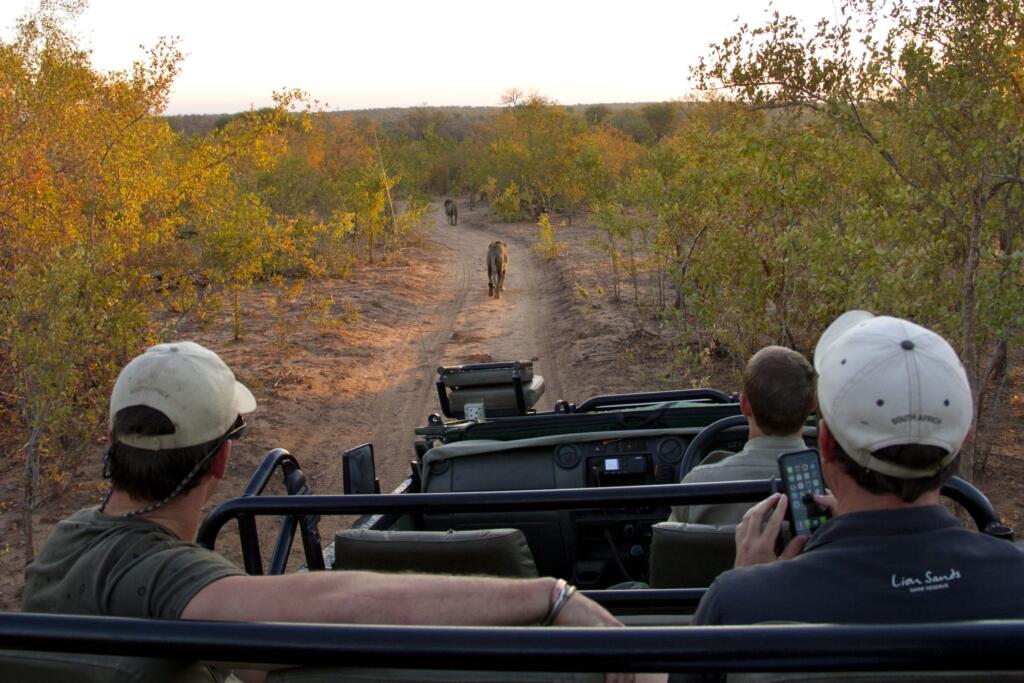
Sharing an unfenced border with Kruger National Park, Timbavati Nature Reserve spans more than 131,000 acres of protected wilderness within the Greater Kruger ecosystem. Known for its strong conservation ethos and low vehicle density, Timbavati offers a more private and immersive safari experience, where sightings are carefully managed and expertly guided.

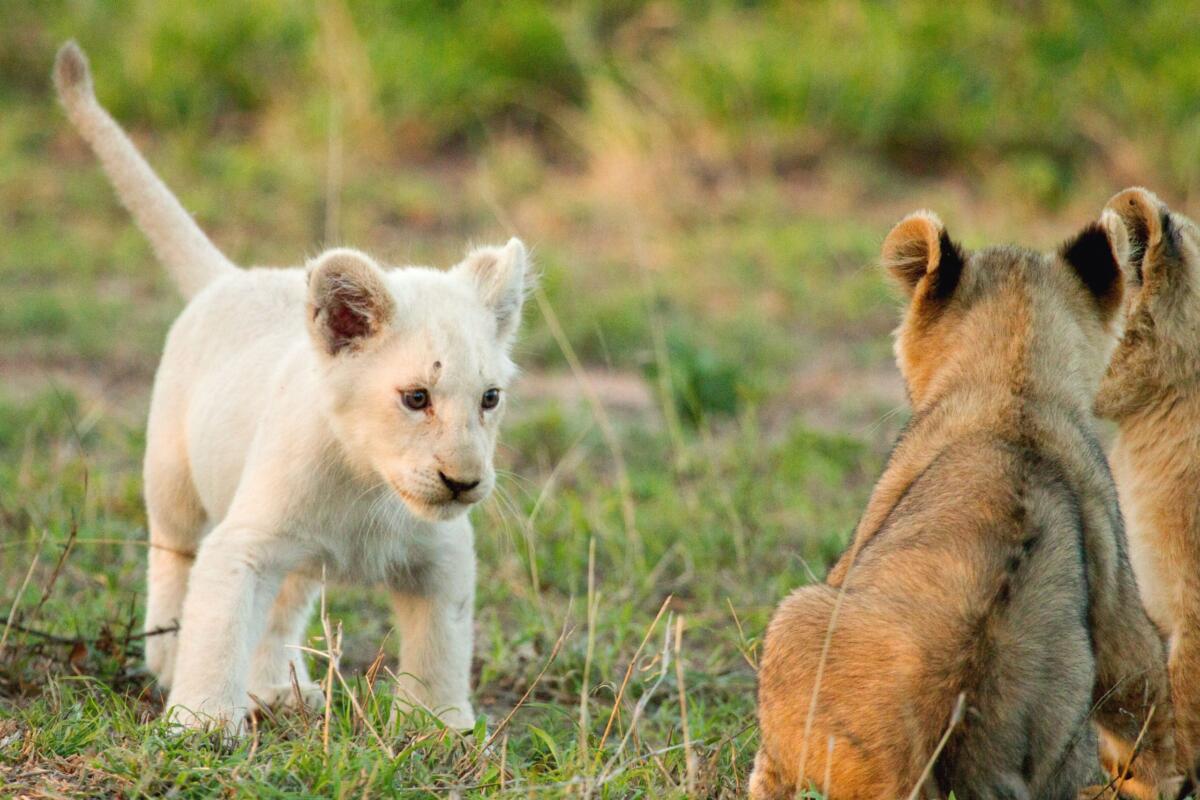
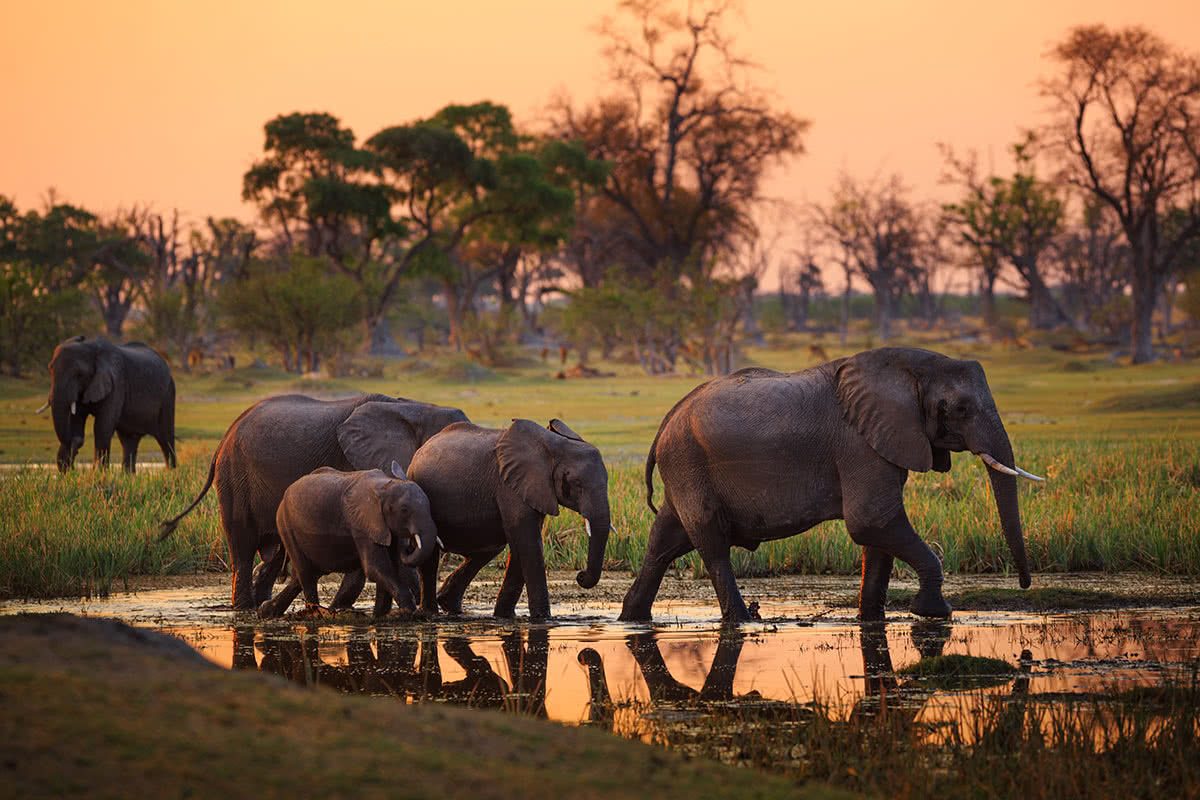
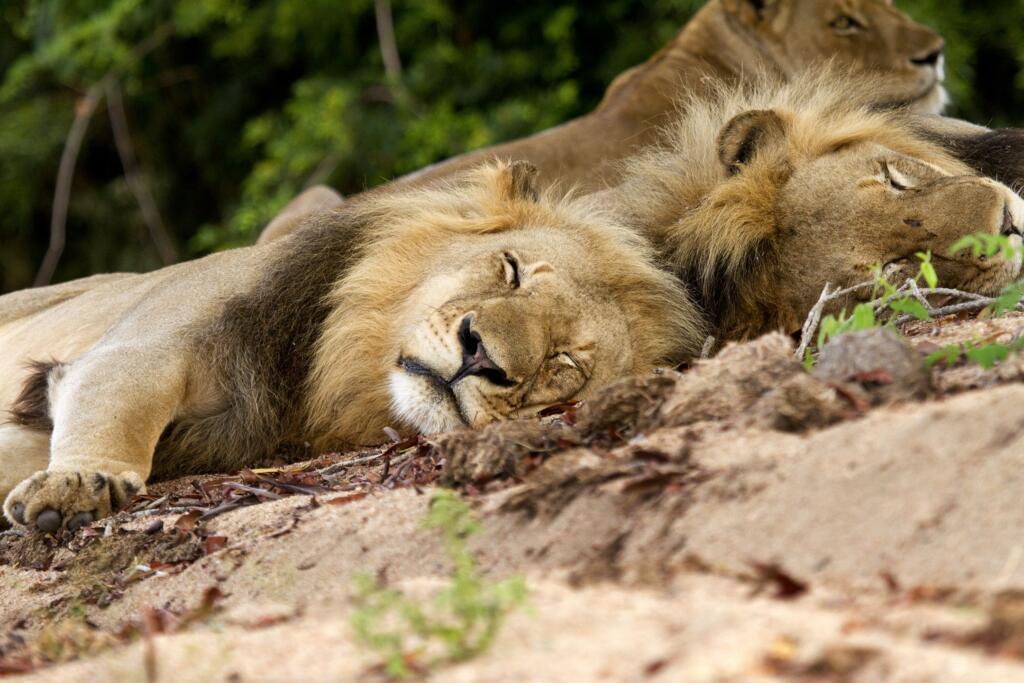
The reserve is particularly well known for its large herds of elephant and buffalo, impressive lion prides and naturally occurring white lions, a rare genetic variation that has become closely associated with the region. Timbavati is home to the Big Five, with the possibility of wild dog and even occasional cheetah sightings.

Unlike busier public safari areas, Timbavati’s private reserve model allows for a slower and more flexible safari rhythm, with fewer vehicles at sightings and guiding teams able to spend meaningful time tracking wildlife and interpreting animal behaviour.

Ready To Plan Your Safari to the Timbavati?

Let’s start designing your luxury safari to the Timbavati. Whether you’re after adventure, relaxation, or both, we’ll tailor every detail around how you want to experience Africa – with expert guidance at every step.

Ubuntu Travel's Popular Timbavati Nature Reserve Safaris

The itineraries below are just a few examples of the incredible trips our travel designers could plan for you. All trips are custom-made to your needs and preferences. Speak to a travel consultant today to start planning your dream vacation.

Suggested Itinerary 1
Suggested Itinerary 2

Greater Kruger Safari

12-Night Trip

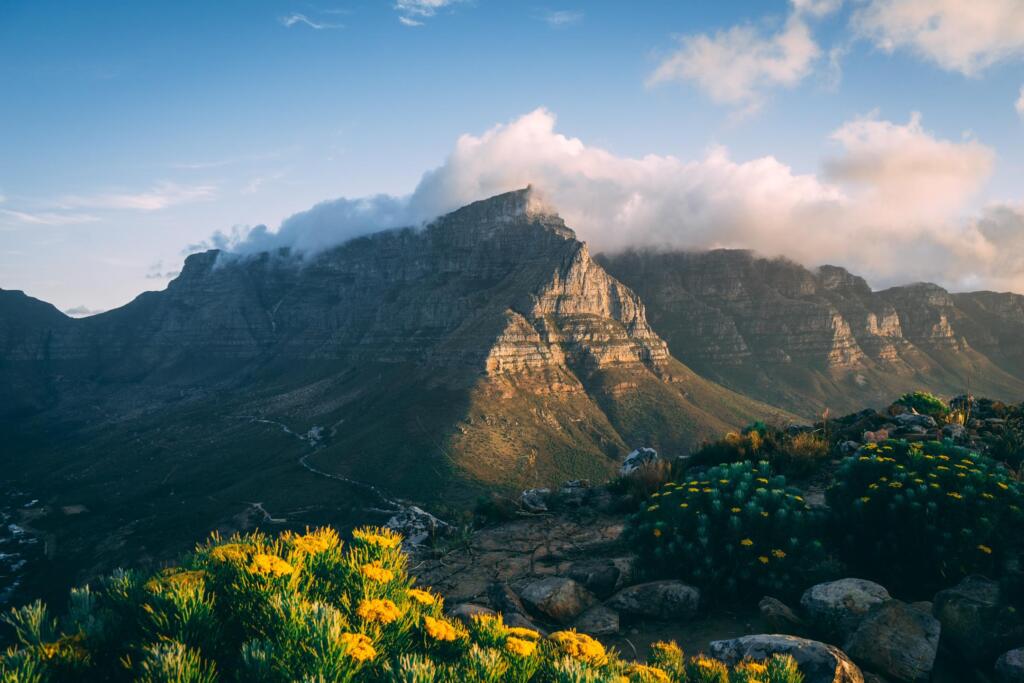
Cape Town – 3 nights
Timbavati Nature Reserve – 3 nights
Sabi Sand Nature Reserve – 3 nights
Victoria Falls – 3 nights

Southern Africa Honeymoon

Cape Town – 3 nights
Cape Winelands – 2 nights
Timbavati Nature Reserve – 3 nights
Sabi Sand Nature Reserve – 3 nights
Bazaruto Archipelago – 5 nights
THE UBUNTU TRAVEL DIFFERENCE

destination-90x90

Personalized Itineraries

Attention to detail from start to finish

ecology-90x90

Conservation Promise

Travel with a purpose

africa-90x90

Experts in Africa

Our team of travel experts know Africa
destination-90x90

Personalized Itineraries

Attention to detail from start to finish

ecology-90x90

Conservation Promise

Travel with a purpose

africa-90x90

Experts in Africa

Our team of travel experts know Africa
Ready to Plan Your Luxury Safari?

Reach out today and connect with our expert team – we care about the whole journey, from your very first call to your final farewell on safari. Every itinerary is thoughtfully reviewed by our co-founders, Kyle and Leah, to reflect the kind of journey we’d take ourselves.

When is the Best Time to Visit the Timbavati Nature Reserve

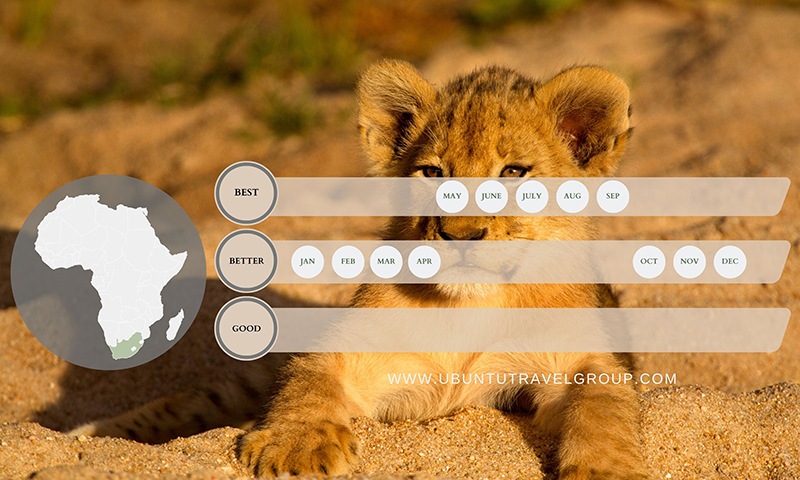
Timbavati is a rewarding year-round safari destination, with each season bringing different wildlife behaviour, landscapes and photographic conditions. Seasonal changes here are less about whether the safari is “good or bad” and more about the style of experience you are looking for.

Dry Season (May to September)

The dry winter months are traditionally considered the best time for wildlife viewing in Timbavati. Vegetation thins out, water sources become more limited and animals gather more predictably around rivers and waterholes. Cooler temperatures also make for comfortable game drives and excellent walking conditions.

Large elephant and buffalo herds are commonly seen during this time, while lion sightings are often particularly strong as predators take advantage of concentrated prey movement.

Safari Highlights in the Dry Season 

  • Excellent Big Five visibility
  • Cooler mornings and comfortable daytime temperatures
  • Strong predator activity around waterholes

Green Season (November to March)

Summer transforms Timbavati into a greener and more dramatic landscape, with afternoon thunderstorms, rich colours and excellent birdlife. This is a particularly rewarding time for photography, with moody skies, vibrant vegetation and softer light conditions.

Safari Highlights in the Green Season 

  • Beautiful green landscapes and dramatic skies
  • Excellent birding and migratory species
  • Young animals and seasonal predator activity

Shoulder Months (April, October and November)

The shoulder months offer a balance between strong wildlife viewing and changing seasonal conditions. Temperatures begin shifting, vegetation changes quickly and the reserve often feels quieter between peak travel periods.

Safari Highlights in the Shoulder Months 

  • Balanced weather and good wildlife viewing
  • Excellent photographic light and changing landscapes
  • Ideal timing for Cape Town and safari combinations

 Timbavati Nature Reserve FAQs

When is the best time to visit Timbavati Nature Reserve?

Timbavati is a rewarding year-round safari destination, with each season offering a different style of safari.

  • The dry season from May to September is best for clear wildlife visibility, as the bush thins out and animals gather more predictably around rivers and waterholes. This is an excellent time for Big Five viewing, predator activity and comfortable morning and afternoon game drives.
  • The green season from November to March brings warmer days, afternoon storms, lush vegetation and excellent birding. Wildlife can be slightly harder to spot in thicker bush, but the reserve feels alive, with migratory birds, newborn animals and dramatic photographic conditions.
  • The shoulder months of April, October and November offer a strong balance of good sightings, changing landscapes and comfortable weather. These months also pair well with Cape Town, making them ideal for a South Africa safari and city combination.

Is Timbavati part of Kruger National Park?

Timbavati is not part of Kruger National Park, but it forms part of the Greater Kruger ecosystem and shares an unfenced boundary with the park. This allows wildlife to move naturally between Timbavati, Kruger and neighbouring private reserves.

The major difference is the safari experience. Timbavati operates as a private nature reserve, which means fewer vehicles, carefully managed sightings and expertly guided game drives with guide and tracker teams. This creates a quieter, more flexible and more intimate safari experience than the public areas of Kruger.

What wildlife can I expect to see in Timbavati?

Kwandwe is home to the Big Five, including elephant, lion, leopard, buffalo and rhino. The reserve also supports a range of rarer species such as brown hyena, cheetah, serval and African wildcat, along with excellent birdlife including the endangered blue crane.

What wildlife can I expect to see in Timbavati?

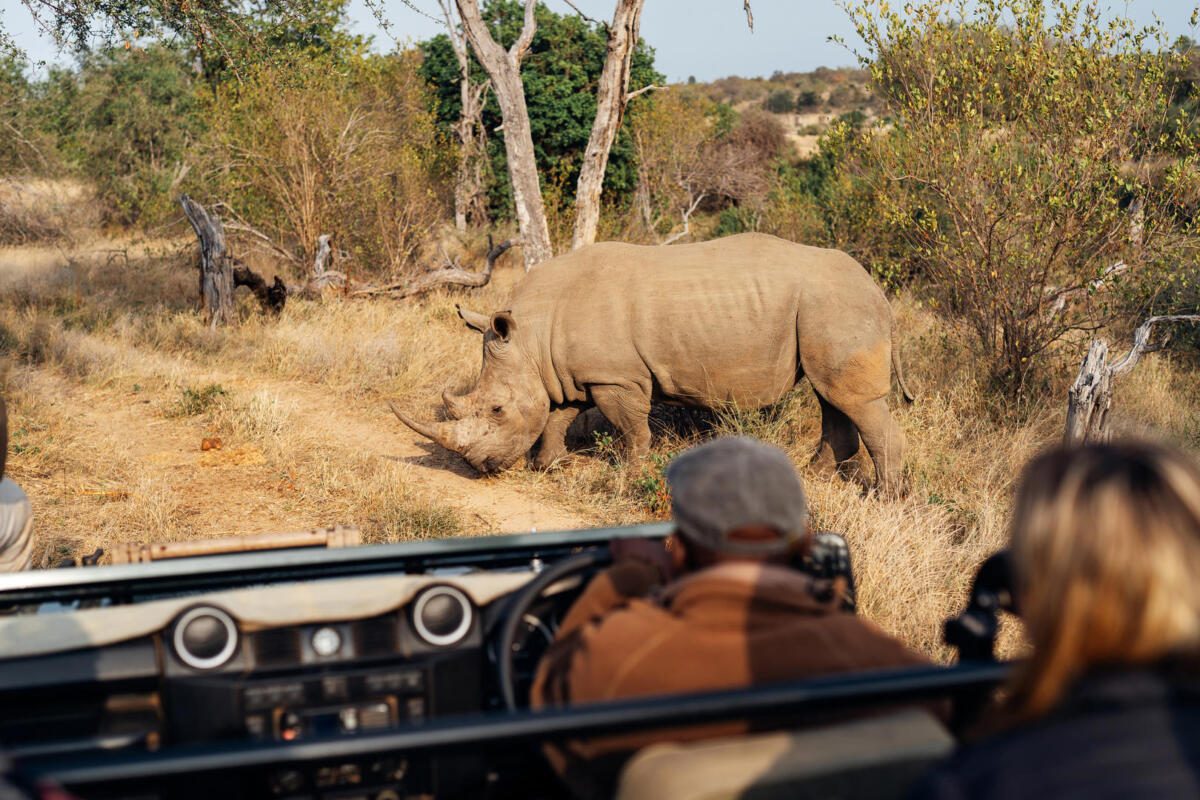
Timbavati is a Big Five destination, with the opportunity to see lion, leopard, elephant, rhino and buffalo. The reserve is especially known for large elephant and buffalo herds, impressive lion prides and strong predator activity.

The region is also closely associated with naturally occurring white lions, a rare genetic variation that has been recorded in the Timbavati area for decades. Sightings are never guaranteed, but the white lion story remains an important part of the reserve’s identity.

Guests may also see hyena, giraffe, zebra, kudu, waterbuck and a wide range of birdlife. Wild dog and cheetah are less common, but both are possible on occasion.

What makes Timbavati different from Sabi Sand?

Timbavati and Sabi Sand both form part of the Greater Kruger ecosystem, but they offer different safari styles. Sabi Sand is especially famous for leopard viewing and has some of South Africa’s most established luxury lodges. Timbavati can tend to feel quieter, and more understated.

For travellers who want highly polished luxury and exceptional leopard sightings, Sabi Sand is hard to beat. For those who prefer a slower, more spacious safari with strong elephant, buffalo and lion viewing, Timbavati is an excellent choice.

How do you get to Timbavati Nature Reserve?

Timbavati is one of the more accessible luxury safari destinations in South Africa, making it a popular choice for travellers combining safari with Cape Town or Johannesburg.

Most guests fly from Johannesburg to Hoedspruit or one of the nearby private airstrips servicing the reserve. Flight times are typically around one hour, followed by a short road transfer to camp. Private charter flights can also be arranged directly into Timbavati for a more seamless experience.

For travellers already visiting Cape Town, Timbavati connects particularly well via direct regional flights, allowing for an easy city and safari combination without extensive travel days.

Cape Town in Winter: An Insider’s Guide

Read More

A Beginner’s Guide to your First Safari in 2022

Read More

7 Reasons why you need Binoculars on Safari

Read More