



Most travelers associate Kenya’s Masai Mara with one defining spectacle: the Great Wildebeest Migration.
And for good reason.
Each year, typically between July and October, vast herds of wildebeest, gazelle, eland and zebra move between the Serengeti and the Mara, creating some of Africa’s most dramatic wildlife scenes. But what if you cannot travel to Kenya during migration season, or you have already experienced it? Is a Masai Mara safari still worth it outside the peak migration months?
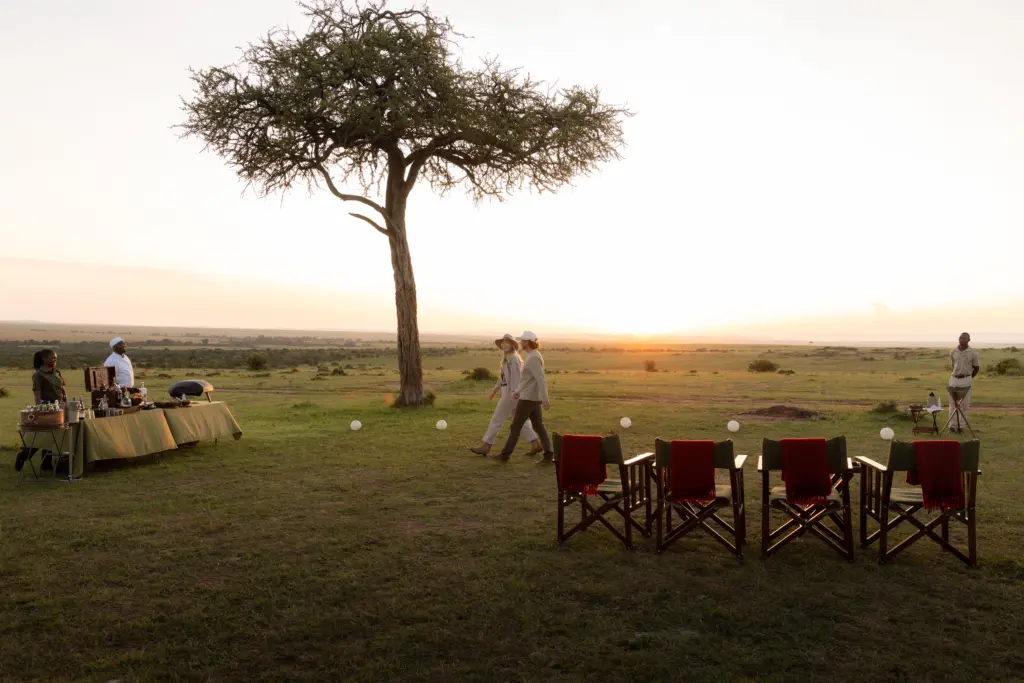
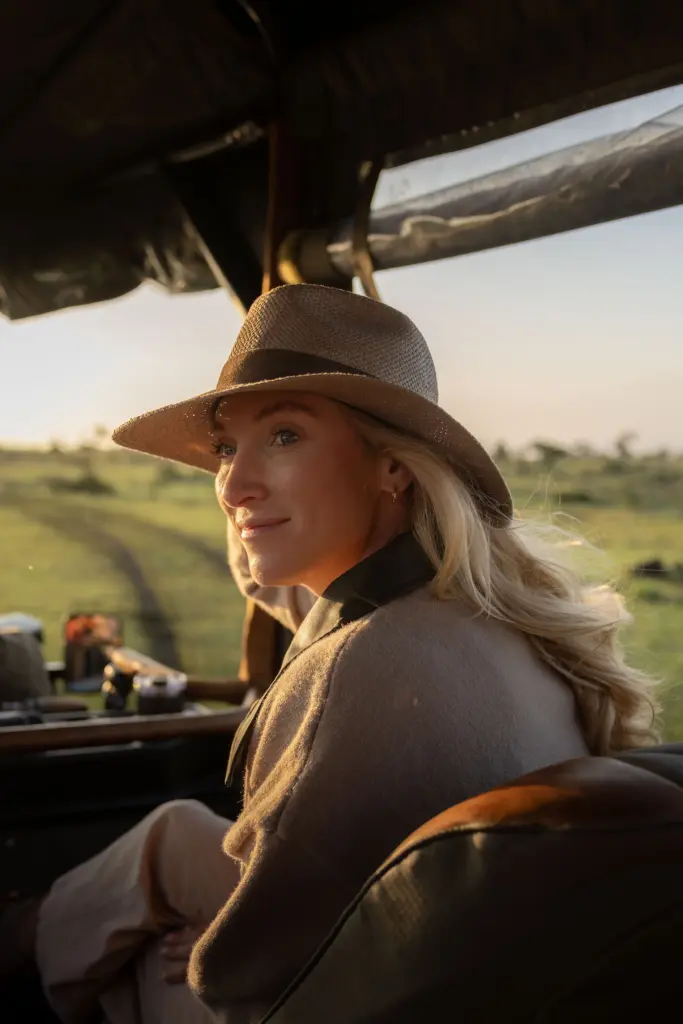
To answer those questions, Ubuntu Travel Co-founders Kyle and Leah Green visited the Masai Mara in March, outside the traditional migration period, as part of a wider journey through Kenya that also included Laikipia.
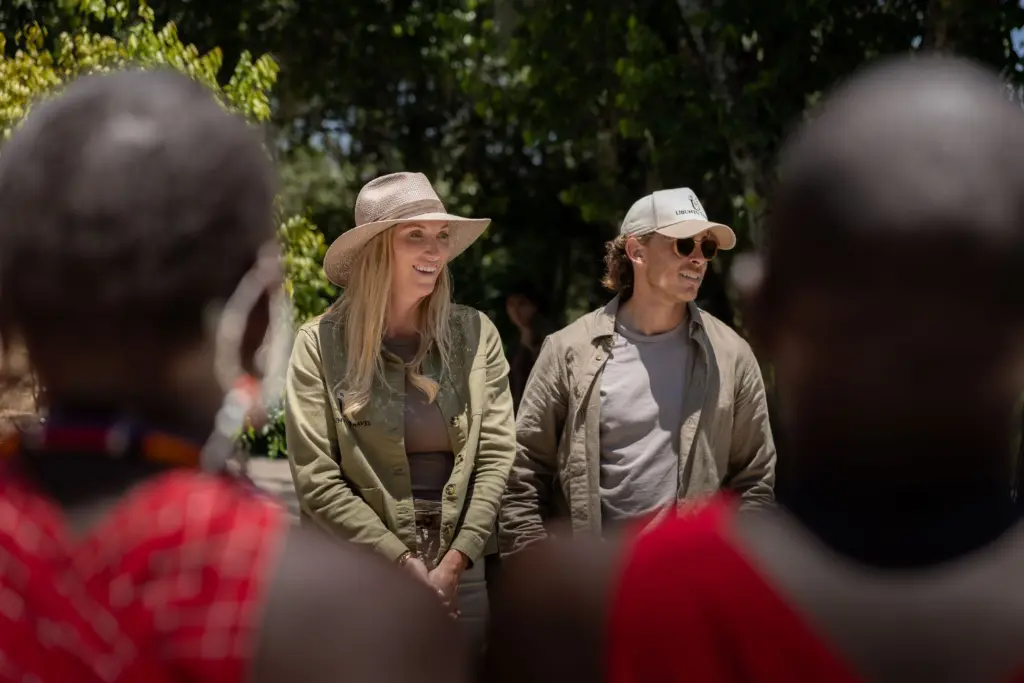
Their journey included both the Masai Mara National Reserve and several of the surrounding private Mara Conservancies. These conservancies form part of the wider Masai Mara ecosystem, where wildlife moves freely across unfenced landscapes. However, they typically offer a different safari experience from the National Reserve, with lower vehicle densities, more flexible activities, and a quieter, more exclusive atmosphere.
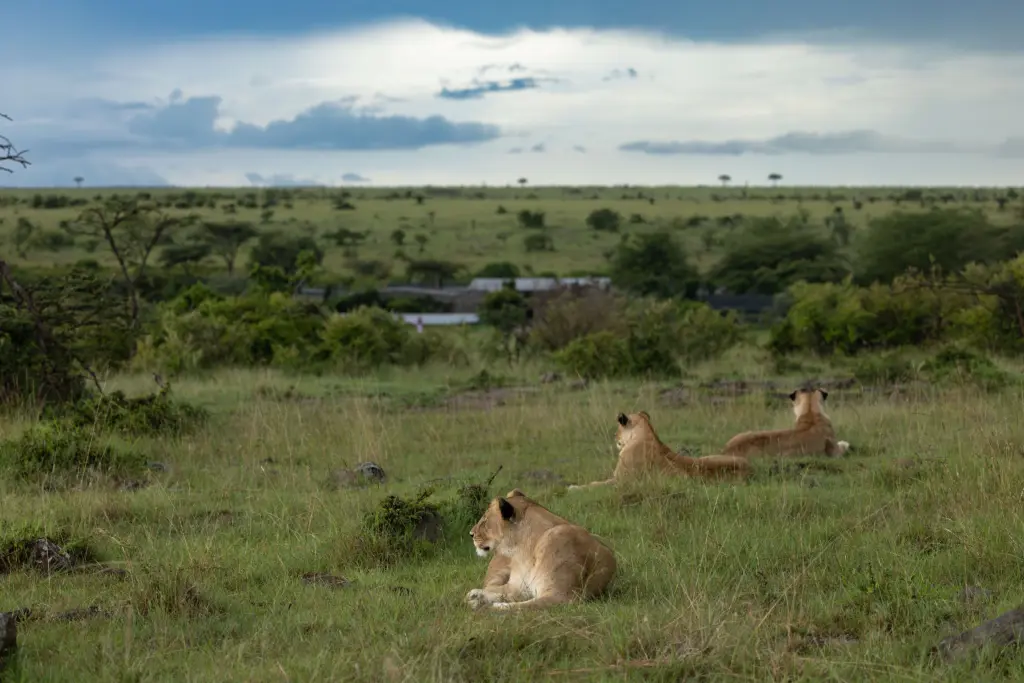
Kyle and Leah’s goal was simple: to experience and better understand the Masai Mara and its neighboring conservancies outside the Great Migration season. They wanted to visit lodges in different areas, see how the wildlife viewing compared, and understand how best to include the region within a tailor-made Kenya itinerary.
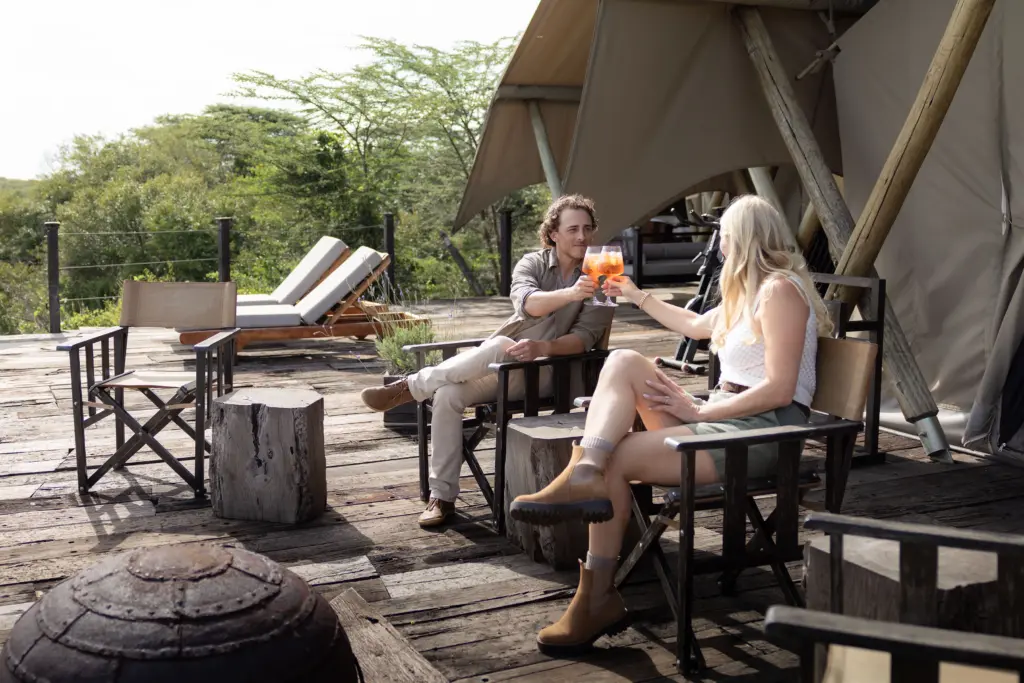
This guide shares what they found, along with practical advice to help you plan a Masai Mara safari beyond the Great Migration with Ubuntu Travel.
WATCH: The Masai Mara Beyond the Great Migration
Join Ubuntu Travel Co-founders Kyle and Leah Green as they explore the Masai Mara National Reserve and its neighboring private Mara Conservancies outside the peak migration season.
In just over a minute, discover why this celebrated safari region offers far more than seasonal river crossings, from exceptional predator sightings and wide-open landscapes to quieter conservancy experiences and some of Kenya’s most rewarding luxury lodges.
Why the Masai Mara Is Worth Visiting Beyond the Great Migration
This is one of the most important questions travelers ask us when planning an East Africa safari. Through experience, we know the Masai Mara can be rewarding at any time of year. But because a safari is a meaningful investment of both time and money, these are five of the considerations we work through when helping travelers decide how and when to experience the Masai Mara.
The Great Migration Is Only One Part of the Mara Story
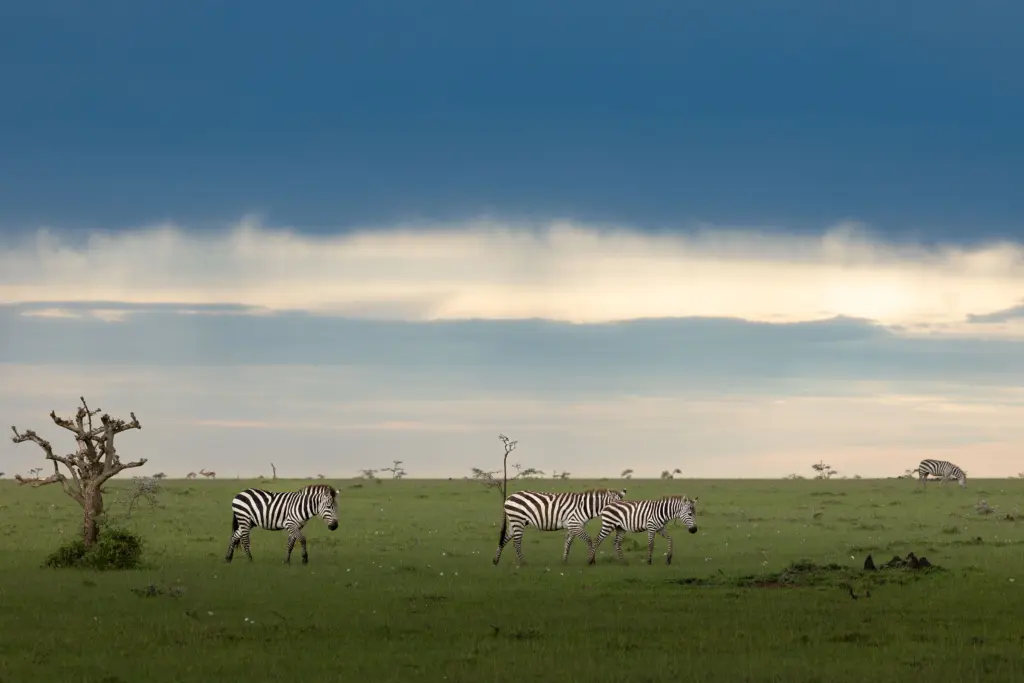
The Great Wildebeest Migration has made the Masai Mara world famous for good reason. Each year, an estimated 1.5 million wildebeest, 400,000 zebra, 300,000 Grant’s and Thomson’s gazelle, and around 12,000 eland move across more than 500 miles of the Serengeti-Mara ecosystem, creating one of Africa’s most iconic wildlife spectacles.
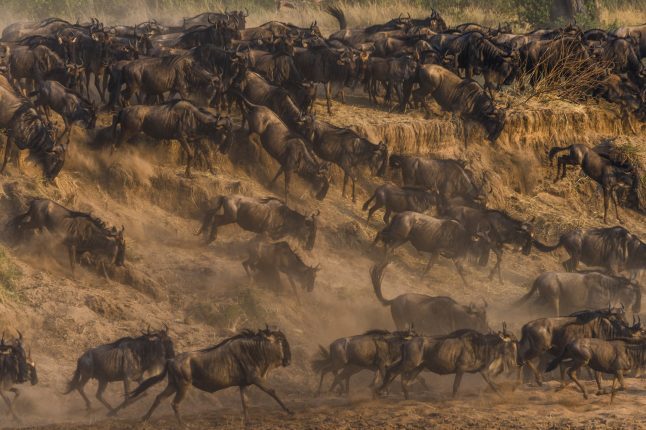
For many travelers, the most anticipated moments are the dramatic Mara River crossings, when huge herds gather at the river’s edge before entering crocodile-inhabited waters. These scenes are among Africa’s most iconic wildlife spectacles.
However, it’s only one way to experience the Masai Mara.
The Reality of Peak Migration Season
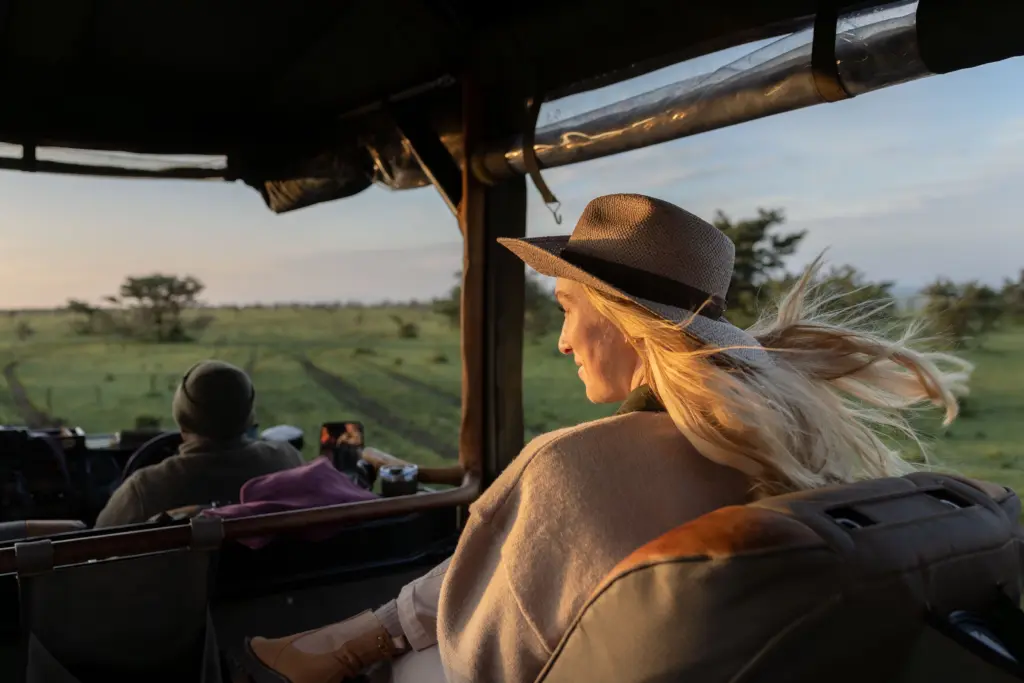
Many first-time visitors travel during the peak migration months hoping to witness a major river crossing. These moments can be extraordinary, but they can also attract large numbers of vehicles, especially around well-known crossing points. Recently, this point has been highlighted on many social media platforms, and it is a concern the industry needs to reflect on. We have a role to play in the solution.
Above Video: Taken by Director of Operations, Jenna Chase.
Where possible, we like to suggest alternative options. Like, for example, the above video, where our Director of Operations Jenna Chase is viewing a Great Migration crossing in Northern Serengeti during the month of October.
Kyle and Leah deliberately did the opposite. They traveled in March, outside the migration period, to lodges like Ishara Mara and based much of their Masai Mara safari in the Mara Conservancies surrounding the National Reserve.
Why Private Mara Conservancies Matter
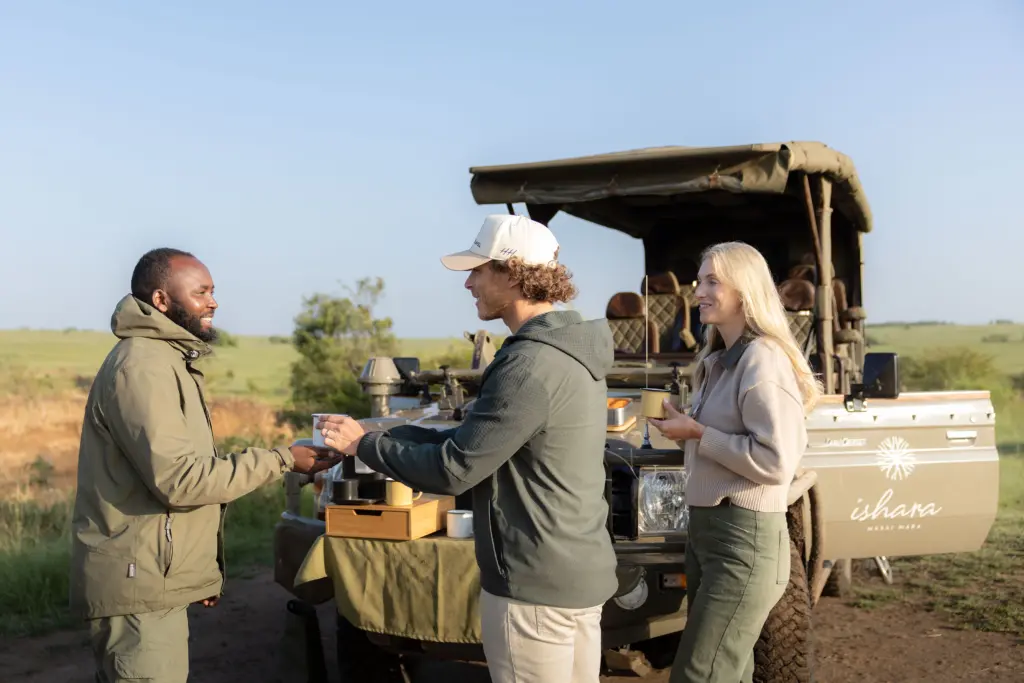
These conservancies offer a different style and experience on safari. Due to limited vehicles in the conservancies, they are generally calmer and more private, while still forming part of the wider Masai Mara ecosystem.
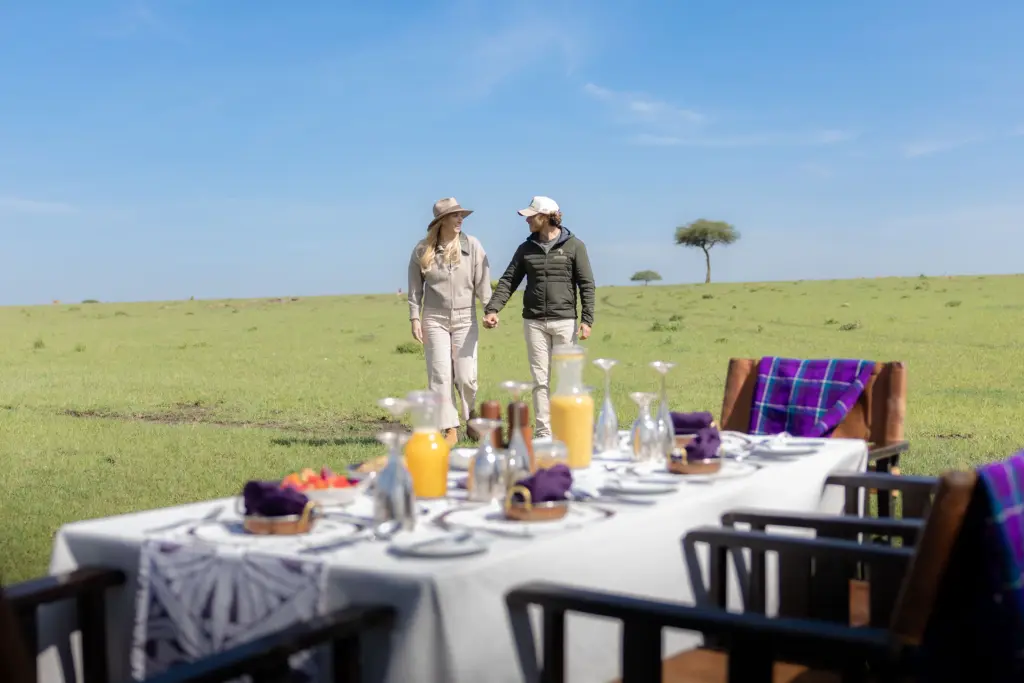
Depending on where you stay, private conservancies may allow off-road driving, night drives, walking safaris, and more flexible activities. These are experiences that are generally not available in the same way inside the Masai Mara National Reserve, giving guests a deeper and more varied way to experience the landscape and its wildlife.
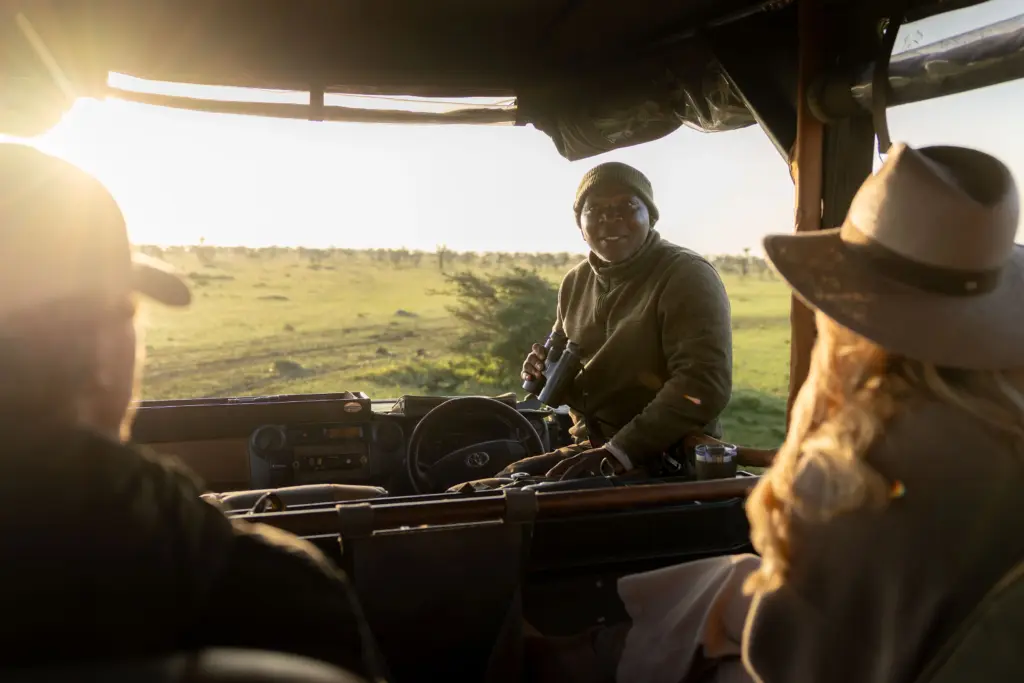
With fewer vehicles, responsible tourism models and exceptional guiding, the Mara Conservancies offer a rare blend of privacy, conservation and classic Masai Mara beauty.
Resident Wildlife Throughout the Year
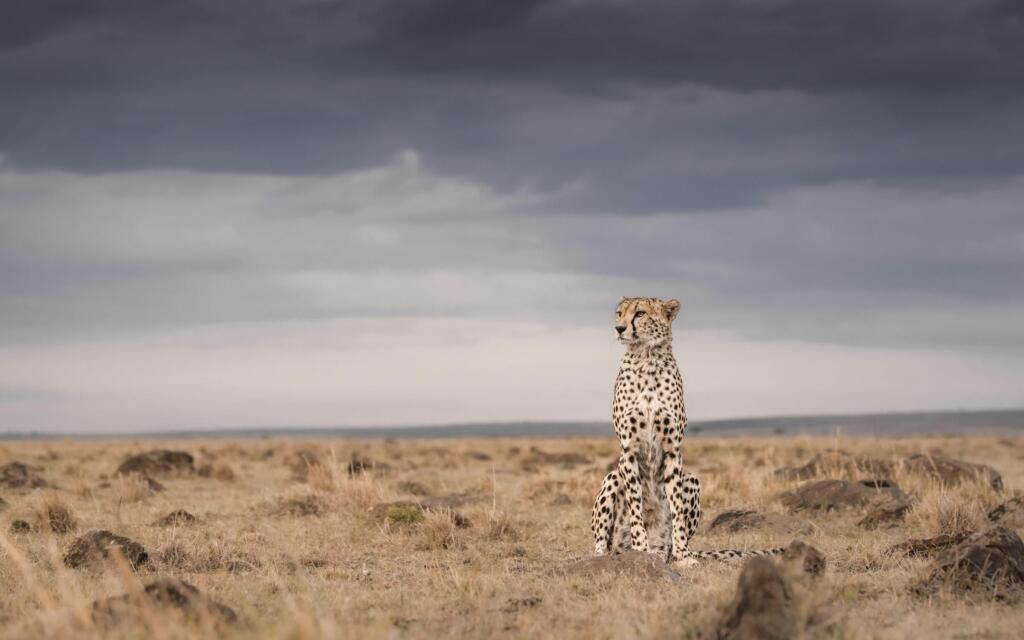
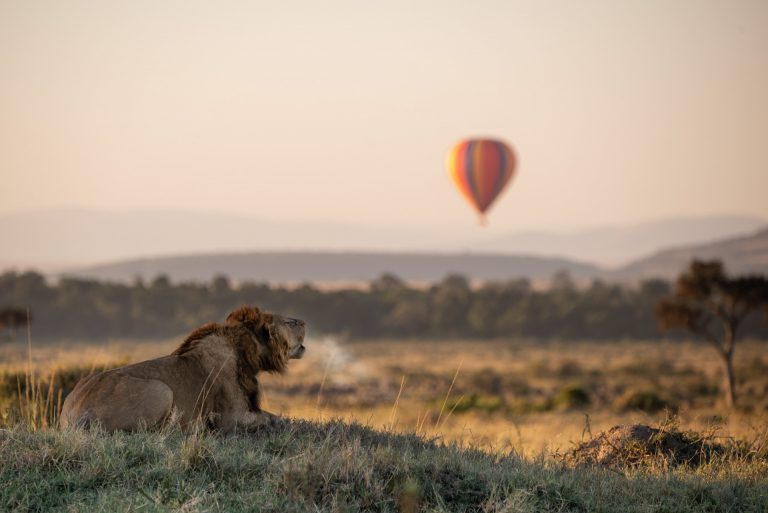
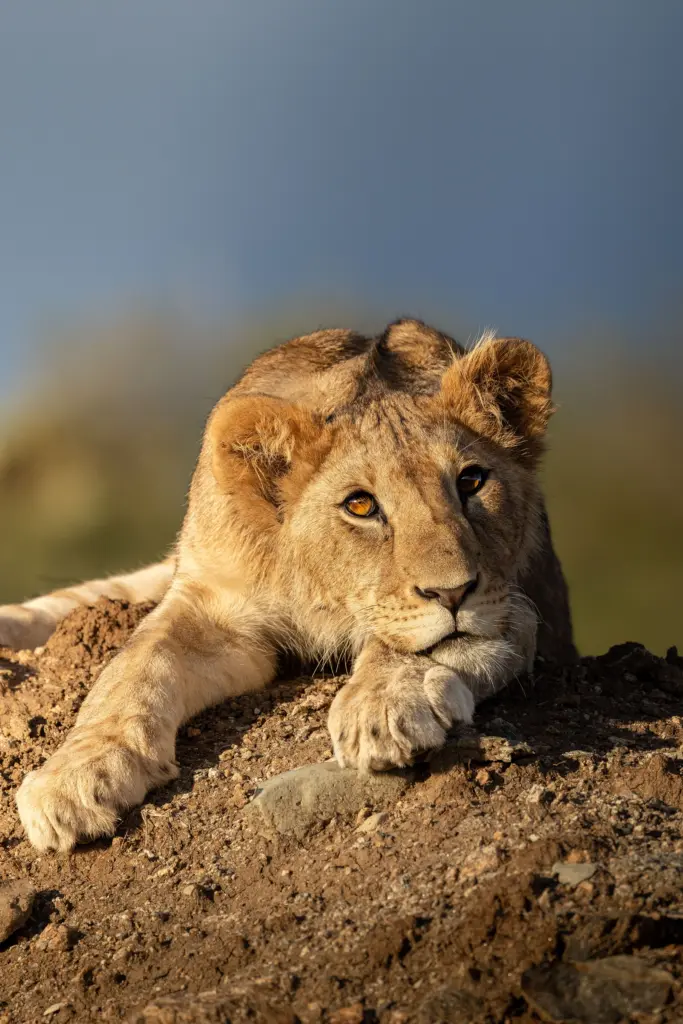
The conservancies also share the same remarkable ecosystem as the Reserve. Lions, leopards, elephants, buffalo, giraffes, cheetahs, and countless other species live in both the reserve and the surrounding conservancies year-round.
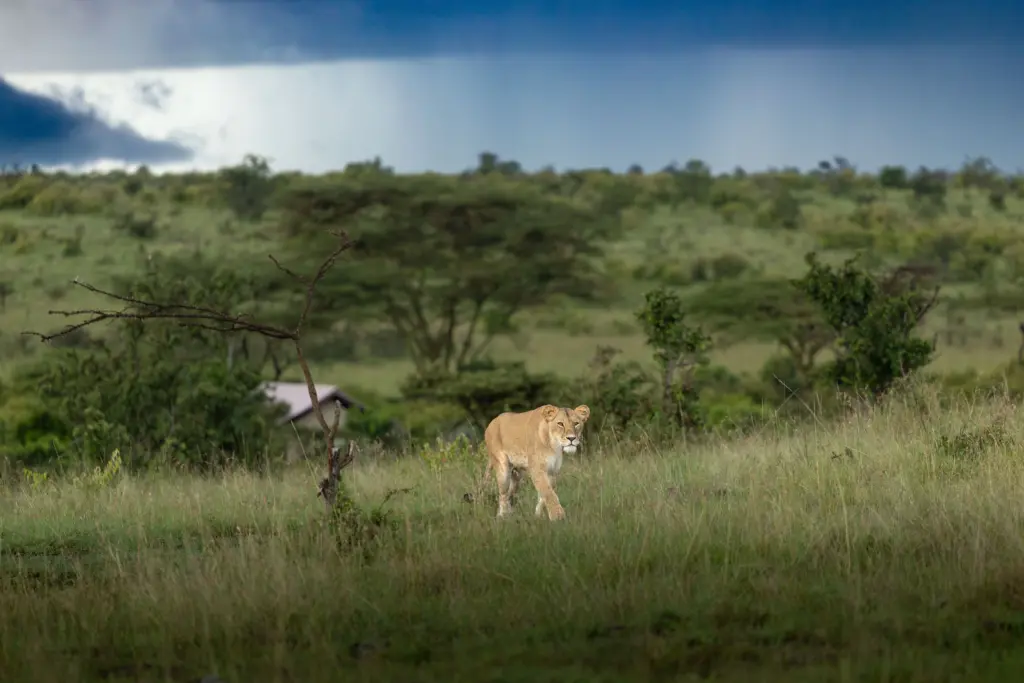
That means exceptional wildlife viewing isn’t limited to the migration months.
Kyle and Leah experienced this firsthand. Despite traveling outside the peak safari season, they enjoyed outstanding predator sightings and came away convinced that the Masai Mara has just as much to offer at other times of year.
As Leah explained: “You don’t need to be there during the migration for it to be an amazing game-viewing experience. The resident game there is exceptional.”
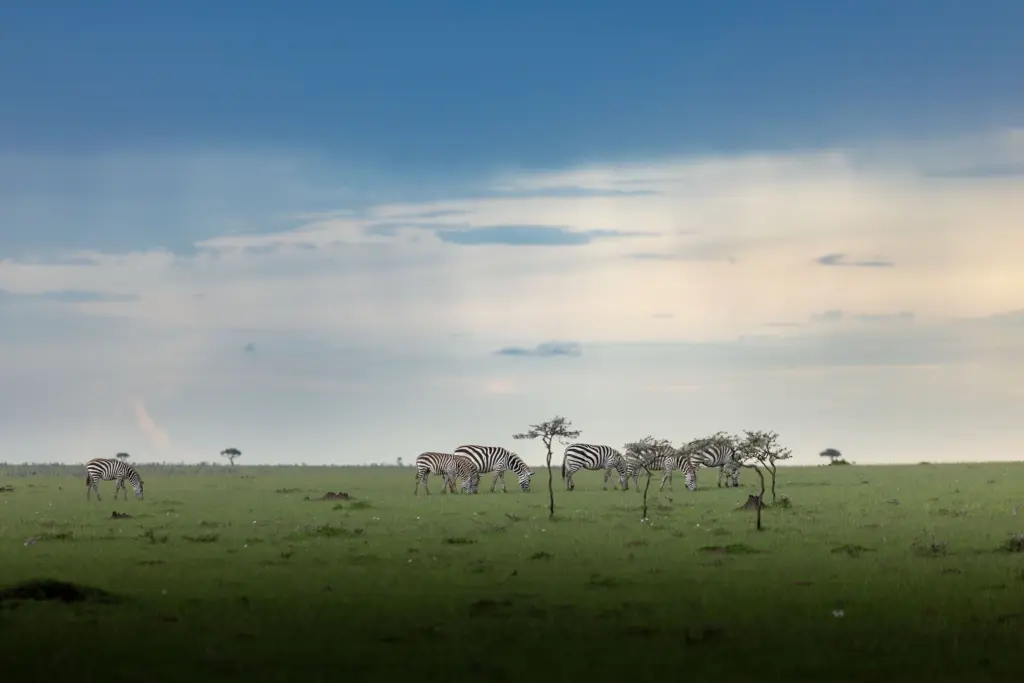
A Different Feel in the Green Season
Traveling during the green season, from November to May, also changes the feel of a safari. Seasonal rains leave the landscape lush and green, visitor numbers are generally lower, and many camps and conservancies offer a more private atmosphere.
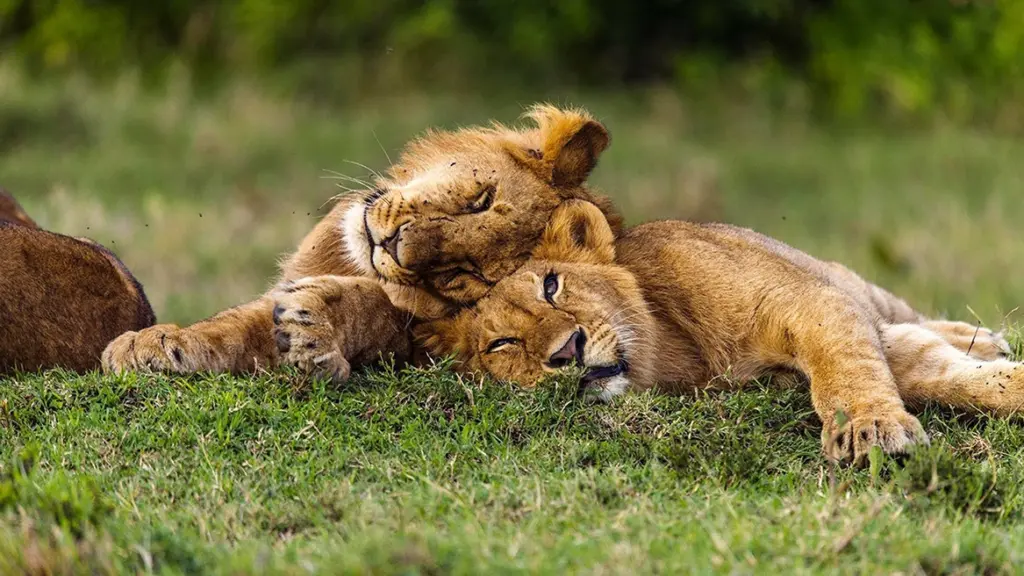
That combination of traveling outside migration season and exploring private conservancies became one of the defining themes of Kyle and Leah’s journey—and showed that there’s far more to a Masai Mara safari than a single wildlife event.
Tailor-Made Safaris
Ready to plan your Luxury Safari to Africa?
Luxury safaris should feel personal from the very first conversation. Let’s design your tailored luxury safari.
Your Journey Starts HereMara Nyika, Naboisho Conservancy: Resident Wildlife Without the Crowds
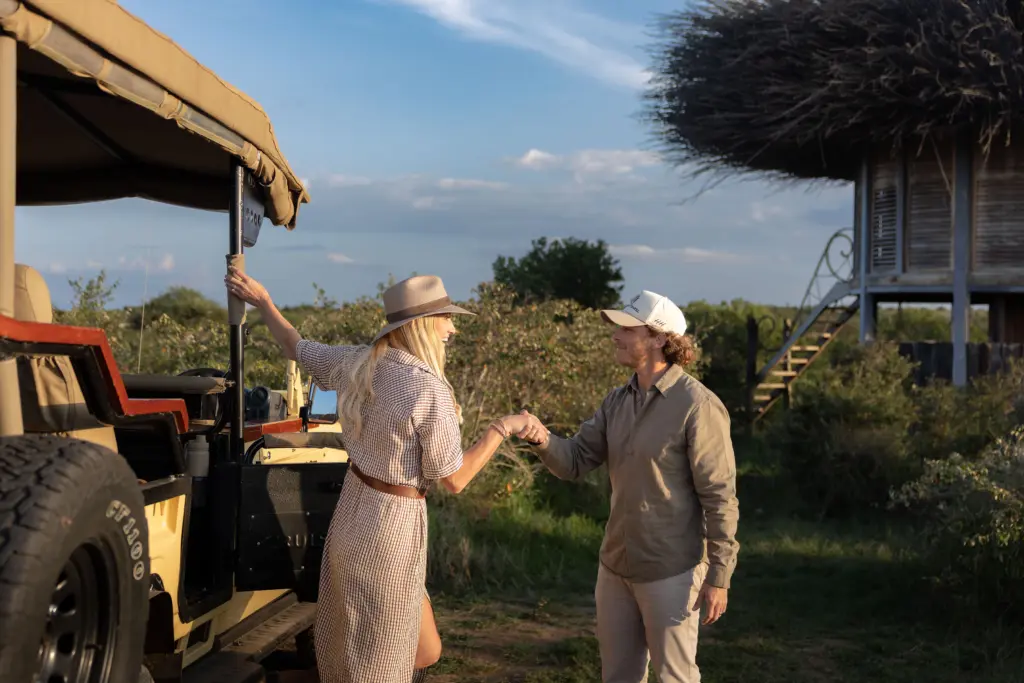
Kyle and Leah’s first stop was Great Plains Mara Nyika, a luxury tented camp set within Mara Naboisho Conservancy, a 60,000-acre community-led conservancy bordering the Masai Mara National Reserve. Known for exceptional predator populations and lower visitor numbers, Naboisho is often recommended for travelers looking for outstanding game viewing in a quieter setting.
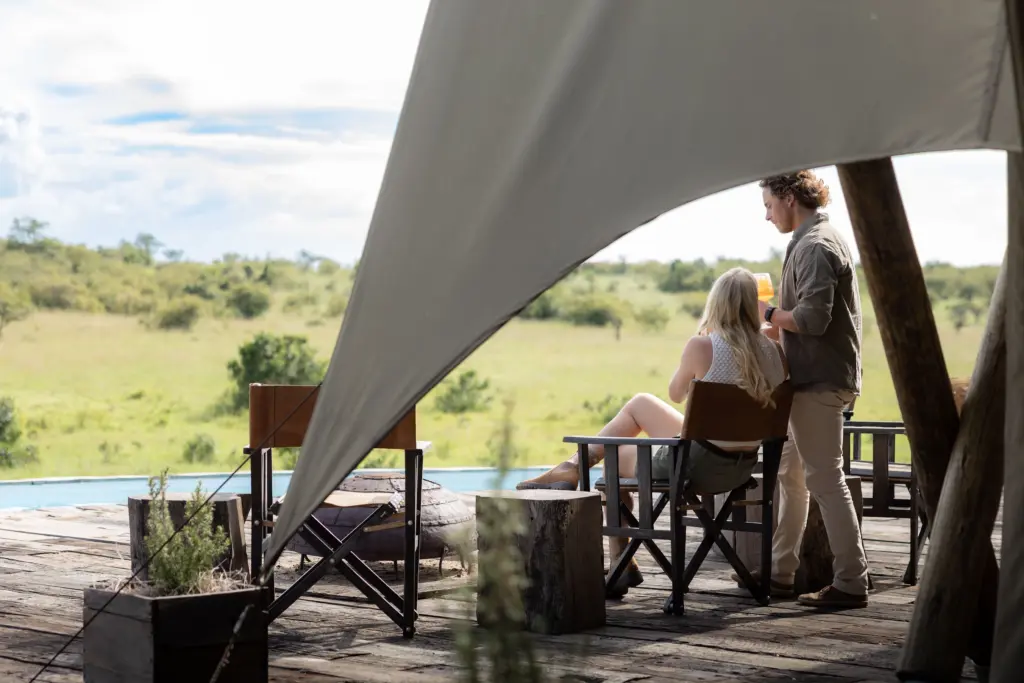
It didn’t take long to see why. On their very first game drive, they found themselves surrounded by lions and spotted hyenas and came close to witnessing a successful hunt.
As Kyle recalled: “If you want to see lions in particular, and hyenas, they are as present as can ever be in this conservancy. We were close to seeing a kill on the first game drive.”
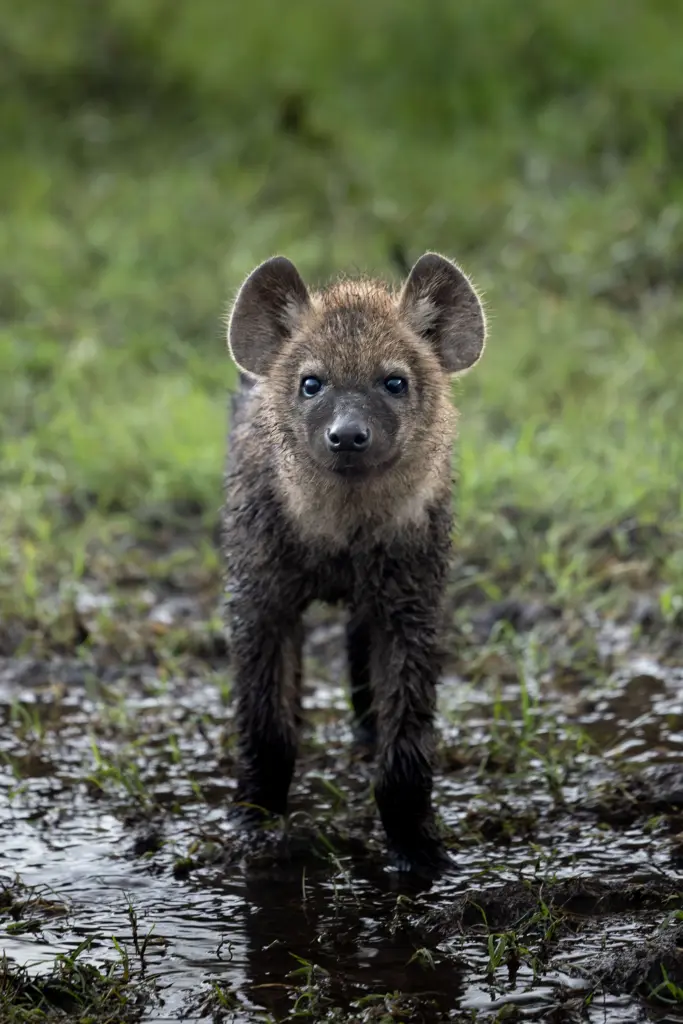
Those first sightings quickly proved that March isn’t a compromise. Even without the migrating herds, the wildlife viewing was exceptional. The resident wildlife alone created exciting and memorable game drives.
Kyle and Leah stayed two nights at Great Plains Mara Nyika, which worked well as part of a broader Masai Mara journey that also included other conservancies.
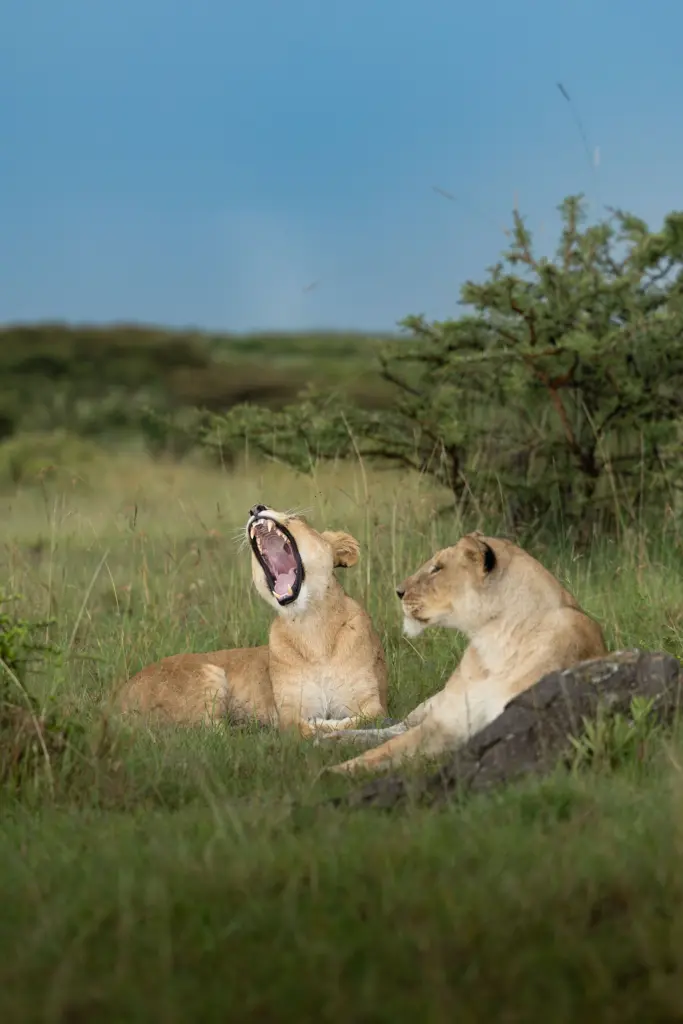
For most guests, however, we recommend spending three or four nights at Mara Nyika. This gives you time to explore Naboisho Conservancy at a relaxed pace, enjoy a wider range of activities, and allow each game drive to unfold without feeling rushed.
Because Naboisho has strong resident wildlife populations outside the Great Migration season, Mara Nyika is an excellent choice for shoulder-season safaris. Travelers visiting at this time can enjoy rewarding game viewing with fewer vehicles and a calmer overall atmosphere.
Mara Nyika suits couples and honeymooners looking for a classic luxury safari and multi-generational families who want excellent wildlife viewing without the crowds.
Beyond twice-daily game drives, guests can enjoy guided walking safaris, night drives within Naboisho Conservancy, birdwatching, cultural visits, hot air balloon safaris, and seasonal access to Great Migration viewing when conditions and itineraries allow.
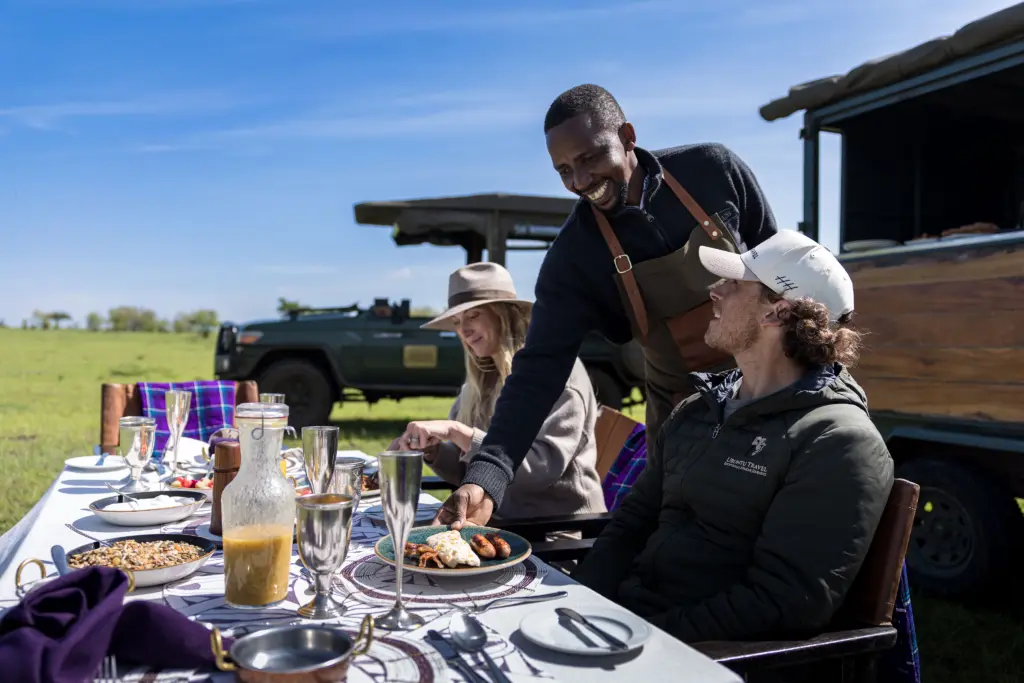
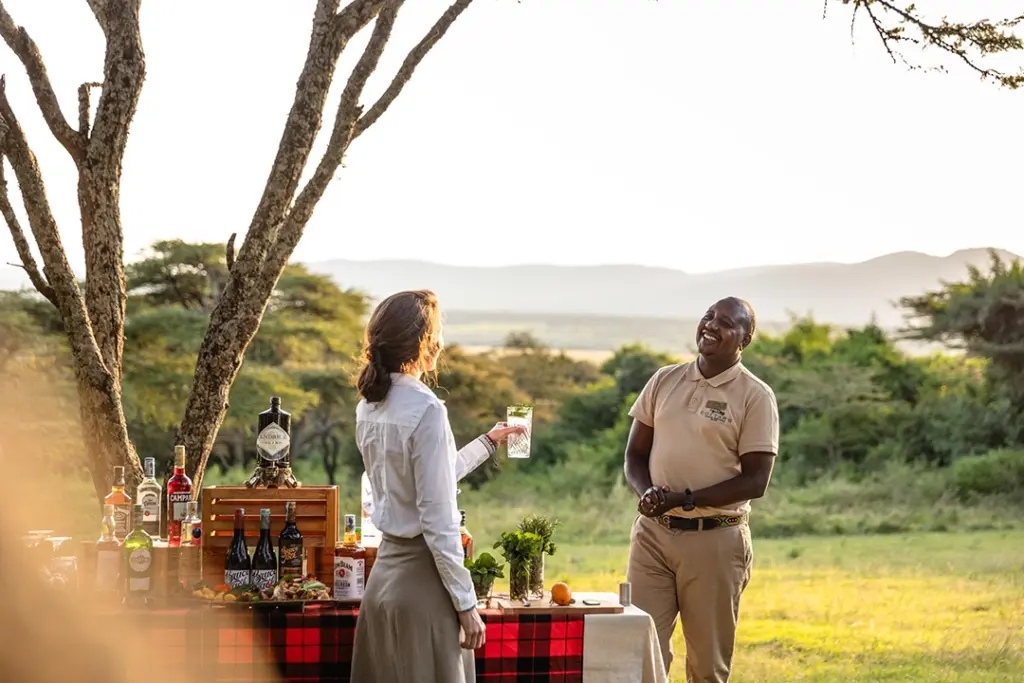
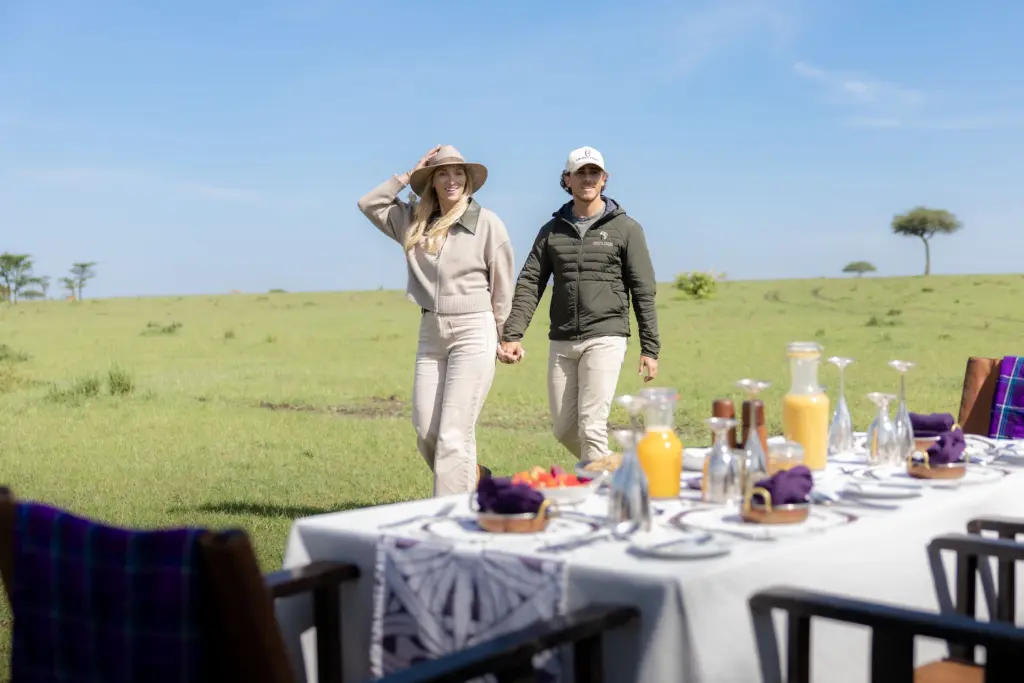
The camp also caters well for photographers, with Canon camera equipment available to use during your stay, while bush breakfasts, sundowners and outdoor dining experiences help make each day feel different.
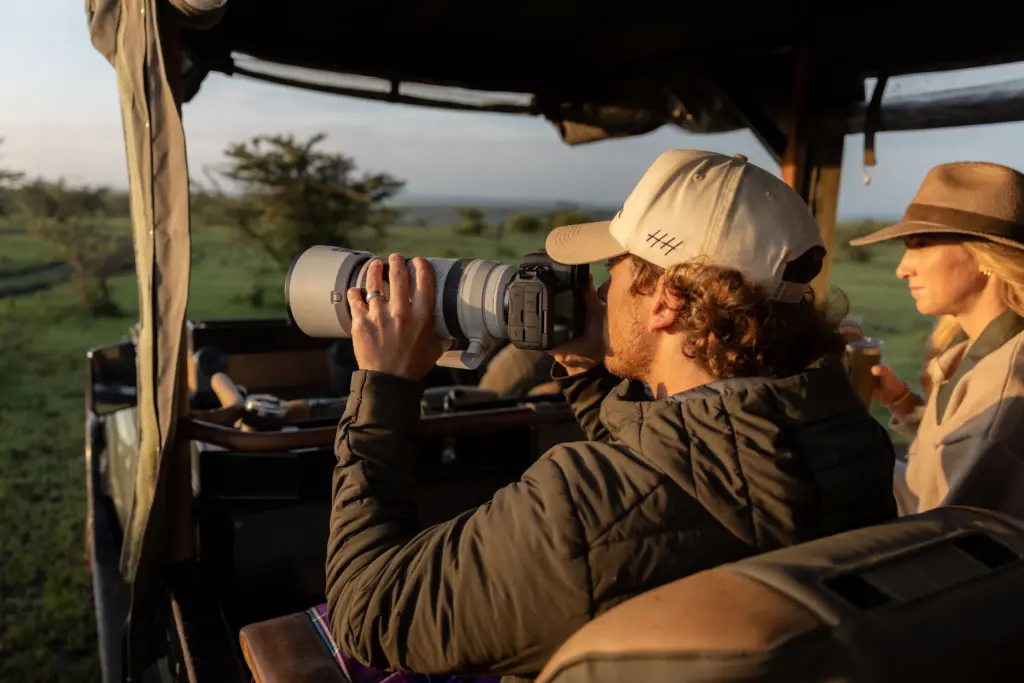
Inside the Masai Mara: Ishara Mara Lodge
After two nights in Naboisho Conservancy, Kyle and Leah moved into the Masai Mara National Reserve to stay at Ishara Mara Lodge. The change gave them an opportunity to compare two very different safari experiences within the same ecosystem.
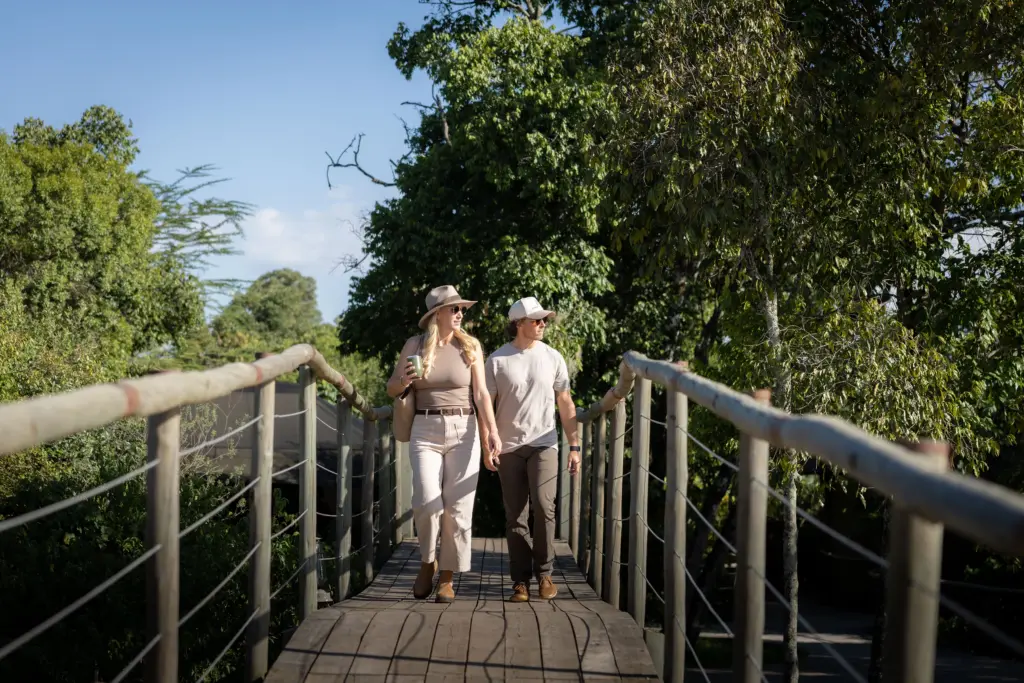
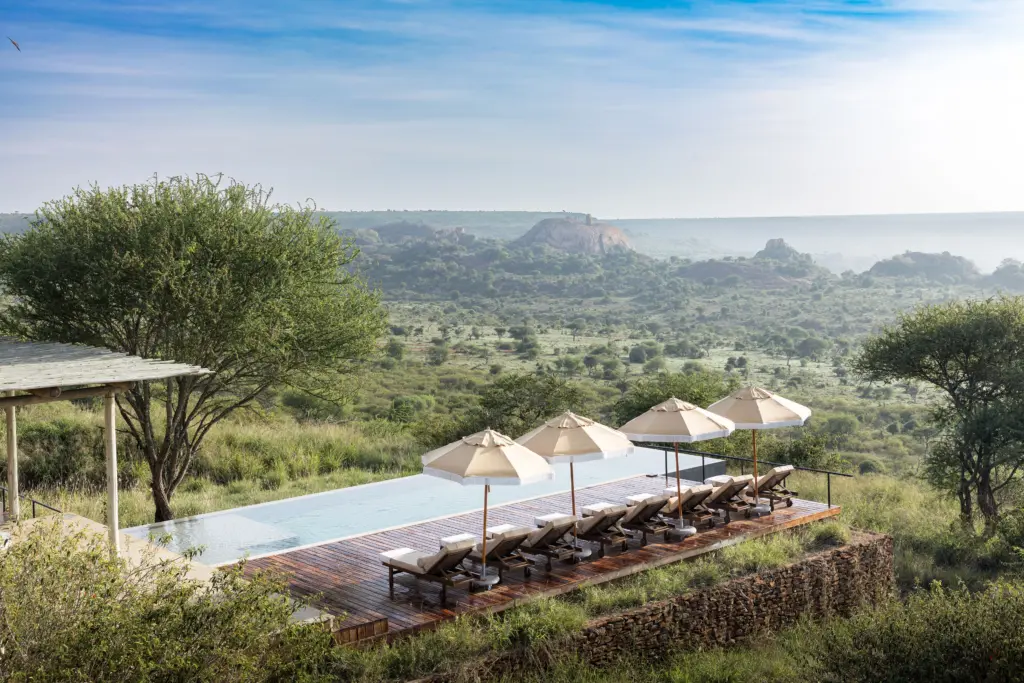
Ishara Mara pairs the famous landscapes and wildlife of the National Reserve with a contemporary luxury lodge experience, set in a tranquil position along the Talek River. Guests arrive by crossing a suspension bridge over the river, creating a memorable first impression before they even reach the lodge.
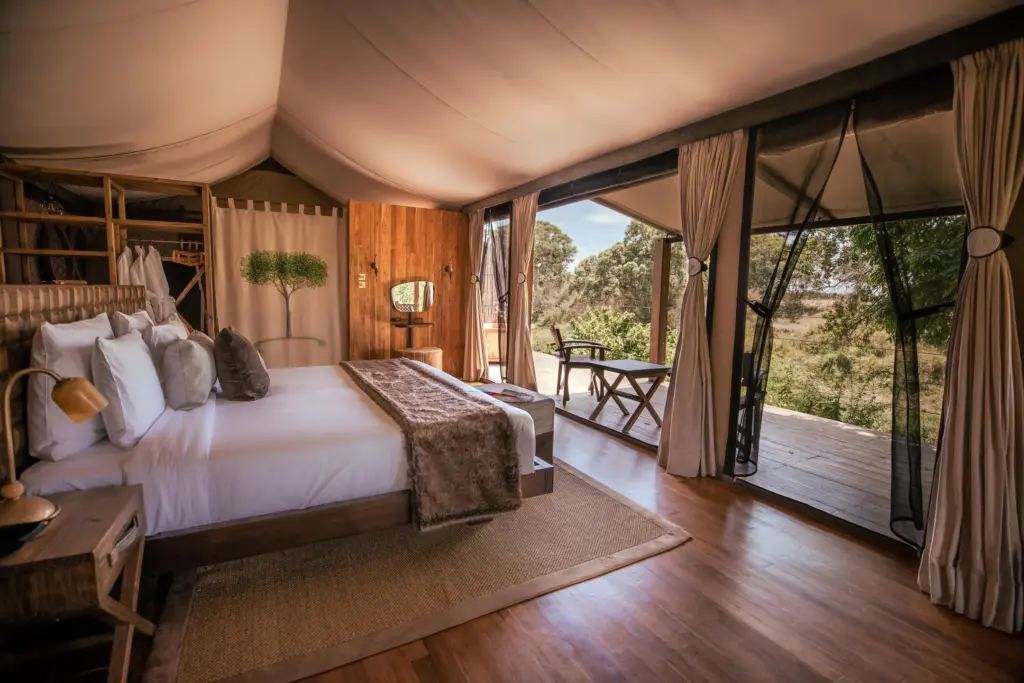
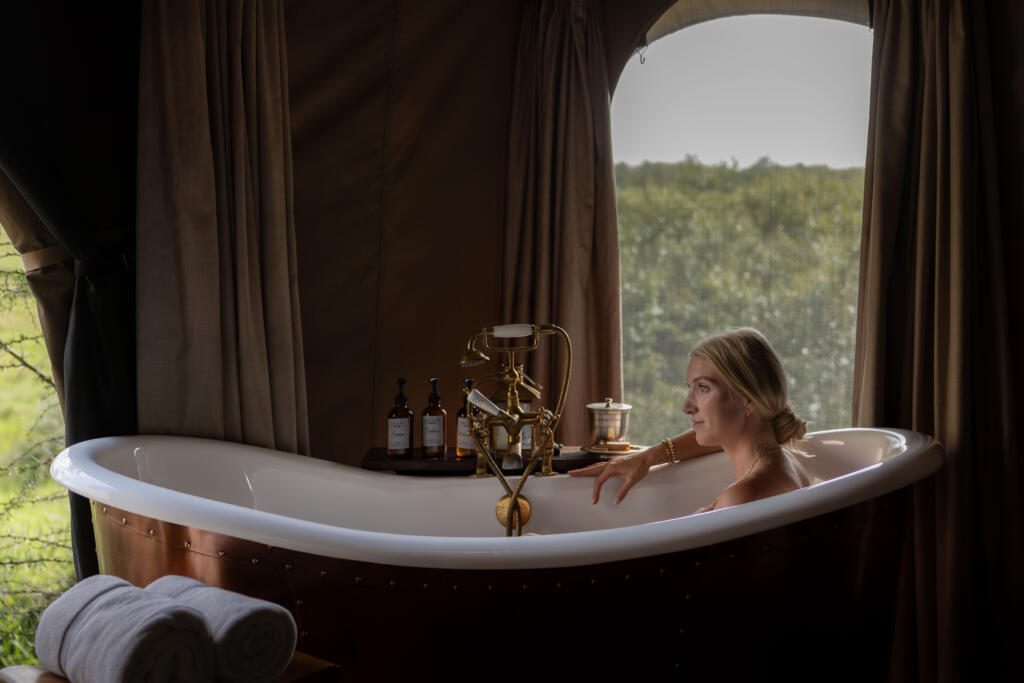
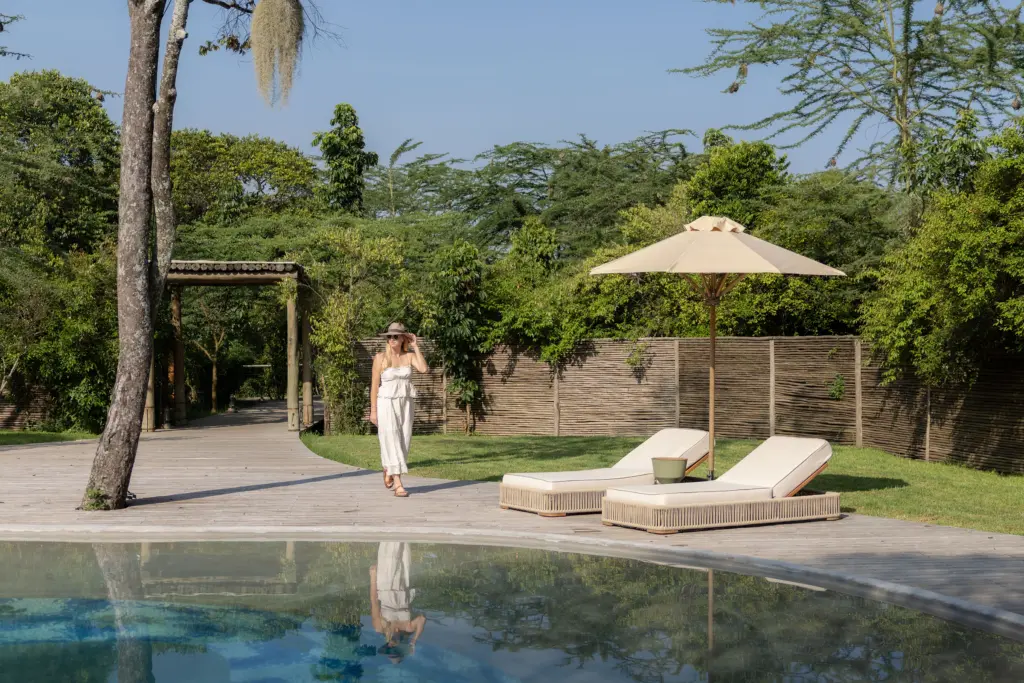
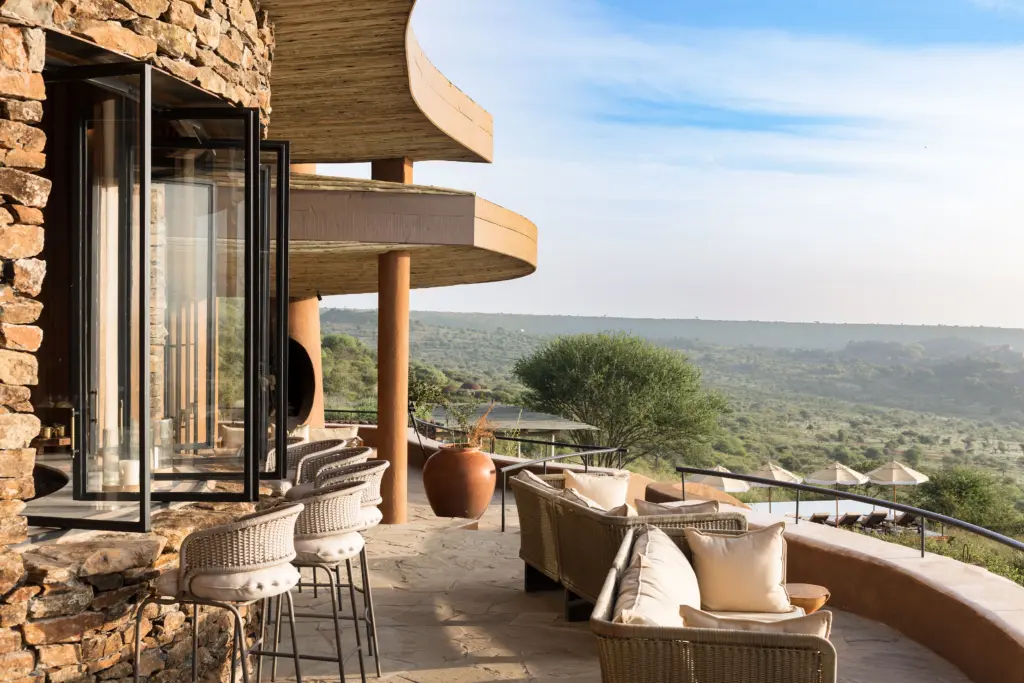
Kyle and Leah found a property that combines contemporary design with facilities such as a Nordic spa, riverside wellness areas, an impressive bush gym, and a swimming pool inspired by the night sky. For Kyle and Leah, however, one of the most important differences was not just the lodge. It was the quality of the guiding.
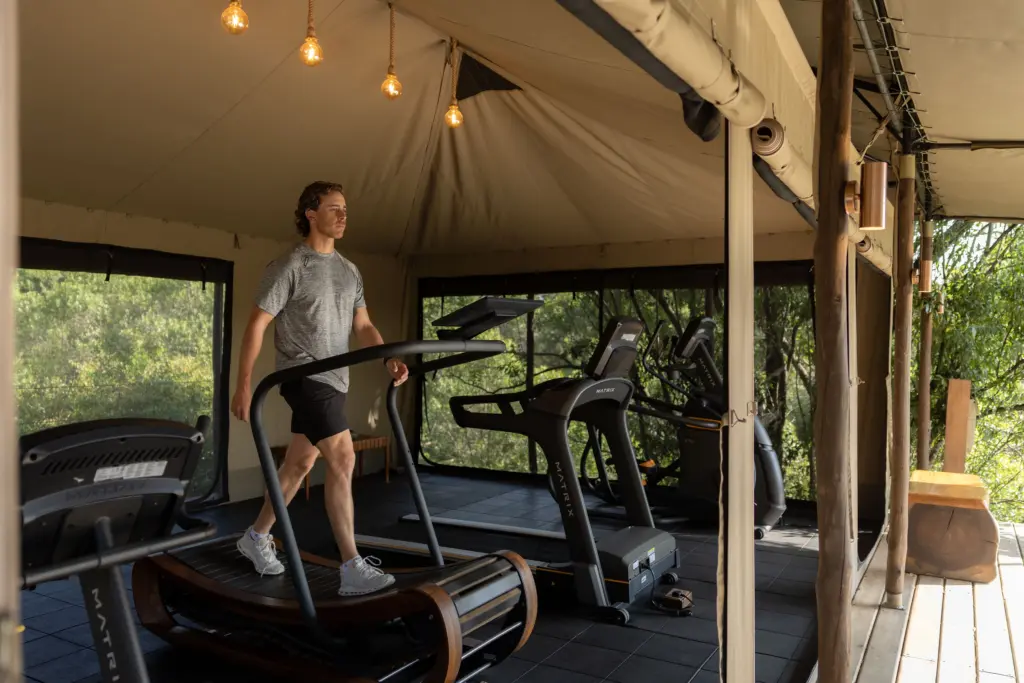
The Masai Mara National Reserve is renowned for its wildlife, but popular sightings can also draw large numbers of safari vehicles. Rather than simply joining the crowds, Ishara’s guides deliberately sought out quieter sightings, prioritizing both the guest experience and the animals’ welfare.
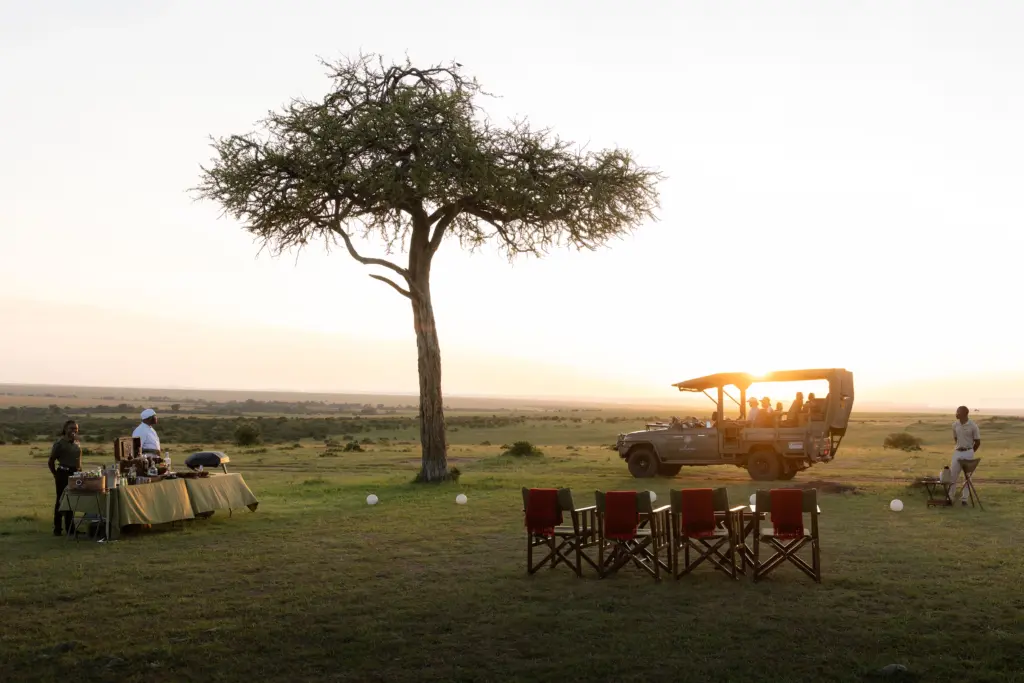
Kyle and Leah felt this thoughtful approach was one of the reasons Ishara stood out.
As Kyle recalled: “The guides are very intentional. They’re not going to be one of those vehicles that stresses the animals. They’re going to go and find something else.”
That philosophy left a real impression. It proved that even in one of East Africa’s busiest safari destinations, the quality of your guide can have a huge influence on your experience.
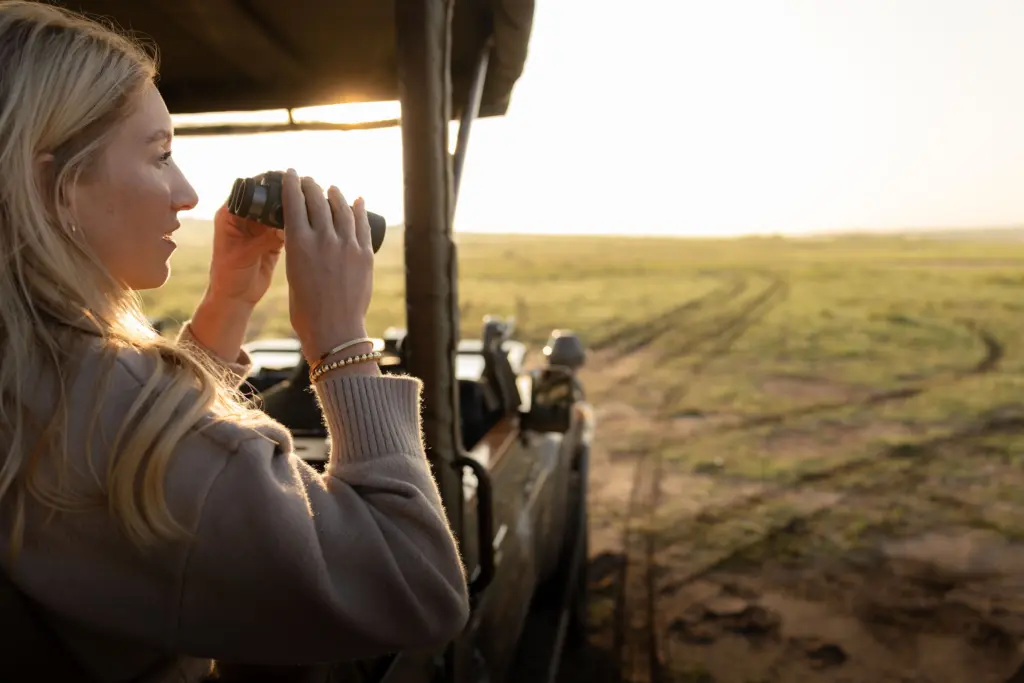
Despite the potential for busier game drives, neither Kyle nor Leah felt travelers should skip the National Reserve. In fact, they felt it deserved a place on almost every Masai Mara itinerary, especially when experienced with well-trained, ethical guides such as those at Ishara Mara.
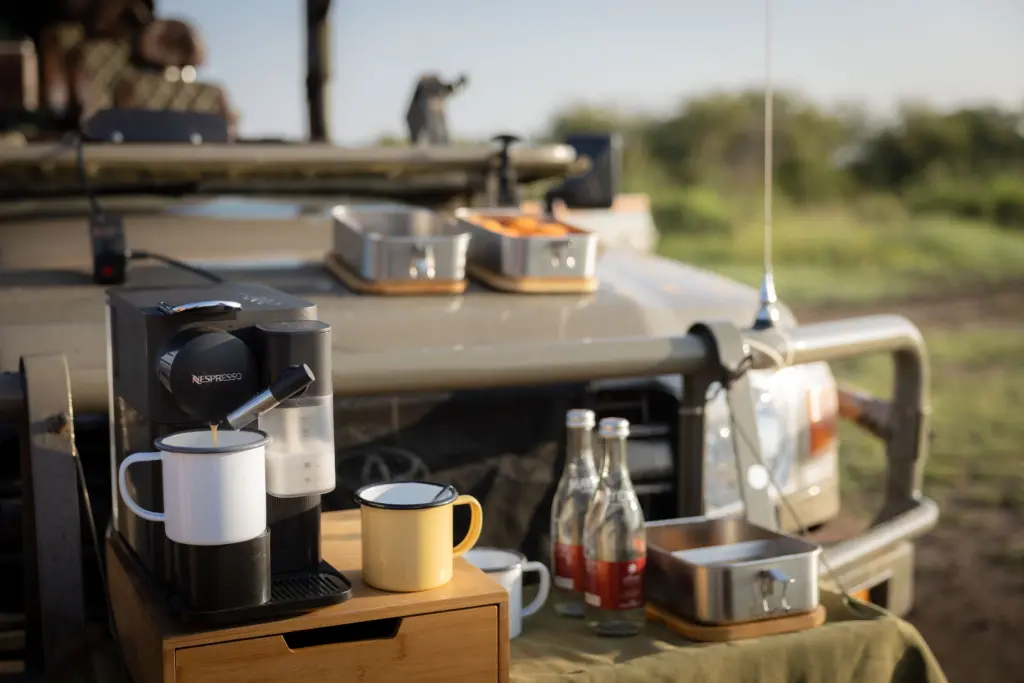
As Leah noted, starting in a conservancy before moving into the Reserve gives you the best of both worlds. You can enjoy quieter wildlife viewing first, before experiencing the iconic landscapes, Mara River crossings, and exceptional hospitality that have made the Masai Mara famous.
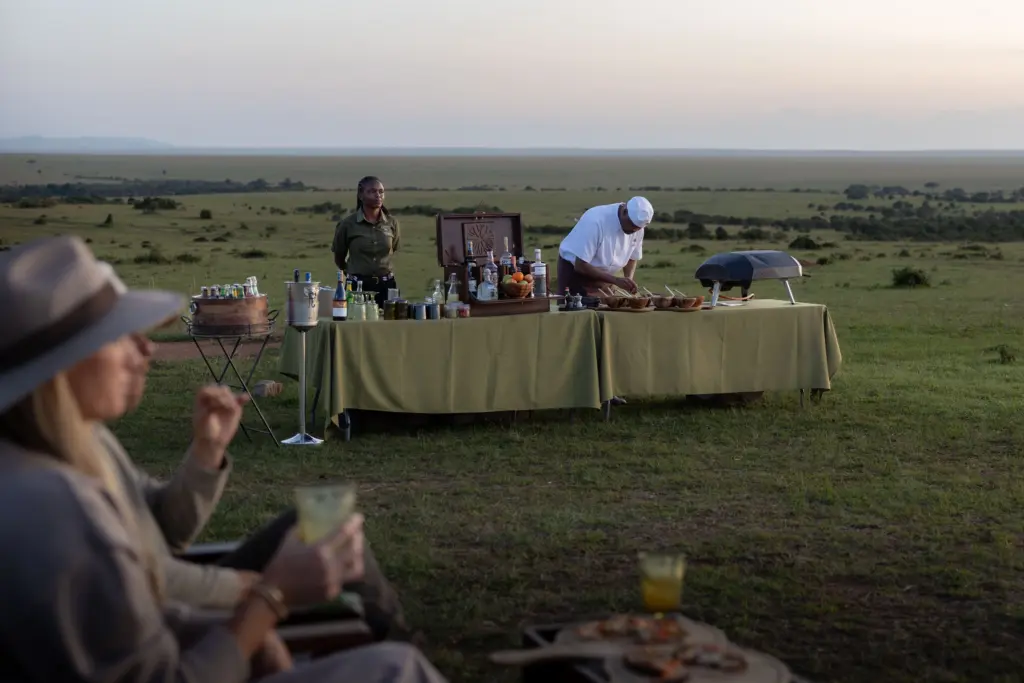
For Kyle and Leah, Ishara’s greatest strength was the contrast it created with the busier pace of the Reserve. Its tranquil riverside setting, contemporary luxury, and wellness facilities gave them space to slow down and relax after a full day in the Masai Mara.
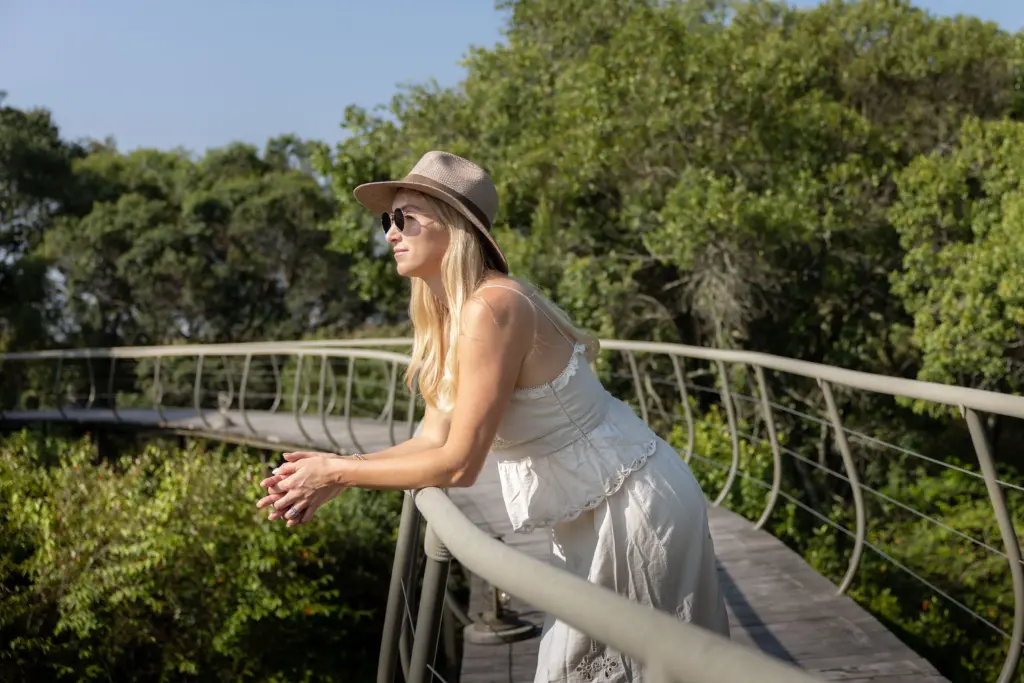
Cottar’s 1920s Safari Camp, Olderkesi Conservancy
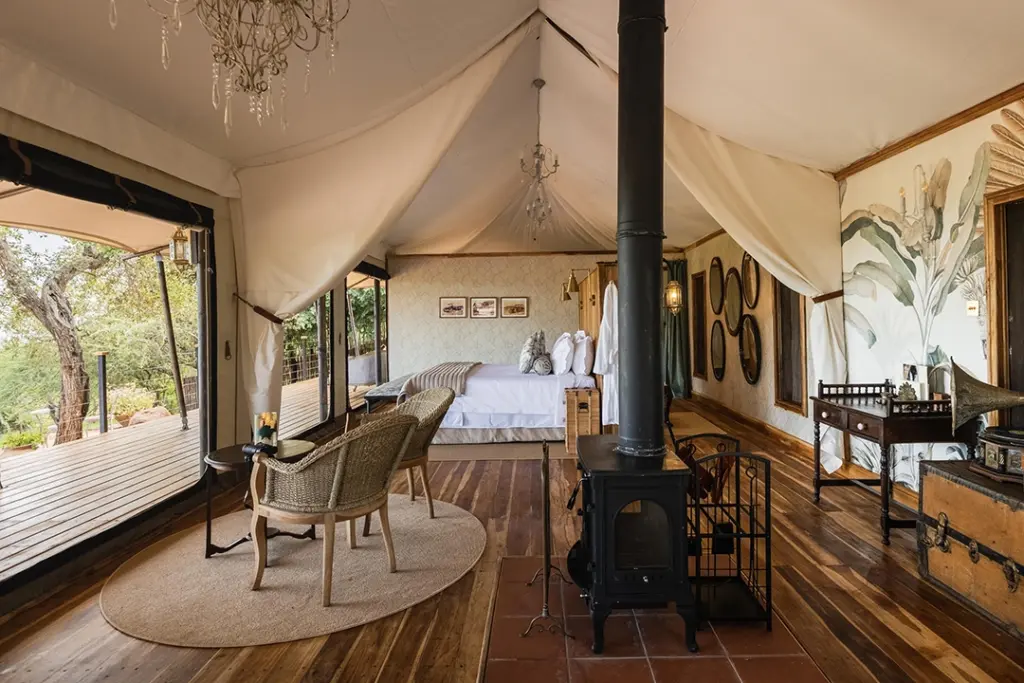
Kyle and Leah’s final stop was Cottar’s 1920s Safari Camp, a luxury tented camp in the 7,608-acre Olderkesi Conservancy. Family-owned for more than a century, Cottar’s offers access to a quieter corner of the Greater Masai Mara ecosystem.
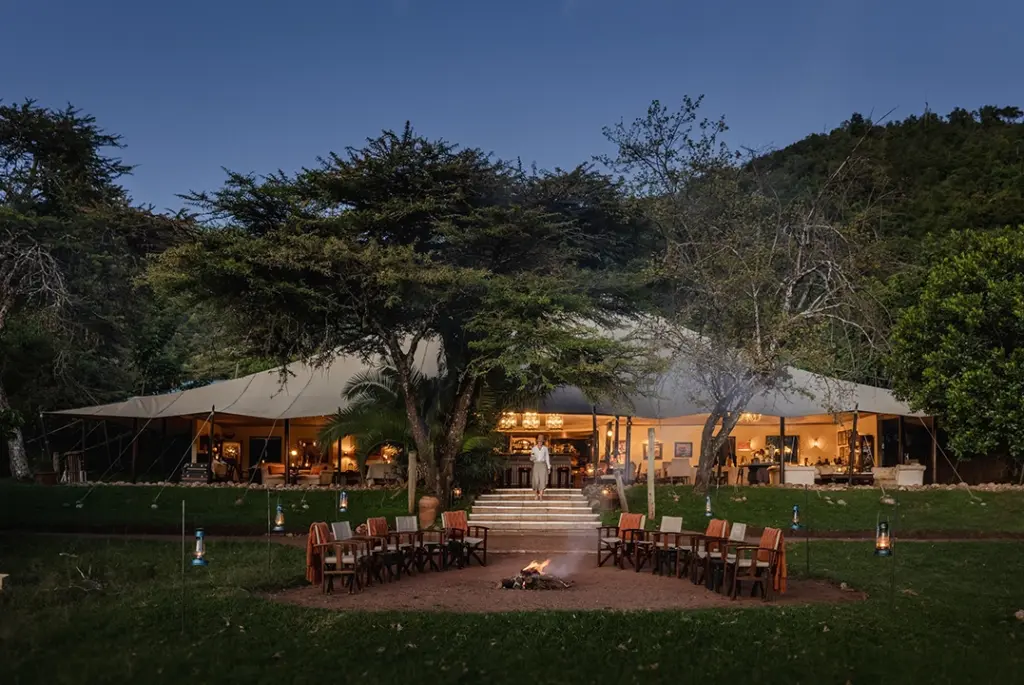
After the more open landscapes they had experienced earlier in the Mara, this part of the ecosystem felt hillier, wilder, and less familiar to Kyle. It also showed how staying at different lodges in different areas can create a more complete Masai Mara safari.
“You go to Cottar’s, and it’s a completely different landscape. It feels like you’ve gone somewhere else entirely – Kyle Green”
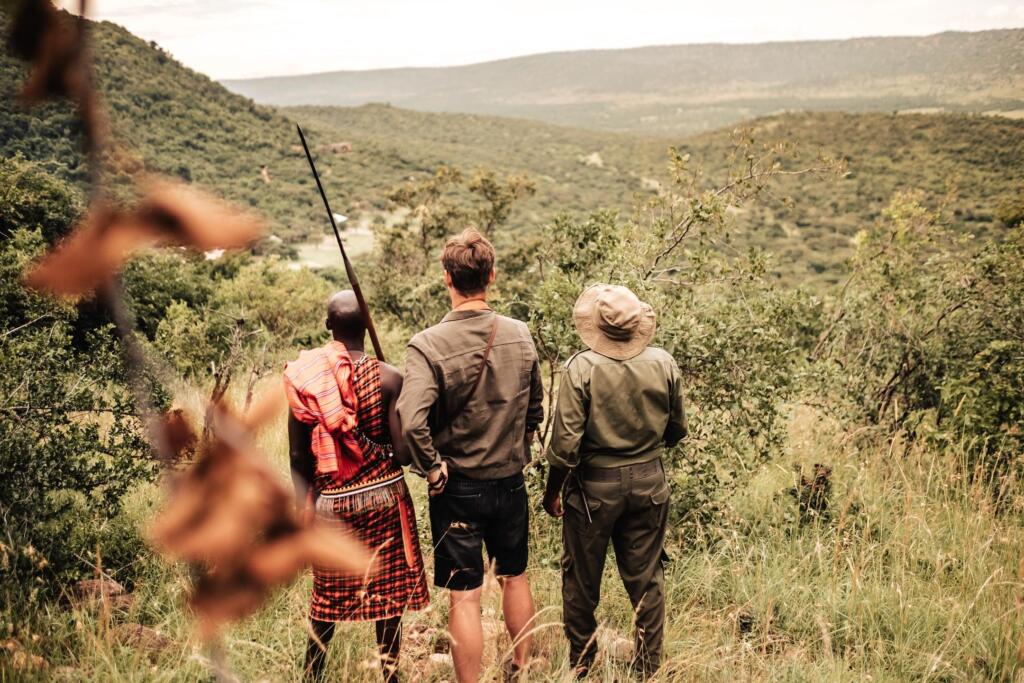
Instead of scanning endless plains, they found themselves driving over hills and stopping to watch enormous buffalo herds grazing in the valleys below. On another drive, they watched elephants feeding on the hillside just feet away.
The lion sightings were equally memorable. Kyle remembered spending time searching for one pride before heavy rain swept across the conservancy.
“We finally found them, and then the skies just opened up. It was this crazy downpour. We waited it out, and when it cleared, the lions started emerging from the bushes. Then there were lightning strikes behind the pride at the same time.”
For Kyle and Leah, moments like these summed up what made this part of the Masai Mara so memorable. Every game drive felt unpredictable, with the landscape revealing something new around each bend.
Is the Masai Mara Worth Visiting Again?
For many travelers, the Masai Mara is a once-in-a-lifetime destination. They visit during the Great Wildebeest Migration, experience the dramatic river crossings, and leave feeling they have seen everything the region has to offer.
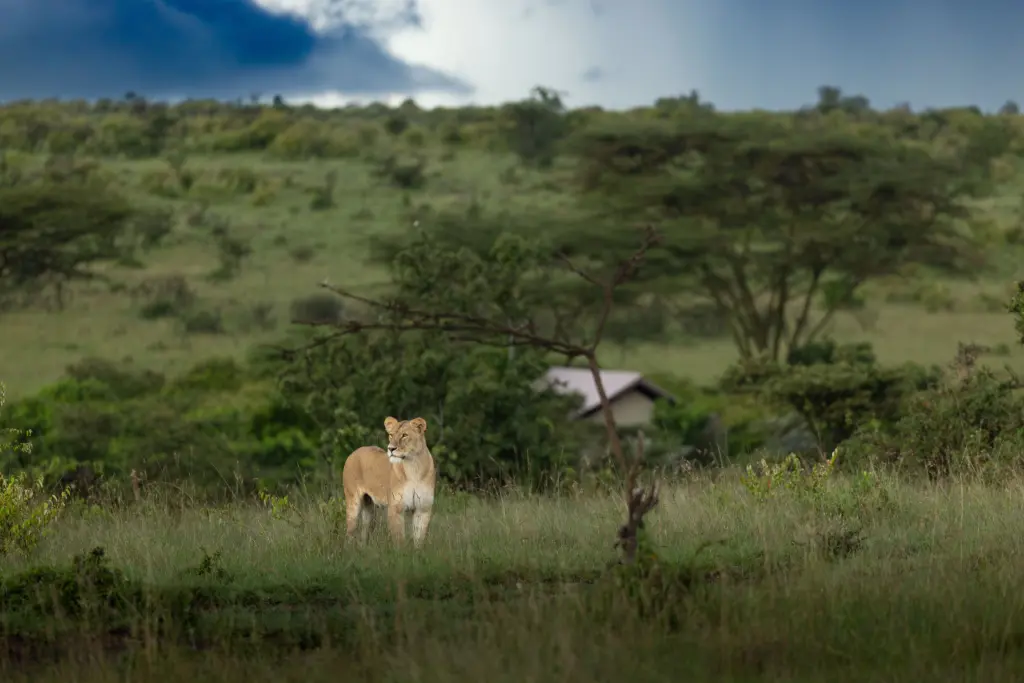
Kyle and Leah’s trip challenged that assumption. By visiting in March and dividing their time between different Mara Conservancies and the National Reserve, they saw again how varied the Masai Mara can be throughout the year.
- Mara Nyika in Naboisho introduced them to exceptional predator sightings outside the migration period.
- Ishara Mara showed how staying in the National Reserve can still be deeply rewarding when paired with the right lodge and guiding team.
- Cottar’s 1920s Camp revealed landscapes that felt completely different again, with rolling hills, sweeping viewpoints, and wildlife encounters unlike those they had experienced elsewhere.
None of those unforgettable experiences relied on the Great Migration. Instead, they came from exploring different parts of the Greater Masai Mara ecosystem and allowing enough time to appreciate what made each one unique.
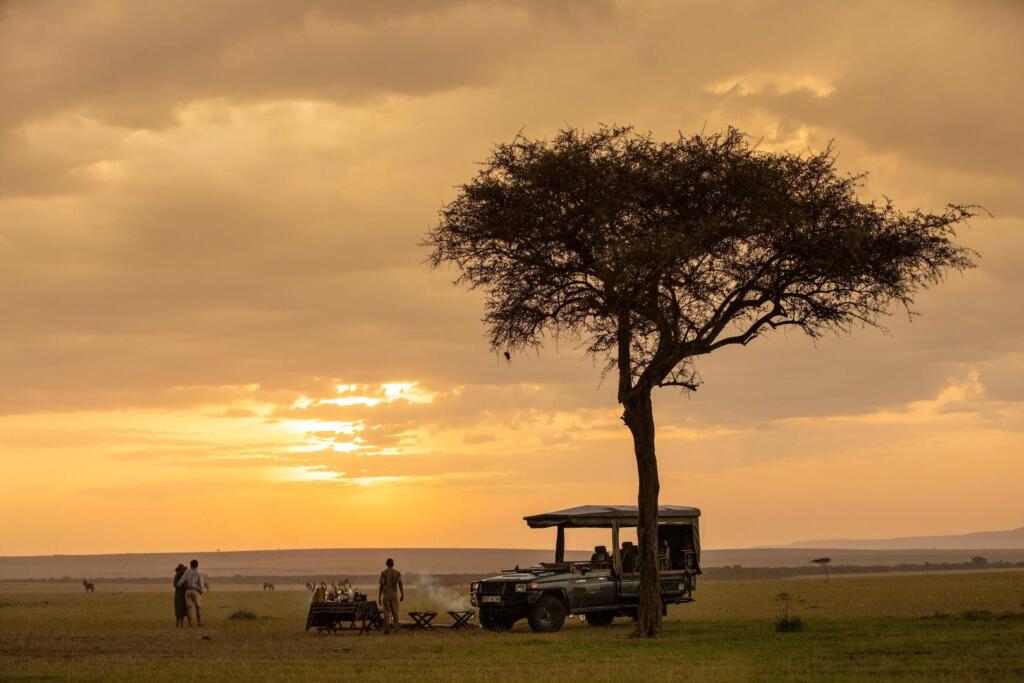
If you’ve already visited the Masai Mara, that doesn’t necessarily mean you’ve experienced everything it has to offer. Returning at a different time of year or exploring different conservancies can completely change the character of your safari.
As Leah put it: “The Mara has such a mix of different experiences.”
For Kyle and Leah, that became one of the biggest takeaways from the trip. They already knew the Masai Mara was a safari destination worth returning to, but this journey gave them fresh, first-hand examples to help explain why. In March, and across different conservancies and the National Reserve, they saw how the Mara can change completely with season, landscape, lodge choice, and style of safari.
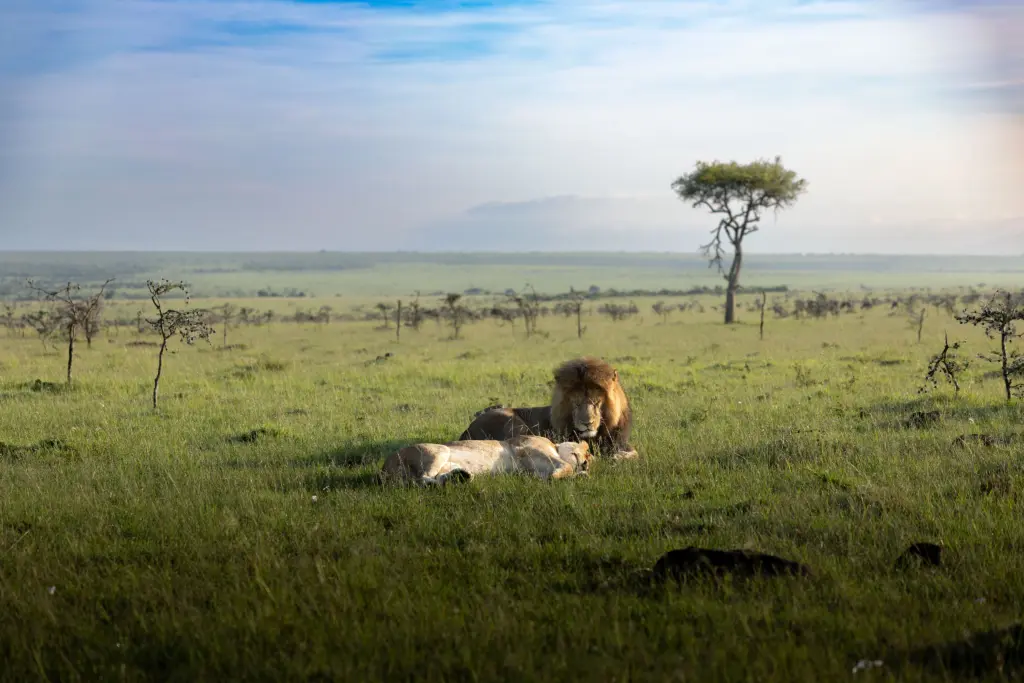
Three Tips for Experiencing the Masai Mara Beyond the Great Migration
Kyle and Leah’s trip highlighted a few lessons that are worth keeping in mind when planning your own Masai Mara safari.
1) Consider visiting outside peak migration season
If seeing the Great Wildebeest Migration is your main priority, you will need to plan your trip around the movement of the herds. For this, we recommend contacting us at least 12 months before travel, especially if you want access to the best-positioned lodges and camps during peak season.
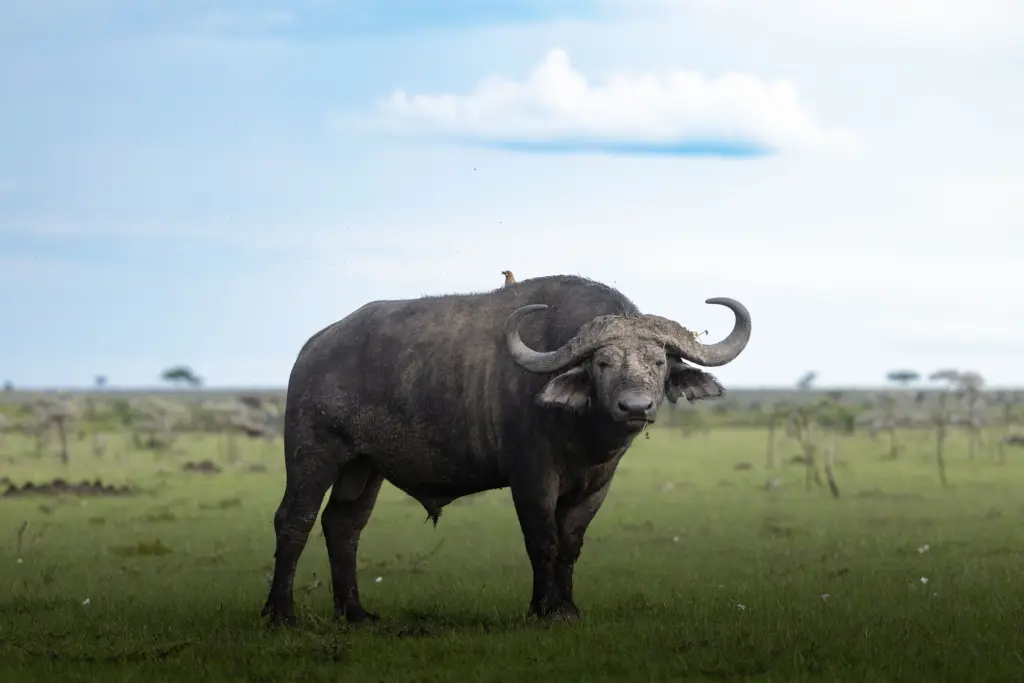
However, Kyle and Leah’s March visit was a reminder that the Masai Mara is not only rewarding during the migration months. Outside peak season, the resident wildlife remains strong, visitor numbers are generally lower, and the private conservancies can feel even calmer and more exclusive.
2) Combine conservancies with the National Reserve
Rather than choosing between the Masai Mara National Reserve and the surrounding conservancies, consider experiencing both.
The conservancies provide a quieter, more exclusive safari, while the National Reserve offers some of the Mara’s most iconic landscapes and, during the right season, the famous river crossings.
Kyle and Leah found that combining the two created a more varied itinerary than staying in either one alone.
Below is a quick overview of how the two compare.
| Feature | Private Conservancies | Masai Mara National Reserve |
|---|---|---|
| Atmosphere | Quieter, with fewer safari vehicles | Busier, particularly at popular wildlife sightings |
| Wildlife viewing | Excellent year-round game viewing, particularly for resident wildlife | Abundant wildlife, excellent year-round game viewing, plus the Great Migration and river crossings in season |
| Game drive rules | Off-road driving is often permitted, and many conservancies also offer guided walks and night drives | Game drives are generally restricted to designated tracks during daylight hours |
| Best for | Travelers looking for a more exclusive, immersive safari | First-time visitors, iconic landscapes, and witnessing the Great Migration |
3) Spend time exploring different areas
One of the most important takeaways for Kyle and Leah was how much the Masai Mara changed from one location to the next. Mara Nyika in Naboisho was defined by its resident predators. Ishara Mara offered a tranquil and luxurious place to relax in the heart of the National Reserve. At Cottar’s 1920s, rolling hills and dramatic viewpoints made game drives feel unlike anything they had experienced elsewhere.
Instead of trying to fit as much as possible into a short stay, consider spending several nights in two or three carefully chosen locations. You will gain a better understanding of the Masai Mara than you would from staying in a single camp.
Why Combine the Masai Mara with Laikipia?
Kyle and Leah’s journey through Kenya did not begin in the Masai Mara. Before that, they spent several days exploring Laikipia, a vast region in central Kenya known for its private conservancies, conservation work, varied landscapes, and adventure-led safari experiences. Read our complete guide to Laikipia here.
Experiencing the two regions back-to-back gave them a first-hand perspective on how naturally they complement one another.
As Kyle explained:
“I think they complement each other really well. Do this [Laikipia] first and then go to the Mara, or vice versa, depending on how the itinerary flows. I think either would work.”
Although both regions offer exceptional wildlife, they deliver different safari experiences. Laikipia offers more varied landscapes, a wider range of activities, a cooler climate, and conservation-focused experiences.
Ubuntu Travel Blog
Laikipia Safari: Kenya’s Wildest and Most Exclusive Region
Discover what makes a Laikipia safari unique.
Tap to Read GuideHorse riding, walking safaris, camel experiences, and behind-the-scenes conservation activities all add another dimension to a safari adventure in Kenya. Together, the two regions create a more balanced itinerary. The Masai Mara delivers many of Kenya’s most iconic wildlife experiences, while Laikipia offers a chance to slow down, explore different landscapes, and discover another side of the country.
Rather than choosing between them, Kyle and Leah found that combining both gave them a much broader understanding of Kenya—and a safari that felt more varied from beginning to end.
Plan Your Kenya Safari with Ubuntu Travel
Kyle and Leah’s journey proved that the Masai Mara offers far more than the Great Migration. From the predator-rich conservancies of Naboisho to the iconic landscapes of the National Reserve and the rolling hills of Olderkesi, every stop revealed a different side of one of Africa’s most famous safari destinations.
Tailor-Made Safaris
Ready to plan your Luxury Safari to Africa?
Luxury safaris should feel personal from the very first conversation. Let’s design your tailored luxury safari.
Your Journey Starts HereMore importantly, their visit also gave us firsthand experience and expertise to recommend safaris tailored to your needs. If you’d like help planning a tailor-made Kenya safari, get in touch with our team. We’ll help you build an itinerary that goes beyond the obvious and shows you the very best of what Kenya has to offer.