



Last Updated: 08 July, 2026
When most travelers think of a safari in Kenya, the Masai Mara and its neighboring Mara Conservancies usually come to mind. It is the country’s best-known safari region, with the Great Wildebeest Migration, exceptional big cat sightings and the classic landscapes seen in countless wildlife documentaries and photographs.
However, further north lies another vast and remarkably varied safari region that many international travelers still overlook: the Laikipia Plateau.
Located in central Kenya, Laikipia encompasses private conservancies, wildlife reserves and working local ranches, with exceptional opportunities to see both black and white rhino.
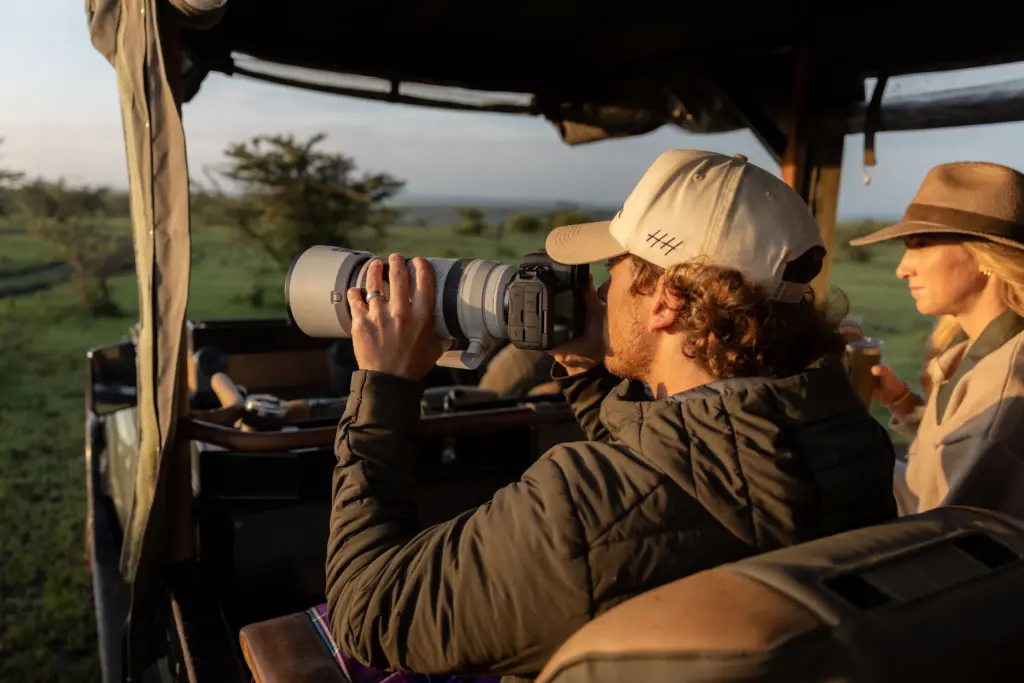
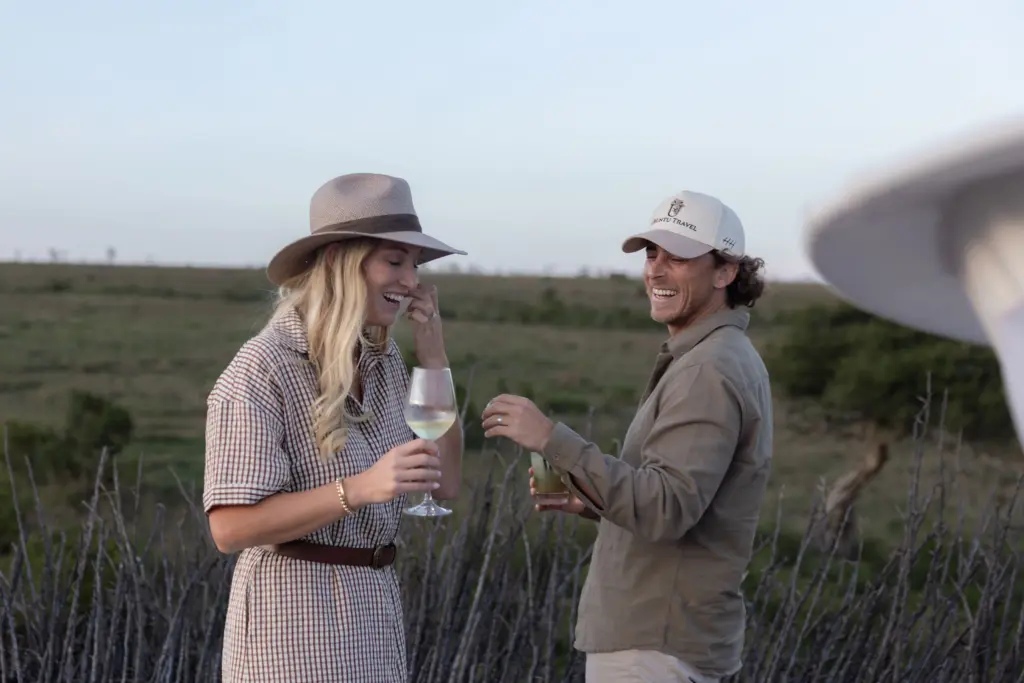
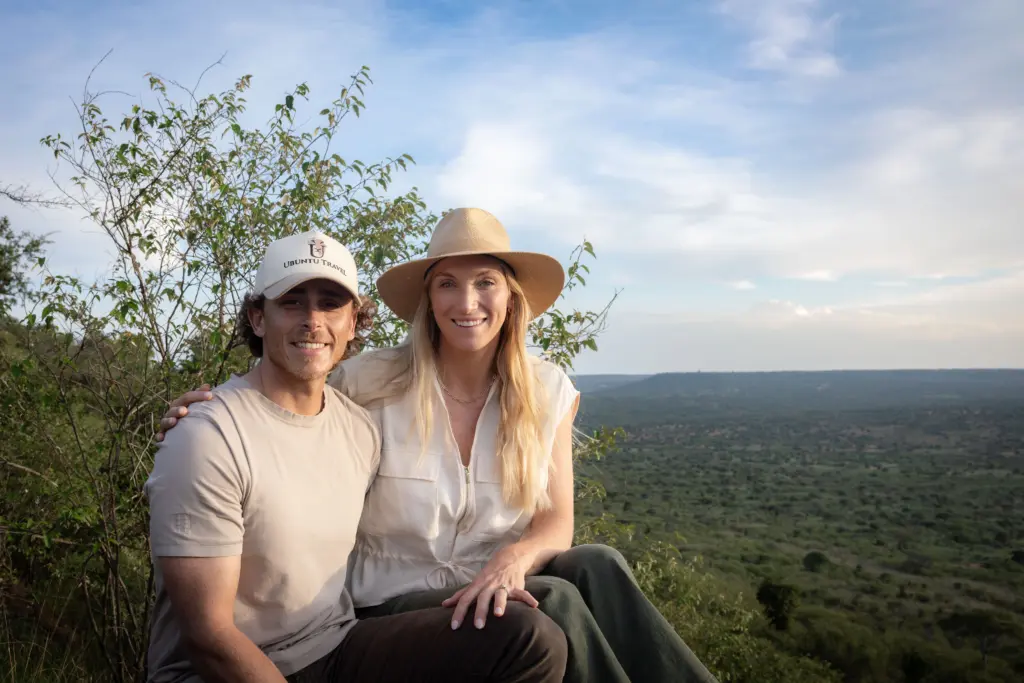
Ubuntu Travel Co-founders Leah and Kyle recently spent more than a week traveling through Laikipia and a several of its conservancies. Their visit formed part of our continued investment in first-hand destination knowledge, allowing them to compare the region’s landscapes, luxury lodges, wild safari experiences and conservation models before how Laikipia Plateau might fit into a your wider Kenya safari.
Drawing on their time on the ground, this guide explores what makes a Laikipia safari distinctive, the wildlife travelers can expect to see and why the region now plays such an important role in the Kenya safaris we design.
WATCH: WHAT A LUXURY SAFARI IN LAIKIPIA LOOKS LIKE
In just over a minute, experience some of what Ubuntu Travel Co-founders Kyle and Leah encountered during their time in the region—from private wildlife conservancies and rare northern species to camel experiences, hands-on conservation experiences and remote luxury lodges.
Watch: A Luxury Safari in Laikipia with Ubuntu Travel.
Laikipia Explained: Wildlife, Landscapes and Conservancies
The wider Laikipia region stretches northwest from the foothills of Mount Kenya, across approximately 3,650 square mile of central Kenya. Unlike the Masai Mara National Reserve, Laikipia is not defined by a single national park. Instead, it is made up of private and community conservancies, wildlife reserves and working ranches.
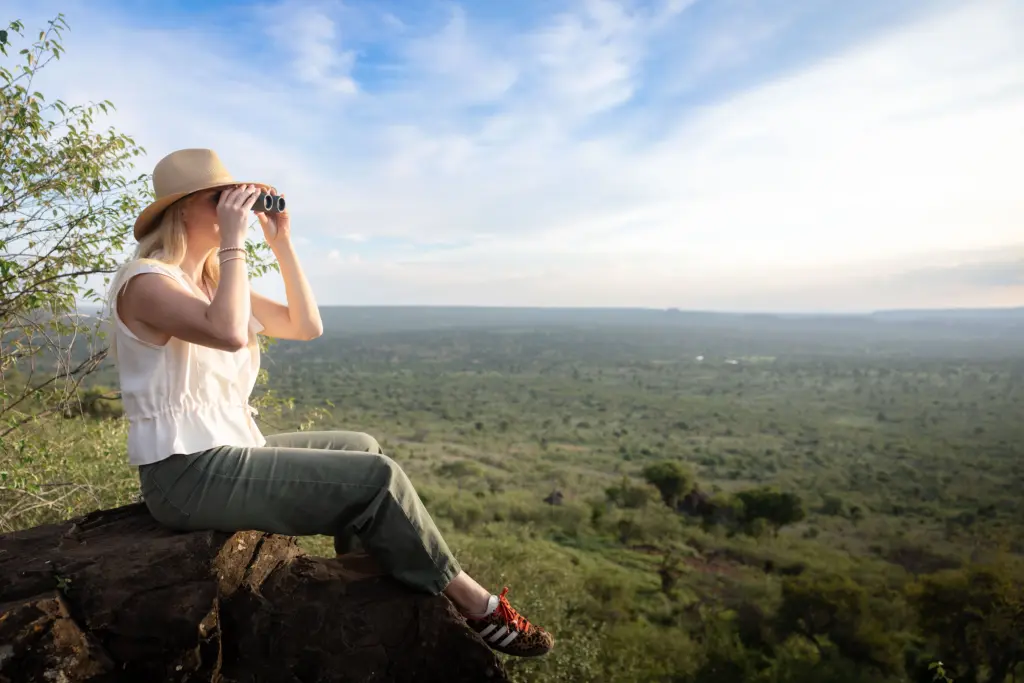
This mixed landscape creates a very different style of safari. Vehicle densities are generally lower, activities can extend beyond traditional game drives, and the wildlife experience varies considerably depending on which conservancy you visit.
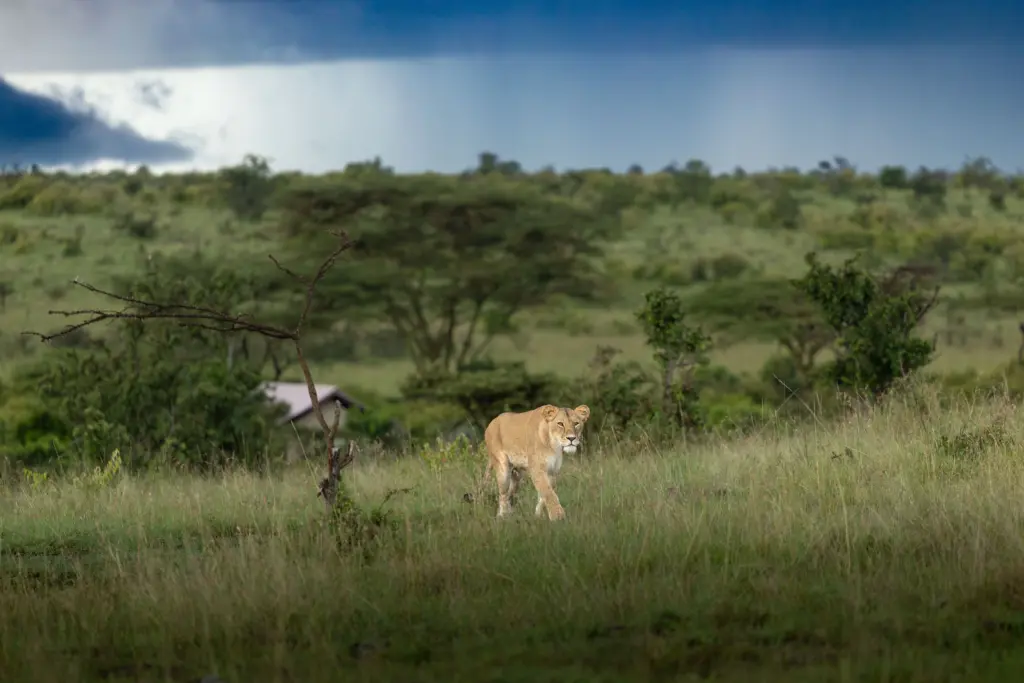
Laikipia is particularly important for rhino conservation and supports both black and white rhino, alongside elephant, lion, leopard, cheetah and African wild dog. It is also one of the best regions in Kenya for seeing northern specialist species, including Grevy’s zebra, reticulated giraffe, Beisa oryx, gerenuk and Somali ostrich (which became Kyle’s secret favorite).
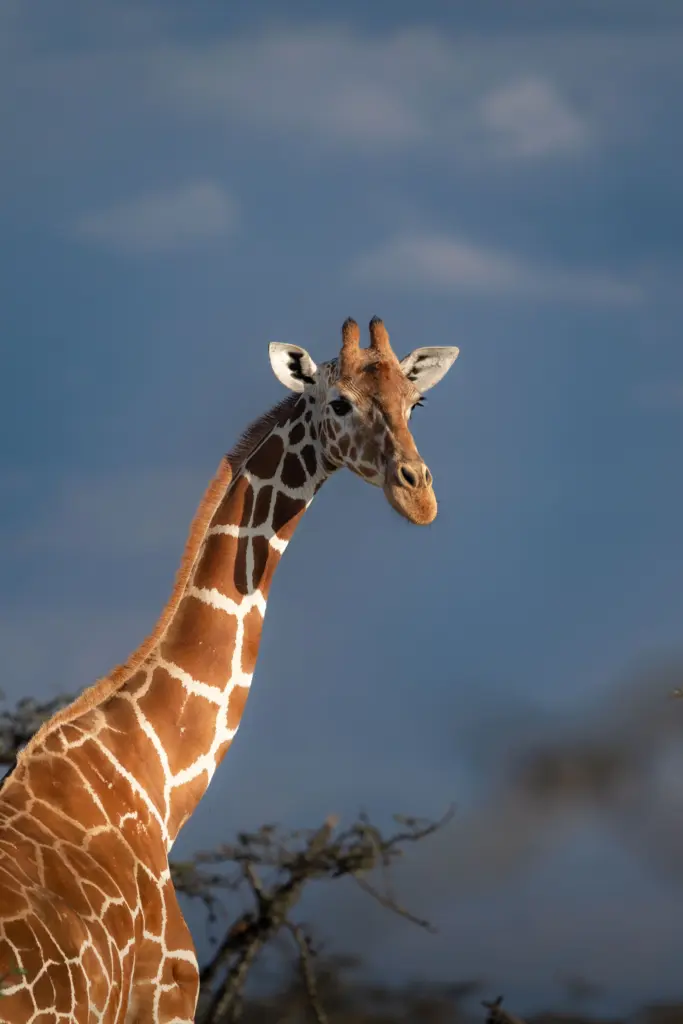
Laikipia’s Landscape Changes from One Conservancy to the Next
Laikipia is commonly translated from Maa, the Eastern Nilotic language spoken by the Maasai communities of southern Kenya and northern Tanzania, as “treeless plain.” However, the name gives only a partial impression of what travelers will find.
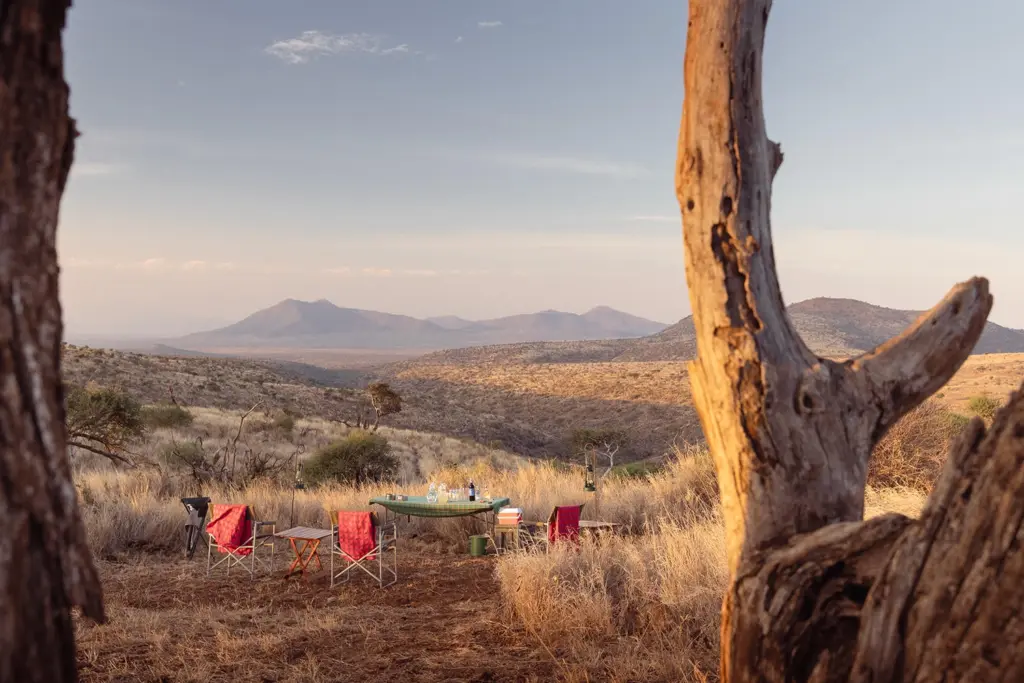
During their visit, Kyle and Leah were struck by how dramatically the scenery changed between conservancies. Over the course of just a few days, they traveled through open grasslands, river valleys, rocky escarpments and more arid northern terrain. Some areas offered sweeping views toward Mount Kenya, while others felt rugged, remote and entirely removed from the classic plains many travelers associate with a Kenya safari.
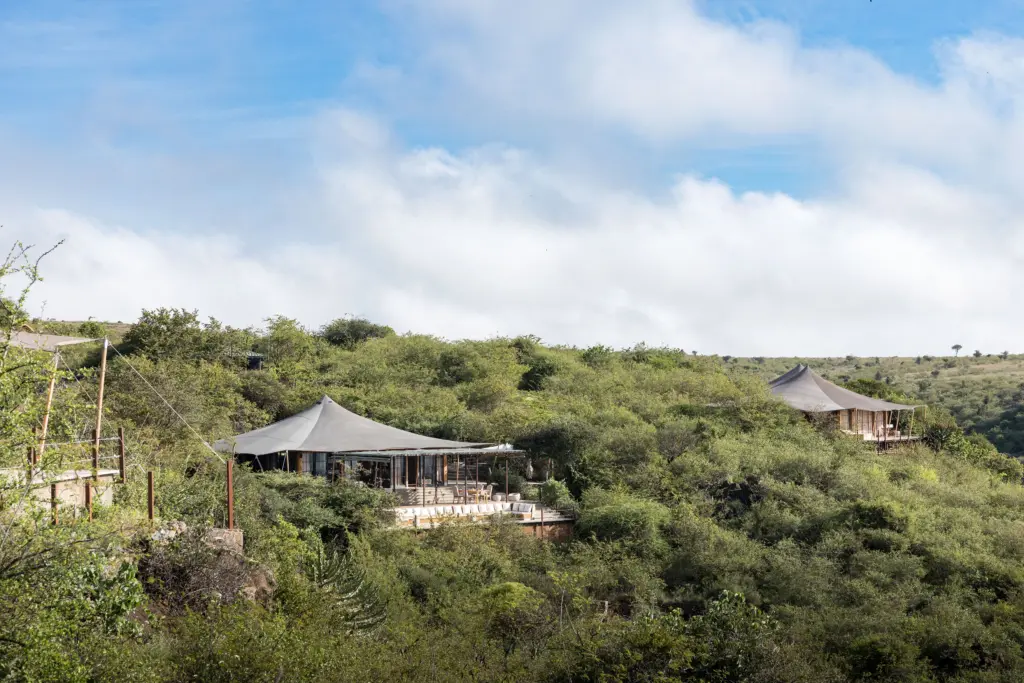
For Kyle and Leah, this was one of Laikipia’s defining qualities: each conservancy offered its own landscape, wildlife patterns and style of experience rather than feeling like a continuation of the one before it.
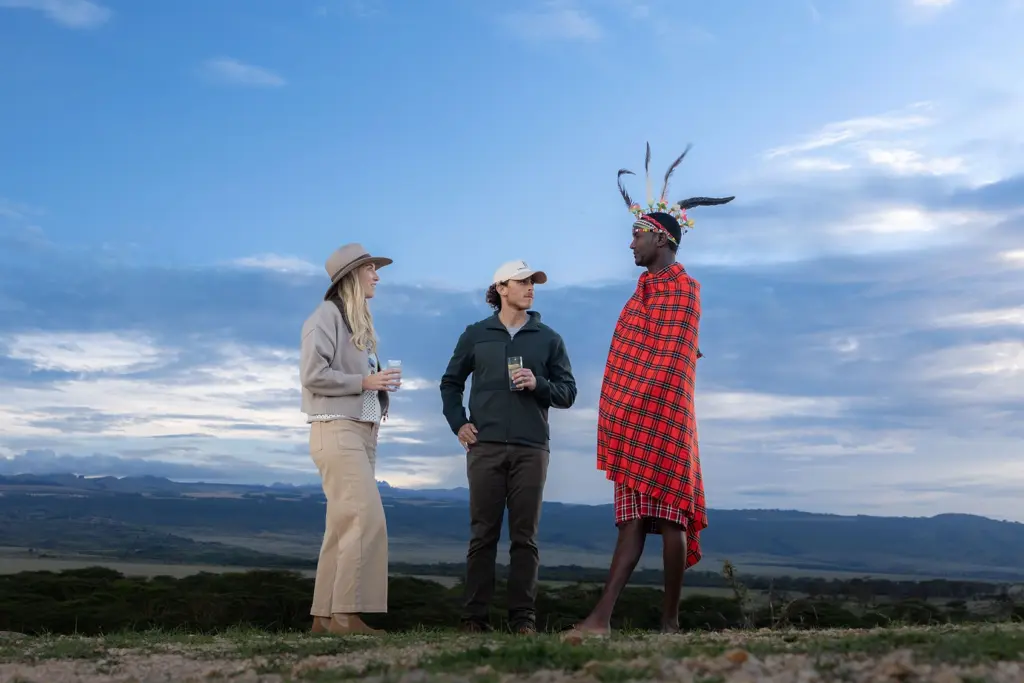
A Safari Region Shaped by Conservation
Laikipia is one of Kenya’s most significant conservation landscapes. Across the region, many conservancies bring together wildlife protection, tourism, livestock management and community partnerships rather than separating conservation from the people who live and work on the land.
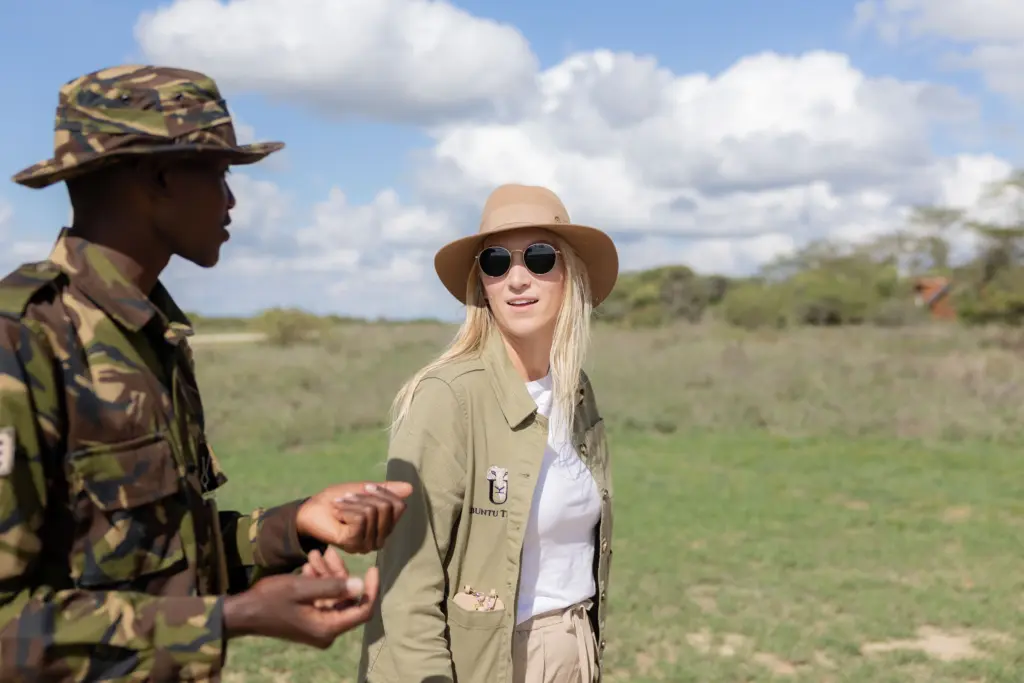
The precise model differs between conservancies, and we will explore several of these initiatives later in the guide. For travelers, however, the result is immediately noticeable.
A Laikipia safari can combine conventional wildlife viewing with walking, horseback safaris, conservation experiences, community engagement and time in landscapes that feel markedly different from one another.
What Makes a Laikipia Safari Different?
The fundamentals of a safari remain the same: time spent searching for wildlife, exploring the landscape and returning to the lodge between activities.
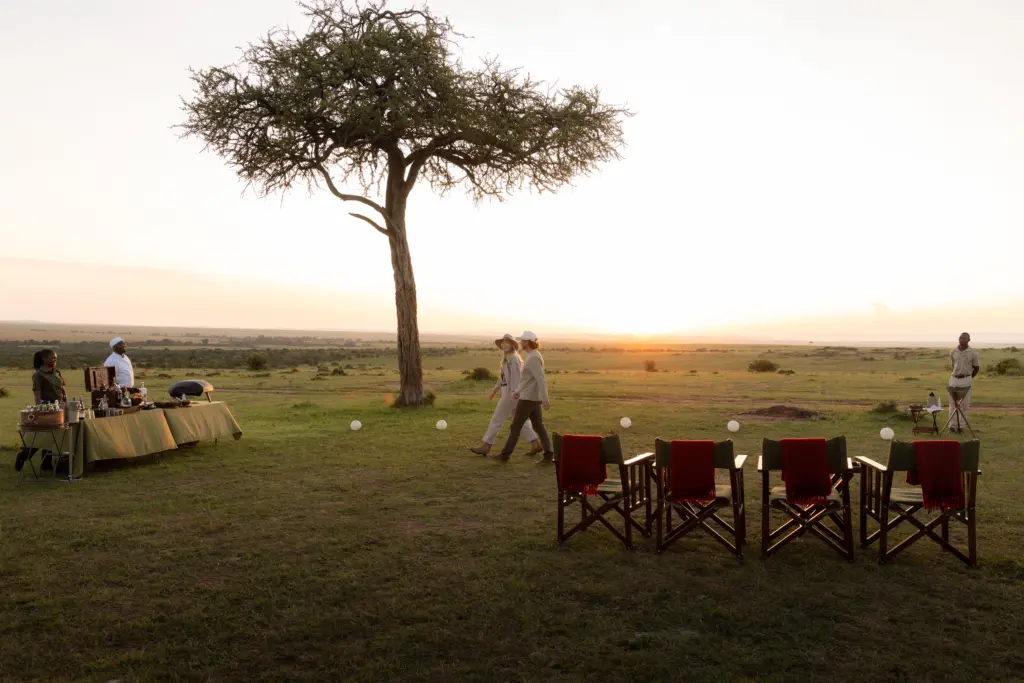
What changes in Laikipia is the amount of space, flexibility, and variety surrounding those experiences. For Kyle and Leah, this quieter, more personal style of luxury is exactly what Ubuntu Travel strives to deliver through every tailored East Africa Itinerary.
Tailor-Made Safaris
Ready to plan your Luxury Safari to Africa?
Luxury safaris should feel personal from the very first conversation. Now let’s design the right way to experience it.
Your Journey Starts Here
In the past, we’ve often paired Kenya with Tanzania when designing East African itineraries. It’s a combination we still love.
More Space Around Wildlife
Because much of Laikipia is divided into private and community conservancies, vehicle numbers at sightings are often carefully managed. This can create quieter encounters and allow guides more time to observe an animal’s behavior without the pressure of a growing queue of vehicles.
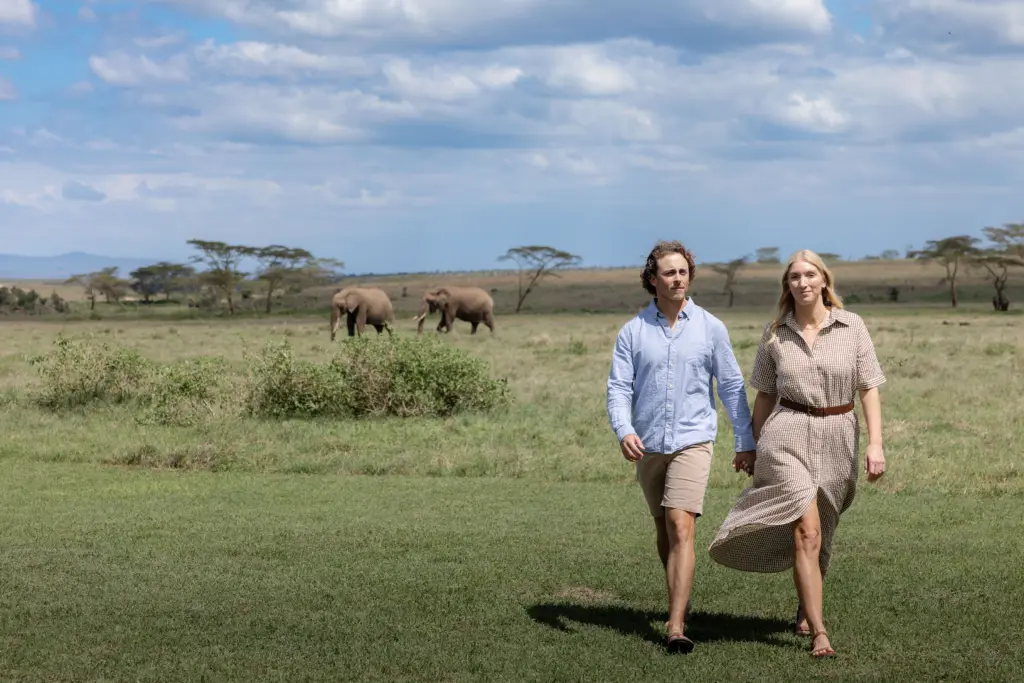
Kyle and Leah experienced this at Loisaba Conservancy when they found a mother cheetah with her cub. No other vehicles were nearby, so they could sit quietly and watch the pair for as long as the mother allowed.
It was not simply the sighting that stayed with them, but the unhurried way in which they were able to experience it.
Several Safari Landscapes in One Region
The contrast became particularly clear as they moved between Lewa, Loisaba, and Suyian.
In Lewa, grasslands, acacia woodland and views toward Mount Kenya create an excellent setting for rhino viewing. Loisaba feels more open and expansive, with wide horizons and a strong focus on wildlife protection. Further north, Suyian introduced Kyle and Leah to rocky escarpments, river valleys and a more rugged side of Kenya than they had experienced elsewhere on the trip.
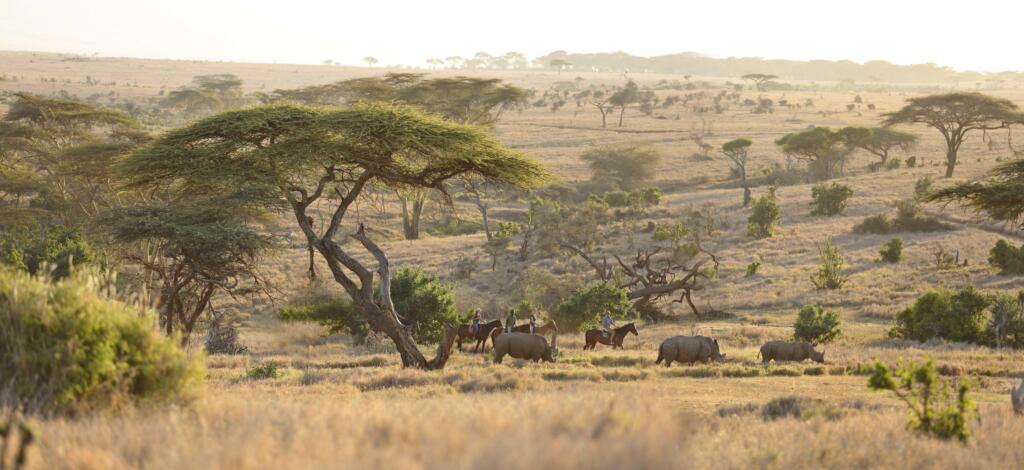
Travelling between these areas did not feel like repeating the same safari in a different lodge. Each conservancy brought its own scenery, wildlife patterns and pace.
More Ways to Explore
Game drives remain an important part of a Laikipia safari, but they are rarely the only way to experience the region.
Depending on the conservancy and lodge, travelers may explore on foot, ride through the landscape on horseback, track wildlife with specialist guides or spend a night fly-camping in a more remote part of the wilderness. Other possibilities include camel walks, scenic helicopter flights and the canopy walkway in Ngare Ndare Forest.
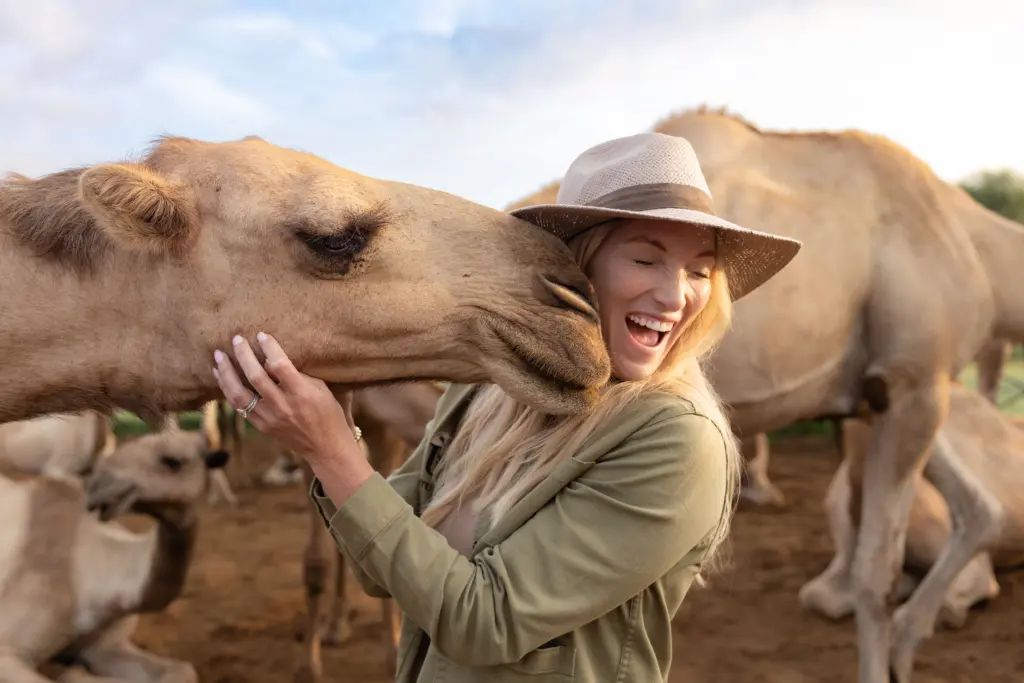
Some experiences are wonderfully unexpected. During their visit, Kyle and Leah even had the opportunity to milk a camel—one of those small, unscripted moments that revealed a completely different side of life in the region.
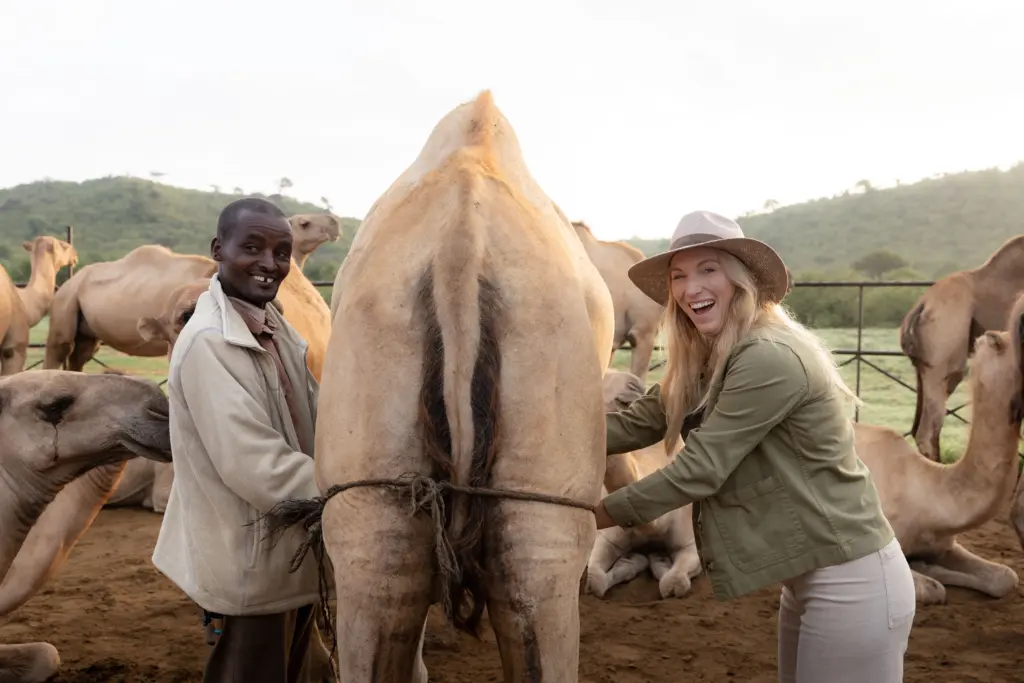
The activities vary considerably between conservancies, which is why choosing the right combination of properties is so important when planning a Laikipia itinerary.
Conservation You Can See First-Hand
Conservation is not simply part of Laikipia’s background. At several conservancies, guests can meet the people directly involved in protecting the landscape and its wildlife.
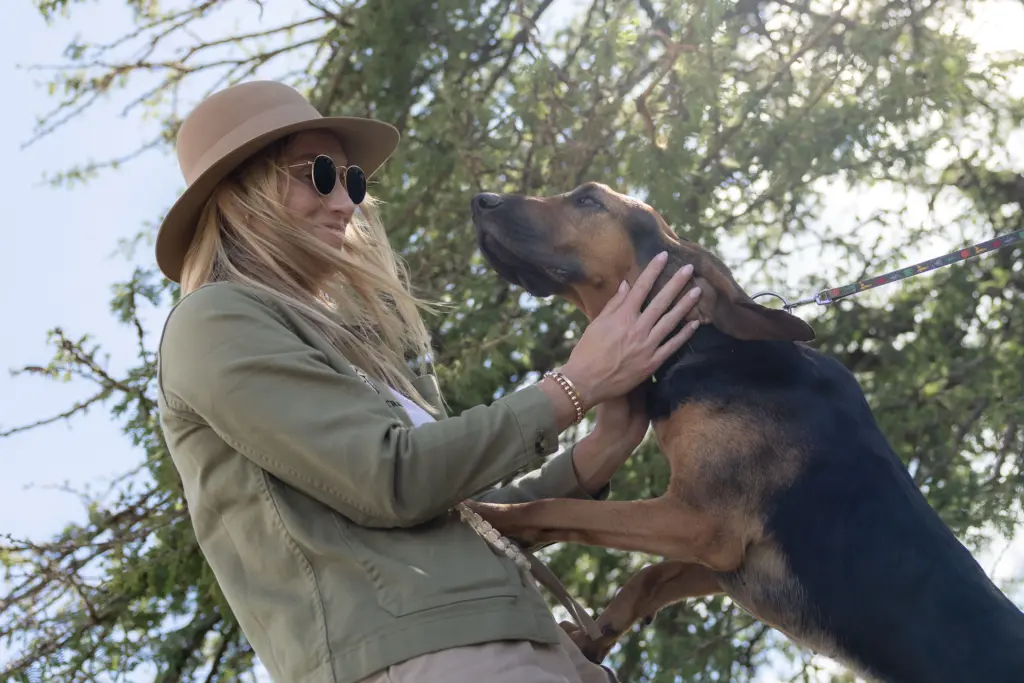
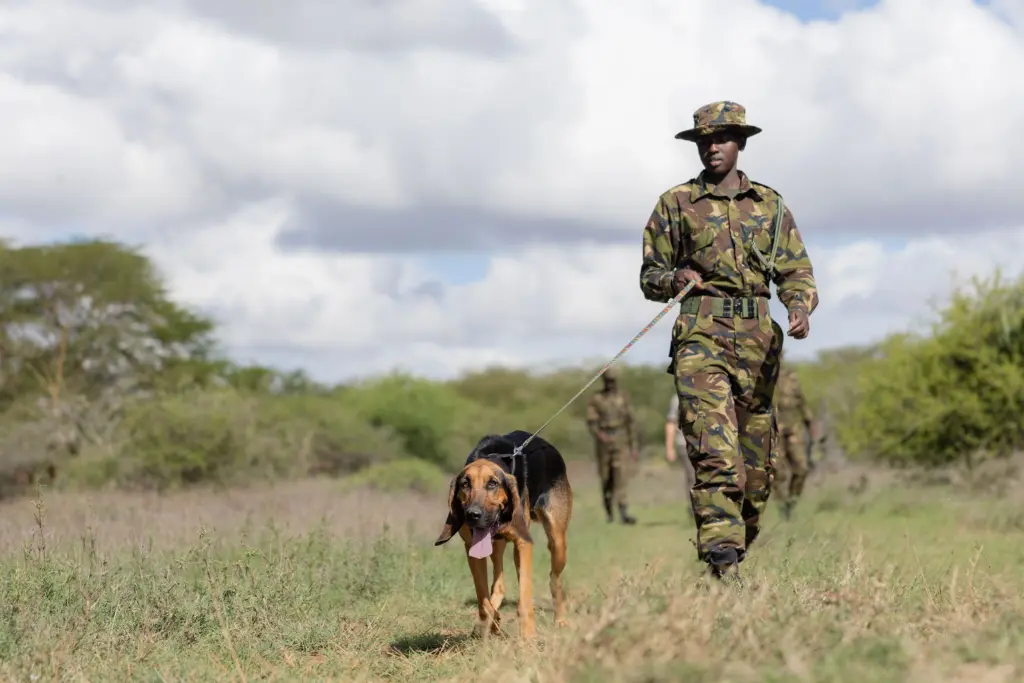
At Loisaba Lodo Springs, Kyle and Leah visited the anti-poaching canine unit and learned how its trained dogs support tracking, security and wildlife protection across the conservancy. Elsewhere in Laikipia, guests may learn about rhino monitoring, habitat restoration, community partnerships and the relationship between wildlife conservation and working ranches.
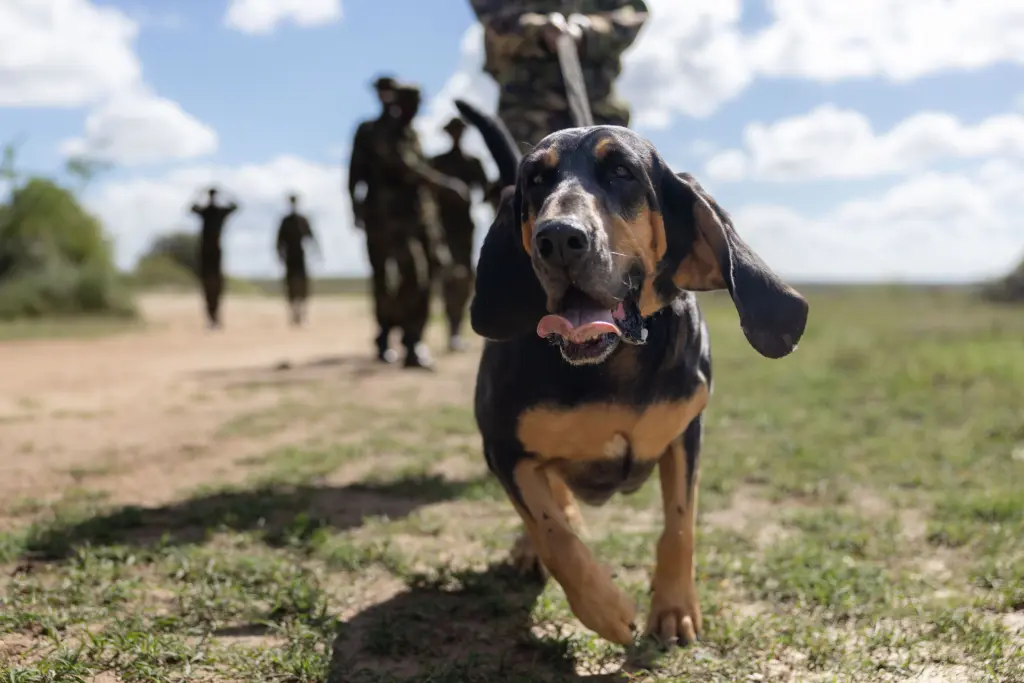
As part of a controlled demonstration, Kyle was asked to hide in the surrounding bush while one of the dogs followed his scent. It did not take long for the dog to find him. The experience was light-hearted for Kyle, but the purpose behind it was serious. It gave them a clearer understanding of the training, coordination and daily work required to protect wildlife across such a large and remote landscape.
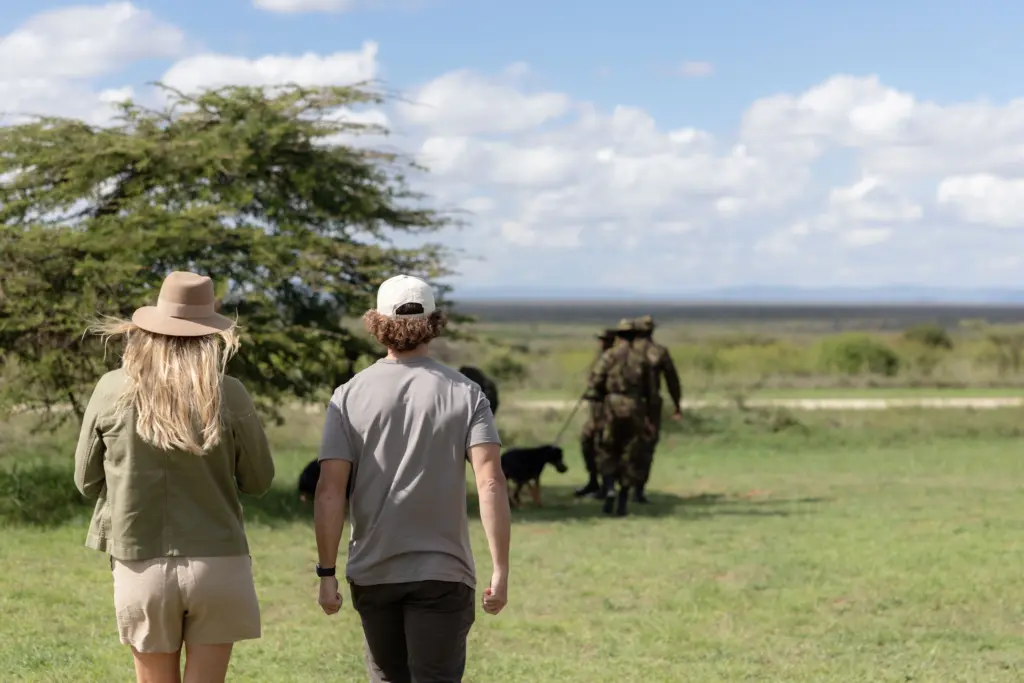
For Kyle and Leah, experiences such as the canine-unit visit added important context to the wildlife sightings they enjoyed elsewhere in Laikipia. These conservation experiences give travelers a clearer understanding of what their stay helps support and why the conservancy model matters. Together, these elements make Laikipia feel less like a single safari destination and more like a collection of distinct wilderness experiences connected by a shared commitment to conservation.
Wildlife You Can See on a Laikipia Safari
Laikipia supports an impressive variety of wildlife, combining many of Kenya’s best-known safari animals with northern species that are much harder to find in the country’s more traditional safari regions.
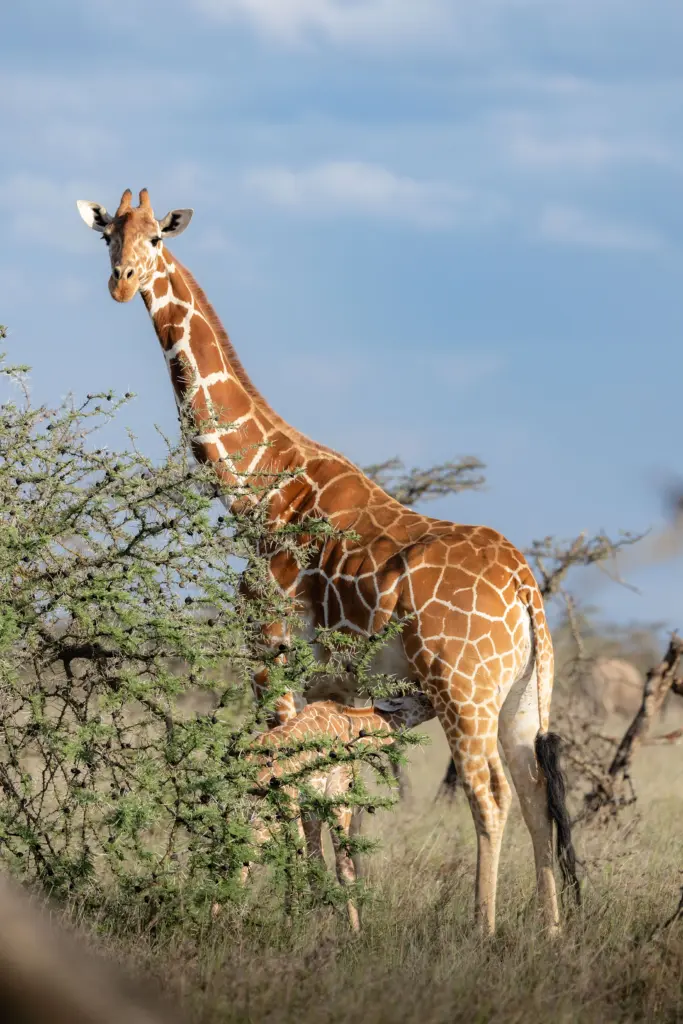
However, Laikipia is vast, and wildlife varies between conservancies. The animals you are most likely to see will depend heavily on where you stay, which is one reason carefully combining the right areas matters.
Predators, Elephants and Other Safari Favorites
Across Laikipia, travelers may encounter many of the animals they hope to see on a Kenya safari, including:
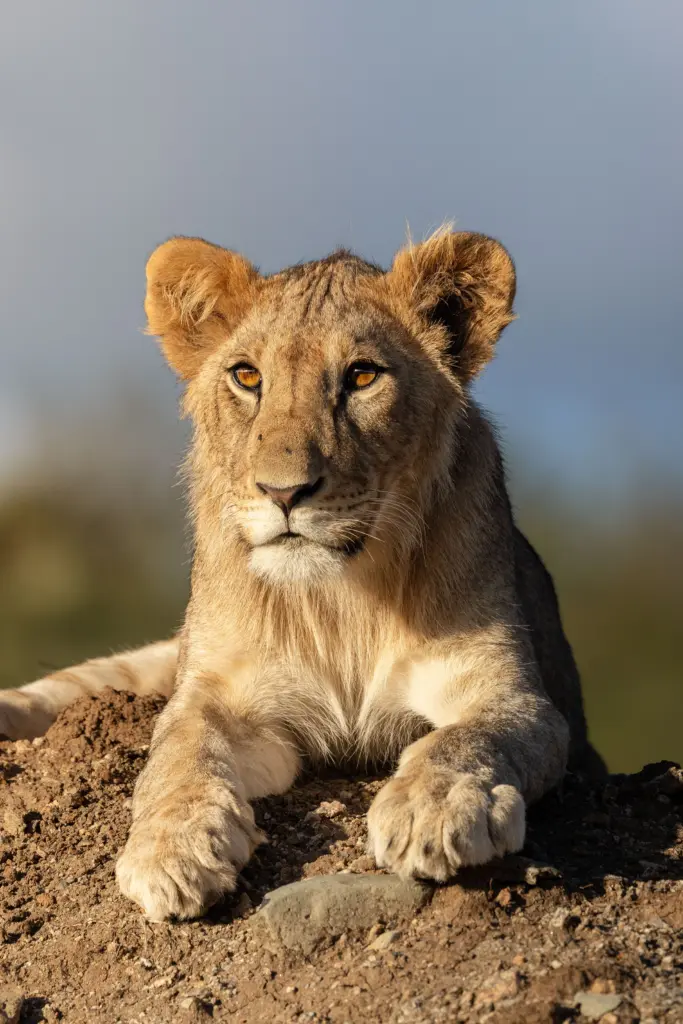
- Lion
- Leopard
- Cheetah
- Elephant
- Buffalo
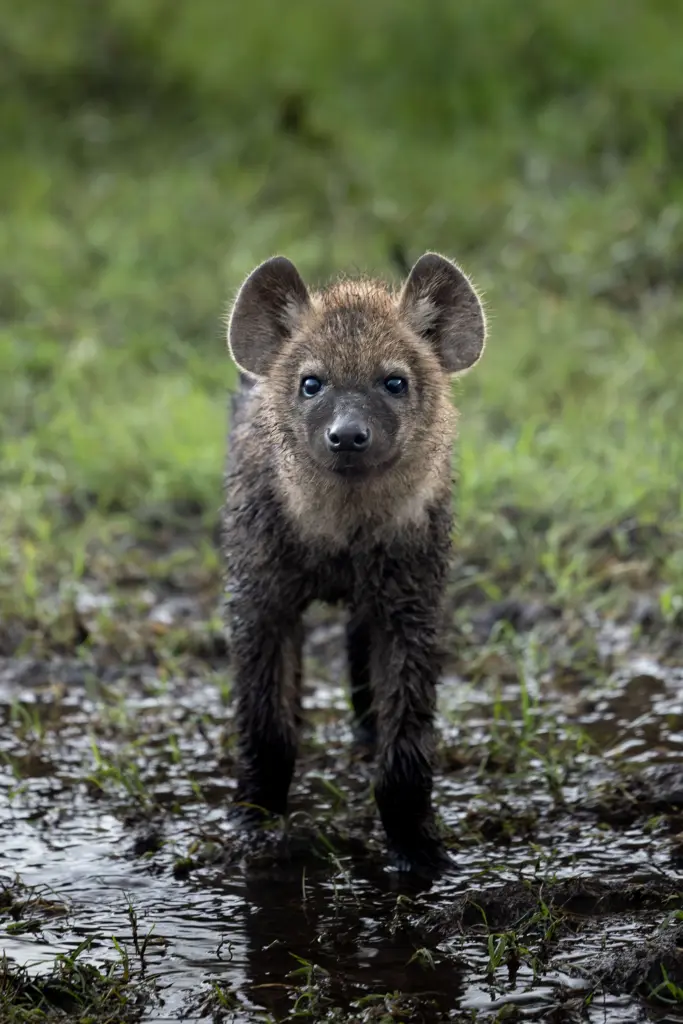
- Spotted hyena
- Hippo
- African wild dog (rare sighting)
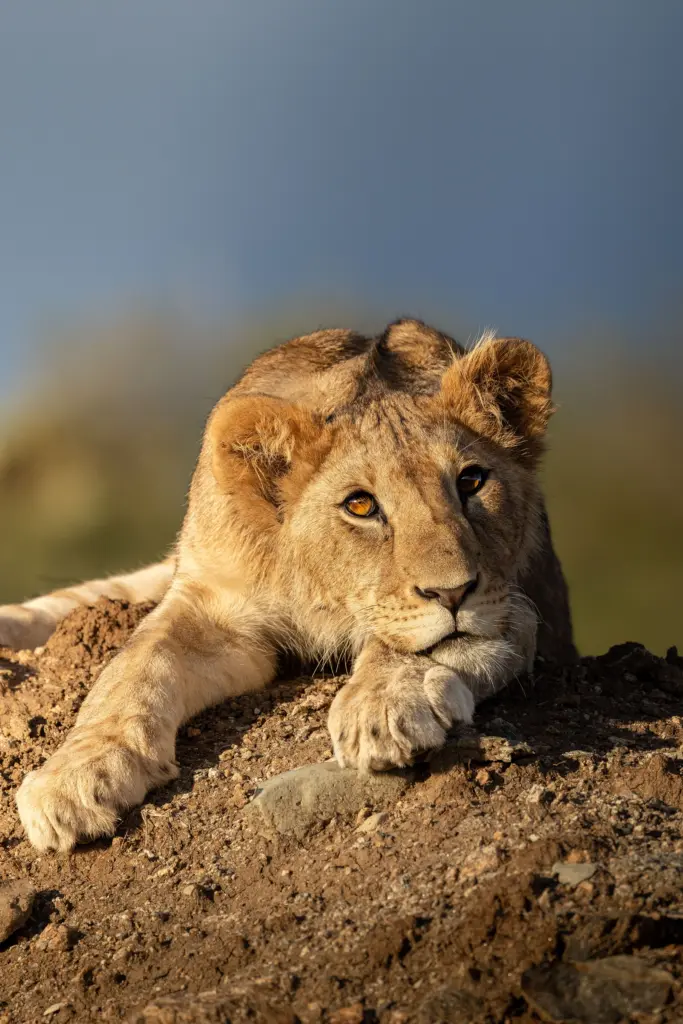
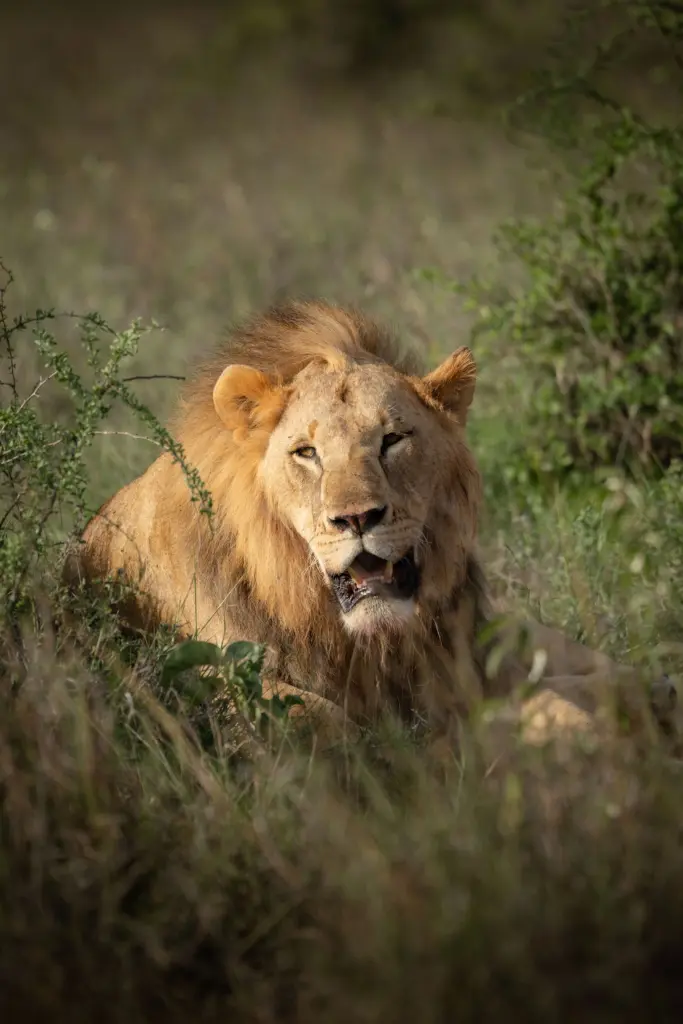
Predator viewing can be particularly rewarding in conservancies with healthy lion, leopard and cheetah populations, although sightings are never guaranteed.
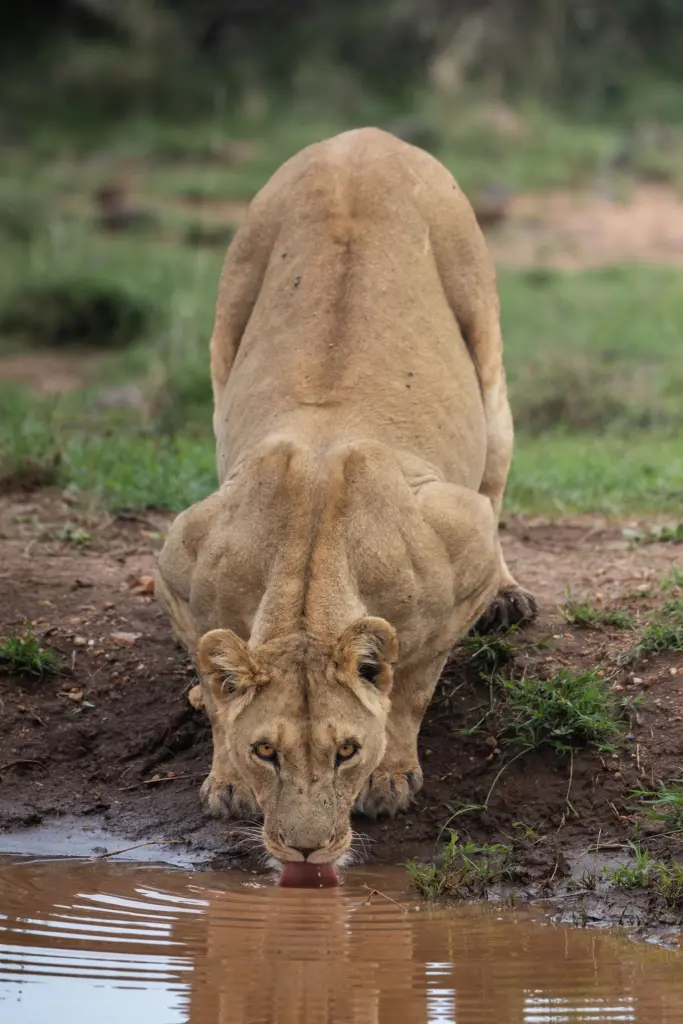
Laikipia is also one of the few places in Kenya associated with melanistic, or “black,” leopards. These exceptionally rare animals have been recorded in parts of the region, including Suyian Conservancy, but seeing one should be regarded as an extraordinary stroke of luck rather than an expected safari sighting.
Northern Laikipia Species You May Not See Elsewhere
One of Laikipia’s greatest wildlife attractions is the opportunity to see species associated with Kenya’s northern landscapes.
Depending on the conservancy, these may include:
- Grevy’s zebra
- Reticulated giraffe
- Gerenuk
- Beisa oryx
- Somali ostrich (Kyle’s favorite)
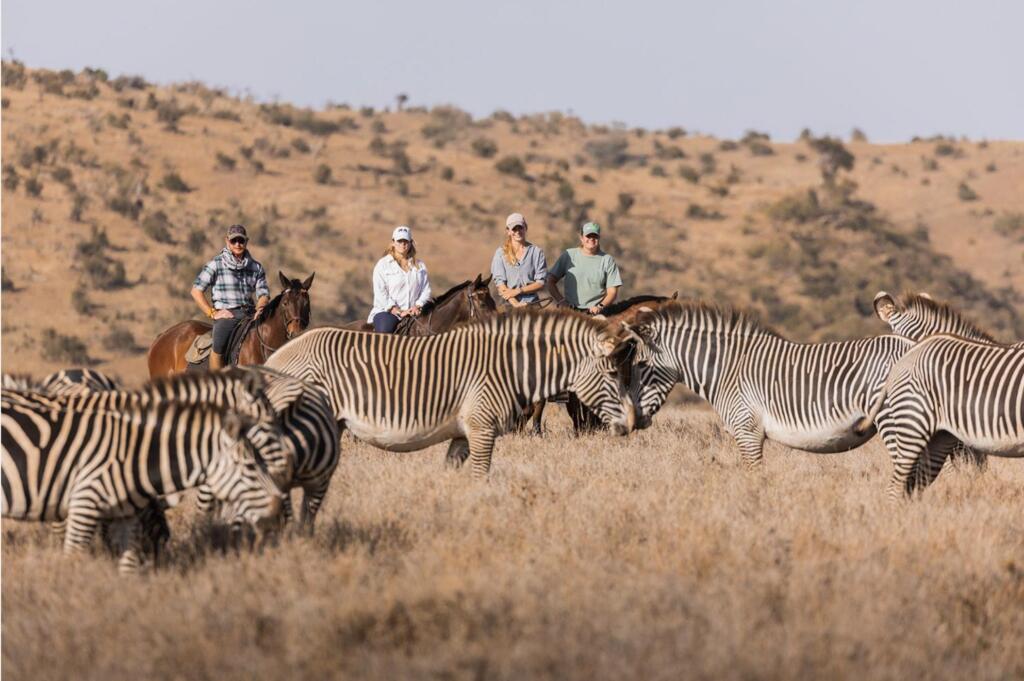
These species give the region a noticeably different character from the Masai Mara and other safari areas further south.
Grevy’s zebra are a particular highlight. The endangered species is found predominantly in northern Kenya, and the Lewa-Borana landscape protects the world’s largest single population.

For Kyle and Leah, repeatedly seeing Grevy’s zebra and reticulated giraffe was one of the clearest reminders that they had entered a very different part of Kenya.
Laikipia is One of Kenya’s Best Regions for Rhino Viewing
For travelers who place rhino high on their safari wishlist, Laikipia is particularly rewarding.
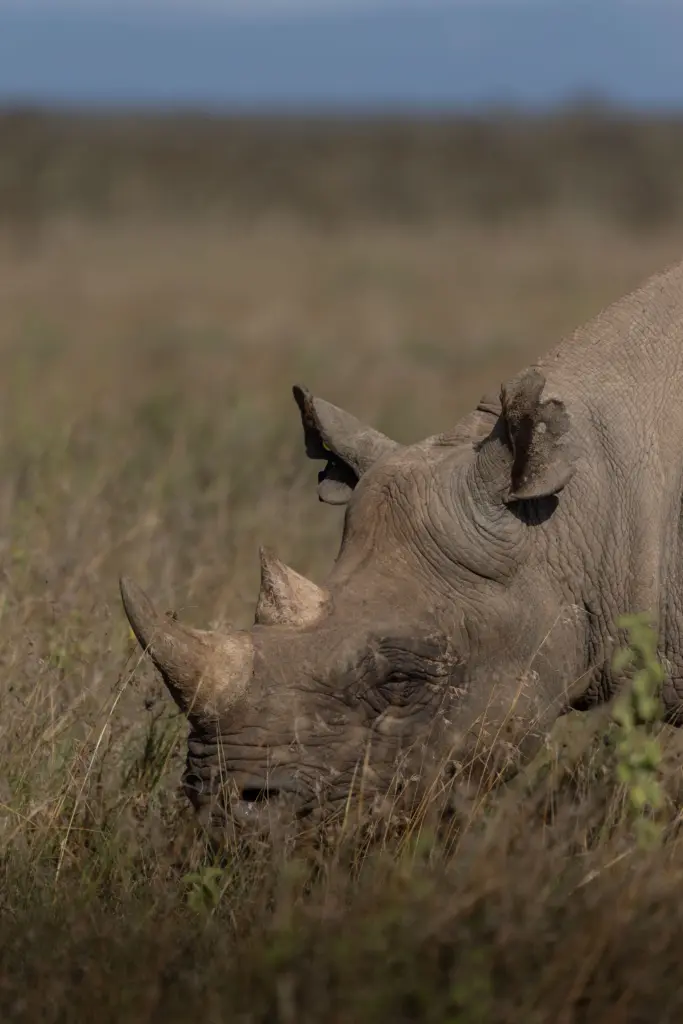
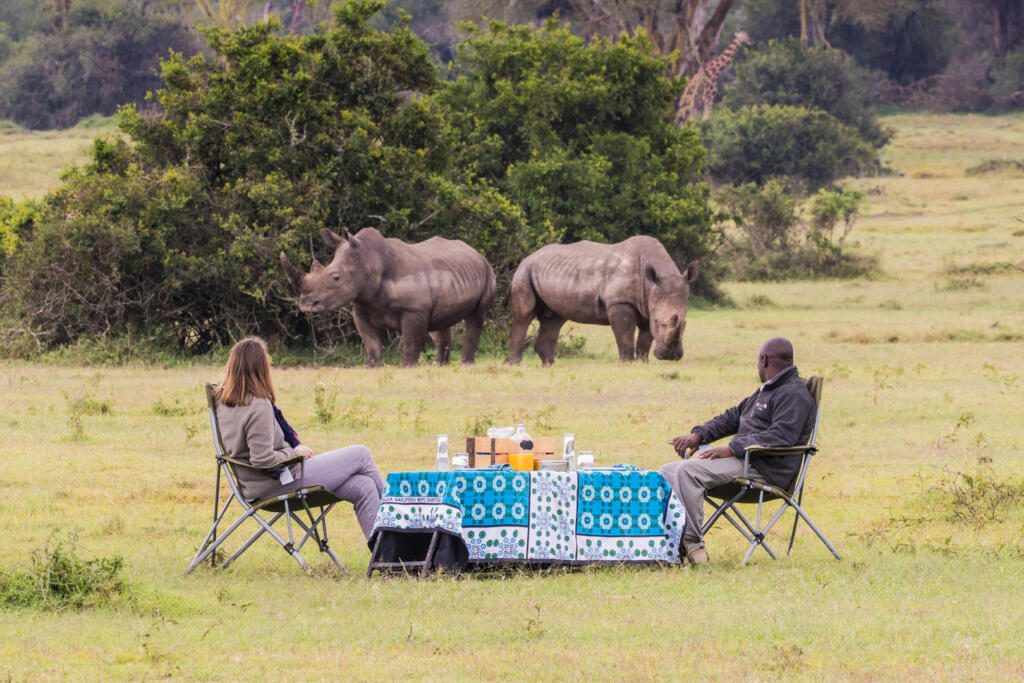
Several conservancies protect important populations of black and white rhino, with Lewa and neighboring Borana forming one of the country’s most significant rhino landscapes. Lewa-Borana supported more than 280 rhinos by late 2025, representing a substantial share of Kenya’s national population.
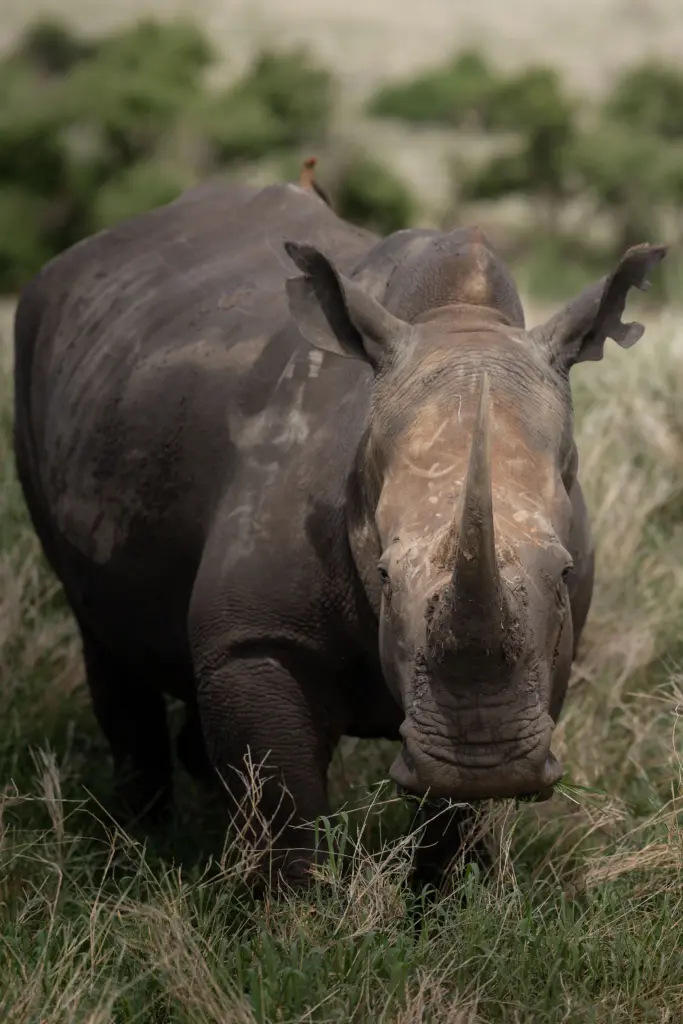
Kyle and Leah found the rhino viewing at Lewa especially memorable.
“At Lewa, there were moments when we looked around and it felt as though there were rhinos everywhere. Seeing both black and white rhino with their horns intact was incredibly special.”
— Kyle and Leah Green, Co-founders of Ubuntu Travel
The frequency of their sightings allowed them to spend less time simply searching for rhino and more time observing their behavior—something that can be much harder to achieve in destinations where encounters are less predictable.
Laikipia’s rhino story also continues to evolve. In 2024, 21 eastern black rhinos were translocated to Loisaba Conservancy, establishing a new sanctuary within the wider region.
Is Wildlife Viewing Good Throughout the Year?
Laikipia offers rewarding wildlife viewing in both the dry and green seasons because many of its key species—including rhino, elephant, lion, Grevy’s zebra and reticulated giraffe—are resident.
The experience changes with the seasons rather than switching on or off.
During the drier months, wildlife may be easier to locate around dependable water sources, and thinner vegetation can improve visibility. The greener months bring fuller landscapes, dramatic skies, young animals and excellent birdlife, although wildlife can be more dispersed.
This year-round consistency makes Laikipia easy to combine with other parts of Kenya. It can complement the seasonal spectacle of the Great Migration, but it is equally rewarding outside the migration period.
What Safari Activities Can You Do in Laikipia?
Game drives remain central to a Laikipia safari, but they are far from the only way to explore the region.
Depending on the conservancy and lodge, travelers may experience the landscape on foot, on horseback, alongside camels or even from the air. The range of activities is one of Laikipia’s greatest strengths, although what is available varies between properties.
Walking Safaris
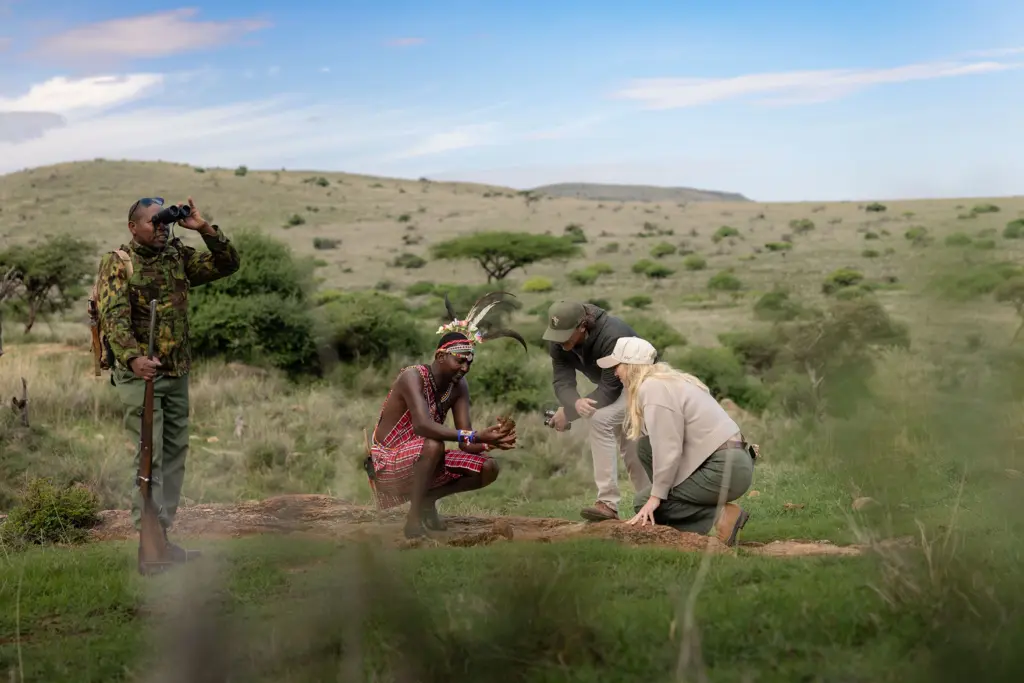
Walking slows the safari down and shifts attention toward details that are easily missed from a vehicle.
With an experienced guide, travelers can learn to identify animal tracks, interpret signs left in the bush and understand the relationships between wildlife, plants and the wider landscape. Birds, insects and smaller species also become far more noticeable.
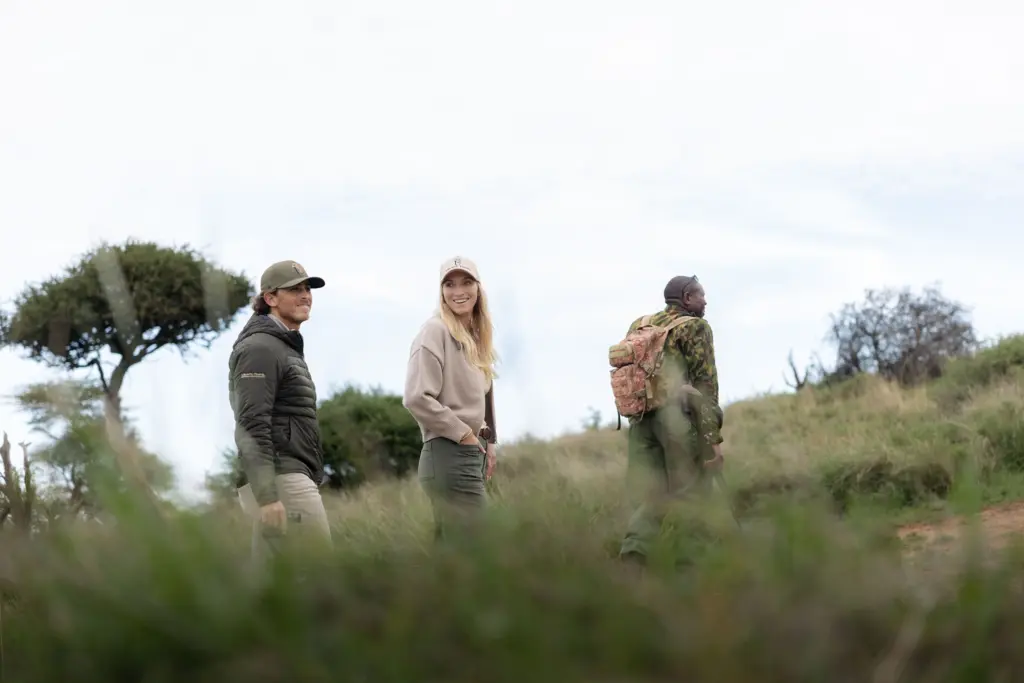
A walking safari is therefore not simply a game drive on foot. It offers a different way of reading and understanding the wilderness.
Horseback and Camel Experiences
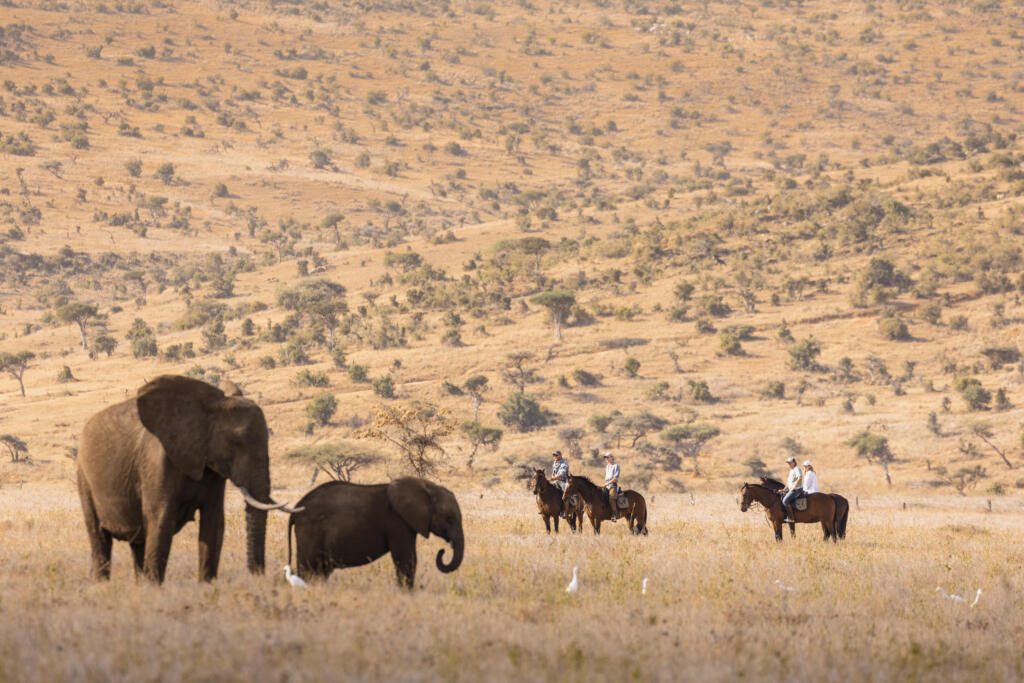
Several areas of Laikipia offer horseback riding, giving experienced and novice riders an opportunity to explore open landscapes from a completely different perspective.
At selected lodges, rides may pass through areas used by plains wildlife, although the route, pace and proximity to animals will always depend on the rider’s experience and local conditions.
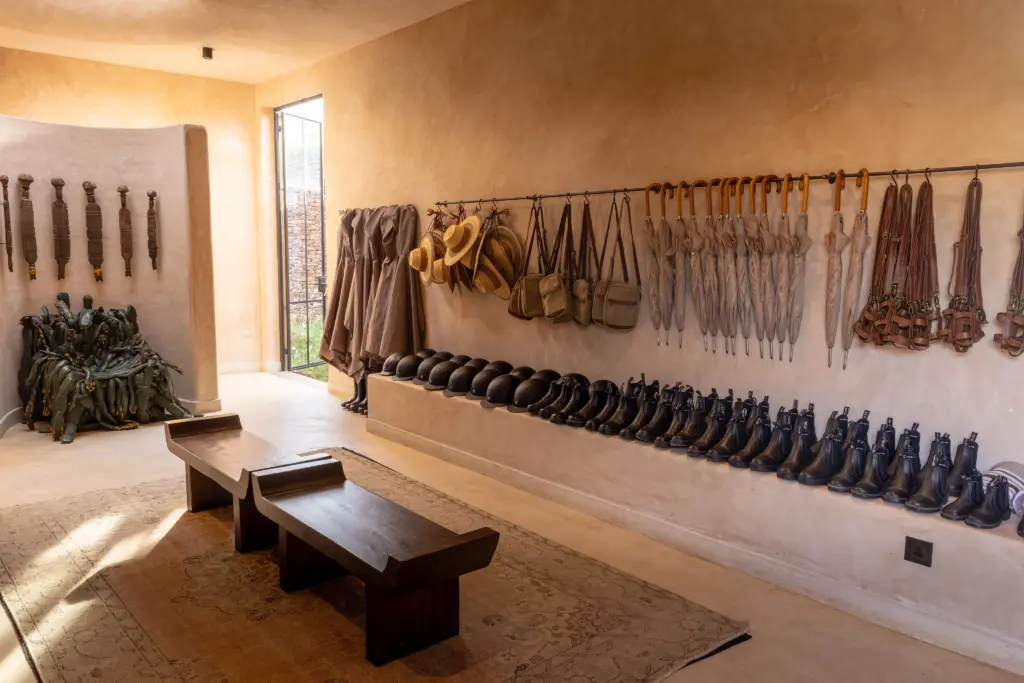
Camel experiences vary by property. They may include guided walks alongside camels, time with their handlers or longer camel-supported safaris into more remote areas. During their visit, Kyle and Leah were even invited to try milking a camel—an unexpected moment that became one of the more memorable experiences of their trip.
Fly-Camping and Remote Wilderness Experiences
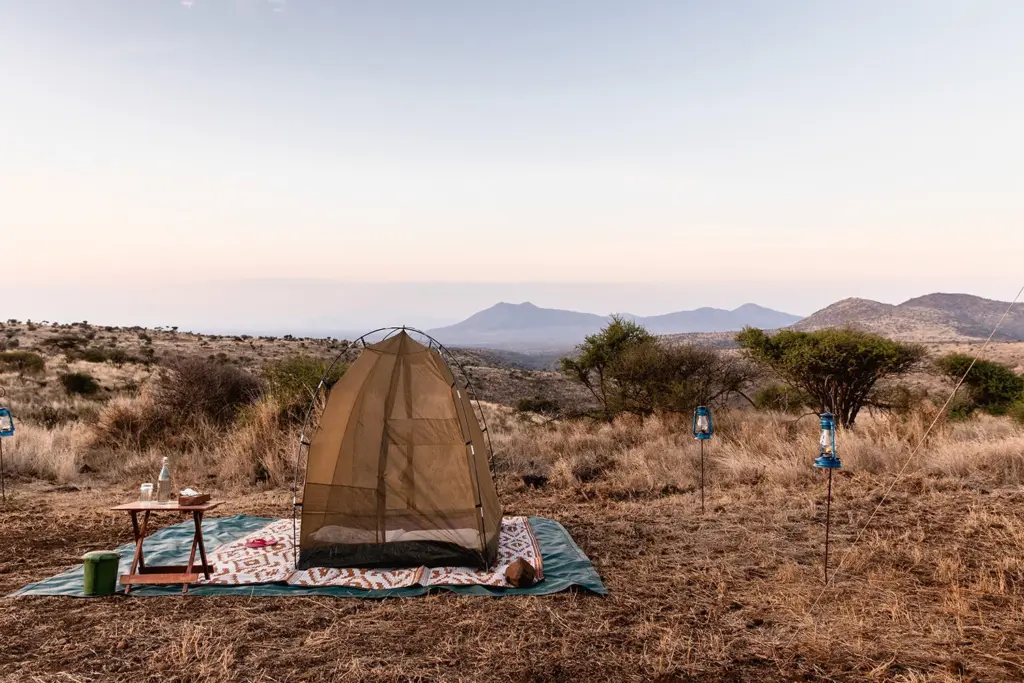
For travelers who want to venture beyond the lodge, some conservancies offer fly-camping in quieter parts of the wilderness.
These temporary camps are typically simpler than the main lodge but allow guests to spend a night closer to the landscape, often after reaching the camp on foot, by camel or as part of a longer guided journey. It can be an excellent addition for more adventurous travelers, particularly when paired with several nights of comfort at the main property.
Helicopter Flights and Ngare Ndare Forest Experience
Laikipia’s scale is difficult to appreciate from the ground alone.
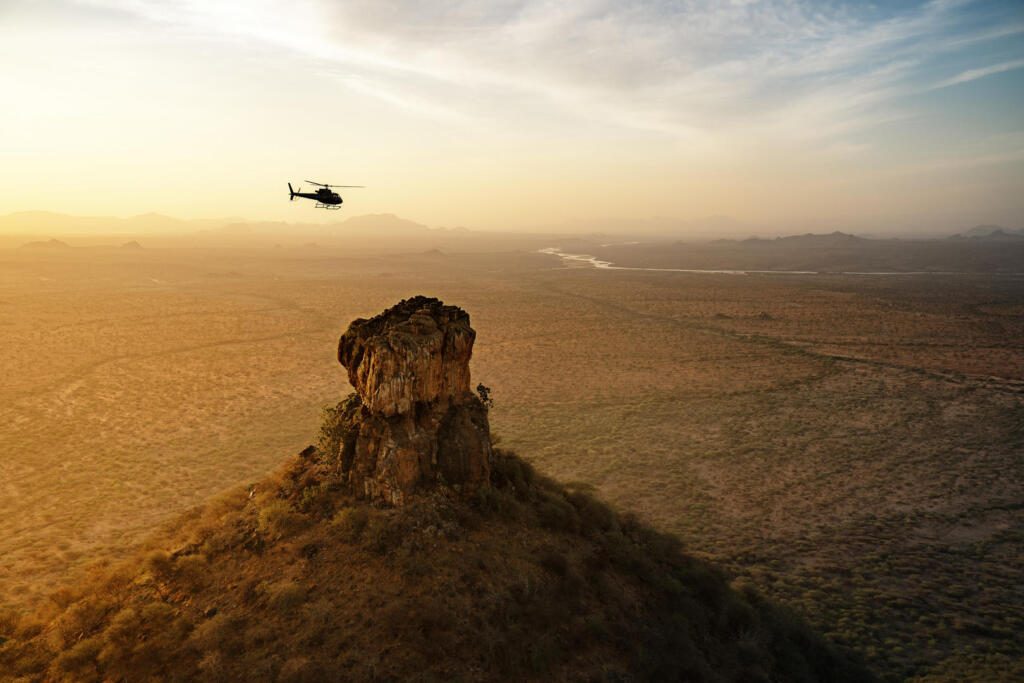
Scenic helicopter flights can reveal the region’s escarpments, river systems, conservancies and more remote northern landscapes, while also allowing access to areas that would take considerably longer to reach by road.
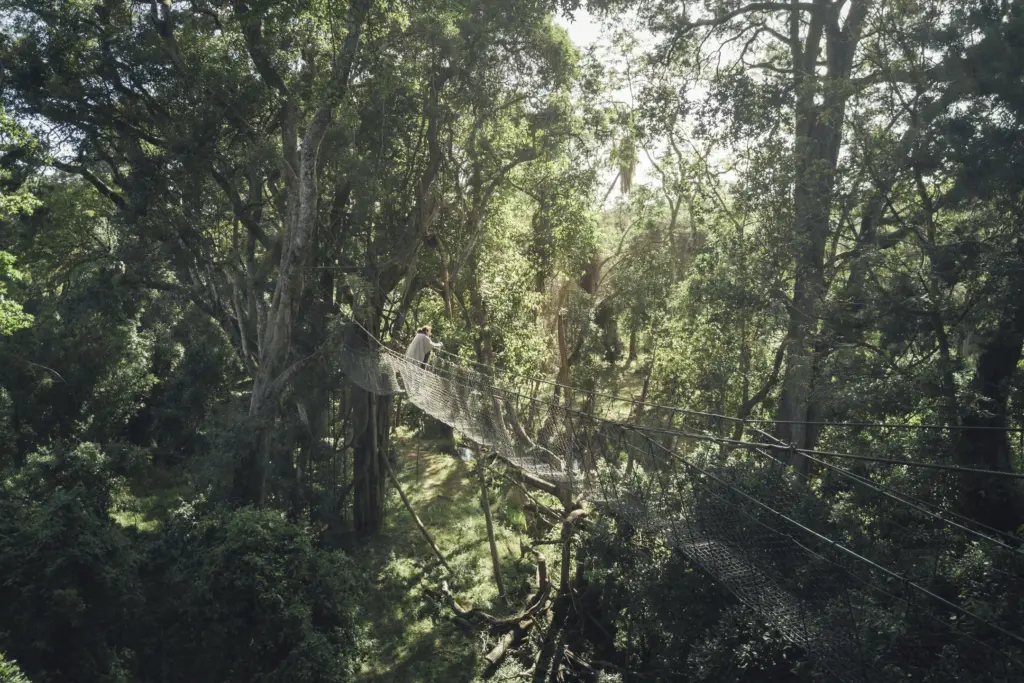
Around the Mount Kenya foothills, travelers may also visit Ngare Ndare Forest, known for its indigenous woodland, waterfalls and elevated canopy walkway. This provides a marked contrast to Laikipia’s more open grasslands and semi-arid landscapes.
Community-Led Cultural Experiences
Laikipia is not an untouched wilderness separated from human life. It is a lived-in landscape where communities, livestock and wildlife have long shared the same land. At selected conservancies, locally led experiences may offer insight into pastoralist traditions, contemporary community life and the realities of living alongside wildlife.
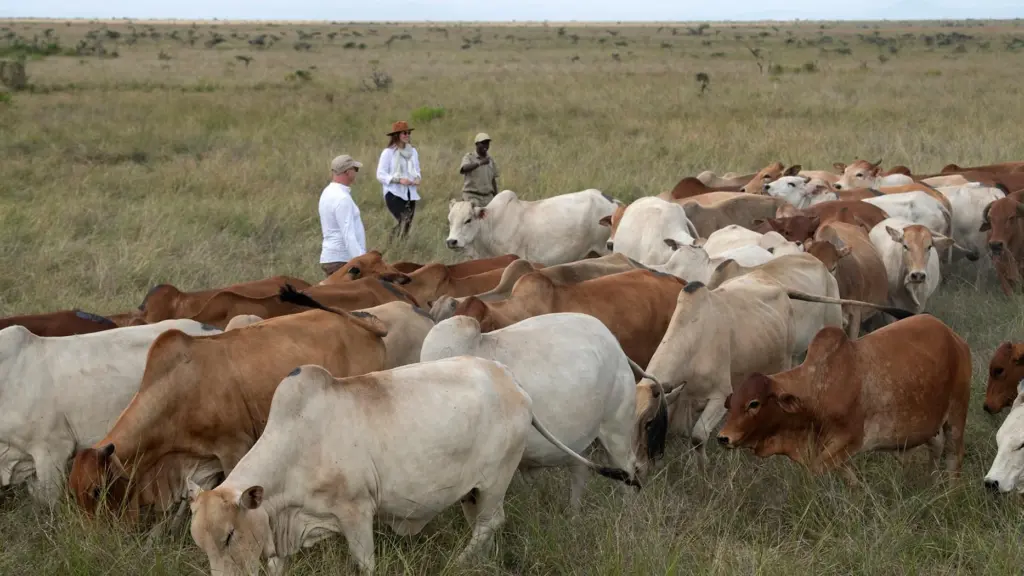
The quality and approach of these visits matter. We favor experiences that are led by local people, feel natural rather than staged and create a genuine exchange for both hosts and travelers.
For Kyle and Leah, the range of activities was one of Laikipia’s greatest surprises. The region gave them opportunities not only to look for wildlife, but to experience the landscape in several completely different ways.
The Best Areas and Conservancies in Laikipia
Laikipia is made up of numerous conservancies and wildlife areas, each with its own character, landscapes and wildlife experiences.
“What surprised us most was how different each conservancy felt. In the space of a few days, we moved between completely different landscapes, wildlife experiences and styles of safari.”
— Leah and Kyle Green, Co-founders of Ubuntu Travel
Below are four of the areas that stood out most during their journey, together with the lodges we believe best showcase each one.
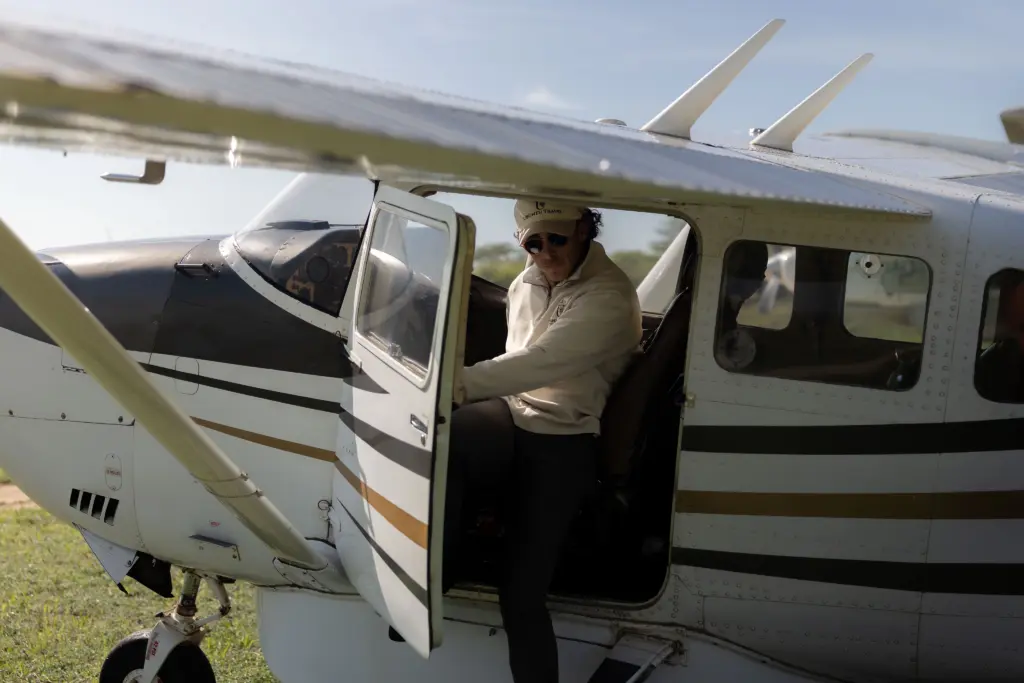
Lewa Conservancy
Lewa is one of Kenya’s great conservation success stories and one of the country’s best places to see both black and white rhino.
Set against the northern foothills of Mount Kenya, the conservancy combines open grasslands, acacia woodland and mountain views with exceptional wildlife viewing and a strong conservation focus.
Highlights of Lewa Conservancy include:
- Outstanding black and white rhino viewing
- Views toward Mount Kenya
- Grevy’s zebra and other northern species
- Lion, cheetah and occasional African wild dog sightings
- Pioneering wildlife and community conservation programs
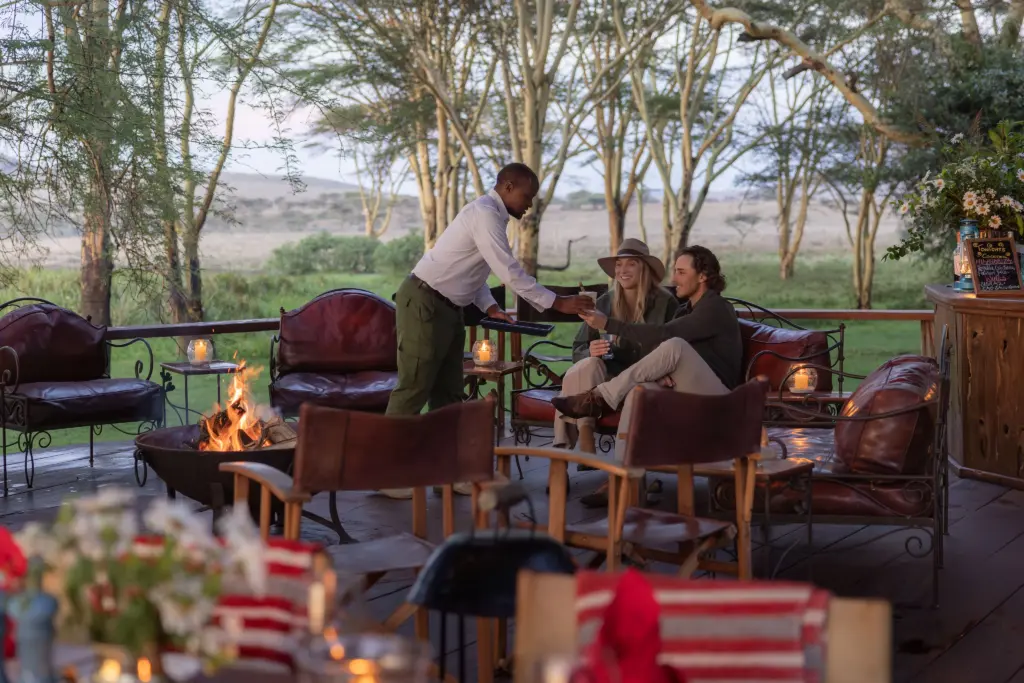
For many travelers, Lewa provides an excellent introduction to Laikipia, particularly those visiting the region for the first time. One of our favorite places to stay is Sirikoi Lodge, a family-owned property known for its excellent guiding, beautiful gardens and consistently rewarding rhino viewing.
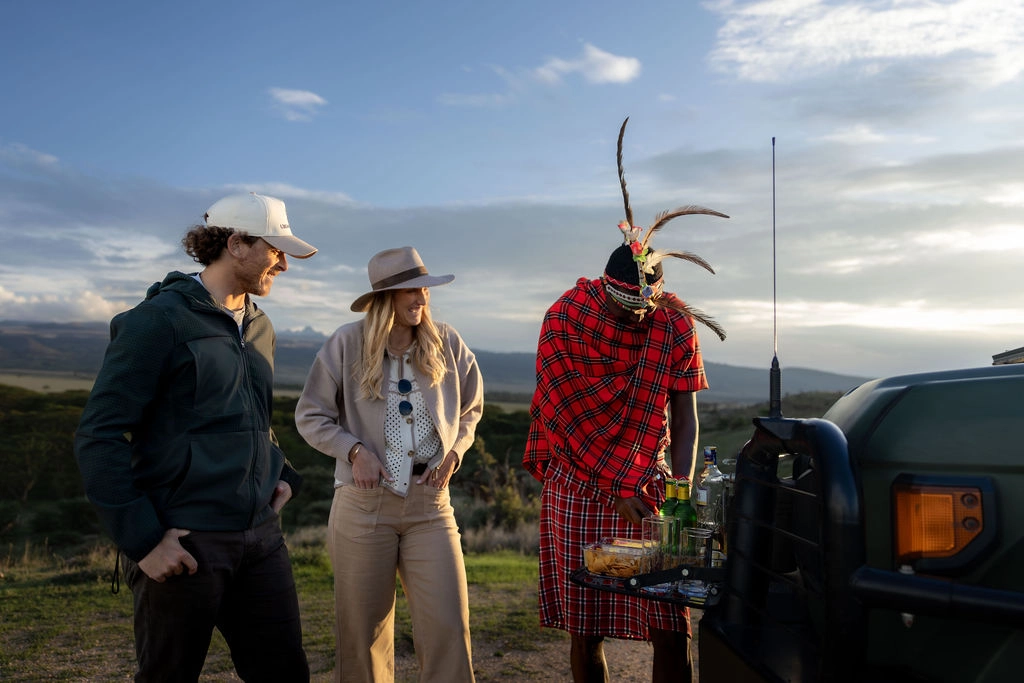
Loisaba Conservancy
Loisaba feels bigger, wilder and more remote, with vast open views stretching across northern Laikipia. The conservancy is known for its progressive conservation work, diverse predator populations and range of experiences beyond conventional game drives.
Highlights of Loisaba Conservancy include:
- Anti-poaching and wildlife conservation programs
- Opportunities to see cheetah, lion and leopard
- African wild dog moving through the wider landscape
- The Loisaba Star Beds
- Walking, horseback and camel experiences
- Kenya’s newest black rhino sanctuary
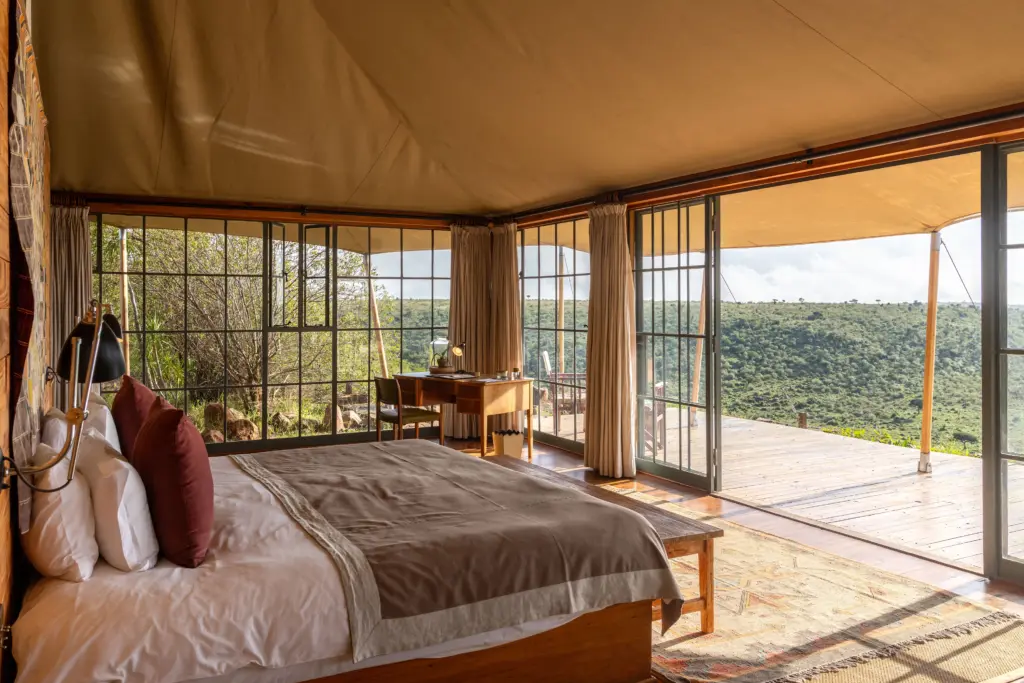
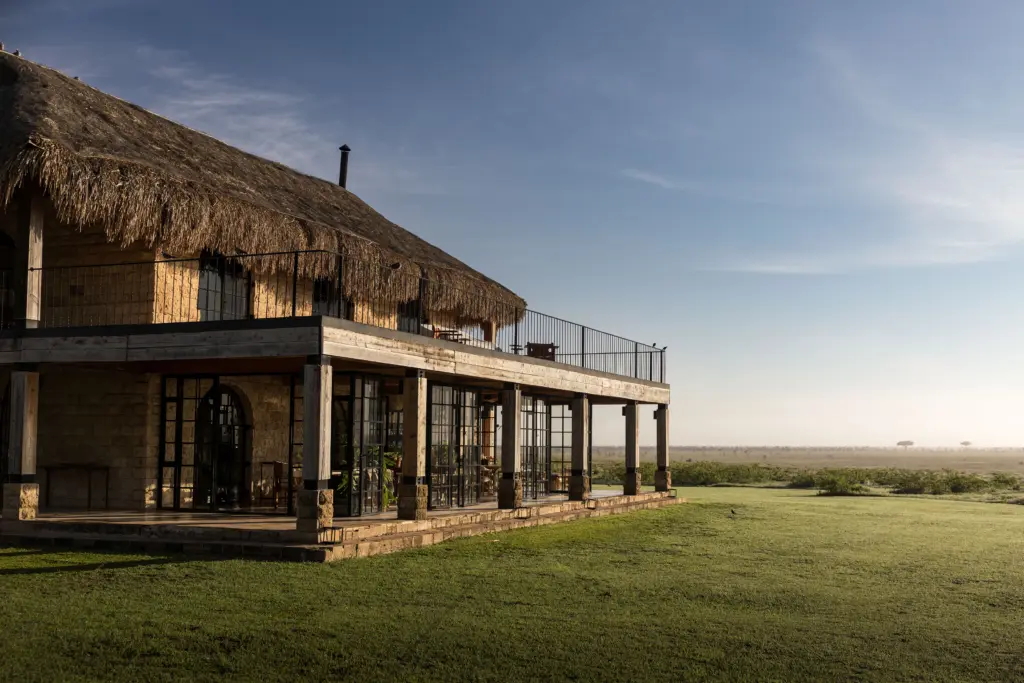
For travelers wanting to explore Loisaba, Elewana Loisaba Lodo Springs combines private accommodation and expansive views with excellent access to the conservancy’s wildlife and conservation experiences. A stay can also be combined with a night at the Loisaba Star Beds.
“One of the things that stood out at Loisaba was the chance to see conservation in action. From the tracking dogs to the anti-poaching teams, we gained a much deeper appreciation for the work that goes into protecting these landscapes.”— Leah and Kyle Green, Co-founders of Ubuntu Travel
Segera
Segera brings together luxury, conservation, sustainability and one of the most distinctive art collections in Laikipia.
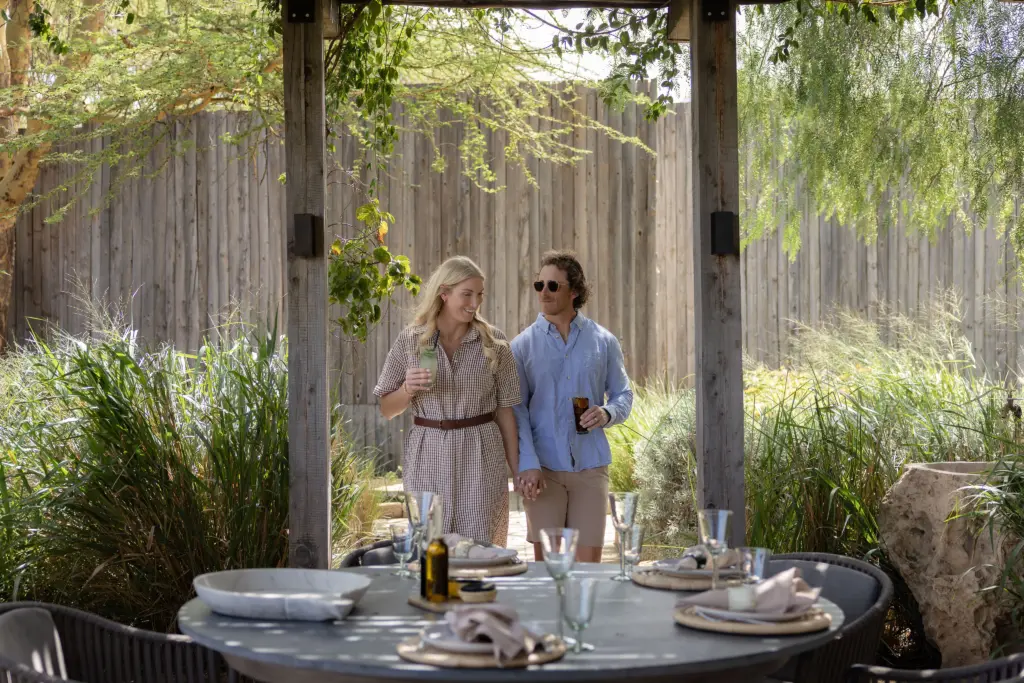
Set within a 50,000-acre private conservancy, it offers a more immersive and highly considered style of safari, with as much attention given to food, service, design, contemporary art and conservation as to the wildlife experience itself.
Highlights at Segera Retreat include:
- Innovative conservation and community projects
- Contemporary African art displayed throughout the retreat
- Galleries housed within the property’s original horse stables
- The Bird Nest sleepout experience
- Beautiful gardens and thoughtfully designed villas
- Exceptional food, service and guiding
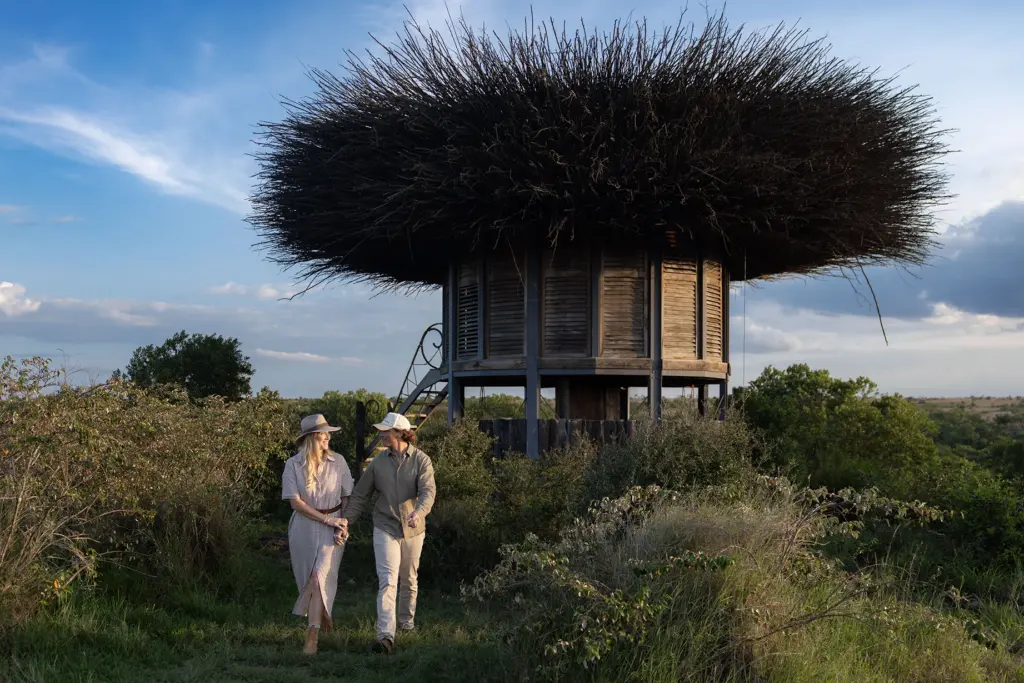
Segera Retreat was one of Leah’s favorite stays in Laikipia. She was particularly impressed by how carefully every part of the experience had been considered, from the service and gardens to the food and art collection.
Suyian Conservancy
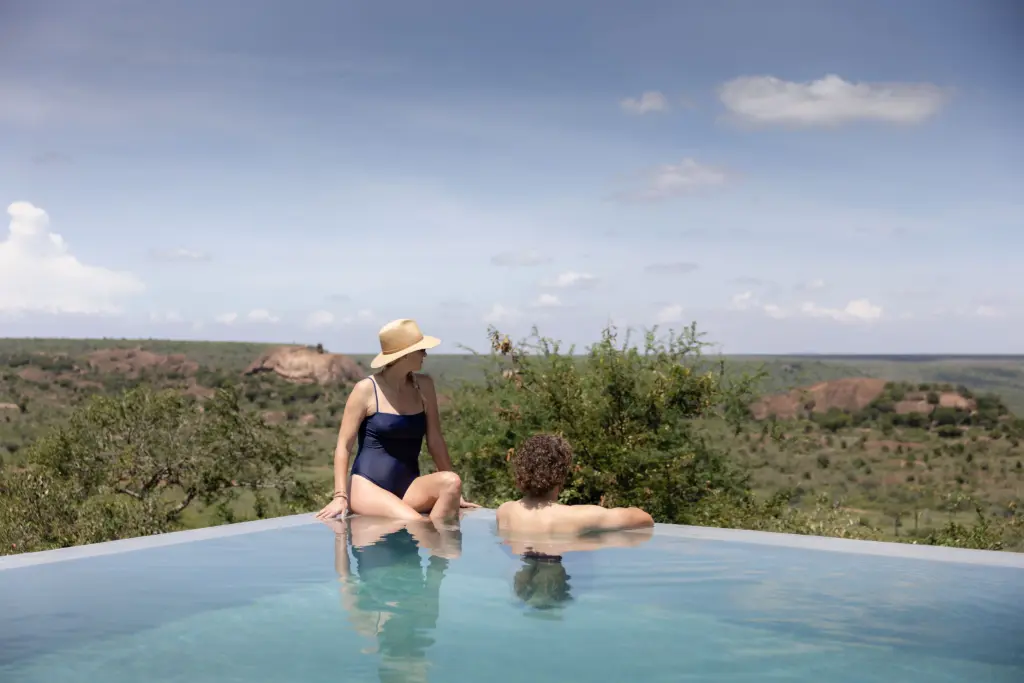
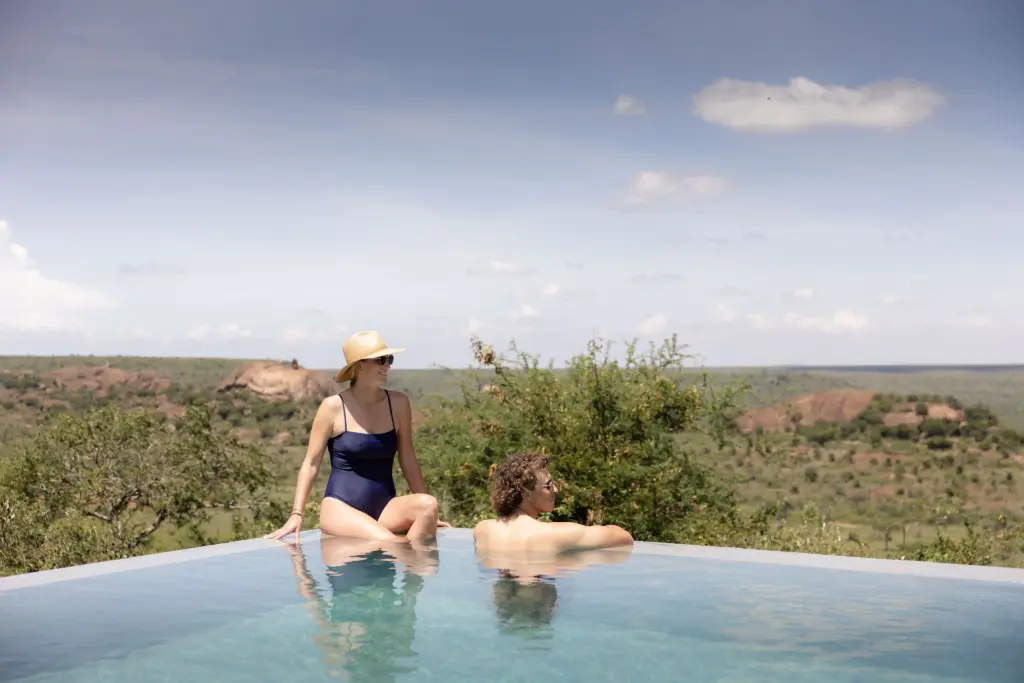
Suyian’s landscapes are dramatic, varied and surprisingly rugged, with rocky escarpments, river valleys and enormous boulder formations creating a striking backdrop for safari activities.
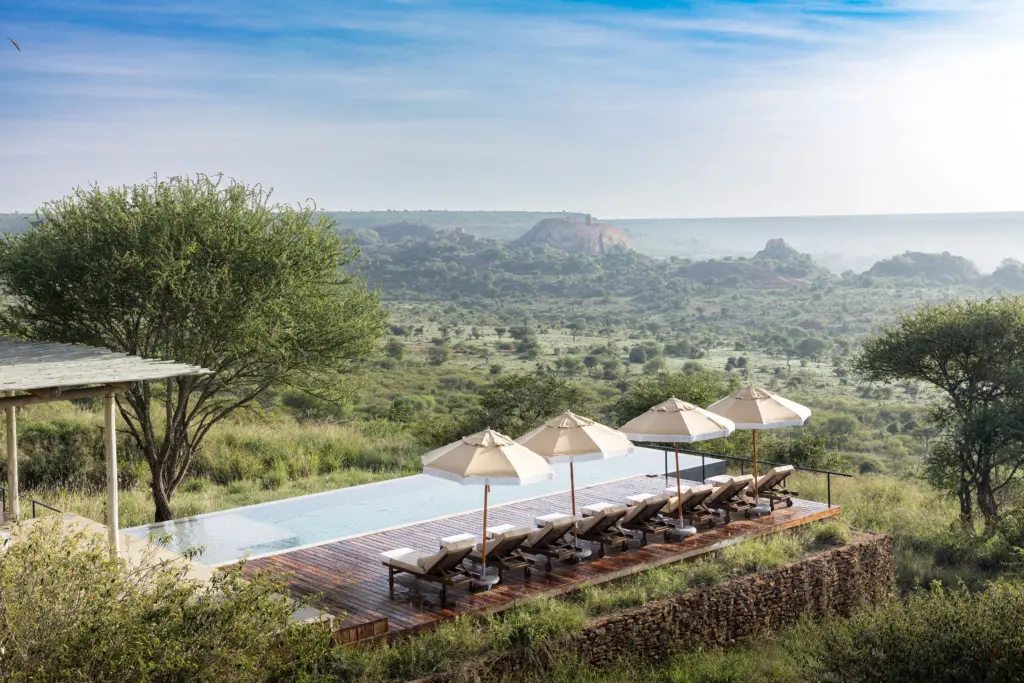
Highlights at andBeyond Suyian include:
- Dramatic escarpments and rocky scenery
- Guided walking safaris
- Horseback riding
- Camel experiences
- Active ranching experiences
- Scenic helicopter flights
- The rare possibility of seeing a melanistic, or “black,” leopard
It was one of the most visually impressive areas Kyle and Leah visited and a powerful reminder of just how diverse Laikipia can be.
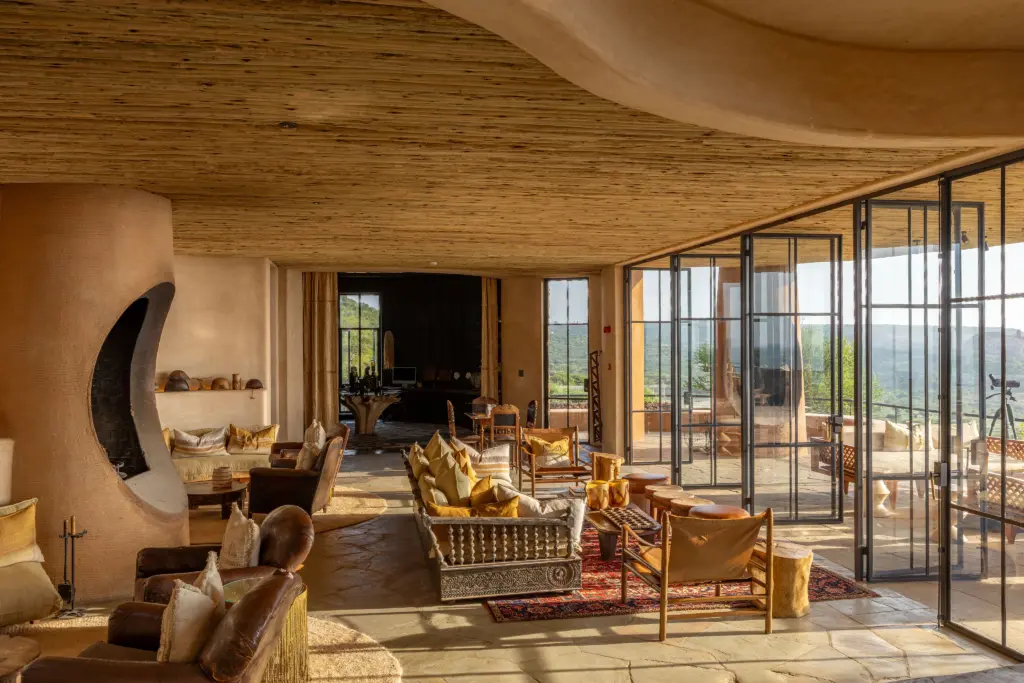
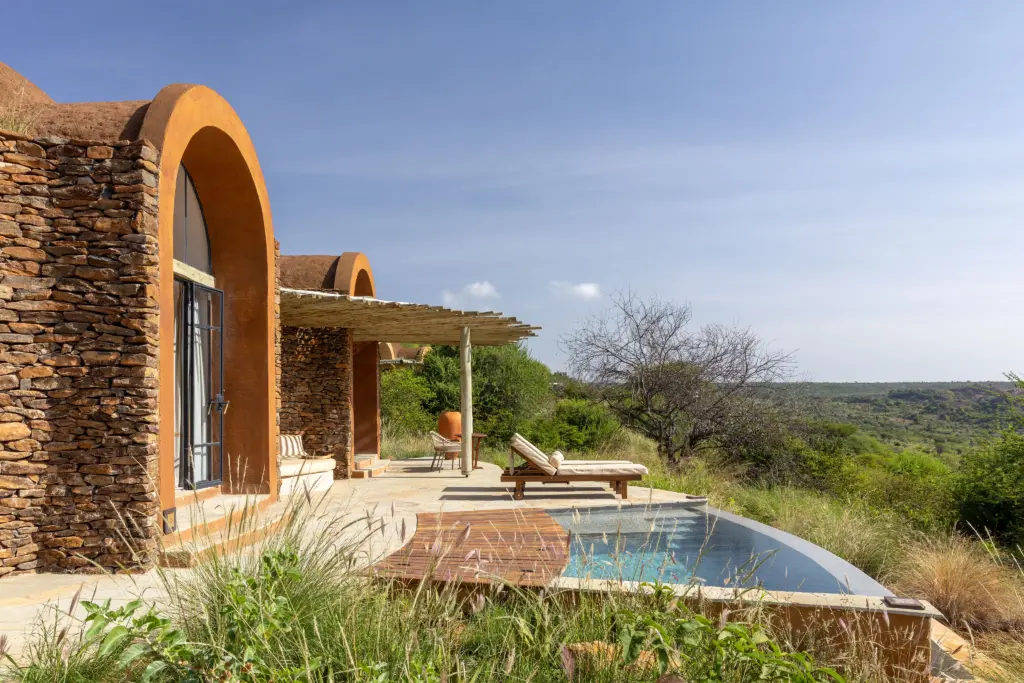
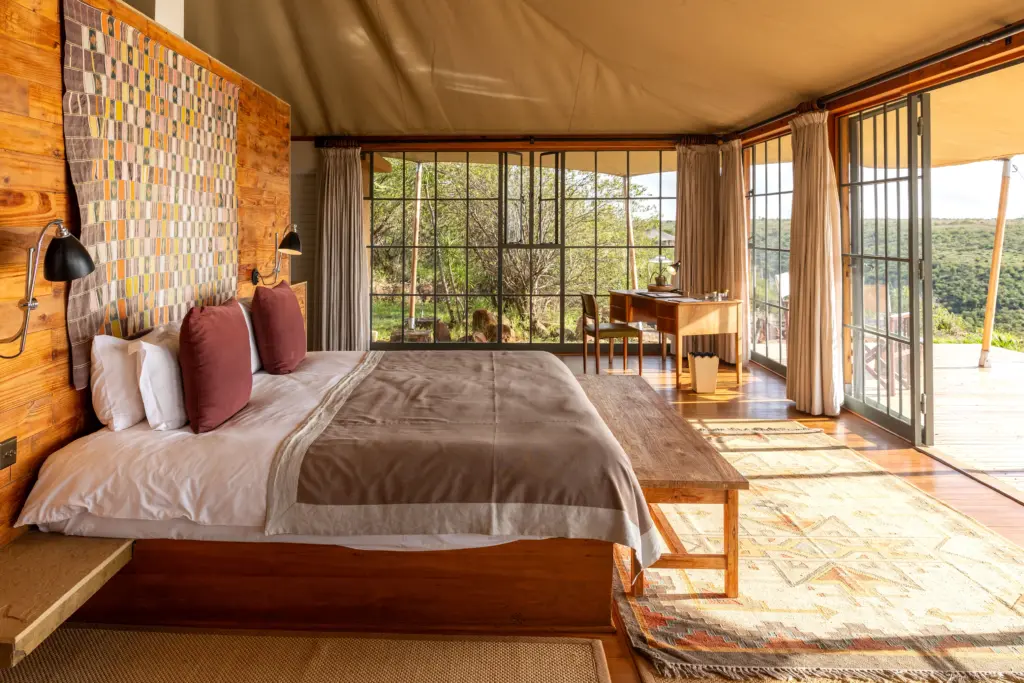
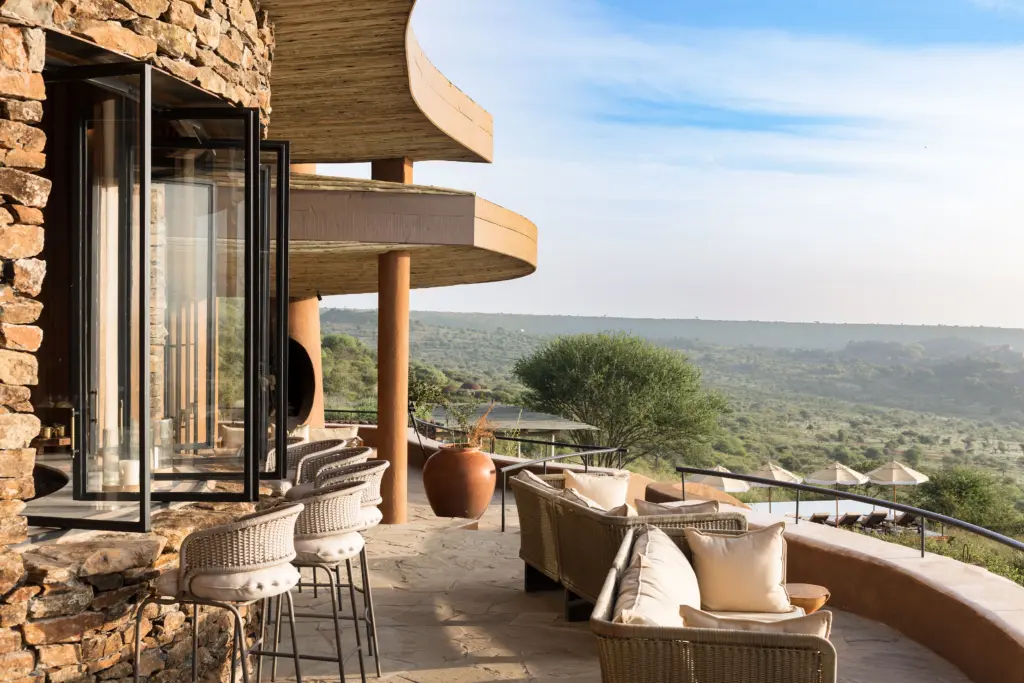
andBeyond Suyian Lodge is currently the only lodge within the conservancy, offering expansive views, exceptional accommodation and access to the activities and wildlife experiences that make this part of Laikipia so distinctive.
“Suyian had the biggest wow factor from a landscape perspective. The lodge sits high on an escarpment overlooking enormous rock formations and dramatic valleys that felt completely different from anywhere else we visited in Kenya.”— Leah and Kyle Green, Co-founders of Ubuntu Travel
Laikipia vs. Masai Mara: Which Is Better for Your Kenya Safari?
Many travelers planning a safari in Kenya eventually ask the same question: should they visit Laikipia or the Masai Mara?
The answer depends less on which destination is “better” and more on the type of safari experience you want. Although both offer excellent wildlife viewing, they differ in landscape, pace, activities and wildlife strengths.
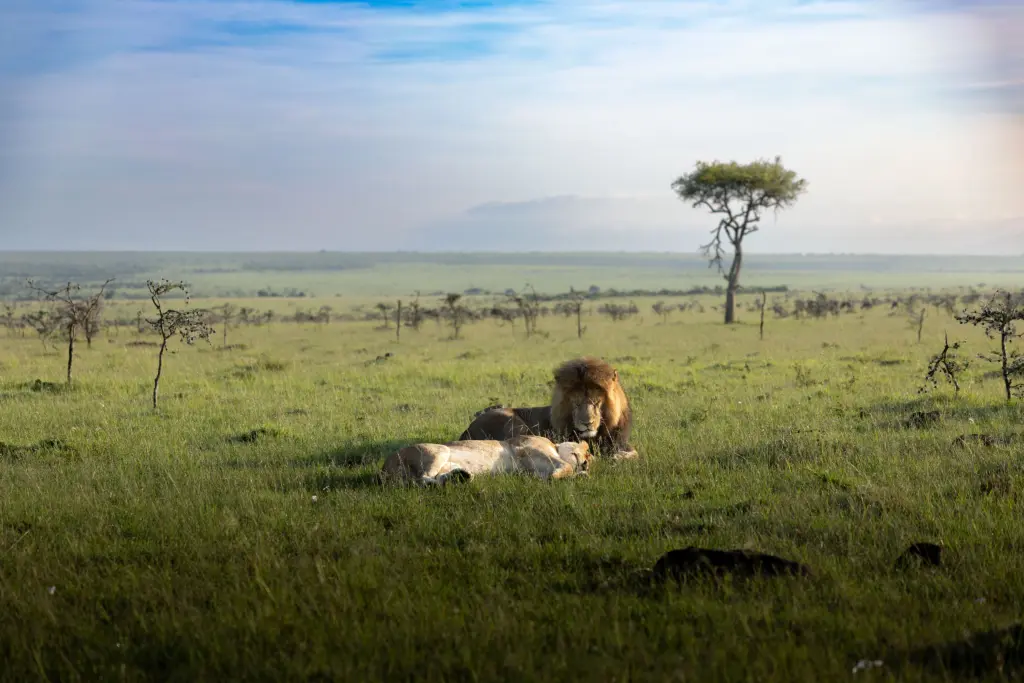
The Masai Mara May Suit You Best If You Want:
- The Great Migration, typically between July and October
- Exceptional lion, leopard and cheetah viewing
- High concentrations of plains wildlife
- Classic East African grassland scenery
- A traditional game-drive-focused safari experience
There is a reason the Masai Mara and its neighboring Mara Conservancies are Kenya’s best-known safari destinations. For many first-time visitors, the region delivers exactly what they imagine when they picture a Kenya safari: open plains, abundant wildlife and regular predator encounters.
Laikipia May Suit You Best If You Want:
- Exceptional black and white rhino viewing
- Grevy’s zebra, reticulated giraffe and other northern species
- Walking, horseback and camel experiences
- Direct exposure to conservation initiatives
- Greater privacy and carefully managed vehicle numbers
- A wider variety of landscapes between conservancies
Laikipia often appeals to travelers who value space, conservation and a more varied range of safari activities. It can work equally well for first-time visitors and experienced safari goers, provided the right conservancies are selected.
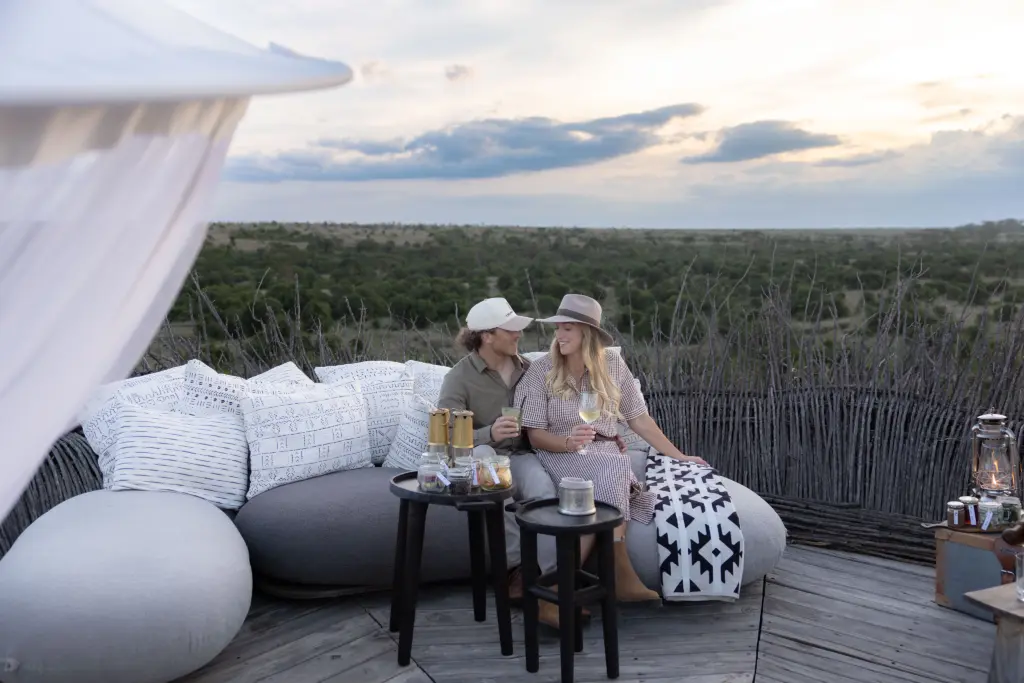
The Best Option: Combine Laikipia and the Masai Mara
For many travelers, the best answer is not to choose between them. Laikipia and the Masai Mara complement one another extremely well within the same Kenya itinerary.
Laikipia brings rhino conservation, northern wildlife, varied activities, and dramatically different landscapes. The Masai Mara adds iconic grasslands, abundant plains wildlife, some of Africa’s most rewarding predator viewing, and the Great Wildebeest Migration, typically between July and October.
Together, they create a particularly varied Kenya safari while allowing travelers to experience two very different sides of the country.
Tailor-Made Safaris
Ready to plan your Luxury Safari to Africa?
Luxury safaris should feel personal from the very first conversation. Now let’s design the right way to experience it.
Your Journey Starts Here
When Is the Best Time to Visit Laikipia?
Laikipia is a rewarding year-round safari destination because many of its key wildlife species—including rhino, elephant, lion, Grevy’s zebra and reticulated giraffe—are resident. The best time to visit therefore depends less on whether wildlife will be present and more on the landscapes, weather and style of safari you prefer.
Dry Season In Laikipia: June to October
The dry months from June to October are traditionally considered the easiest time for wildlife viewing.
As vegetation becomes thinner and water sources more limited, animals can be easier to locate across Laikipia’s open conservancies. Conditions are also generally comfortable for game drives, walking safaris and other outdoor activities.
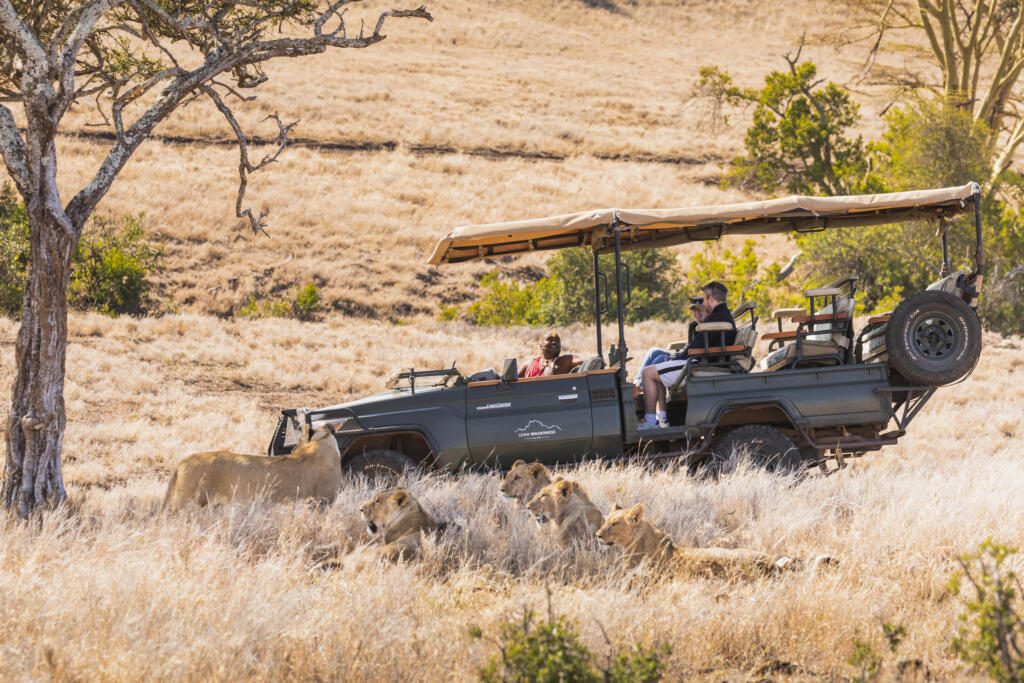
For travelers planning their first safari or prioritizing clear, straightforward game viewing, this is often the most dependable time to visit.
Green Season In Laikipia: November to May
The green season brings richer colors, dramatic skies and a very different atmosphere across Laikipia. Rain usually falls in intermittent showers rather than continuing throughout the day, although conditions vary from one conservancy to another. Wildlife remains present, and the landscapes often feel more vibrant and less dusty.
This period can be particularly rewarding for photography and birdwatching, while lower visitor numbers may create an even greater sense of privacy.
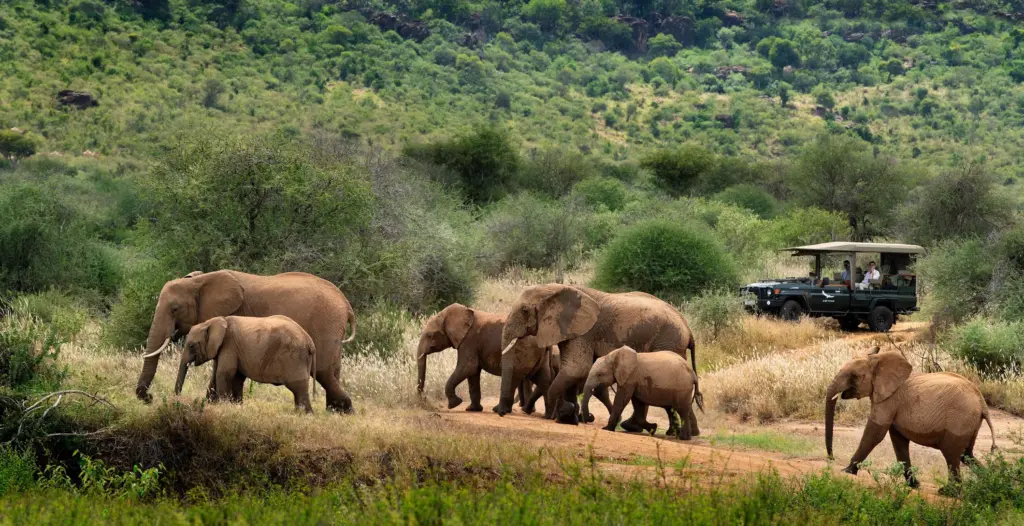
Ubuntu Travel Co-founders Kyle and Leah visited Laikipia in March. Despite experiencing a few afternoons of rain, they found the wildlife viewing exceptional and frequently enjoyed sightings of lions, elephants and other animals without another vehicle nearby.
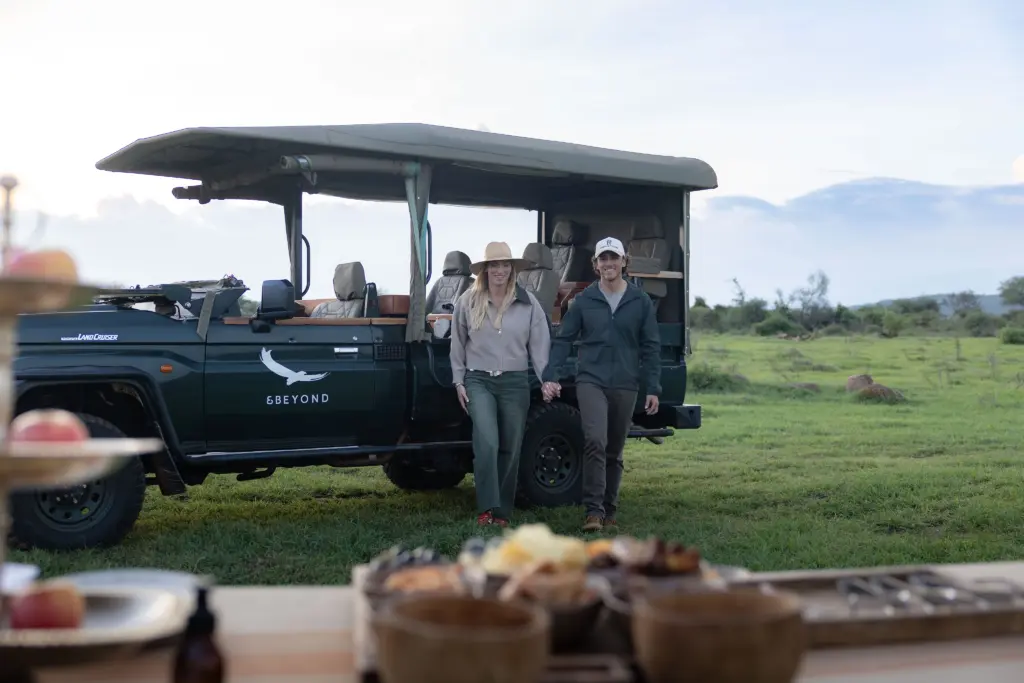
Their experience was a valuable reminder that the green season should not be viewed as a compromise. It simply offers a different version of Laikipia.
So, When Should You Go to Laikipia?
At Ubuntu Travel, we often favor the shoulder seasons for their balance of rewarding wildlife viewing, fewer visitors and changing landscapes. But to give you a straightforward answer, choose the dry season if your priority is easier wildlife viewing, thinner vegetation and consistently comfortable safari conditions.
Consider the green season if you value lush scenery, dramatic photography, excellent birdlife and fewer visitors. There is no single best month for every traveler. The right time depends on the kind of Laikipia safari you want to experience.
Tailor-Made Safaris
Ready to plan your Luxury Safari to Africa?
Luxury safaris should feel personal from the very first conversation. Now let’s design the right way to experience it.
Your Journey Starts HereHow Many Days Do You Need in Laikipia?
Because each Laikipia conservancy can feel like a completely different destination, it is worth allowing enough time to experience more than one area.
For most travelers, we recommend spending four to five nights in Laikipia. This gives you time to combine contrasting landscapes, wildlife experiences and activities without making the journey feel rushed.
 Here is Ubuntu Travel’s general guide to visiting the Laikipia Plateau:
- 2–3 nights: A good introduction to one conservancy, particularly when Laikipia forms part of a longer Kenya safari.
- 4–5 nights: Ideal for combining two contrasting areas and experiencing a broader range of wildlife and landscapes.
- 6–7 nights: Best for exploring several conservancies or including slower activities such as horseback riding, walking safaris and fly-camping.
The right length of stay will depend on which conservancies you choose and how active you want the safari to be. In Laikipia, additional time does not simply mean more game drives—it allows you to experience a genuinely different side of the region.
Is a Laikipia Safari Worth It?
For the right traveler, absolutely. Laikipia offers many of the elements people value in a traditional Kenya safari, including excellent wildlife viewing, highly regarded lodges and time spent in remote wilderness areas.
What sets it apart is the breadth of the experience. Alongside game drives, travelers can explore different landscapes, see northern specialist species, take part in activities beyond the vehicle and gain a clearer understanding of the conservation work supporting the region.
Perhaps most importantly, Laikipia feels distinct.
During Kyle and Leah’s visit, one of their greatest surprises was how different each conservancy felt from the one before it. Lewa, Loisaba, Segera and Suyian each offered their own landscapes, wildlife strengths, activities and perspective on Kenya.
That variety can be difficult to appreciate until you travel through the region yourself.
Laikipia is particularly rewarding for travelers who value privacy, conservation, varied activities and a safari that extends beyond traditional game drives. For many, it becomes one of the most memorable parts of a wider Kenya itinerary.
Ready to Plan Your Laikipia Safari?
Whether you’re looking for exceptional rhino viewing, immersive conservation experiences, or a safari that goes beyond traditional game drives, Laikipia offers some of Kenya’s most rewarding travel experiences. At Ubuntu Travel, we design tailor-made luxury African safaris built around your interests, priorities, and travel style. If you’re considering a Laikipia safari, get in touch and start planning your trip.