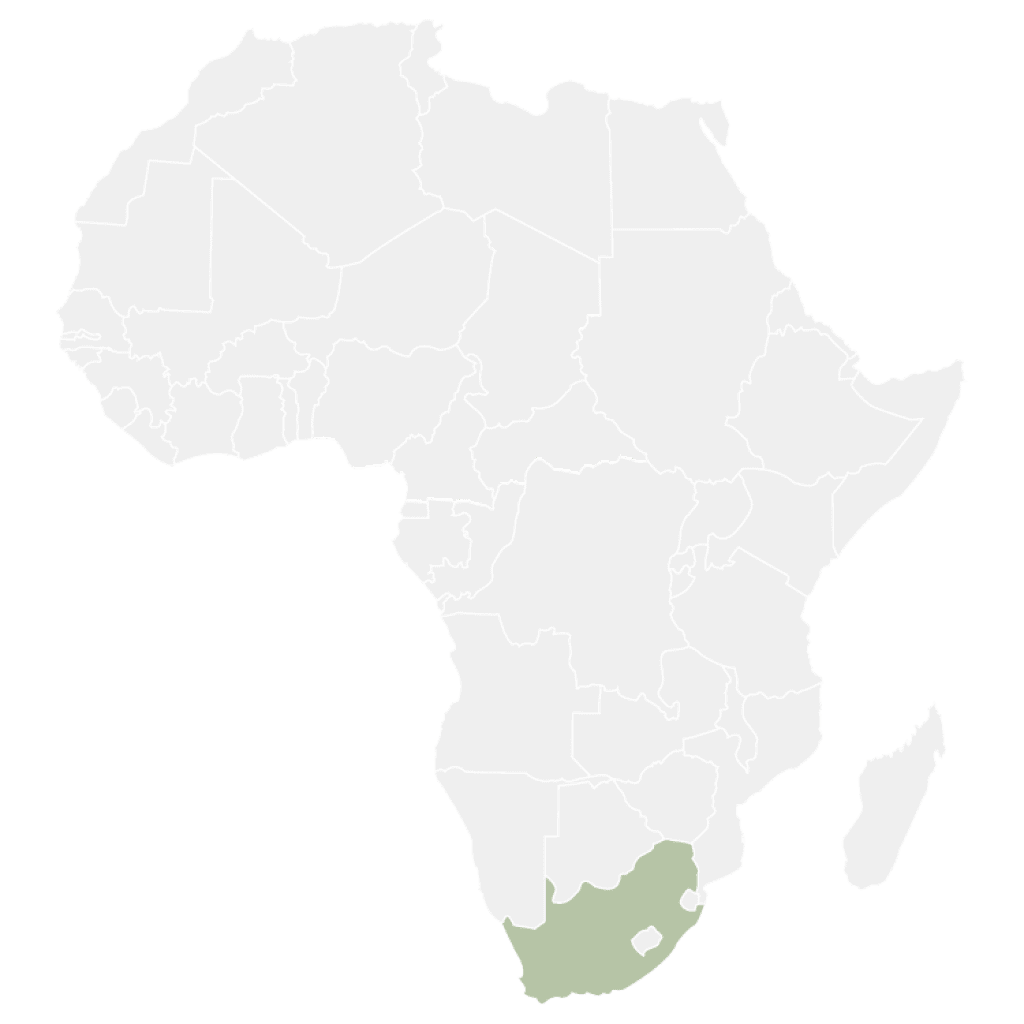
South Africa, Destination Map

Big Five, Cape Town, and wine country – in one trip.

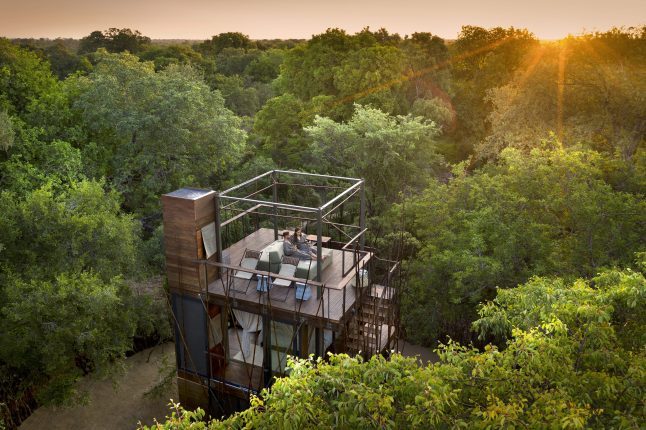
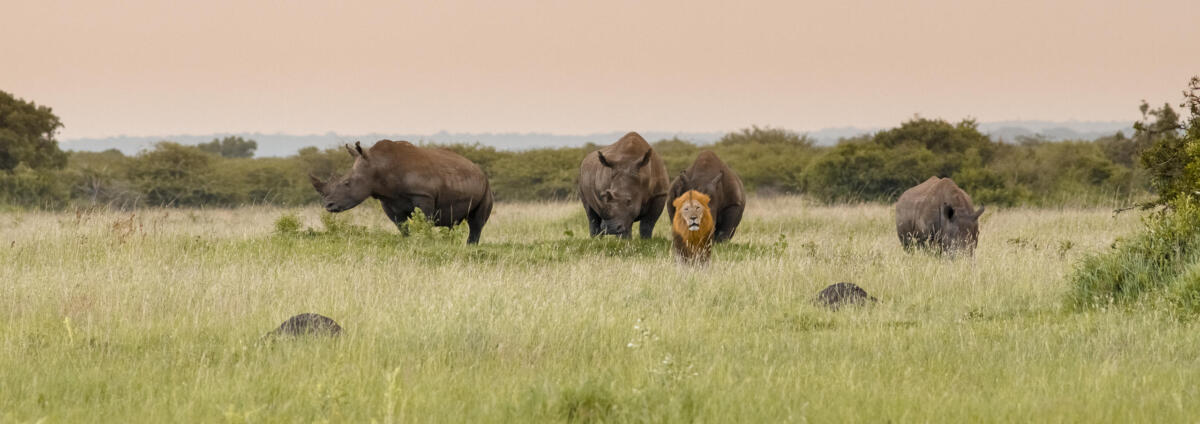
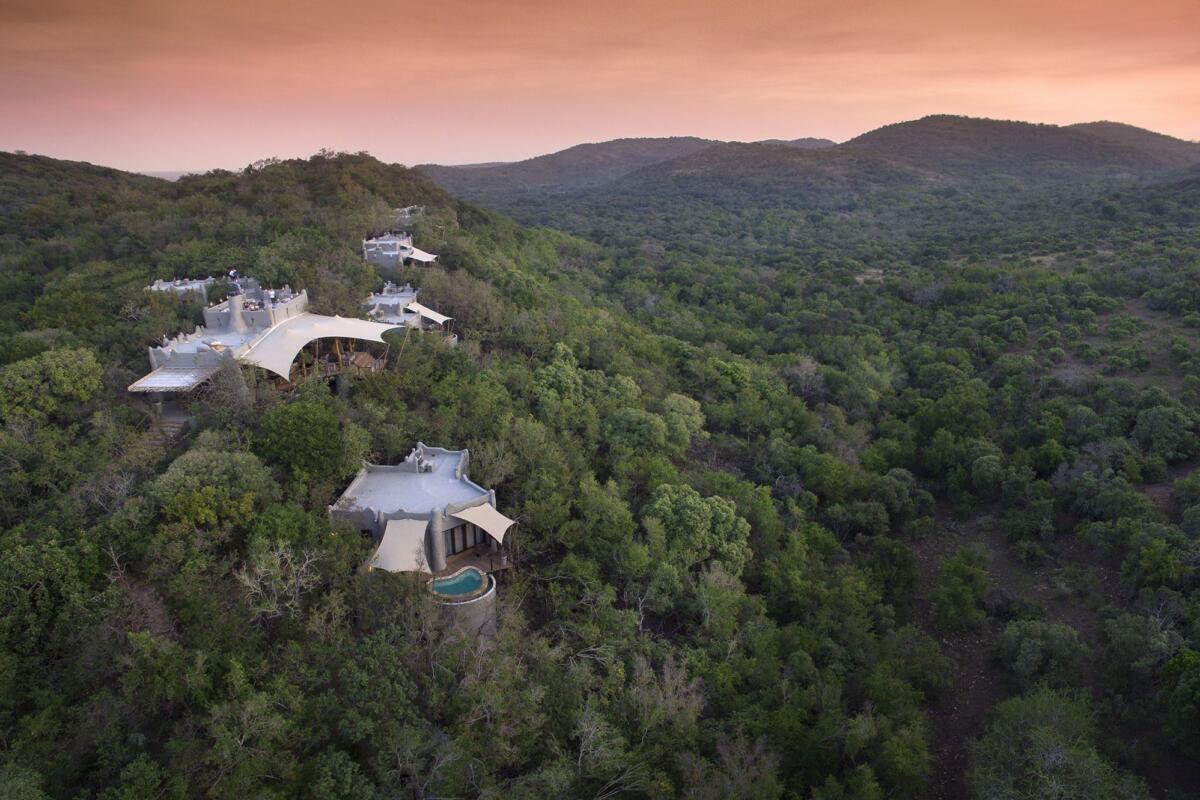
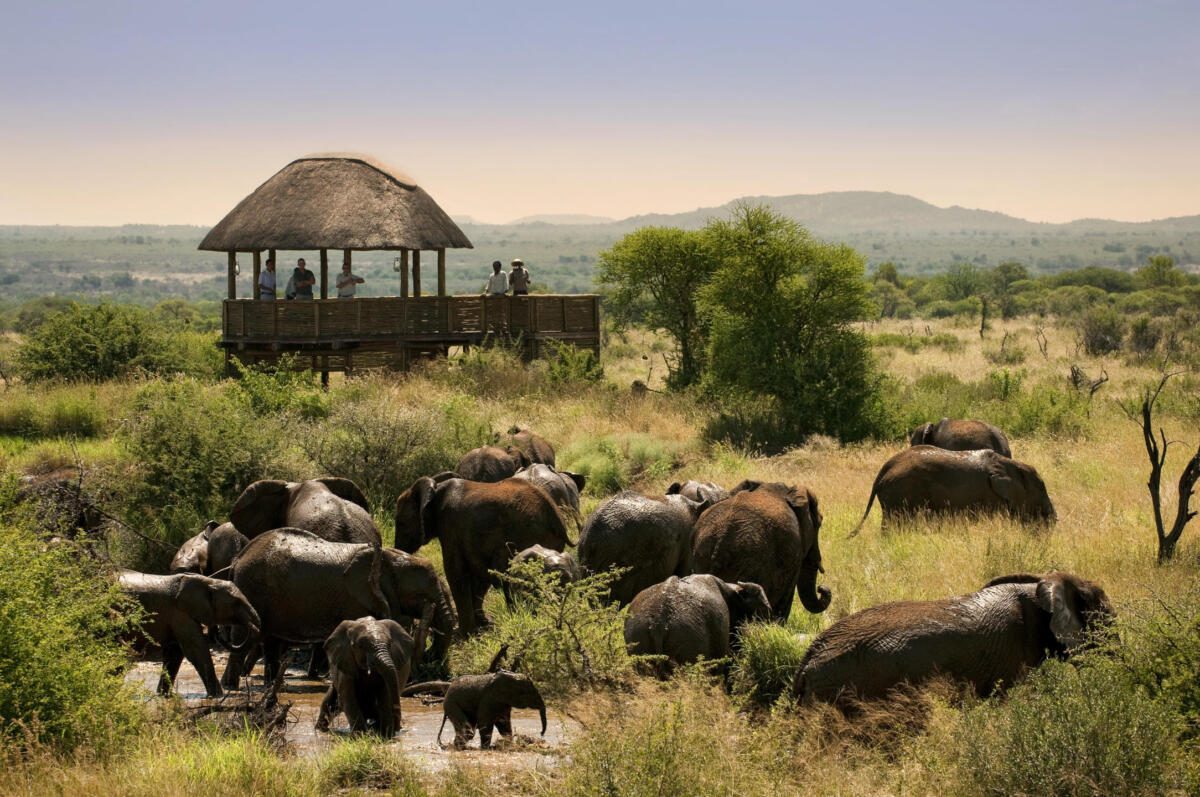
South Africa is a country of contrasts. Few places offer such a rich mix of safari, culture, and cuisine in one journey. Track Big Five game in Kruger National Park and the private Sabi Sand Nature Reserve. Track rhino on foot in Phinda, discover the red dunes of the Kalahari, or unwind in a malaria-free reserve such as Tswalu and Kwandwe

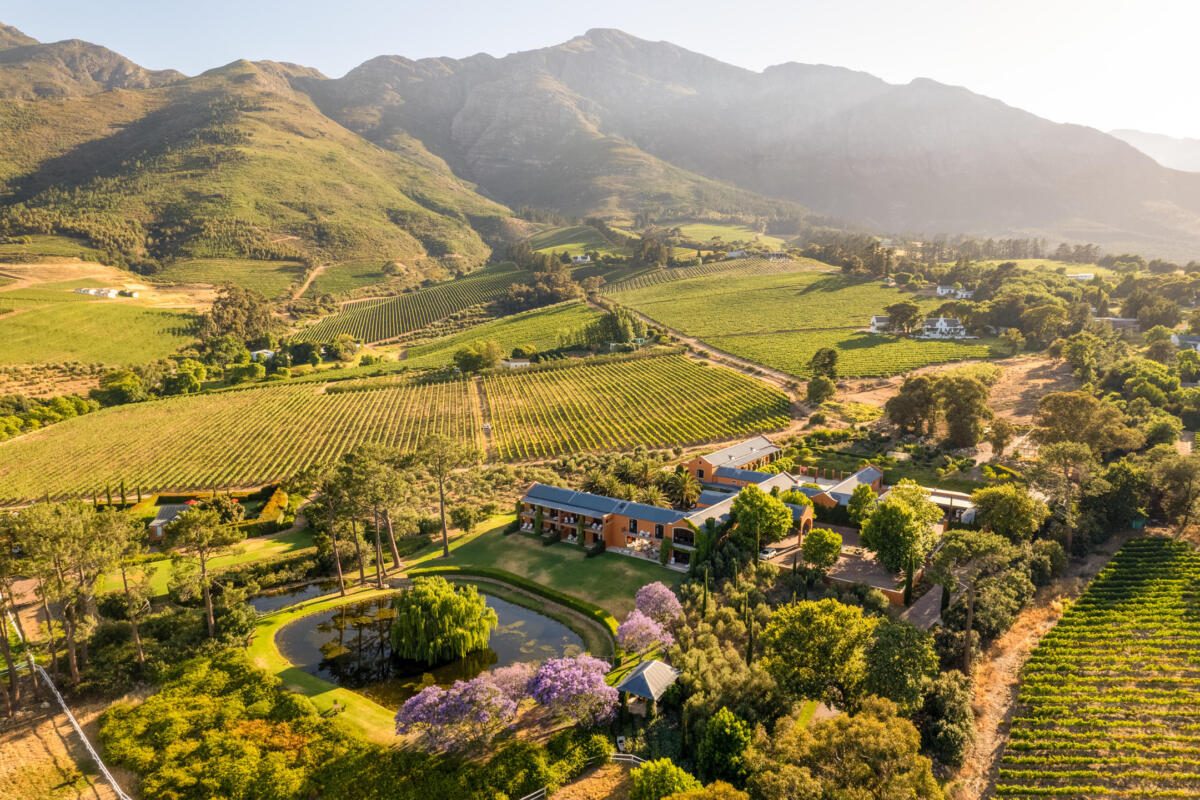
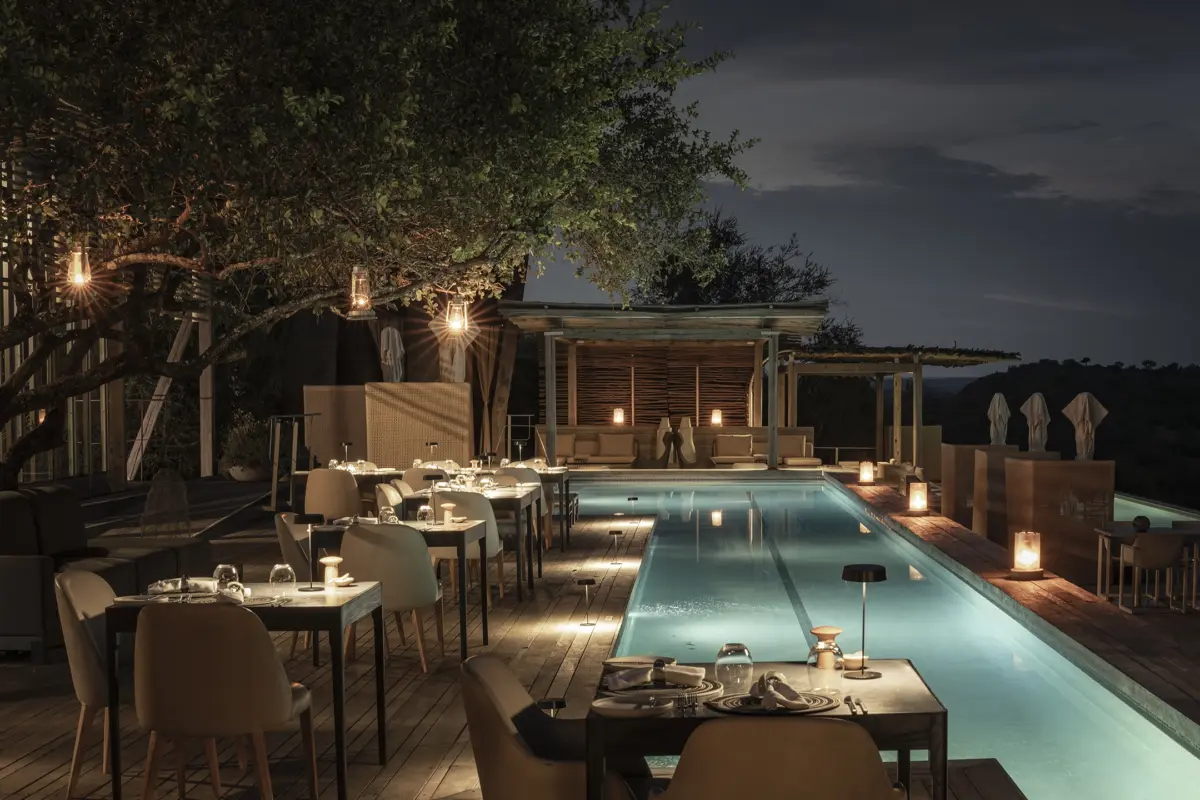
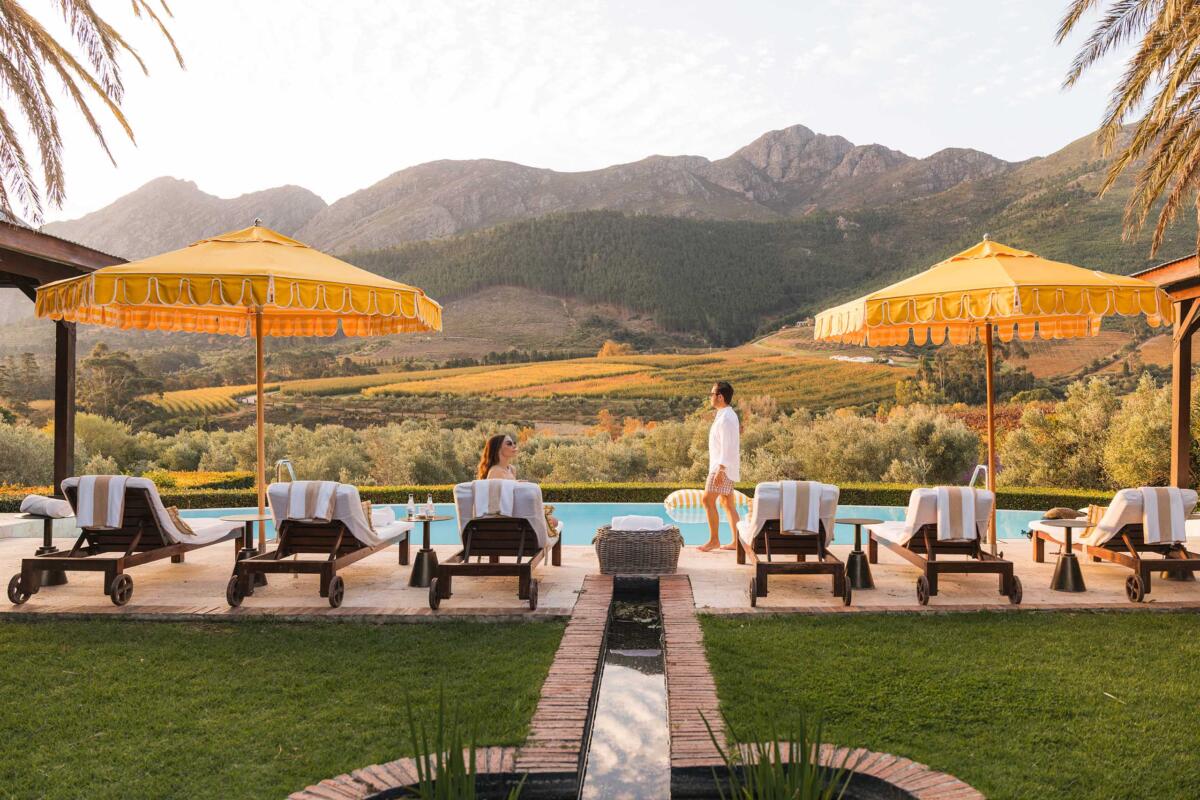
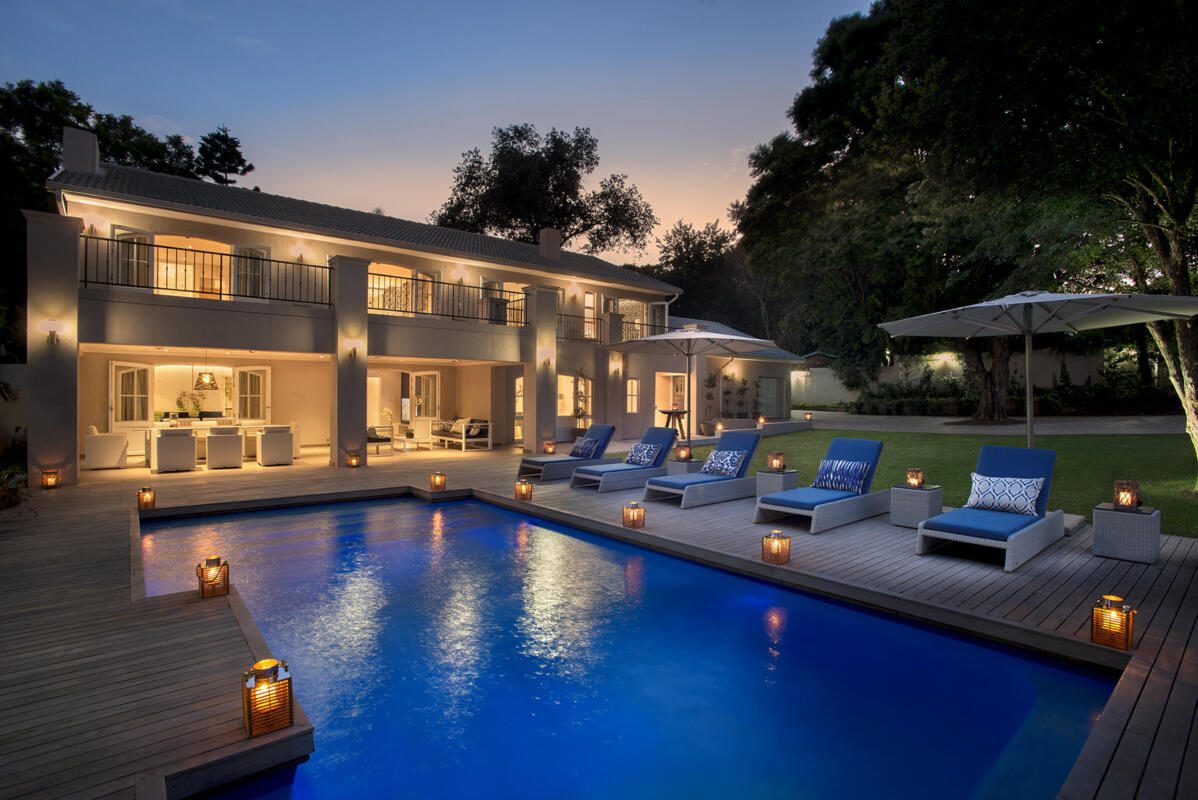
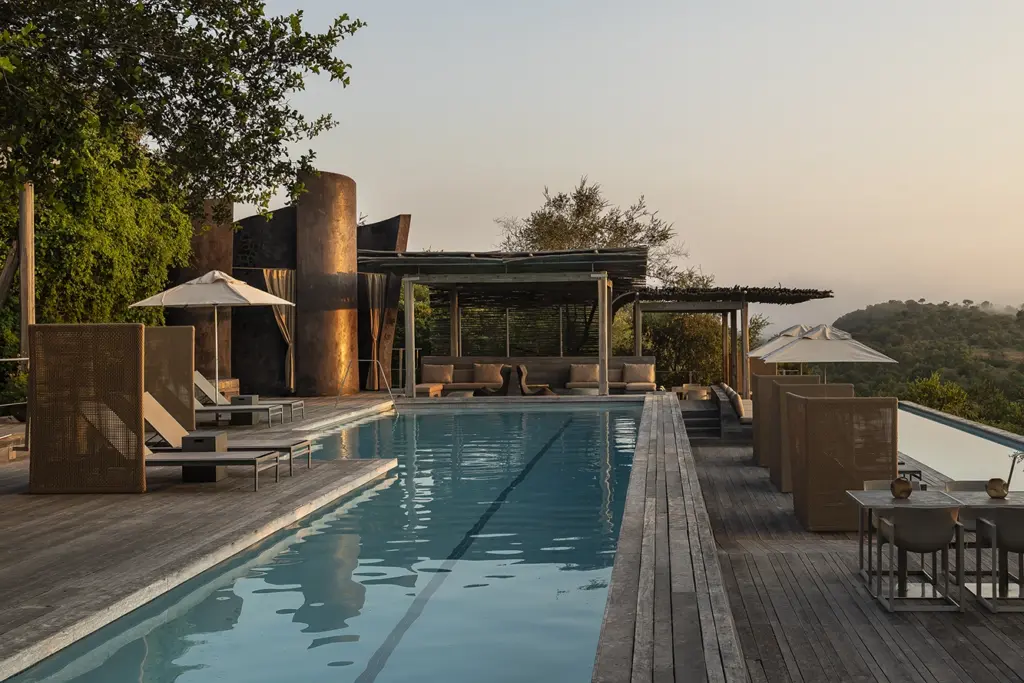
Between safaris, explore Cape Town’s coastline, sip your way through the Cape Winelands, or spot whales along the Cape Whale Coast. With its wide selection of luxury lodges, South Africa is particularly well suited to honeymooners, families, and first-time safari travelers.

Whether you’re after high-end wilderness, conservation-focused travel, or a safari with city style, South Africa delivers an exceptional variety of experiences in one country.


Ready To Plan Your South Africa Safari?

Let’s start designing your Big Five South Africa safari. Whether you’re after adventure, relaxation, or both, we’ll tailor every detail around how you want to experience Africa – with expert guidance at every step.

THE UBUNTU TRAVEL DIFFERENCE

destination-90x90

Personalized Itineraries

Attention to detail from start to finish

ecology-90x90

Conservation Promise

Travel with a purpose

africa-90x90

Experts in Africa

Our team of travel experts know Africa

destination-90x90

Personalized Itineraries

Attention to detail from start to finish

ecology-90x90

Conservation Promise

Travel with a purpose

africa-90x90

Experts in Africa

Our team of travel experts know Africa

Ready to Plan Your South Africa Safari?

Reach out today and connect with our expert team – we care about the whole journey, from your very first call to your final farewell on safari. Every itinerary is thoughtfully reviewed by our co-founders, Kyle and Leah, to reflect the kind of journey we’d take ourselves.

When is the Best Time to Visit South Africa?

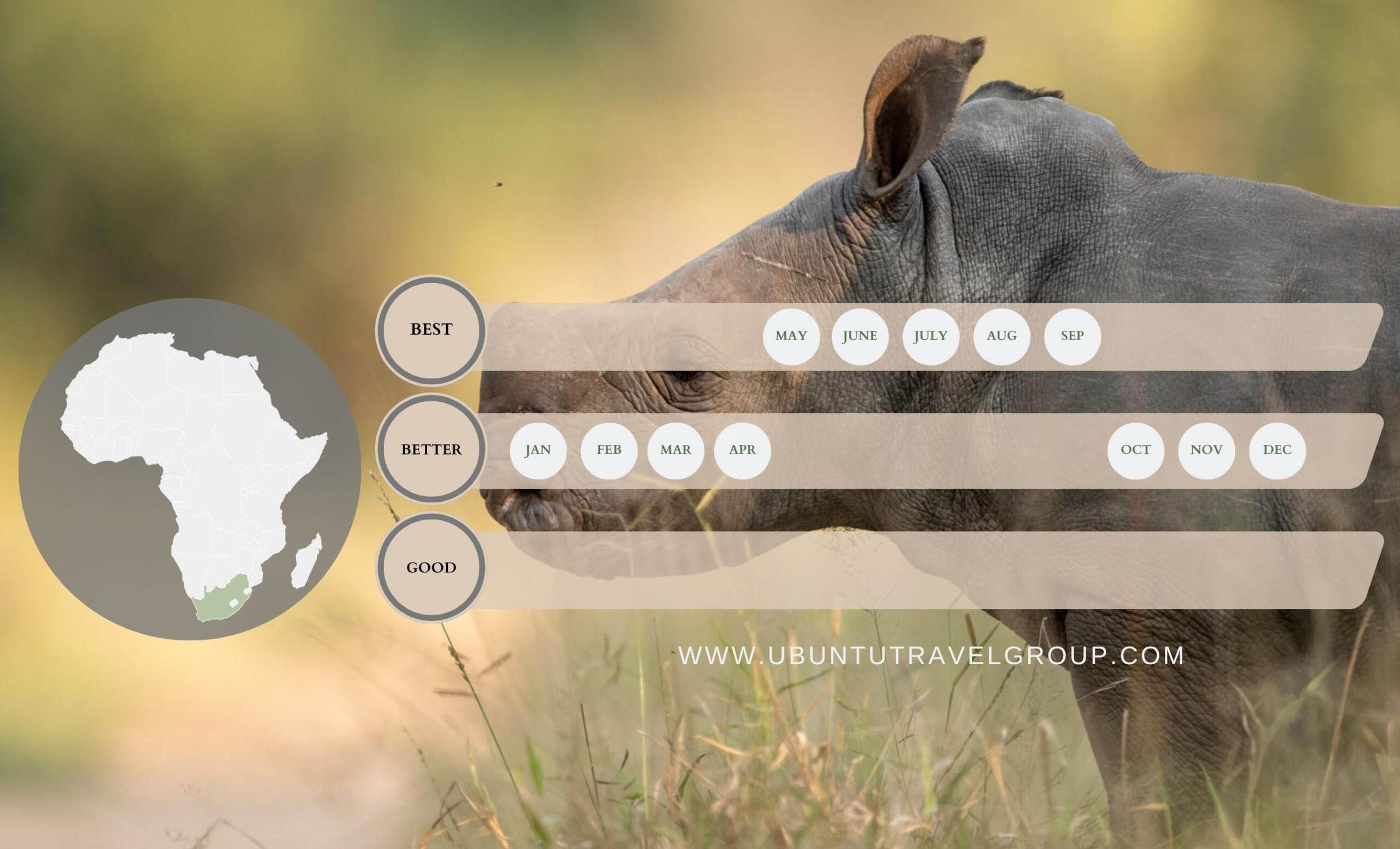
South Africa is a true year-round destination. The best time to visit depends on where you’re going and what you want to experience. For classic Big Five safaris in Kruger, Sabi Sand, and Madikwe, the dry season from May to September offers the best wildlife viewing. For Cape Town, the Winelands, and the Garden Route, the summer months from November to March bring warm weather, sunny days, and coastal charm.

Dry Season (May to September)

This is South Africa’s dry winter season in the northern safari regions, and the best time to visit Kruger National Park, Sabi Sand, Madikwe, Marakele, and other top reserves. The dry season means cooler temperatures, fewer insects, sparse vegetation, and animals gathering around rivers and waterholes. Game viewing is consistent, often dramatic, and ideal for both first-time safari-goers and seasoned photographers.

Safari Highlights in the Dry Season:

  • Big Five sightings are frequent and highly visible
  • Excellent conditions for walking safaris in private reserves
  • Mornings and evenings are cool, but midday can be warm
  • Minimal rain and lower mosquito activity
  • Prime time for Madikwe and Marakele for malaria-free safaris
  • Great for multi-generational travel and mobile game drives

Cape Town Note:
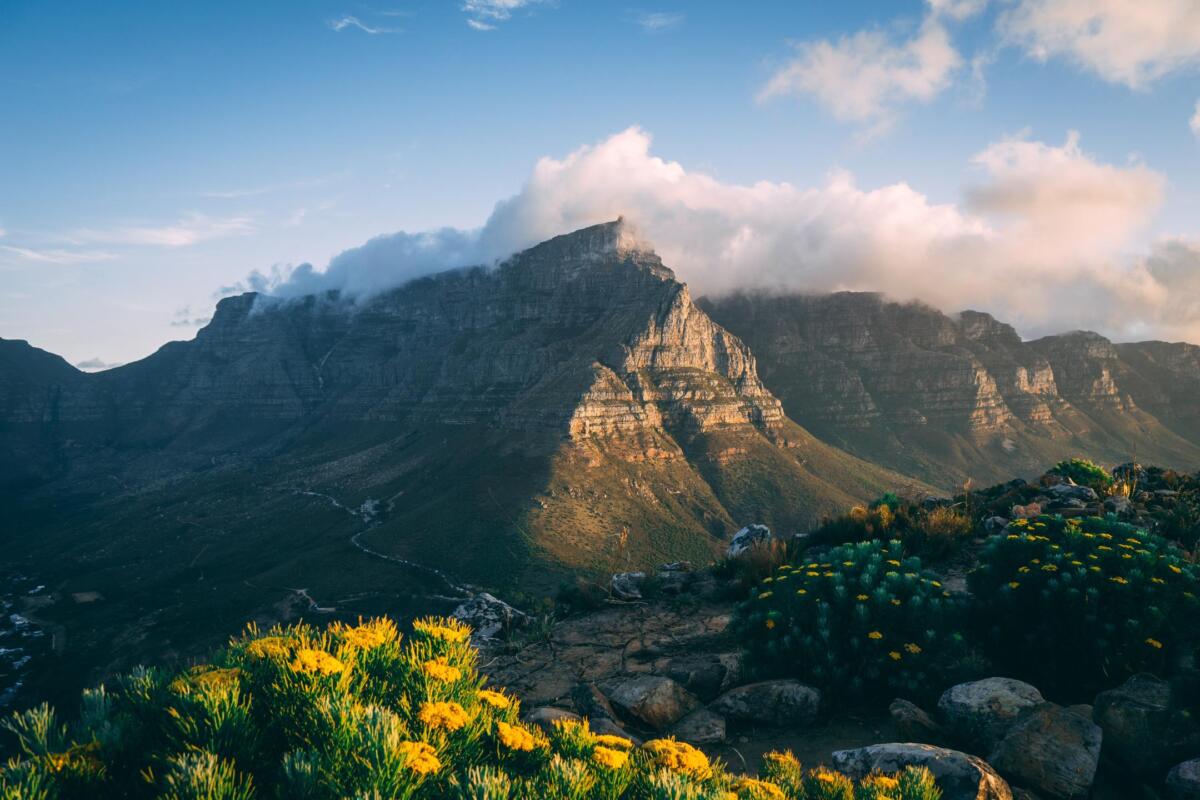
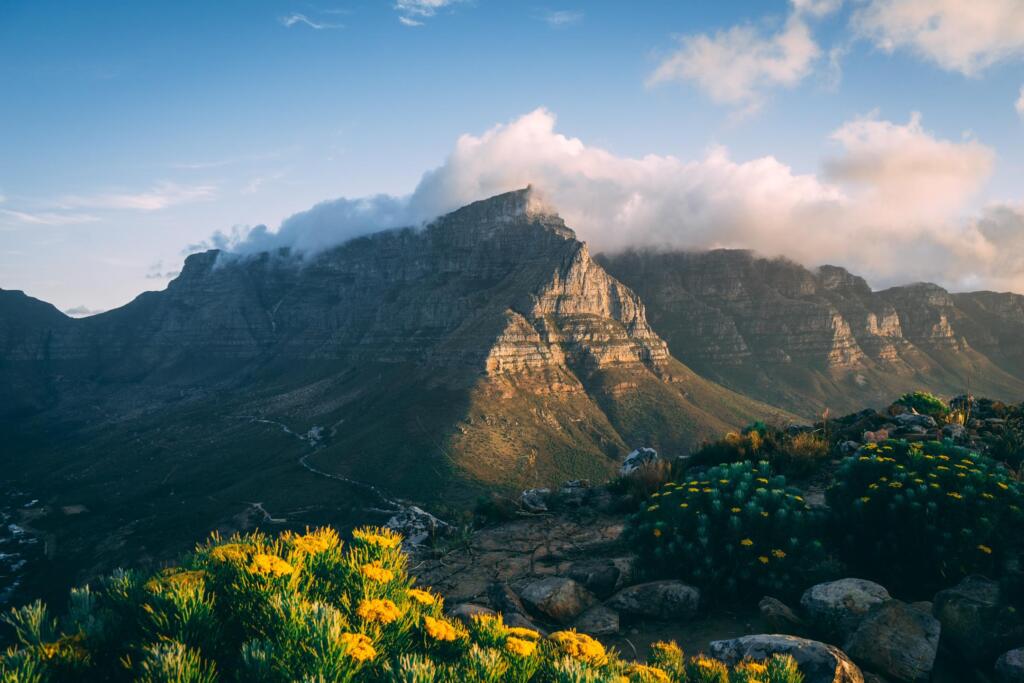
This is low season for Cape Town, meaning great value and historically quieter experiences. You may encounter rainy days with the seasonal cold fronts. But clear skies do return. The city’s food, wine, and boutique hotels remain world-class. Think moody skies over Table Mountain, fewer crowds at top restaurants, and ideal conditions for hiking and photography. Cape Town — and Capetonians — know how to deliver the magic, no matter the weather.

Shoulder Seasons (April & October)

These transitional months offer the best of both worlds (in our opinion of course). Wildlife sightings are still excellent in reserves like Kruger, Sabi Sand, and Madikwe, with fewer crowds and comfortable temperatures. April follows the summer rains, leaving behind green landscapes and dramatic skies. October brings warming weather, dry terrain, and active wildlife as the build-up to summer begins.

Safari Highlights:

  • April brings lush landscapes after the rains
  • October is hot and dry with strong predator sightings
  • Fewer vehicles and great value on luxury lodges
  • Ideal for photographers and second-time safari-goers
  • Well suited for couples and families seeking space

Cape Town Note:

April is one of the city’s most pleasant months. The weather is stable, the vineyards are golden, and the days are still warm. October marks the start of summer, with longer days and blue skies returning. Both months are ideal for pairing Cape Town with a safari or coastal drive.

Green Season (November to March)

This is South Africa’s summer. Expect lush greenery, dramatic skies, and afternoon thunderstorms in the Northern safari regions. Visibility is lower, the bush is revitalized, and roads may be muddy. But this is an important birthing season for many antelope species, bringing new life to the bush. And predators take full advantage.

Safari Highlights:

  • Excellent birding and newborn wildlife (especially December–February)
  • Afternoon storms cool down hot days
  • Fewer crowds and stronger lodge availability (not in Festive Season)
  • Best for seasoned safari-goers, photographers, or guests seeking value
  • Tswalu, Kwandwe and Phinda remain excellent year-round options

Cape Town Note:
Bring the party! This is Cape Town’s peak summer season. December to February is warm, festive, and full of energy. Beaches and bars are a vibe, and restaurant bookings fill fast (that’s where we come in). Our own Capetonian on the team will tell you that March is the sweet spot. The crowds thin out, the wind calms down, and you’ll have a better chance of landing that top table with a view.

 South Africa FAQs

How do I get to South Africa from the USA?

Getting to South Africa is easier than you might think. Most travelers from the U.S. arrive through either Johannesburg’s O.R. Tambo International Airport (JNB) or Cape Town International Airport (CPT).

Nonstop flights from the U.S. include:

  • Delta from Atlanta to Johannesburg and Cape Town
  • United from Newark to Johannesburg and Cape Town

These routes are particularly convenient for travelers on the East Coast or those able to connect through Atlanta or the New York area.

From the US West Coast:

Most travelers connect through a major U.S., European or Middle Eastern hub. Depending on your starting city and itinerary, connections through London, Amsterdam, Paris, Doha or Dubai can work particularly well.

Middle East connections include:

  • Qatar Airways via Doha
  • Emirates via Dubai
  • Etihad Airways via Abu Dhabi to Johannesburg

These carriers offer frequent onward connections into South Africa from major U.S. cities.

Once in South Africa, Ubuntu Travel coordinates regional flights and transfers, including scheduled flights and private charters to safari regions such as Kruger, Sabi Sand, Phinda and Madikwe. We can also arrange onward journeys to destinations including Victoria Falls, Botswana and Namibia.

Why visit South Africa?

South Africa is one of the most versatile and accessible safari destinations in Africa. It’s known for Big Five game drives, exceptional luxury lodges, and well-developed infrastructure. You can combine safari with world-class wine regions, coastal escapes, and vibrant cities like Cape Town.

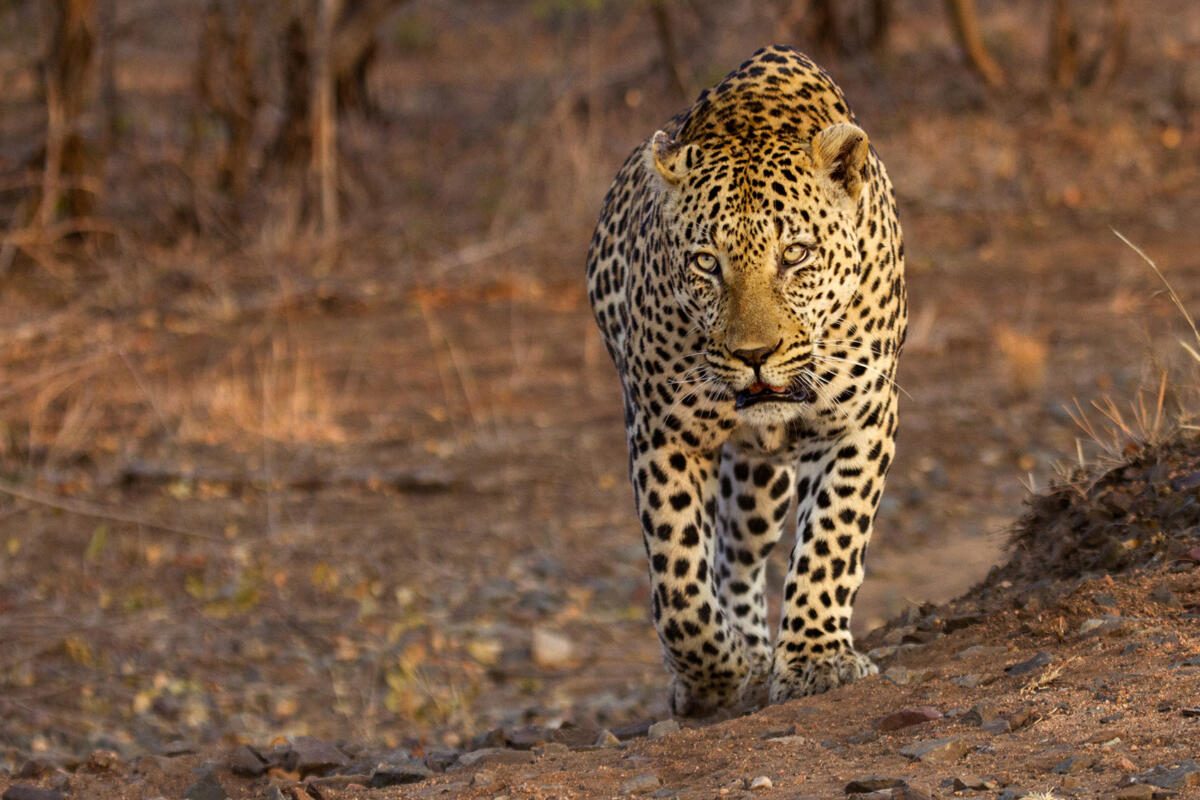
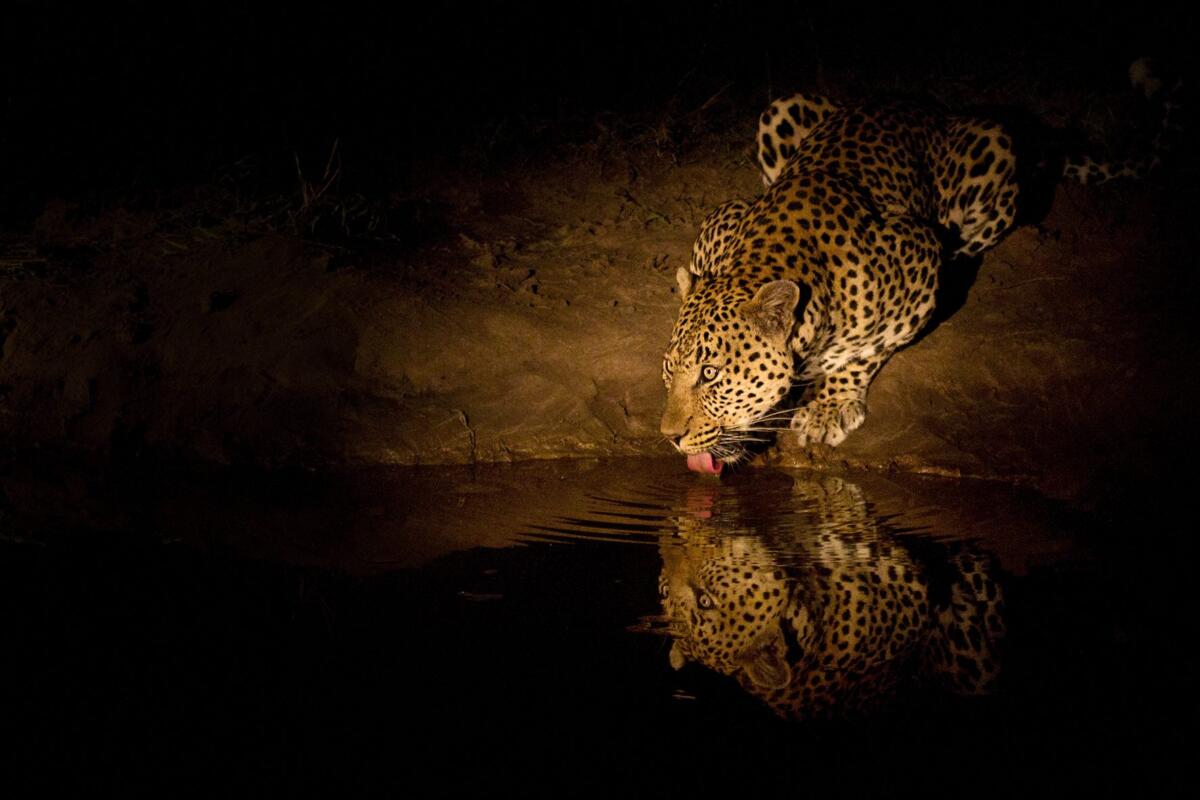
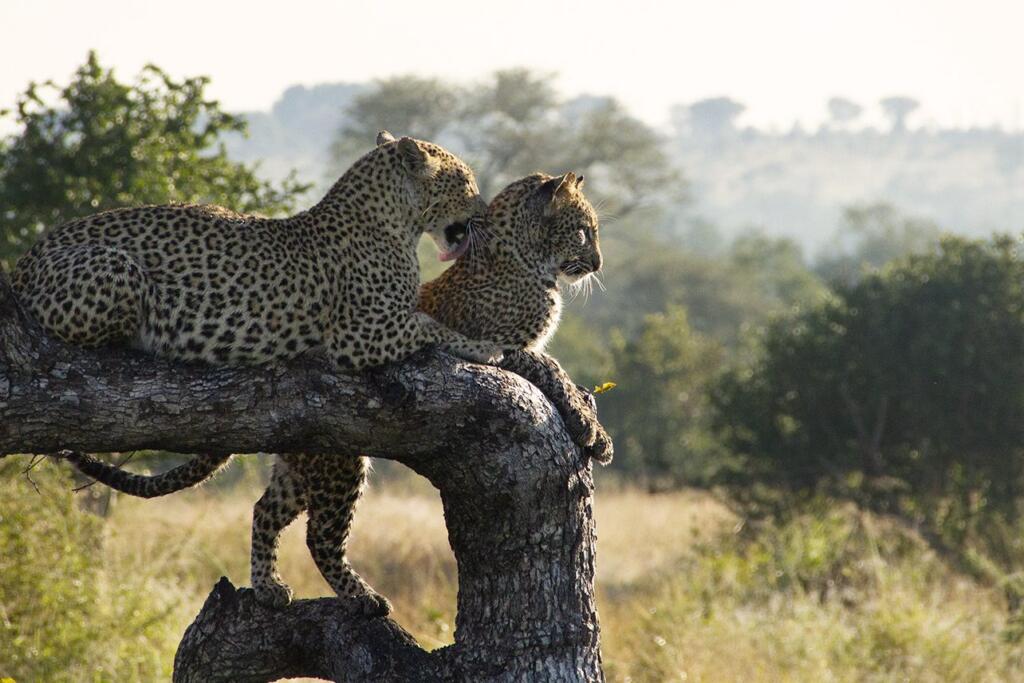
The country offers diverse landscapes and immersive experiences. Track leopard in the Sabi Sand Nature Reserve. Participate in specialist conservation experiences, including pangolin monitoring or rhino conservation at Phinda. Enjoy malaria-free Big Five safaris in reserves such as Madikwe or Marakele.

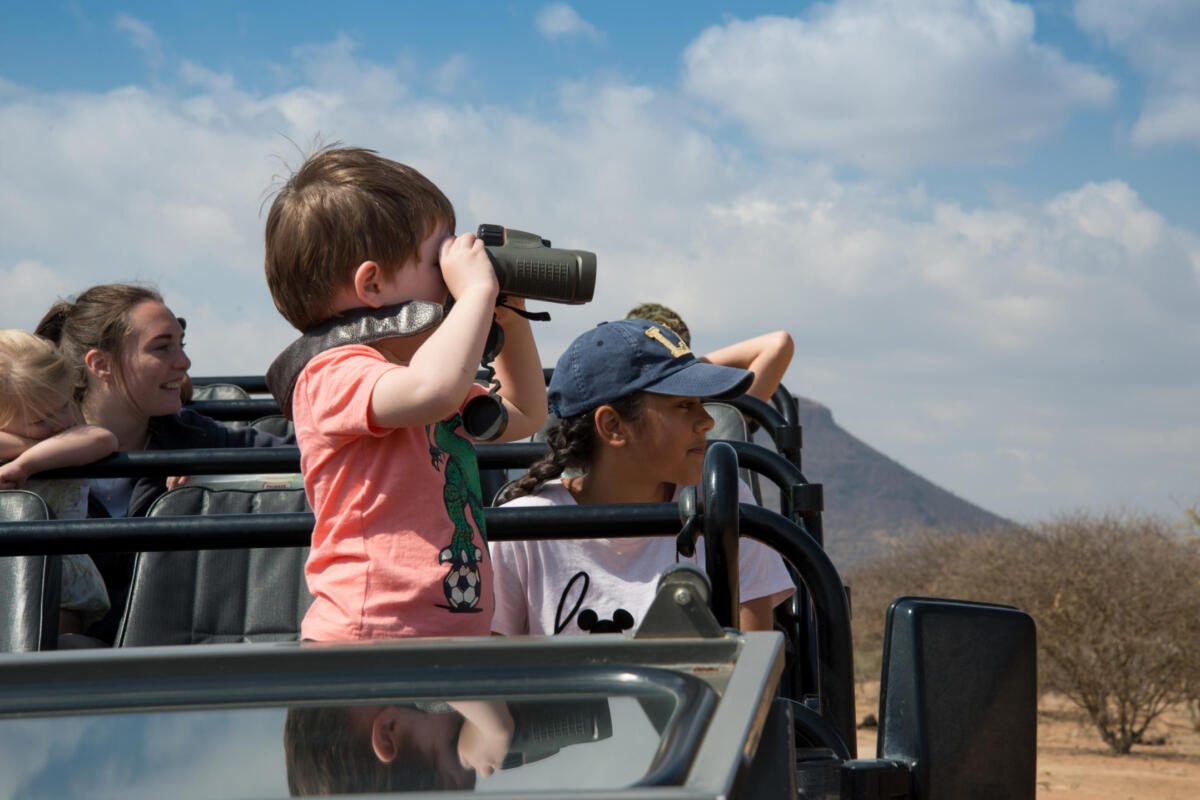
From romantic lodges for honeymooners to private villas for families, South Africa delivers comfort, adventure, and variety. At Ubuntu Travel, we tailor every journey to your travel style. It’s one of the easiest and most rewarding safari destinations to explore.

When is the best time to visit South Africa?

South Africa is a year-round destination, but the best time to visit depends on where you’re going and what you want to experience. Here’s how we generally guide our travelers:

Safari Season in South Africa
The best time for safari in South Africa’s northern reserves is generally from May to September. Cooler temperatures, sparse vegetation, and increasingly limited water sources bring animals toward rivers and waterholes, making wildlife easier to find. This is ideal for first-time visitors, wildlife photographers, and anyone looking for strong Big Five viewing.

Top regions to visit during this time include:

  • Kruger National Park
  • Sabi Sand Nature Reserve
  • Madikwe and Marakele (malaria-free options)

When to Visit Cape Town (November to March)
Cape Town shines in the summer months, especially from December to March. Expect warm weather, long days, and a lively social scene. Beaches, bars, and fine dining are in full swing. That said, March is a local favorite: the summer crowds begin to thin, temperatures remain warm, and conditions are excellent for exploring the city and surrounding Winelands.

Winter months (June to August) bring cooler, wetter conditions. But it’s a great time for wine tasting, quieter city experiences, and better value at many boutique hotels.

The Best of Both Worlds
If you’re looking to combine Cape Town with safari, March, April, May, September, and October can work particularly well. These shoulder periods offer a good balance between safari conditions in the north and pleasant weather in the Cape, while often avoiding the busiest summer and festive-season crowds.

At Ubuntu Travel, we align your trip with the seasons and your style, whether you want dramatic wildlife encounters, scenic city stays, or a little of both.

What kind of wildlife can I see on safari in South Africa?

South Africa is home to an extraordinary range of wildlife, from classic safari icons to marine megafauna and endemic flora found nowhere else on Earth.

On Safari: Big Game and Predators

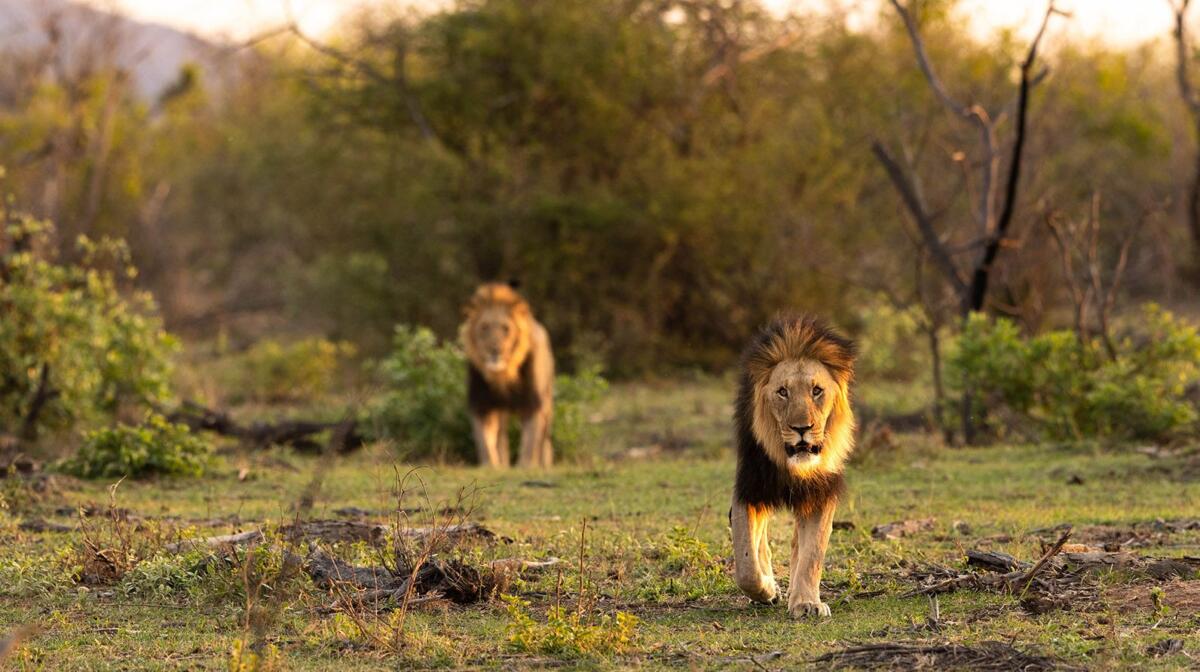
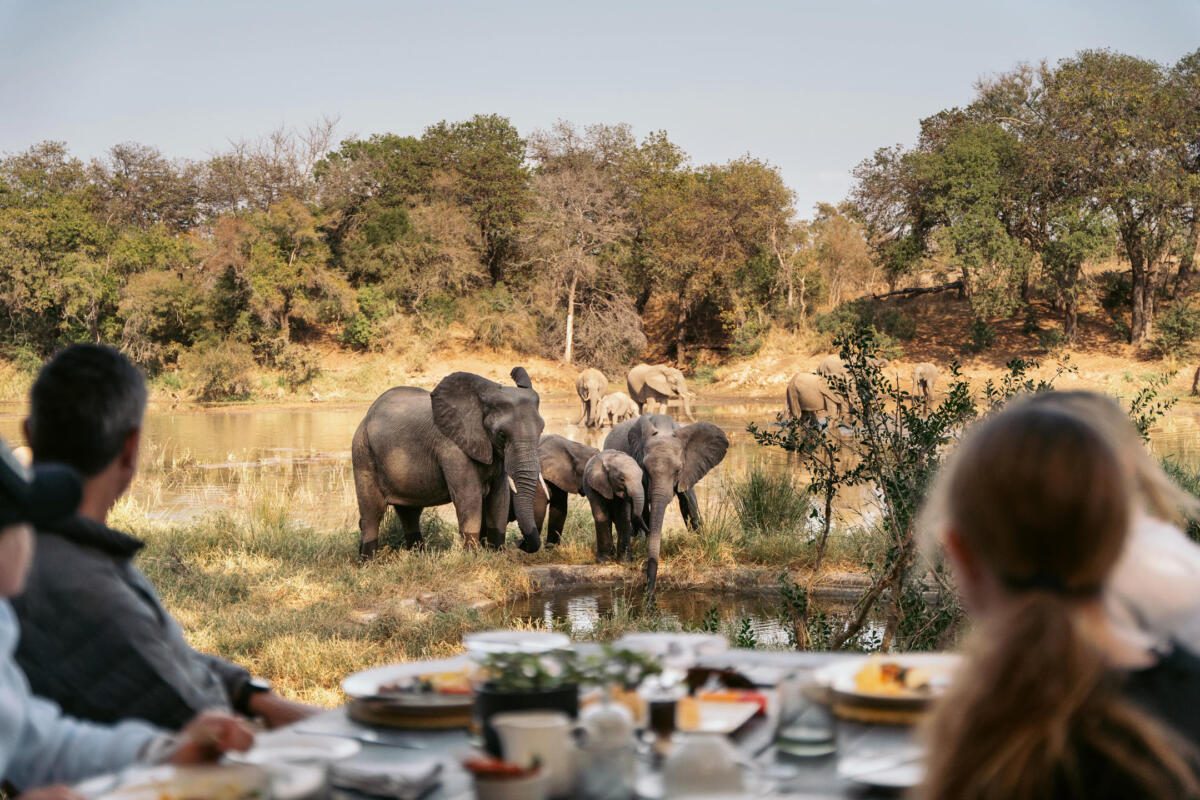
Across reserves like Kruger National Park, Sabi Sand, Phinda, and Madikwe, you can expect opportunities to see the Big Five (lion, leopard, elephant, rhino, and buffalo), along with giraffe, zebra, wildebeest, hyena, and cheetah.

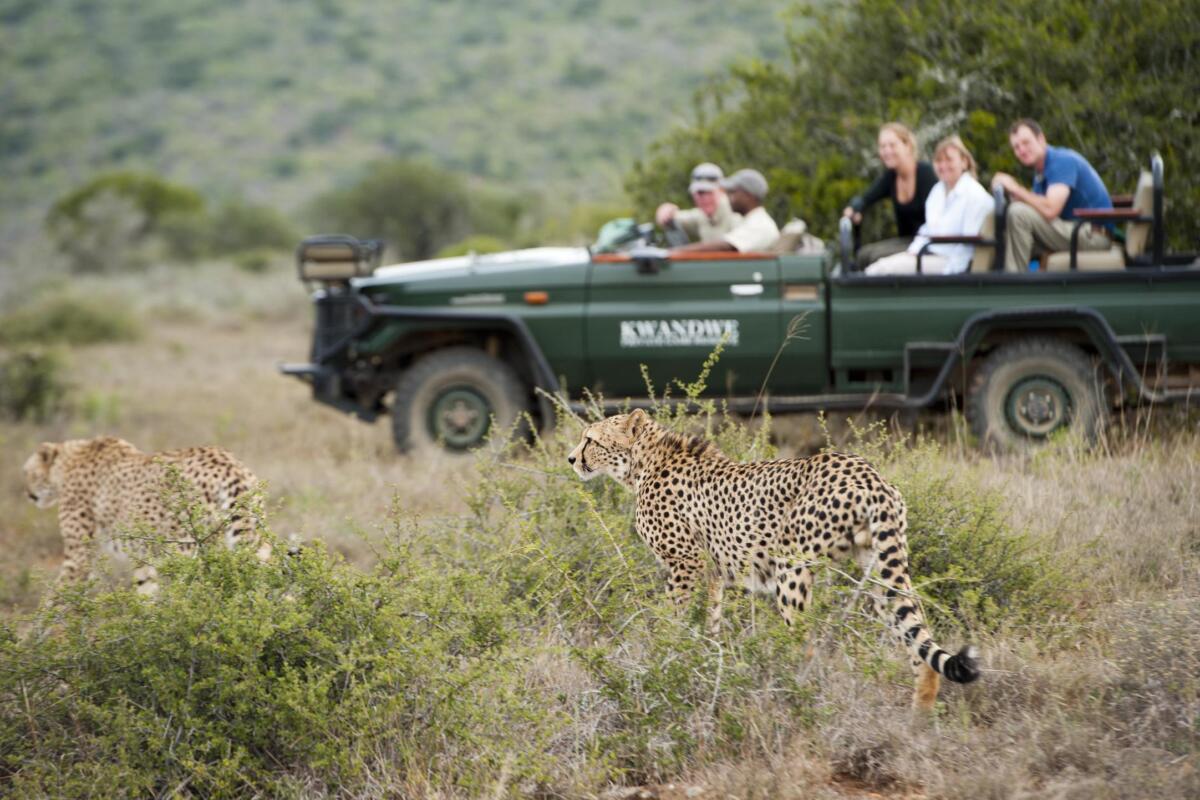
Wild dogs can also be seen in reserves such as Madikwe, Tswalu, and parts of the Sabi Sand. For exceptional cheetah sightings, look to Phinda, Kwandwe, and Tswalu’s open plains.

These private reserves offer low vehicle density, expert guiding, and outstanding opportunities for close-up wildlife encounters.

Birdlife: 850+ Species

South Africa is a birding paradise, with more than 850 recorded species across its varied habitats. From lilac-breasted rollers and martial eagles in the bushveld to African black oystercatchers and flamingos along the coast, birding is excellent year-round. The summer months (November to March) are particularly rewarding when migratory species are present.

Marine Life: Whales, Sharks, and Penguins

South Africa’s coastline supports exceptional marine biodiversity, including whales, dolphins, seals, penguins, sharks, and a wide range of coastal and marine species.

  • Whale Watching: Southern right whales migrate to South Africa’s coastline between June and November, with excellent viewing around Hermanus, De Hoop Nature Reserve, and other parts of the Cape Whale Coast.
  • Shark Cage Diving: Shark cage diving is offered from locations including Gansbaai and Simon’s Town. Sightings vary by season and conditions, with species including bronze whaler and broadnose sevengill sharks, while great white sightings have become less predictable in recent years.
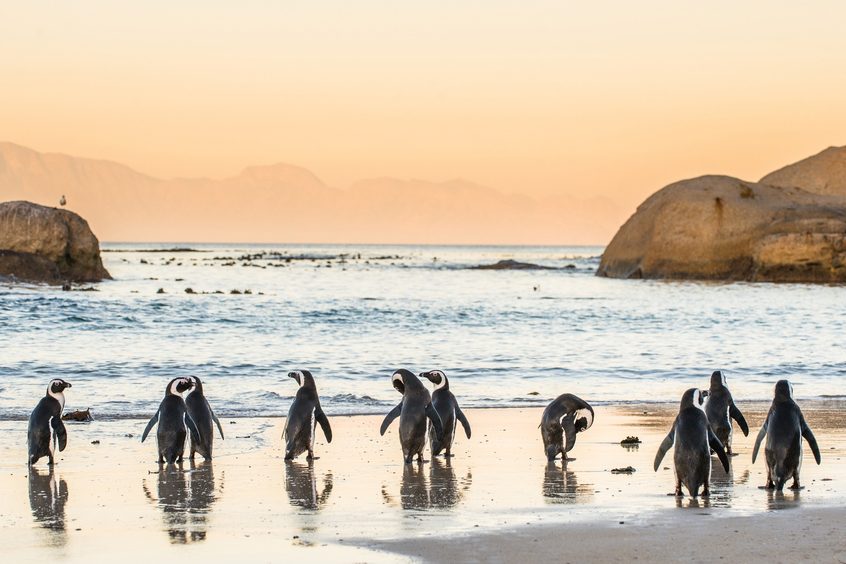
  • African Penguins: Visit the Boulders Beach colony near Simon’s Town or Stony Point in Betty’s Bay. These are two of the most accessible places to see endangered African penguins along the South African coast.

Is South Africa a malaria-risk destination?

Yes, but only in specific regions. Much of South Africa is malaria-free, including Cape Town, the Garden Route, and several of the country’s leading safari reserves.

Malaria-risk areas
Malaria risk is concentrated in parts of the northeast, including Kruger National Park and parts of KwaZulu-Natal. Risk is generally higher during the warmer, wetter summer months from November to April. If your itinerary includes one of these regions, we recommend discussing preventive medication with a travel doctor.

Malaria-free safari options
For families with young children or travelers who prefer to avoid malaria-risk areas, reserves such as Madikwe, Marataba, Tswalu Kalahari, and Kwandwe offer excellent safari experiences in malaria-free regions.

We always recommend speaking with a travel doctor before your trip to confirm the right precautions for your exact itinerary.


Cape Town in Winter: An Insider’s Guide

Cape Town in Winter: An Insider’s Guide

Read More
Kruger’s Finest: Explore Top Luxury Safari Lodges

Kruger’s Finest: Explore Top Luxury Safari Lodges

Read More
A Morning of Leopards

A Morning of Leopards

Read More