Experience Gorilla Trekking in Uganda and Rwanda
At Ubuntu Travel, our gorilla trekking experiences aren’t just planned – they’re personally lived. We’ve trekked through Uganda and Rwanda, shared eye-level moments with mountain gorillas, and even attended Rwanda’s Kwita Izina naming ceremony, celebrating their conservation.
So trust us when we say—we don’t just plan gorilla safaris, we craft them, using firsthand knowledge to design an unforgettable journey.
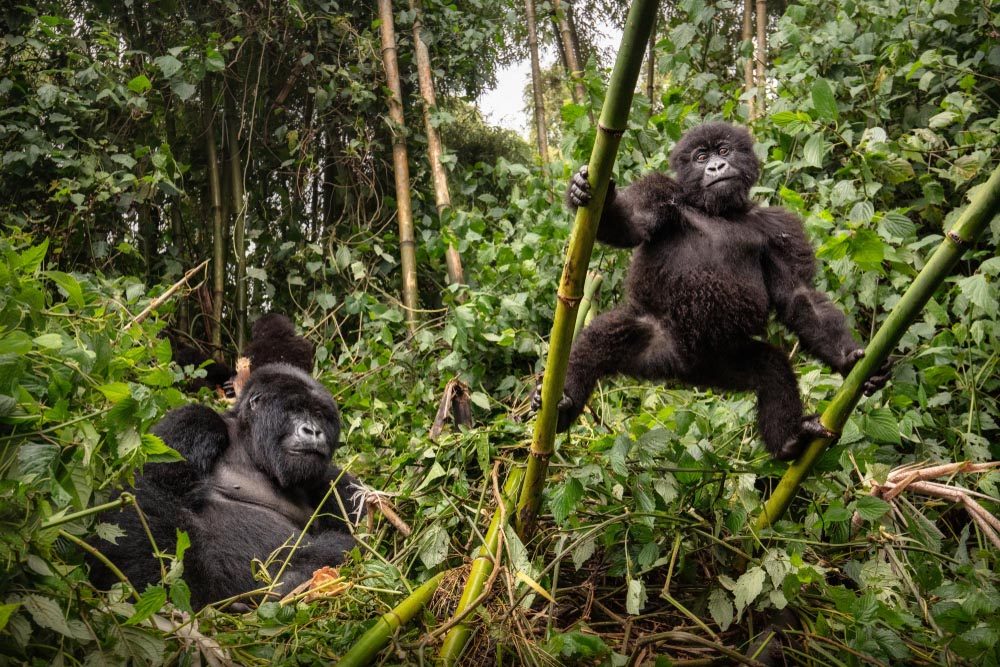
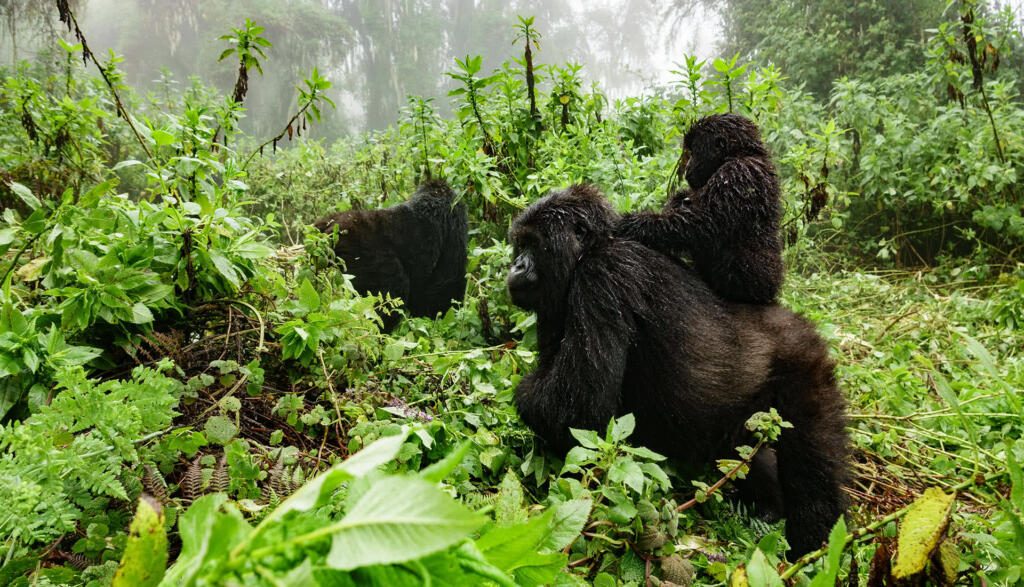
Gorilla trekking in Uganda and Rwanda offers a rare chance to observe endangered mountain gorillas in the wild. Bwindi Impenetrable National Park in Uganda is home to nearly half of the world’s gorilla population, while Volcanoes National Park in Rwanda provides an easily accessible yet equally immersive trekking experience just two hours from Rwanda capital Kigali. Explore. Discover. Your tailor-made gorilla trekking experience starts here…
Explore Our Luxury Gorilla Trekking Packages
Discover our expertly designed gorilla trekking itineraries, crafted to offer you an unforgettable wildlife adventure in Uganda and Rwanda.
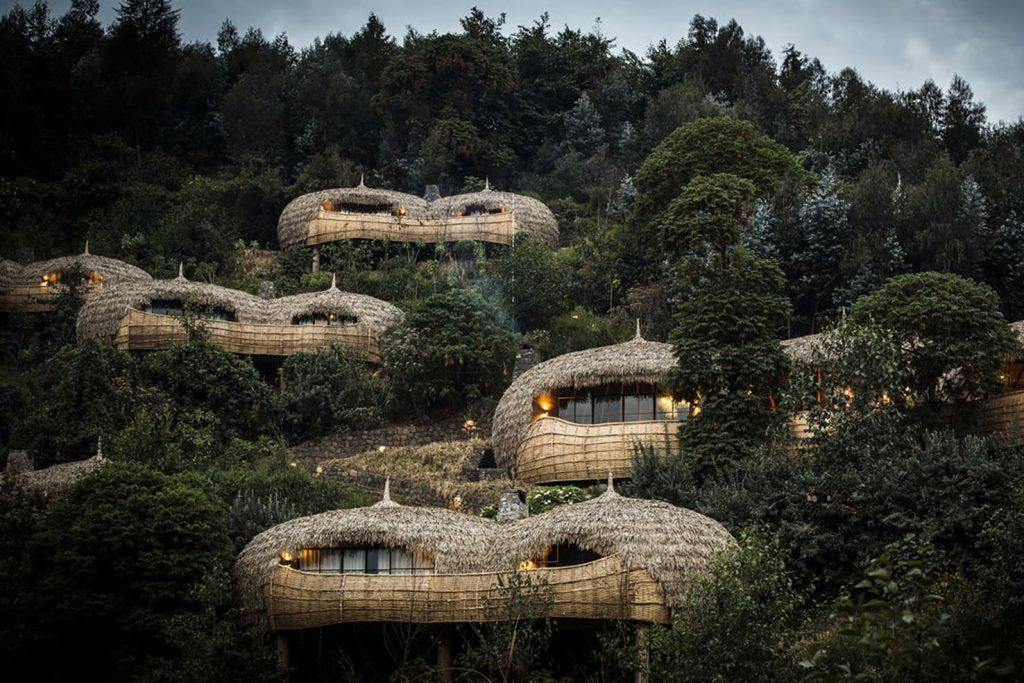
8-Day Gorilla Trekking & Big Five Safari
Embark on a transformative safari journey from Kigali to Akagera National Park, where you’ll stay at Magashi Lodge and join African Parks’ conservation efforts. Encounter the iconic mountain gorillas at Volcanoes National Park, staying at Bisate Lodge and contributing to the Volcanoes National Park expansion project with a $500 donation per trip.
FROM $12,600
PER PERSON
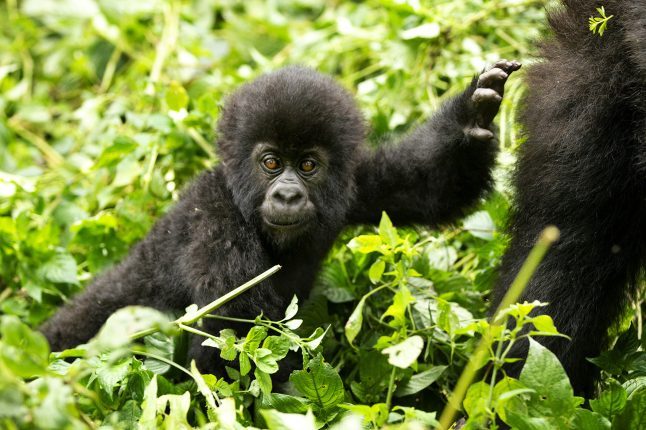
5-Day Rwanda Gorilla Trekking Tour
If you have ever dreamed of viewing mountain gorillas in the wild, this itinerary will take you there. This 5-day itinerary will take you up close and personal with primates, including trekking with the gorillas and wildlife encounters in Volcanoes National Park.
FROM $10,500
PER PERSON
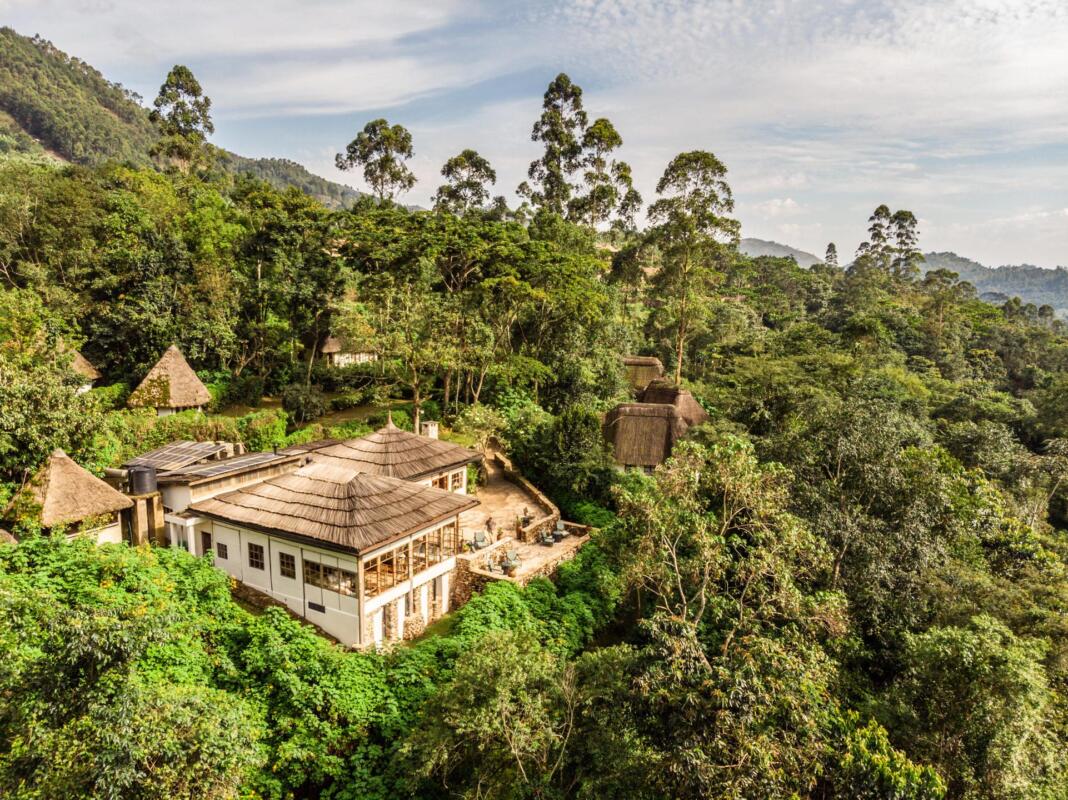
12-Day Uganda Gorilla Trekking Tour
If you’re an off-the-beaten-path traveler, Uganda is your ideal destination. Embark on a 12-day luxury safari from Entebbe’s rare shoebill excursions to thrilling game drives and Nile cruises at Murchison Falls. Continue exploring chimpanzee habitats in Kibale and conclude with unforgettable gorilla trekking in Bwindi Impenetrable National Park.
FROM $13,500
PER PERSON
Ready to Plan Your Gorilla Trekking Safari?
Reach out and let’s start talking. We’ll listen and begin to tailor an experiential, private, luxury vacation based on exactly how you want to experience Africa. From adventure to relaxation—and everything in between—let us handle every detail of your unforgettable journey.
Discover Our Recommended Mountain Gorilla Destinations
Explore the best places to trek with mountain gorillas, from the misty forests of Uganda’s Bwindi Impenetrable National Park to the volcanic landscapes of Rwanda’s Volcanoes National Park.
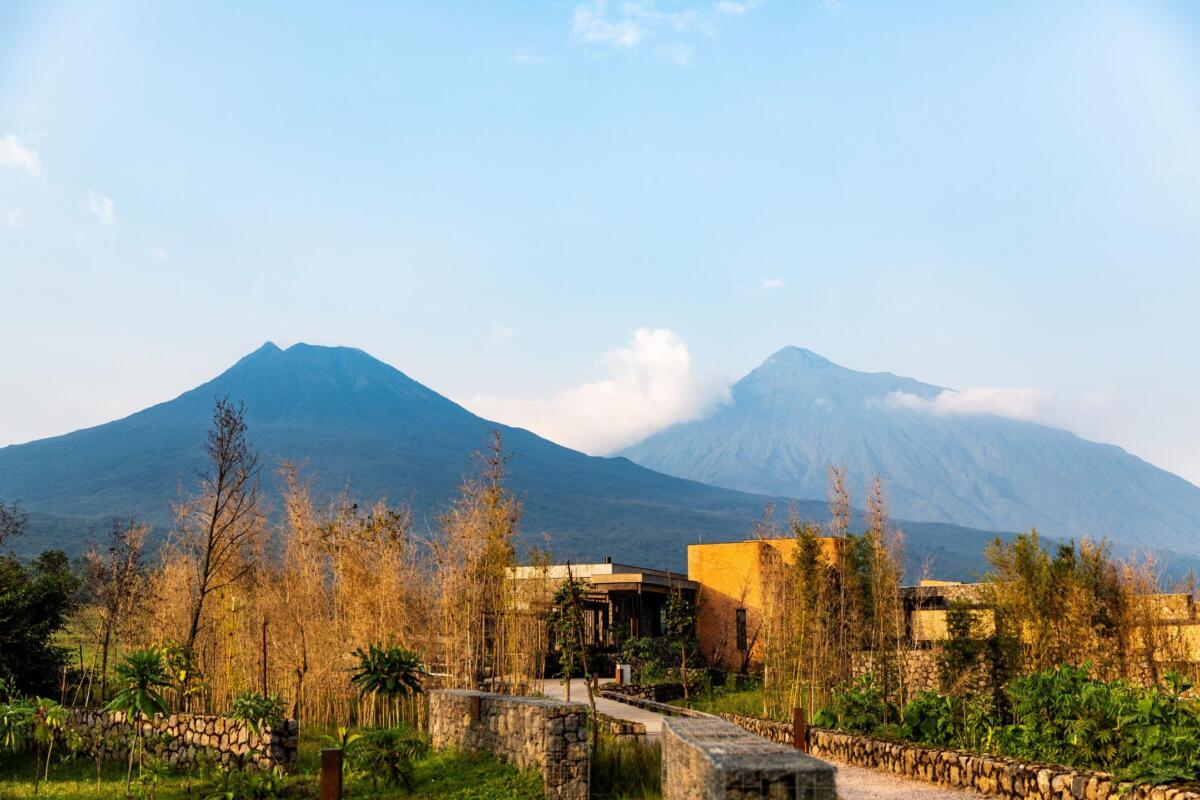
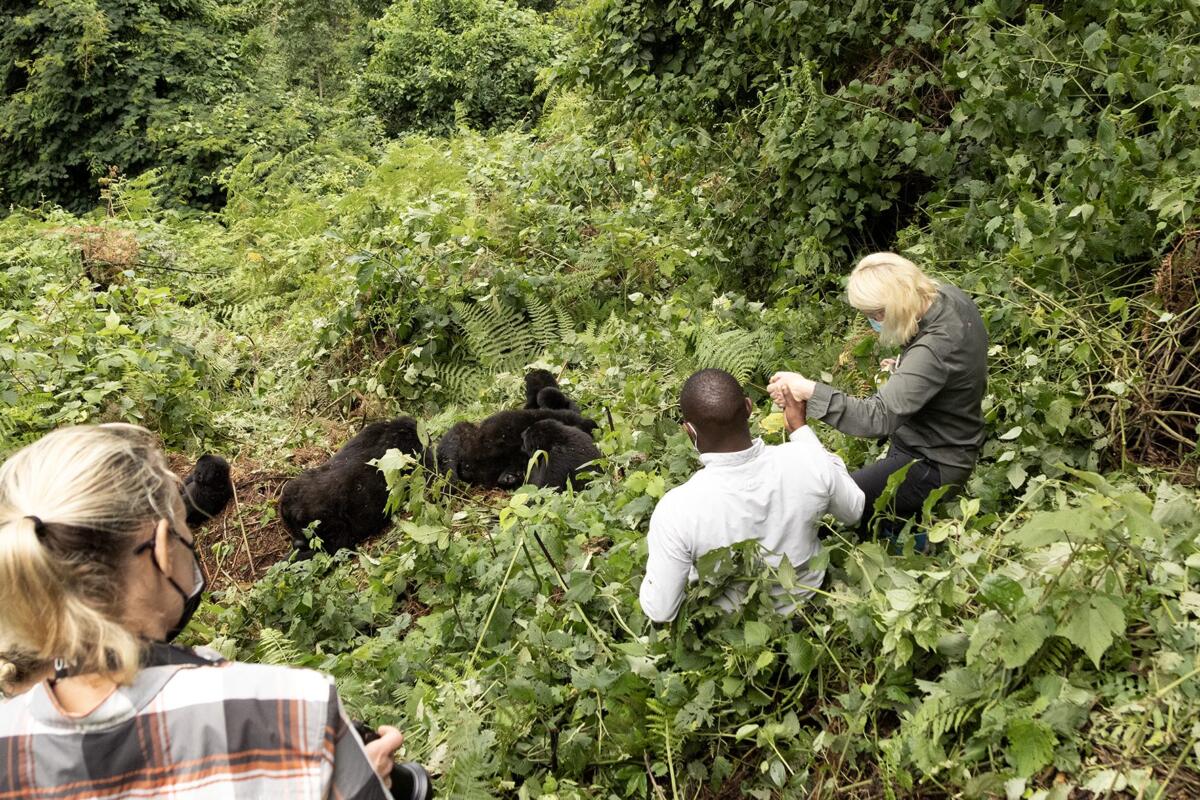
Volcanoes National Park, Rwanda
Trek to meet one of Rwanda’s habituated gorilla families in Volcanoes National Park, famed for its easy access, scenic volcanic terrain, and connection to Dian Fossey’s conservation legacy.
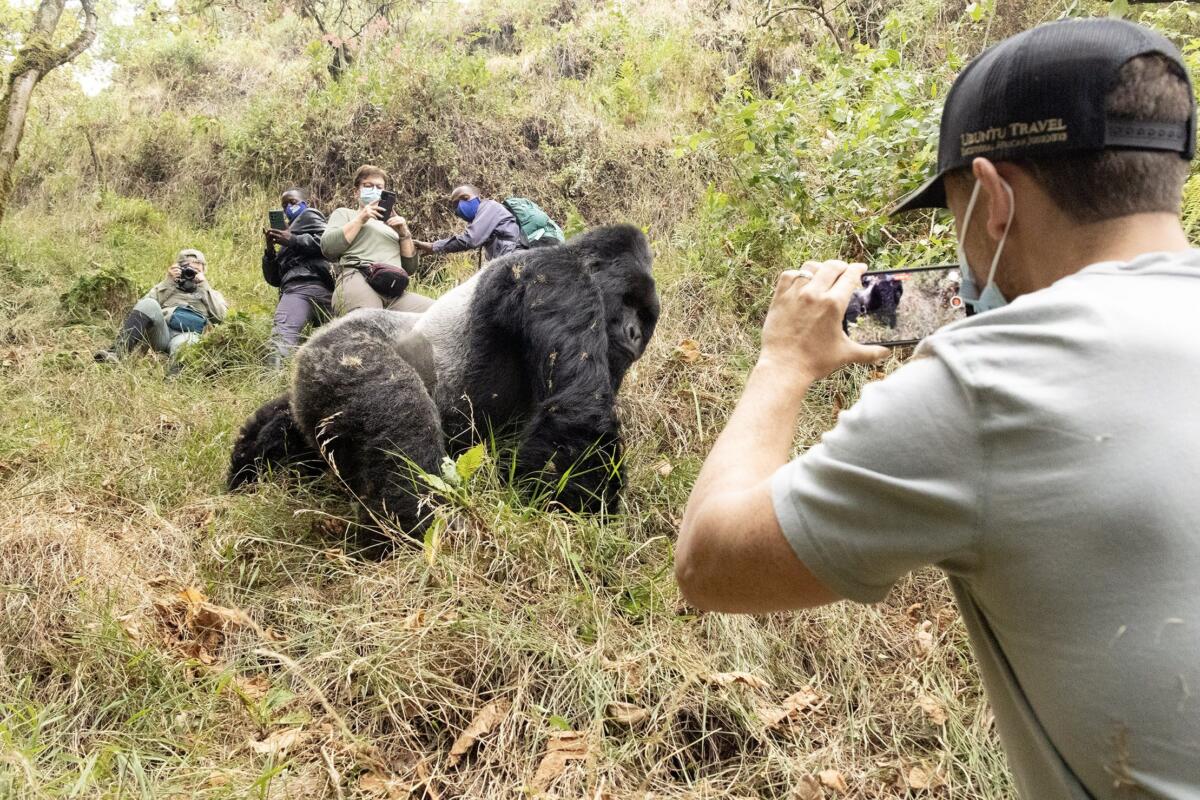
Bwindi Impenatrable Forest, Uganda
Navigate the dense jungles of Bwindi to encounter mountain gorilla families in this UNESCO-listed park, home to nearly half of the world’s remaining gorilla population.
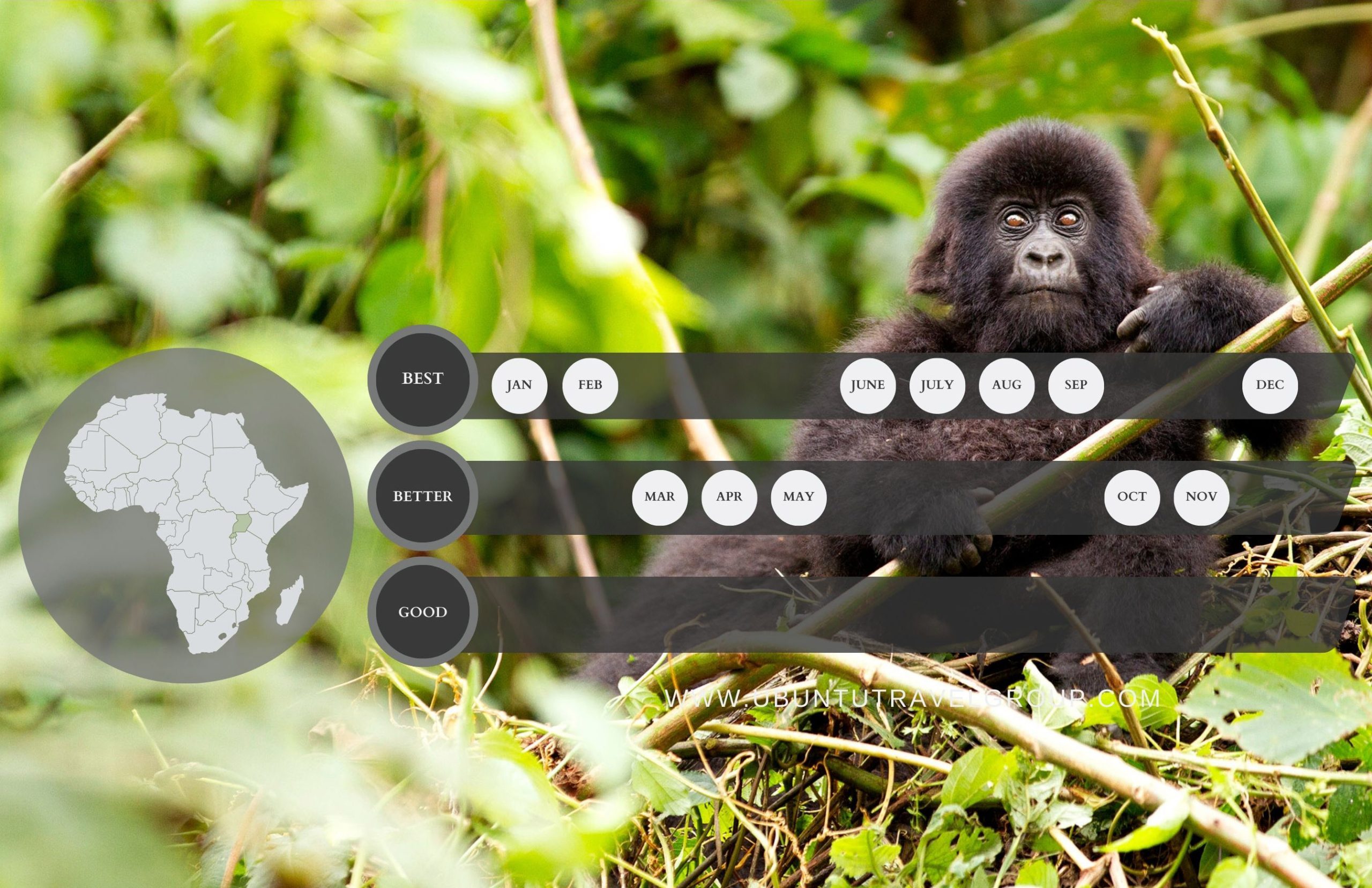
Mgahinga Gorilla National Park, Uganda
Hike to see the Nyakagezi Group with multiple silverbacks in Mgahinga Gorilla National Park, renowned for mountain gorilla conservation and golden monkey sightings.
Unique Safari Experiences Beyond the Trek
A gorilla trekking safari is more than just the thrilling moment you lock eyes with a mountain gorilla – it’s a journey through some of Africa’s most breathtaking landscapes, rich cultures, and diverse wildlife encounters.
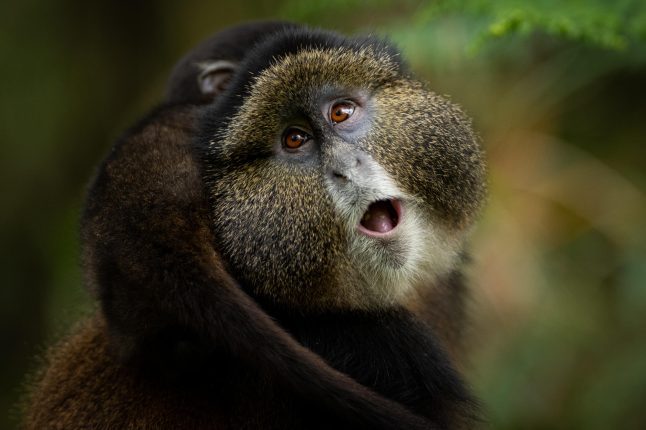
Golden Monkey Tracking
Extend your adventure with a trek to see Rwanda and Uganda’s playful golden monkeys, found in Volcanoes and Mgahinga National Parks.
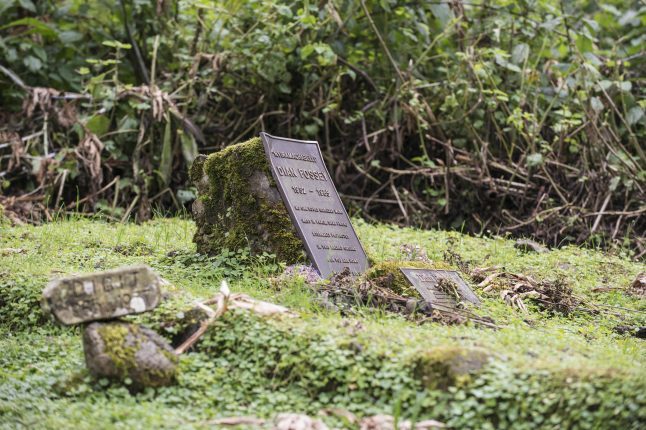
Dian Fossey Hike
Visit the historic Karisoke Research Center and pay tribute to the legendary primatologist who dedicated her life to mountain gorilla conservation.
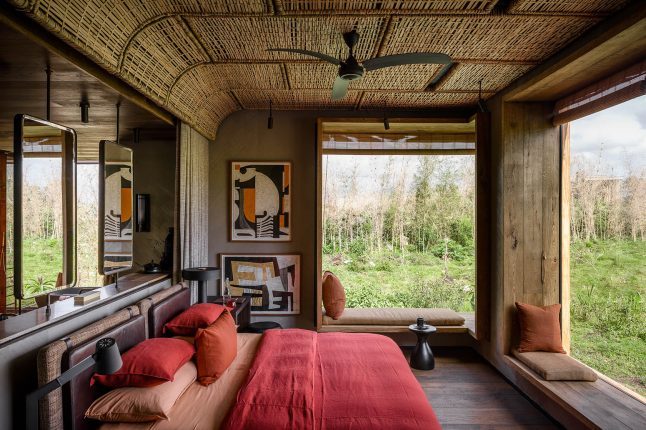
Luxury Lodge Stays
Unwind in exclusive ultra-luxury lodges that blend seamlessly into the wilderness, offering five-star comfort after your trekking adventure.
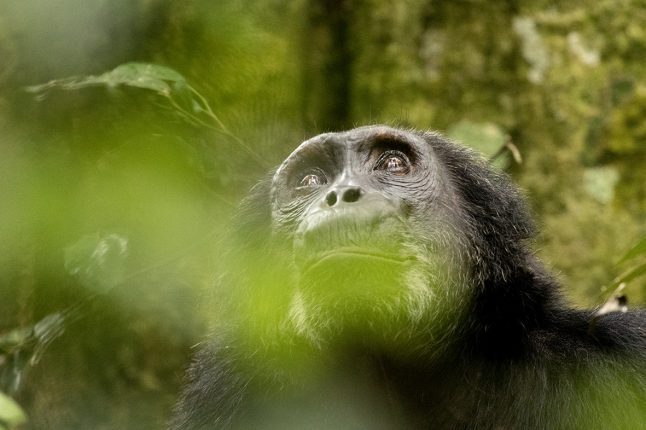
Chimpanzee Trekking
Explore Uganda’s Kibale Forest or Rwanda’s Nyungwe National Park for thrilling encounters with wild chimpanzees in their natural habitat.
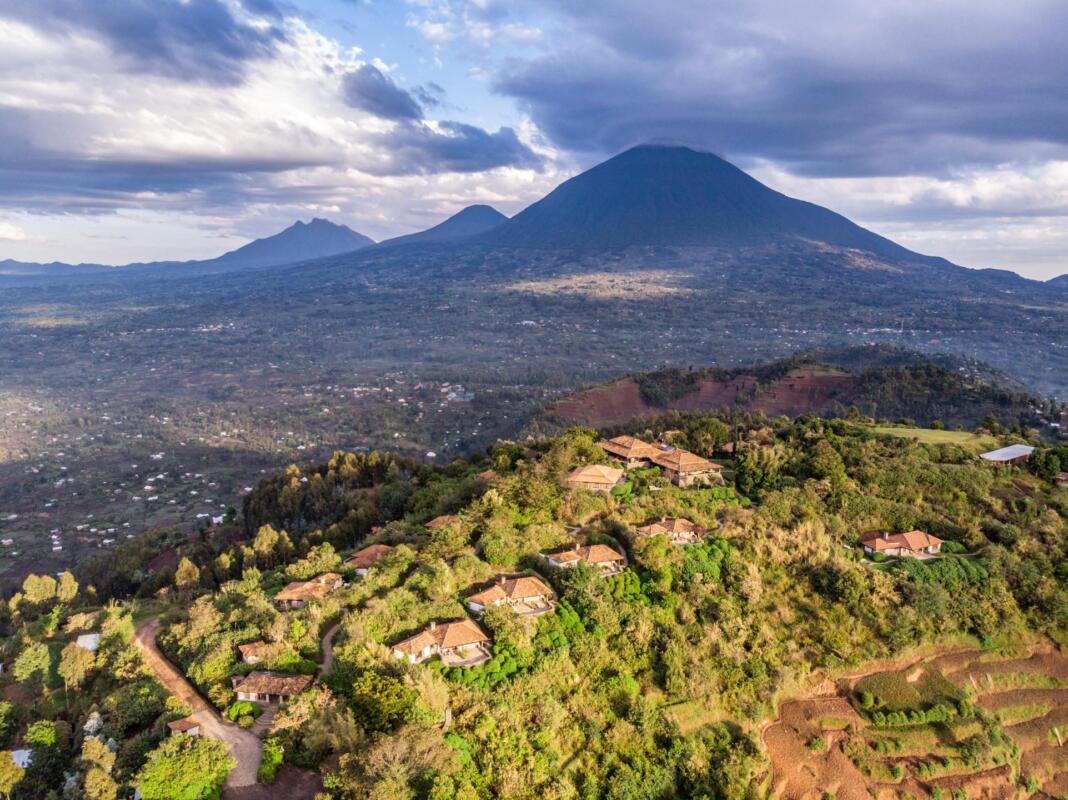
Helicopter Transfers
Upgrade your safari with breathtaking aerial views of Rwanda’s volcanic peaks or Uganda’s vast rainforests.
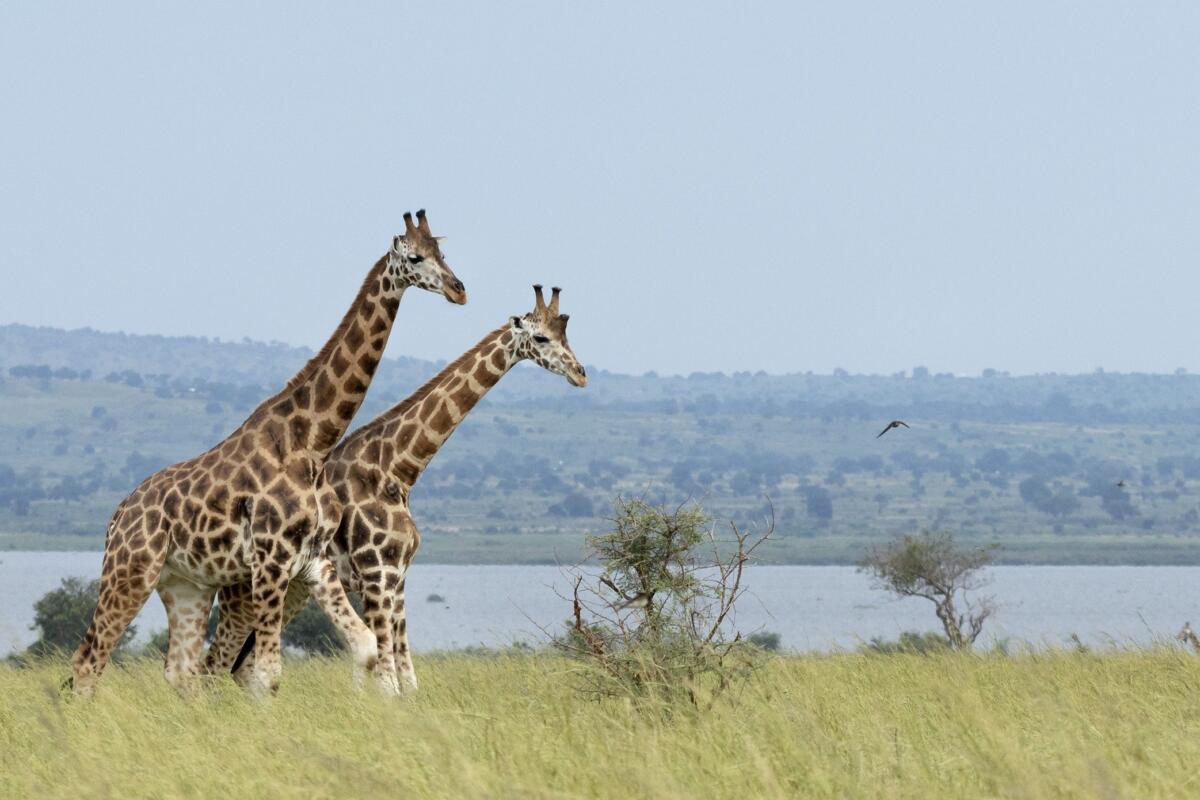
Murchison Falls National Park
Witness the power of the Nile as it crashes through a narrow gorge at Murchison Falls, Uganda’s largest national park, home to lions and elephants.
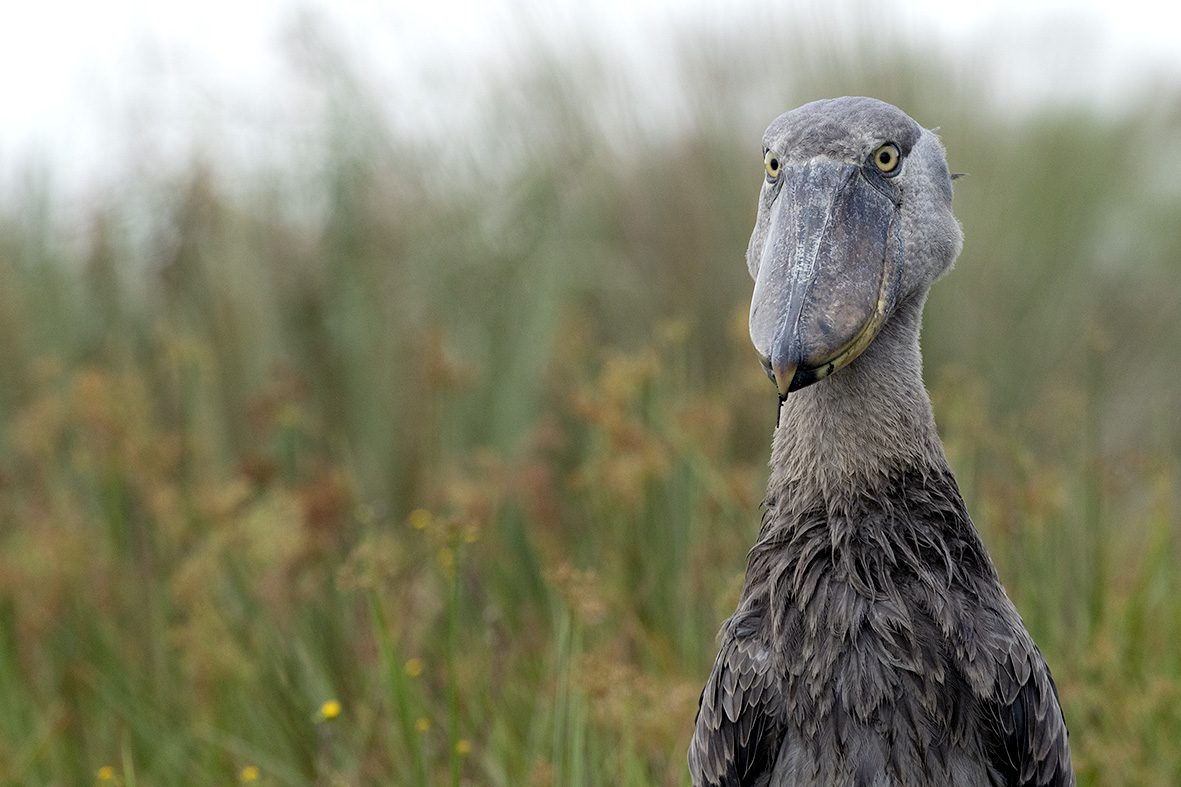
Shoebill Excursion
Set out on a boat safari through Uganda’s wetlands in search of the elusive shoebill stork, one of Africa’s most prehistoric-looking birds.
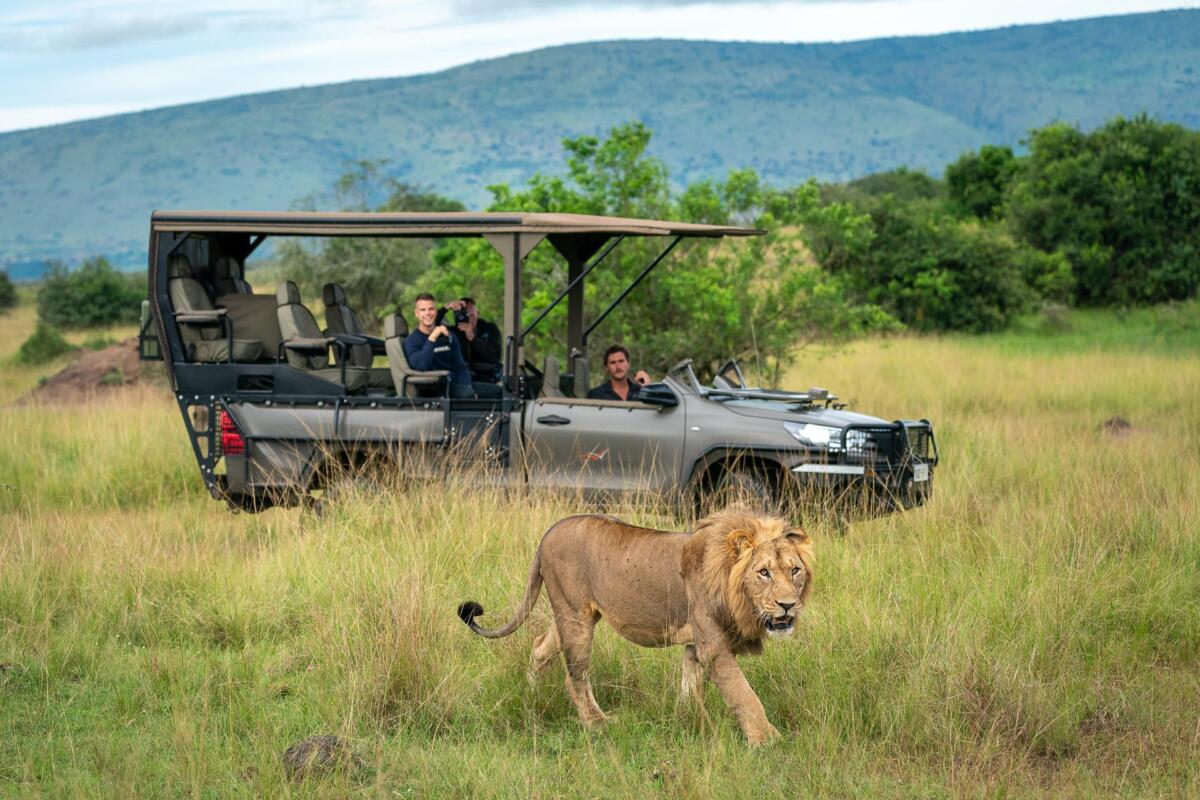
Akagera National Park
Experience Rwanda’s only Big Five safari in Akagera National Park, where game drives and boat safaris at Magashi Camp offer luxury and adventure.
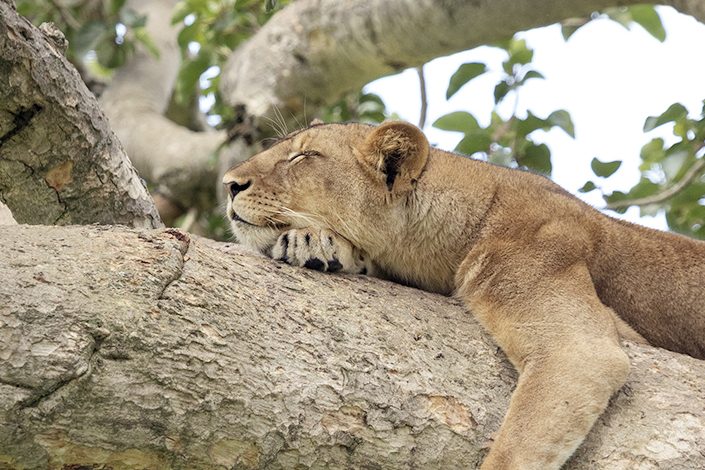
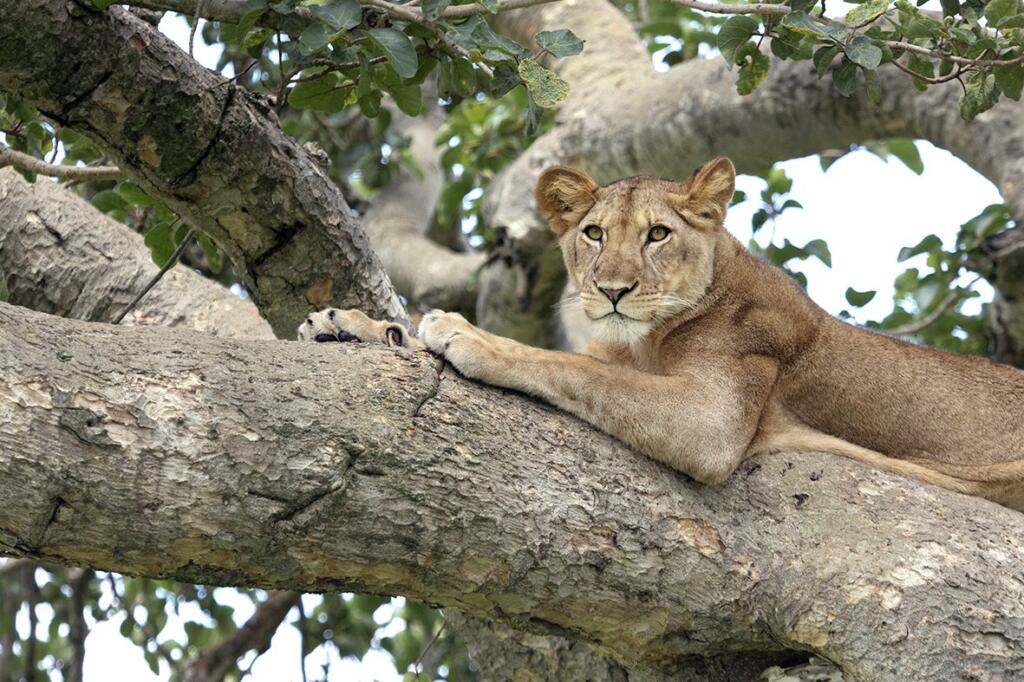
Tree-Climbing Lions at Ishasha
Venture to Queen Elizabeth National Park’s Ishasha sector, where lions are known to lounge in fig trees—a rare and unforgettable wildlife sighting.
Gorilla Trekking FAQs
Why should I go gorilla trekking?
Gorilla trekking is one of the most powerful and emotionally moving wildlife experiences in the world. Coming face to face with a family of mountain gorillas in their natural forest habitat is not just a rare privilege – it’s a profound connection to one of the last truly wild places on Earth.
There are just over 1,000 mountain gorillas remaining in the wild, and they exist only in a small region of Central and East Africa: Bwindi Impenetrable Forest and Mgahinga Gorilla National Park in Uganda, Volcanoes National Park in Rwanda, and Virunga National Park in the DRC.
Aside from a handful of rescued orphans at the Senkwekwe Gorilla Orphanage in Virunga, mountain gorillas have never survived in traditional zoos, largely due to their complex diets and highly specific habitat needs. This makes seeing them in the wild not only a privilege – but one of the most exclusive wildlife encounters left on Earth.
This rarity, combined with the quiet awe of walking through mist-shrouded forest and observing these intelligent, social animals up close, often sparks a deep emotional response. For many travelers, gorilla trekking becomes the moment they truly understand the value of conservation – and their role in it.
Where are the best places to see mountain gorillas in Africa?
The best places to see mountain gorillas in Africa are found in the dense rainforests of Central and East Africa, specifically in Rwanda, Uganda,and the Democratic Republic of Congo (DRC). Each destination offers unique trekking experiences, stunning landscapes, and varying levels of accessibility.
Ubuntu Travel’s selected luxury gorilla trekking destinations:
- Volcanoes National Park, Rwanda
- Bwindi Impenetrable Forest National Park, Uganda
- Mgahinga Gorilla National Park, Uganda
How much does a gorilla trekking permit cost?
Gorilla trekking permits are essential for those wishing to experience the profound encounter of observing mountain gorillas in their natural habitats. The cost of these permits varies by country and residency status:
Rwanda:
• Foreign Non-Residents: $1,500 USD per person for a one-hour encounter.
Uganda:
• Foreign Non-Residents: $800 USD per person for a one-hour encounter.
These permits provide access to Bwindi Impenetrable and Mgahinga Gorilla National Parks.
How close can I get to the gorillas during the trek?
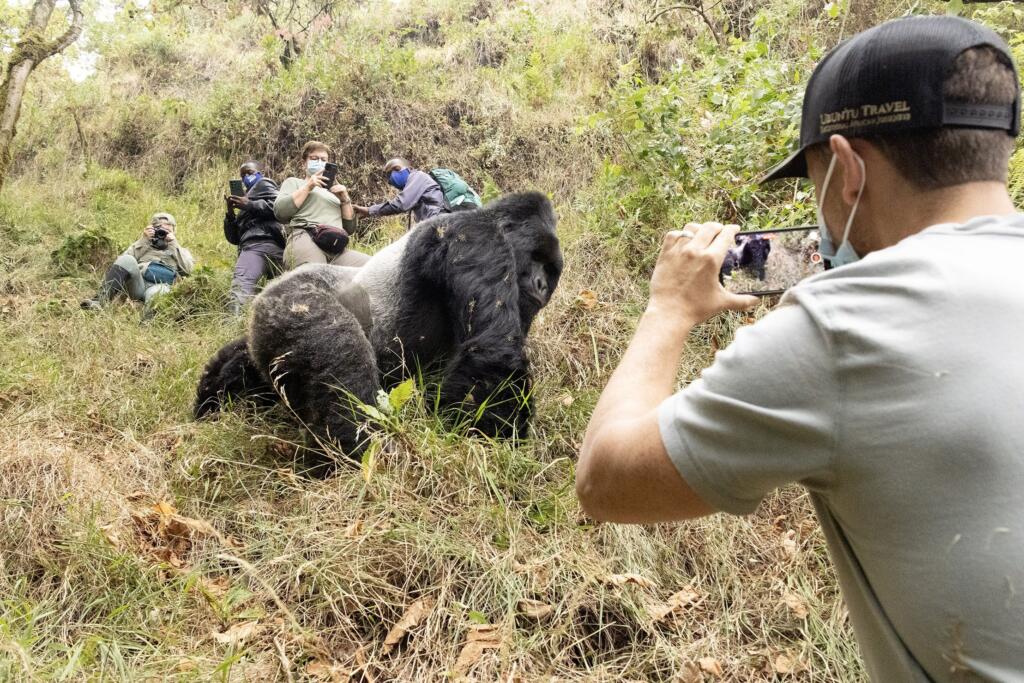
Visitors are typically allowed within a few meters of the gorillas, but maintaining a respectful distance is crucial to minimize stress and disease transmission to these endangered animals.
That said, gorilla trekking is about observation, not proximity. Given the nature of the experience, you may find yourself closer than expected as the gorillas move naturally through their habitat. During your one-hour encounter, always follow your expert guide’s instructions, remain vigilant, and respect ethical wildlife viewing practices to ensure a responsible and unforgettable experience.
Are there any age restrictions for gorilla trekking?
Yes, the minimum age for gorilla trekking is 15 years old. This regulation is enforced to ensure the safety of both trekkers and gorillas, as younger children may struggle with the physical demands or react unpredictably in close wildlife encounters. If you’re traveling with younger adventurers, we can recommend alternative activities like cultural experiences or nature walks to create a memorable journey for the whole family.
Please note: This is a strict policy set by both governments, and we do not have any control or flexibility over it.
How does gorilla trekking contribute to conservation efforts?
Gorilla trekking has played a vital role in the remarkable recovery of mountain gorilla populations over recent decades. In the early 1980s, their numbers had dropped to just 254 individuals, primarily due to poaching, habitat destruction, and civil unrest. Today, thanks to dedicated conservation efforts, the population has rebounded to over 1,000 individuals, a true success story in wildlife protection.
A Conservation Success Story
This positive trend is the result of collaborative efforts between conservation organizations, local communities, and sustainable tourism initiatives. For over six decades, the African Wildlife Foundation (AWF) has been at the forefront of mountain gorilla conservation, leading initiatives such as:
• Anti-poaching patrols that protect gorilla families from illegal hunting.
• Community engagement programs that provide alternative livelihoods and education.
• Habitat expansion projects that ensure gorillas have enough space to thrive.
Ubuntu Travel’s Commitment to Gorilla Conservation
Ubuntu Travel is proud to support these conservation efforts. Our partnership with AWF includes backing the Volcanoes National Park Expansion Project, an initiative aimed at:
• Increasing protected gorilla habitats for long-term conservation.
• Reducing human-wildlife conflict by expanding forested areas.
• Supporting biodiversity conservation for a thriving ecosystem.
Ethical Lodge Partnerships That Prioritize Conservation
At Ubuntu Travel, we believe that where you stay matters. We work exclusively with luxury lodges and safari camps that are committed to ethical conservation practices and sustainable community development.
Our handpicked lodge partners in Rwanda and Uganda prioritize:
• Habitat restoration and reforestation projects to support gorilla conservation.
• Low-impact, eco-friendly operations that minimize environmental footprints.
• Community empowerment initiatives, ensuring that local people benefit from conservation success.
• Ethical wildlife tourism policies, ensuring no interference with natural behaviors and ecosystems.
By staying at these lodges, you directly support sustainable tourism, ensuring that both wildlife conservation and local communities thrive.
How Your Gorilla Trekking Safari Makes a Difference
1. Direct Funding for Gorilla Conservation
Every gorilla trekking permit in Rwanda ($1,500 per person) and Uganda ($800 per person) directly contributes to wildlife conservation and habitat protection.
A portion of these fees funds:
• Anti-poaching patrols to prevent illegal hunting.
• Scientific research to study and protect gorilla populations.
• Habitat restoration projects in Volcanoes and Bwindi Impenetrable National Parks.
Ubuntu Travel proudly supports these efforts to ensure the long-term survival of mountain gorillas.
2. Protecting and Expanding Gorilla Habitats
Habitat destruction and human-wildlife conflict remains one of the greatest threats to gorillas. Thanks to intensive conservation programs, protected areas are expanding, allowing gorillas to thrive.
• Volcanoes National Park Expansion Project – Ubuntu Travel actively supports this initiative, securing more forested land for gorillas while benefiting local communities.
• Bwindi Impenetrable National Park, Uganda – Similar efforts help reduce deforestation and increase protected land for gorillas and other wildlife.
3. Supporting Local Communities & Sustainable Tourism
Gorilla trekking benefits local communities as well as wildlife. Approximately 10% of permit fees go directly to local villages, funding:
• Schools & education programs
• Healthcare & infrastructure projects
• Job creation in eco-tourism, including rangers, guides, and lodge staff
Ubuntu Travel partners support community-driven tourism initiatives, ensuring that local people see direct benefits from conservation efforts.
4. Anti-Poaching & Gorilla Protection Programs
Wildlife tourism plays a critical role in protecting gorillas by funding:
• 24/7 ranger monitoring to safeguard gorilla families.
• Anti-poaching patrols that prevent illegal activities like snaring.
• Conservation education programs for local communities.
With the support of responsible travelers like you, mountain gorilla numbers are steadily increasing, proving that conservation-focused tourism works.
Travel With Purpose: Gorilla Trekking That Gives Back
By choosing Ubuntu Travel for your gorilla trekking safari, you are directly supporting:
• Mountain gorilla conservation in Rwanda and Uganda.
• Local communities through sustainable tourism.
• The long-term protection of Africa’s great apes.
Your journey is more than just a once-in-a-lifetime wildlife experience—it’s an opportunity to make a real impact.