
Kenya’s Rhino Conservation Heartland
Set beneath the slopes of Mount Kenya, the Lewa and Borana Conservancies form one of Kenya’s most important conservation landscapes. Defined by rolling hills, open plains and private conservancies, this region offers a quieter and more purposeful safari experience centred around wildlife protection, community partnerships and low-impact tourism.
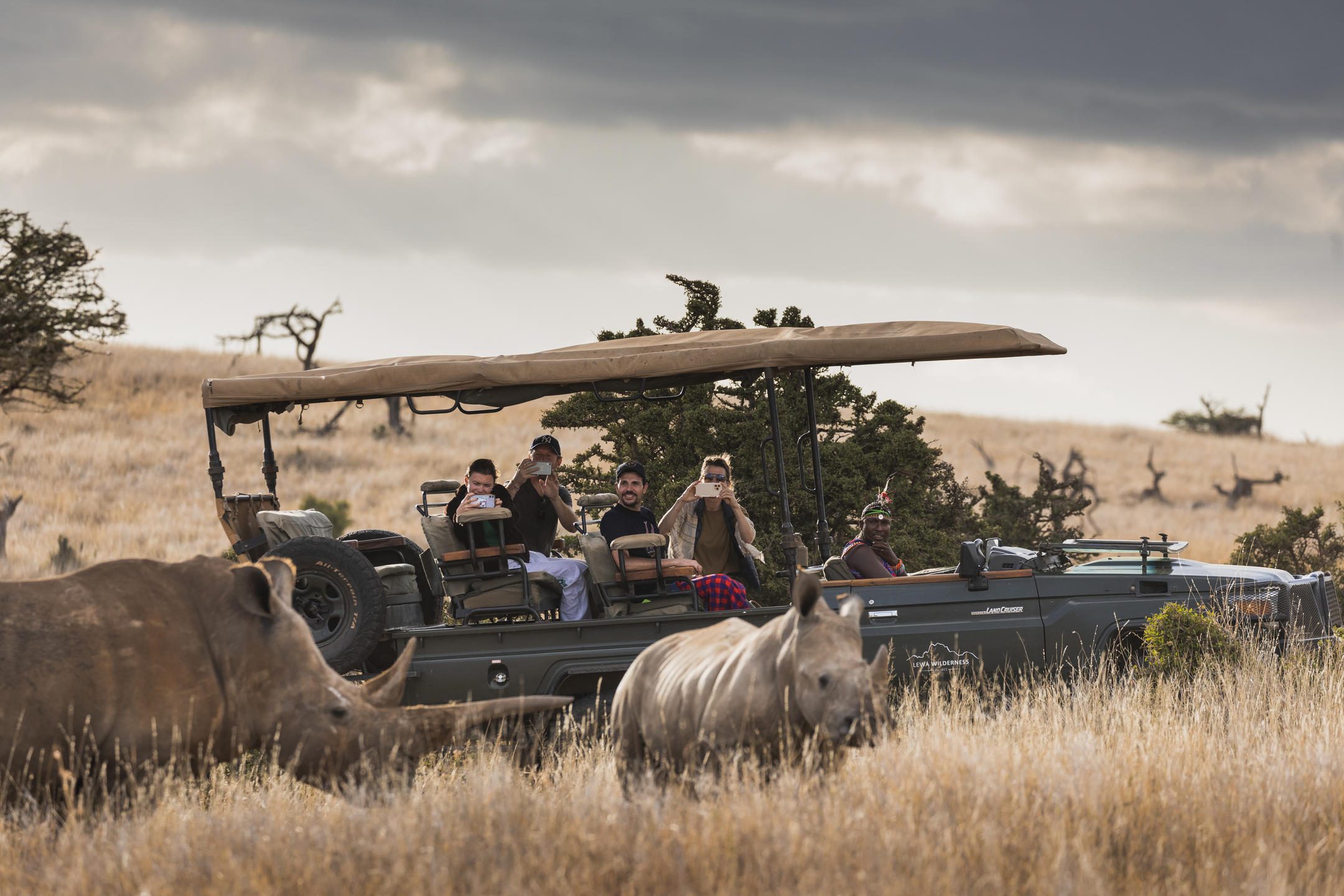
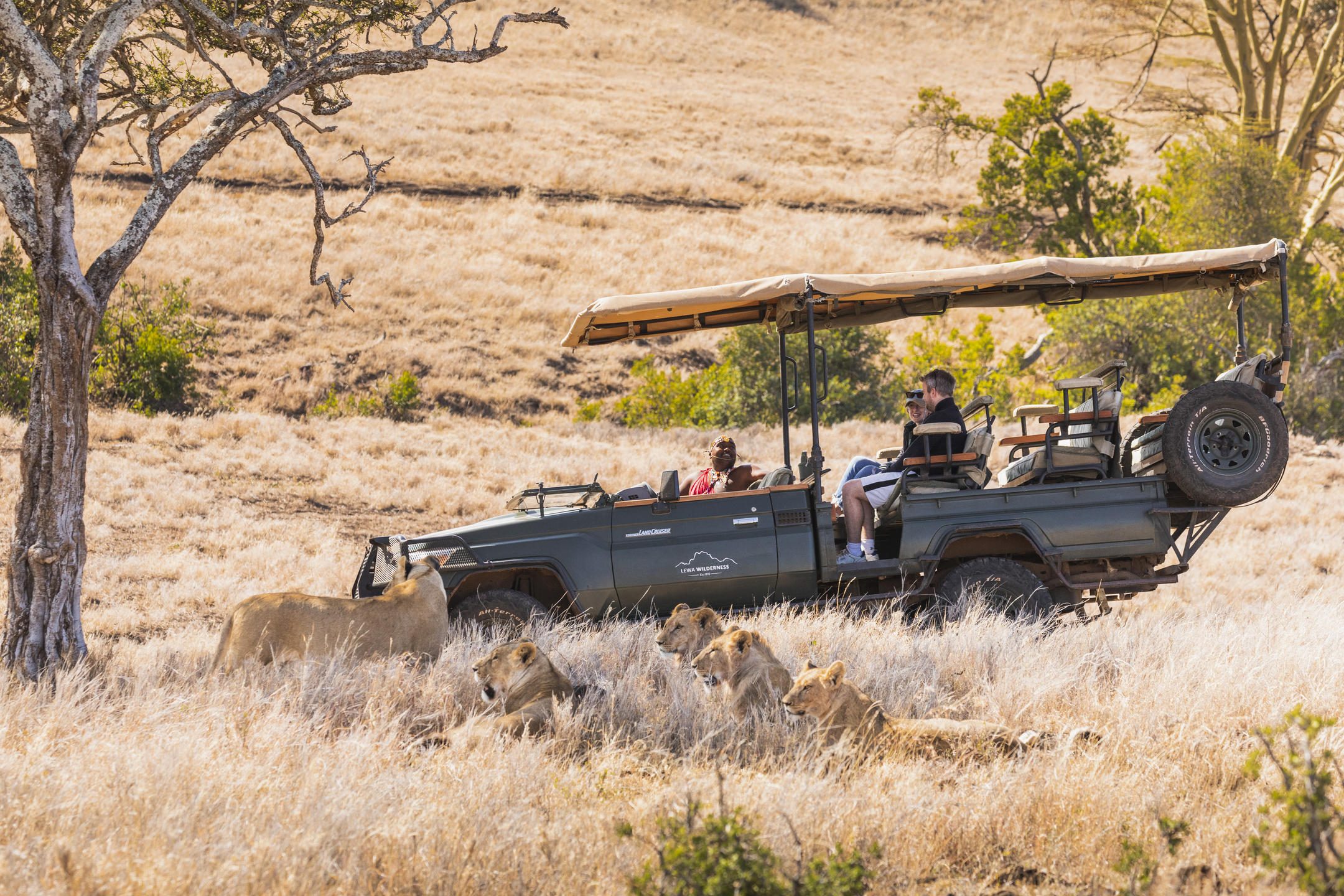
In 2014, Lewa and Borana removed the fence separating their conservancies, creating Kenya’s largest rhino sanctuary and one of the best places in East Africa to see both black and white rhino in the wild. The region is also home to endangered Grevy’s zebra, elephant, lion, leopard, cheetah and abundant plains game, with wildlife sightings often feeling intimate and uncrowded.
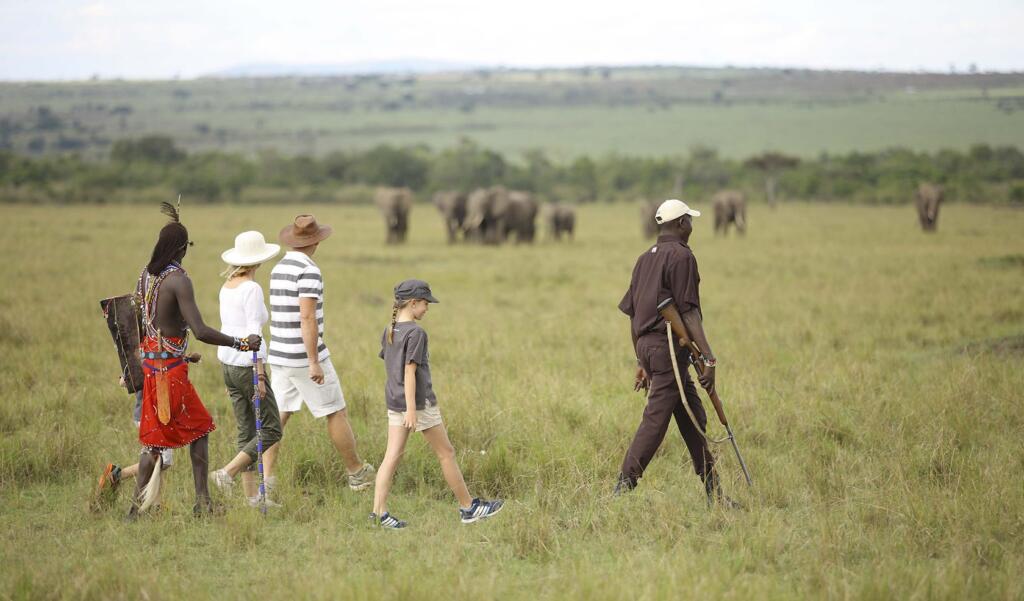
Beyond traditional game drives, Lewa and Borana offer one of Kenya’s most varied safari experiences. Guests can explore on horseback or camelback, walk through the Ngare Ndare Forest canopy, visit prehistoric sites, take scenic helicopter flights or spend time learning about the conservation initiatives helping protect this remarkable landscape. Combined with intimate luxury lodges such as Lewa House and Lewa Wilderness, the region delivers a safari experience deeply connected to both people and place.
Lewa and Borana Conservancy Highlights
Discover Kenya’s leading rhino conservation landscape through private conservancies, immersive safari activities and intimate luxury lodges.
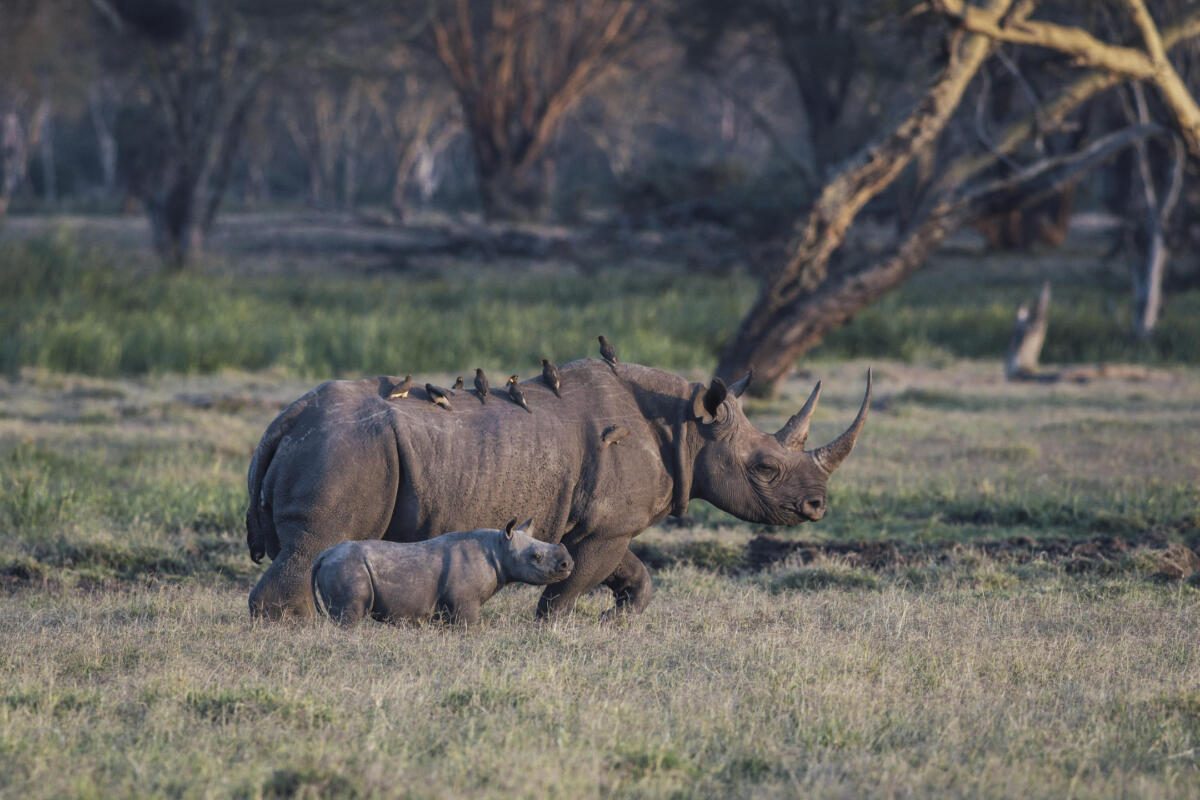
Black & White Rhino Viewing
Following the removal of the boundary fence in 2014, Lewa and Borana became Kenya’s largest protected rhino sanctuary.
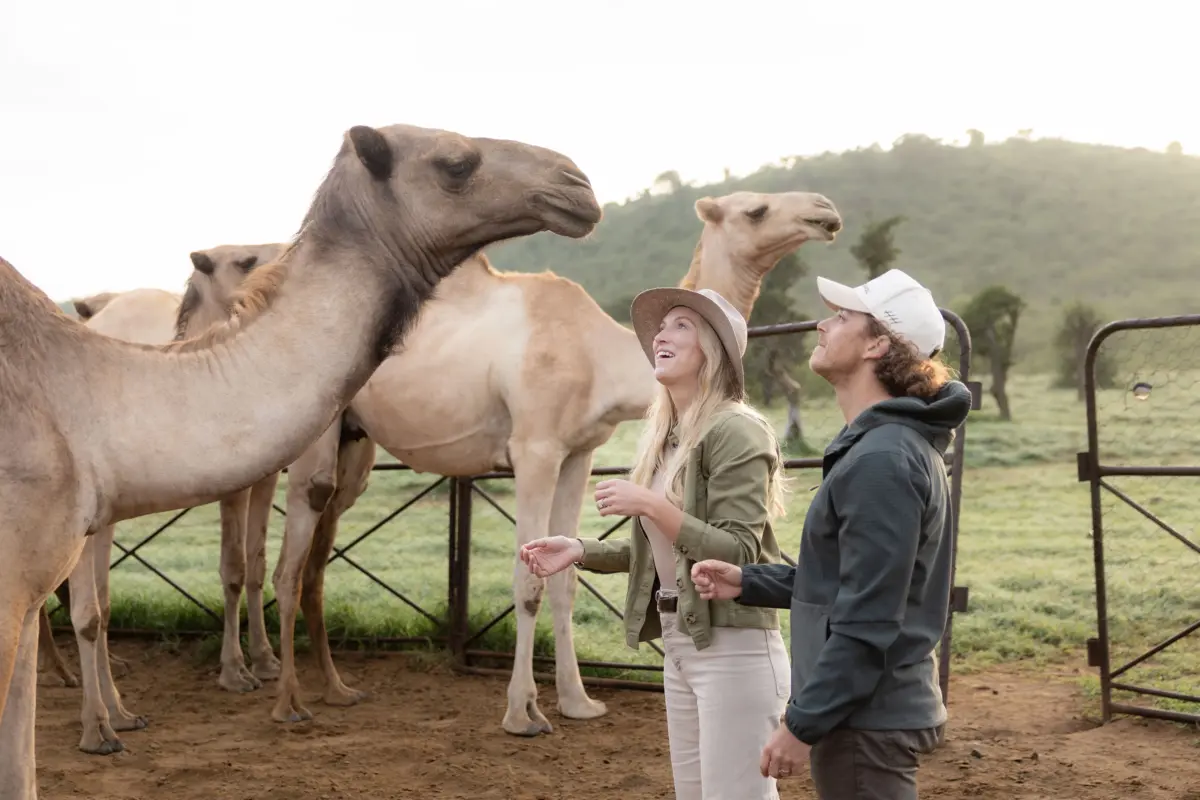
Horseback & Camel Safaris
Explore Lewa and Borana beyond the vehicle through horseback riding, camel safaris and guided walks across open conservancies.
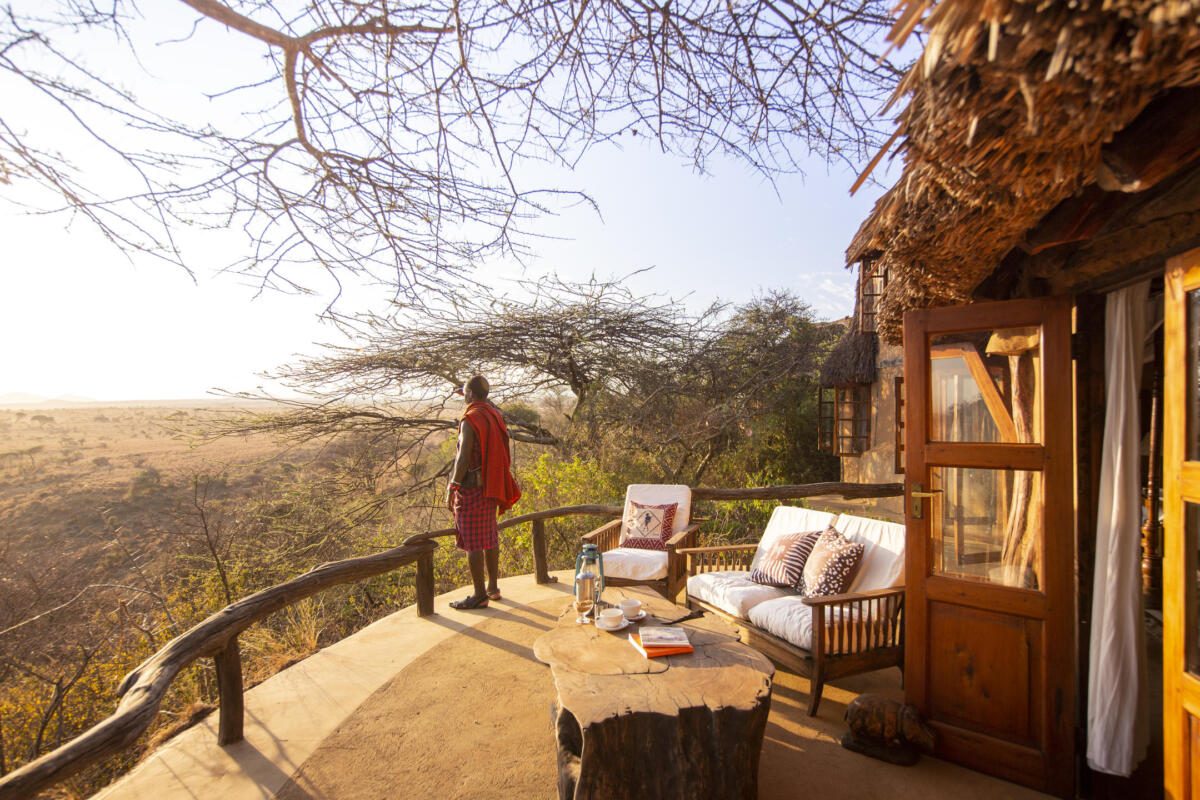
Exclusive Luxury Lodges
Stay in intimate lodges, where guiding, hospitality and conservation feel deeply connected to the surrounding landscape.

Conservation Experiences
Learn more about rhino protection, anti-poaching efforts and community conservation initiatives helping protect the region’s wildlife and biodiversity.
Ready To Plan Your Safari to Lewa & Borana Conservancies?
Let’s start designing your luxury safari. Whether you’re after adventure, relaxation, or both, we’ll tailor every detail around how you want to experience Africa – with expert guidance at every step.
Ubuntu Travel's Popular Safaris at Lewa and Borana Conservancies
Discover Ubuntu Travel’s top Laikipia itineraries, combining rare wildlife conservation, private conservancy exclusivity and adventure-filled lodge experiences for the perfect Kenya safari escape.
Adventure & Conservation Safari
Nairobi – 1 night
Amboseli – 2 nights
Lewa Conservancy – 3 nights
Mara Conservancy – 3 nights
Diani Beach – 3 nights
Big Five & Secret Seven
Nairobi – 1 night
Lewa Conservancy – 3 nights
Samburu National Park – 3 nights
Mara Conservancy – 3 nights
THE UBUNTU TRAVEL DIFFERENCE
Personalized Itineraries
Attention to detail from start to finish
Conservation Promise
Travel with a purpose
Experts in Africa
Our team of travel experts know Africa
Personalized Itineraries
Attention to detail from start to finish
Conservation Promise
Travel with a purpose
Experts in Africa
Our team of travel experts know Africa
Ready to Plan Your Safari?
Reach out today and connect with our expert team – we care about the whole journey, from your very first call to your final farewell on safari. Every itinerary is thoughtfully reviewed by our co-founders, Kyle and Leah, to reflect the kind of journey we’d take ourselves.
Lewa and Borana Conservancies FAQs
What makes Lewa and Borana different from the Masai Mara?
Lewa and Borana offer a quieter and more conservation-focused safari experience than the Masai Mara National Reserve. While the Mara is best known for the Great Migration and high-density big cat viewing, Lewa and Borana are defined by private conservancies, rhino conservation and a wider variety of safari activities beyond the traditional game drive.
The region is one of the best places in Kenya to see both black and white rhino, along with endangered Grevy’s zebra and healthy elephant populations. With fewer vehicles, highly protected land and flexible safari activities such as horseback riding, camel safaris and guided walks, Lewa and Borana feel far more intimate and immersive than busier safari regions.
Are Lewa and Borana good for families?
“Yes. During our recent stay in 2026, this was one of the biggest takeaways for us. We genuinely cannot wait to bring our little girls here.”
– Co-founder and Travel Specialist, Leah Green
Lewa and Borana are among Kenya’s most rewarding safari regions for families, particularly for those looking for flexibility and activities beyond traditional game drives.
Many lodges offer family cottages, private villas and personalised guiding, allowing families to safari at their own pace. Activities such as horseback riding, camel safaris, conservation experiences, bush walks and the Ngare Ndare canopy walk create a far more active and engaging safari for children and teenagers.
Combined with cooler temperatures, lower mosquito levels and very few vehicles, the region offers a relaxed and highly exclusive safari environment for multi-generational travel.
What wildlife are Lewa and Borana best known for?
Lewa and Borana are best known for rhino conservation and are considered one of the strongest rhino habitats in East Africa. The conservancies support both black and white rhino populations, alongside endangered Grevy’s zebra, elephant, lion, leopard, cheetah and healthy plains game populations.
The region is also recognised for its strong conservation management and lower visitor numbers, which create more intimate and uncrowded wildlife sightings than many other safari destinations in Kenya.
Can you do more than game drives in Lewa and Borana?
Absolutely. One of the biggest advantages of staying within private conservancies is the flexibility of activities available beyond the vehicle.
Depending on your lodge and itinerary, experiences may include horseback safaris, camel treks, guided walks, scenic helicopter flights, conservation-focused activities, visits to prehistoric sites and the Ngare Ndare Forest canopy walk. These experiences create a more immersive safari and allow travellers to connect with the landscape in very different ways.