


A Luxury Journey Through Laikipia and the Masai Mara
Last Updated: 29 June, 2026
In March 2026, we spent just over two weeks exploring some of Kenya’s most remarkable conservancies and safari regions. The goal was simple: to experience Kenya’s safari regions first hand and build an even deeper understanding of how to match the right lodges and destinations to each traveler.
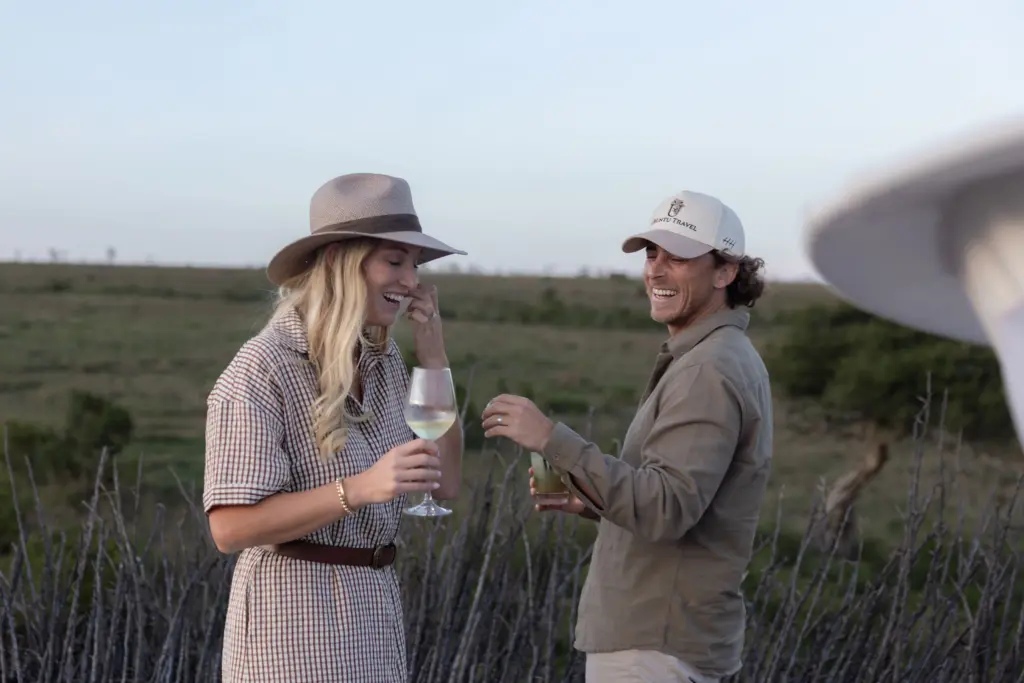
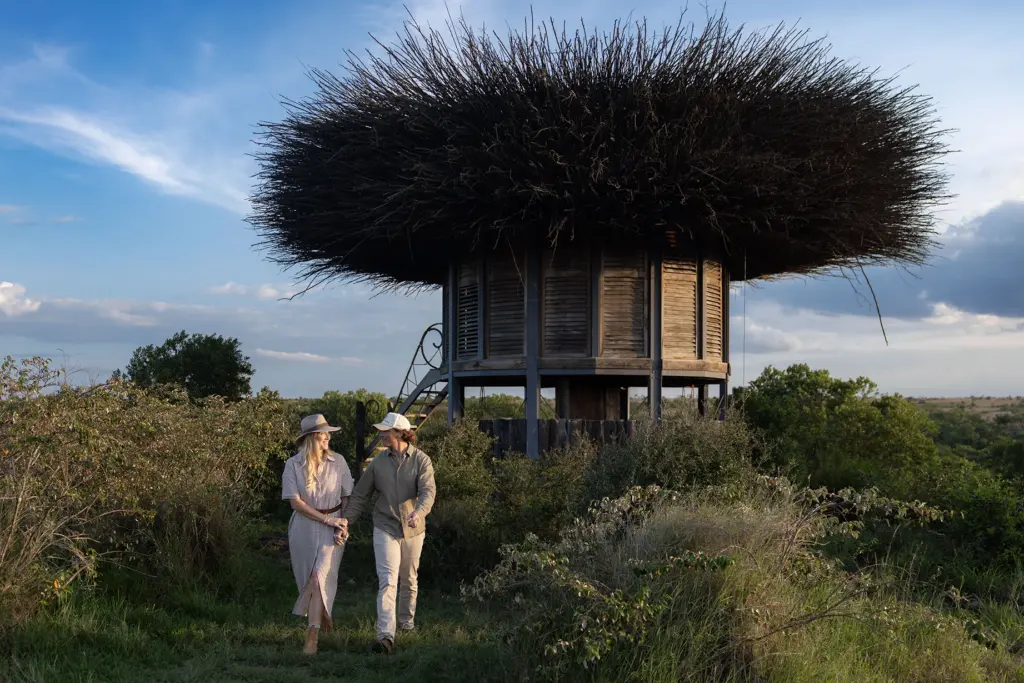
Above Image: Co-founders, Kyle and Leah Green, enjoying a sundowner at Segera’s Eagles Nest in Laikipia, Northern Kenya
Safari has always been a big part of our story. Some of our favorite memories have been made in Africa, and those experiences played a huge role in inspiring us to start Ubuntu Travel.
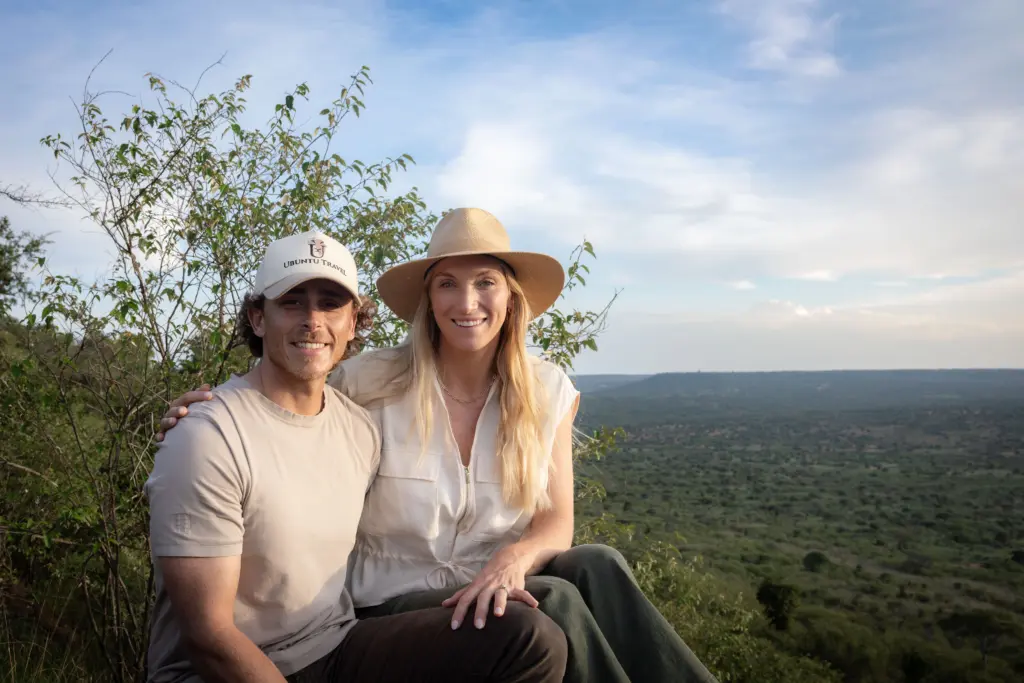
Above Image: Have you met Co-Founders, Kyle and Leah Green? This is their story of re-visiting Kenya together.
Africa also seems to have a habit of marking major moments in our lives. On the very last day of this trip, while staying at Cottar’s in the Masai Mara, we discovered Leah was pregnant with our third child. Remarkably, we found out we were expecting each of our children while on safari. So there was something special about returning to Kenya, exploring the country in greater depth, and experiencing several regions that had long been on our list.
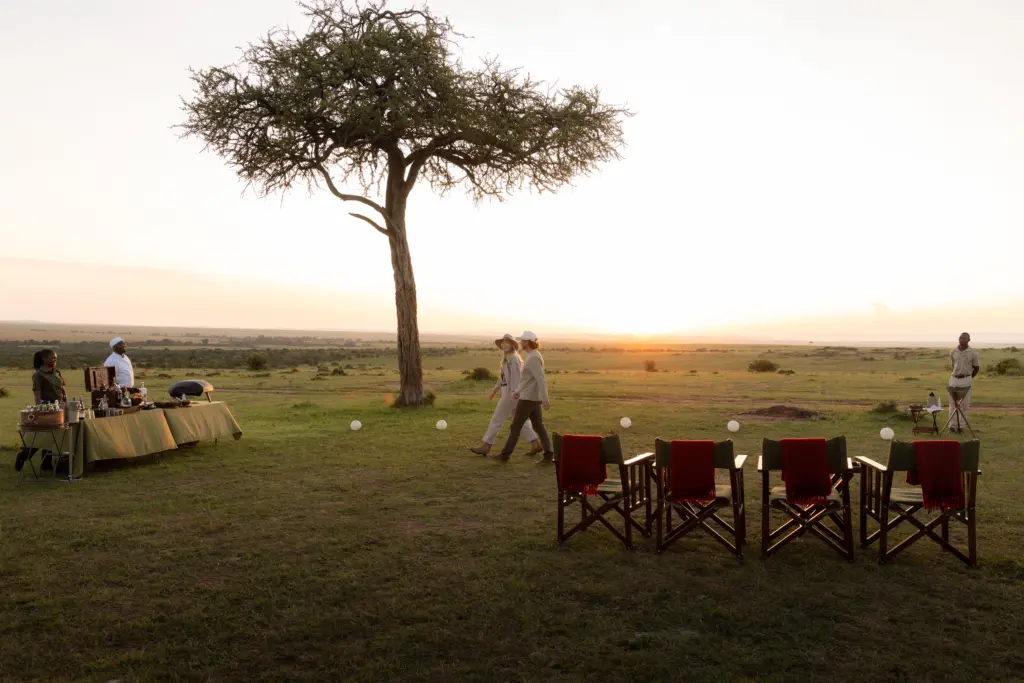
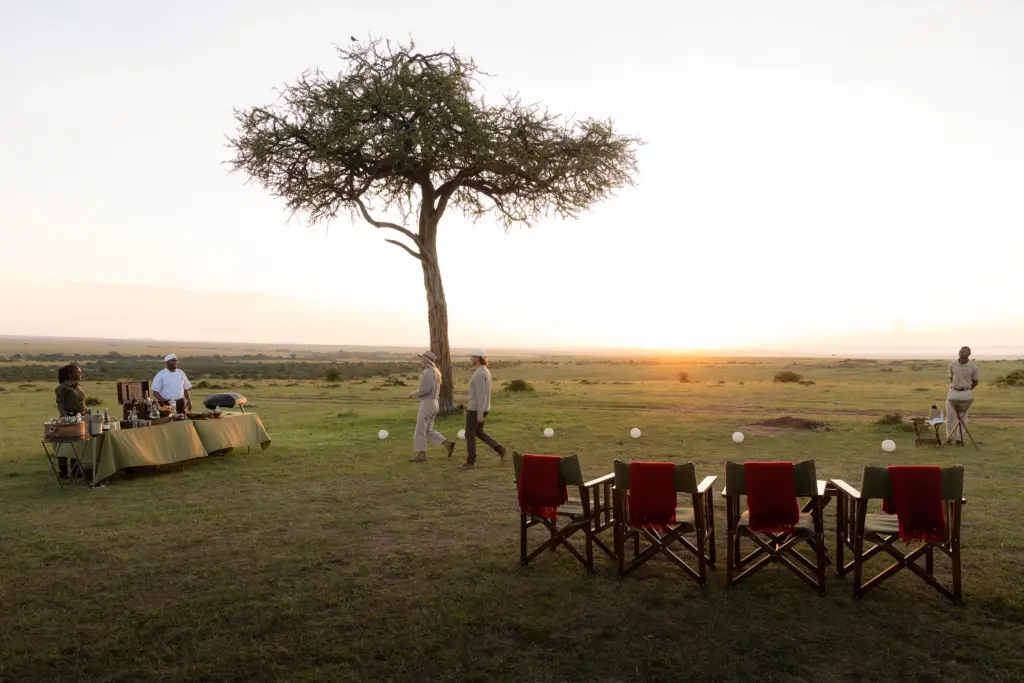
Above image: An amazing pizza sundowner at Ishara Mara, Masai Mara, Kenya
However, Kenya exceeded our expectations in ways we hadn’t anticipated. The country has incredible diversity—different landscapes, encounters with wild animals, safari experiences and conservation stories all within a single journey.
In this article, we’ll share the itinerary we followed, the camps and conservancies that stood out most, and the experiences that changed the way we think about Kenya as a safari destination.
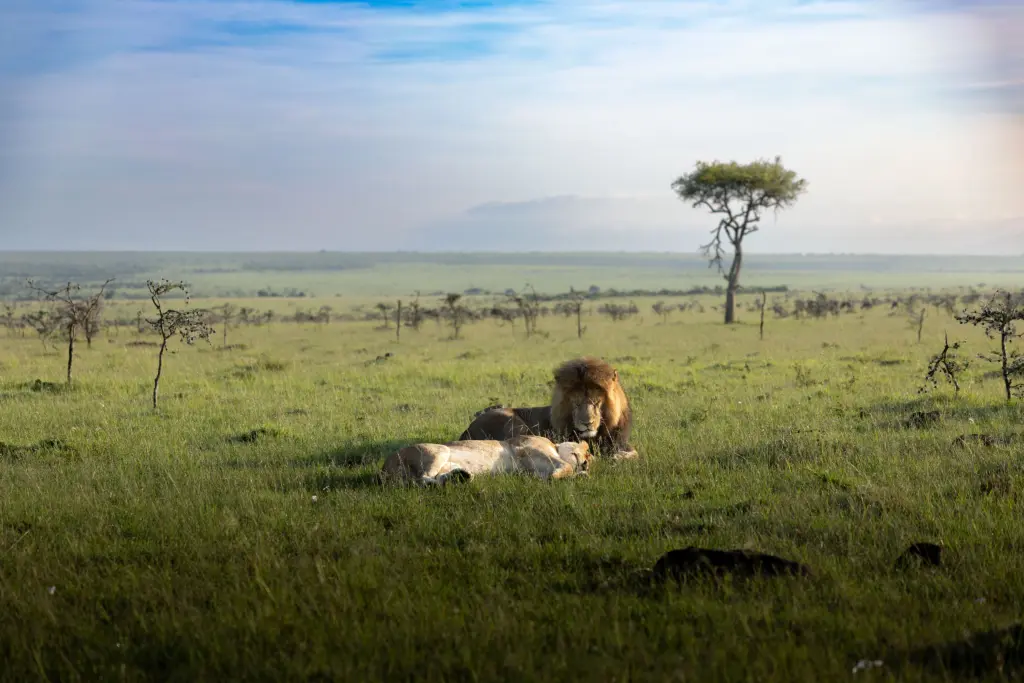
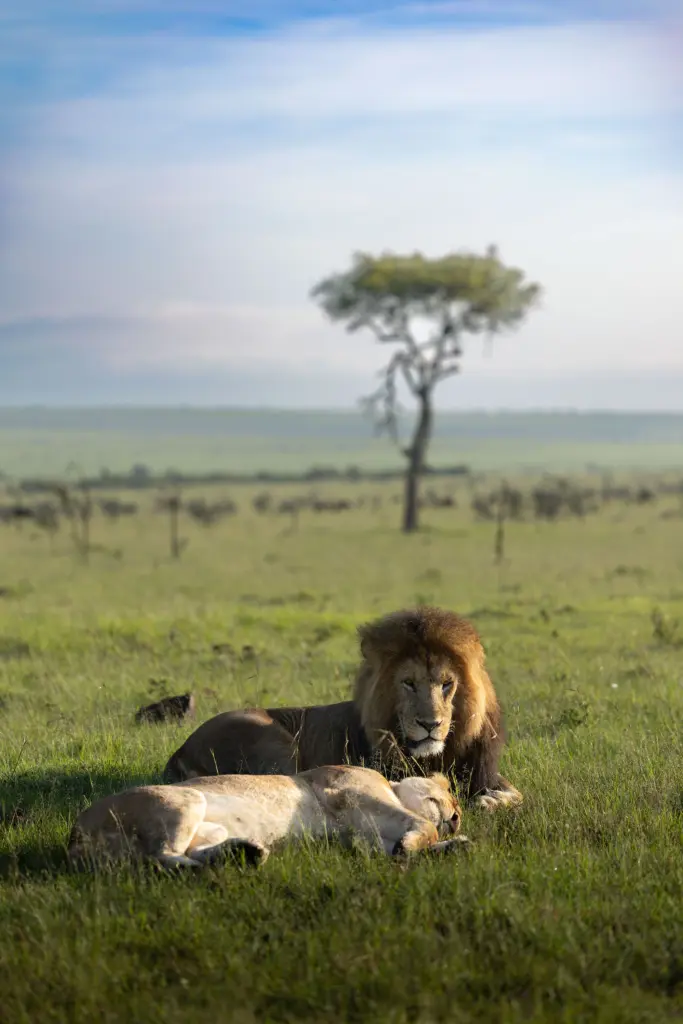
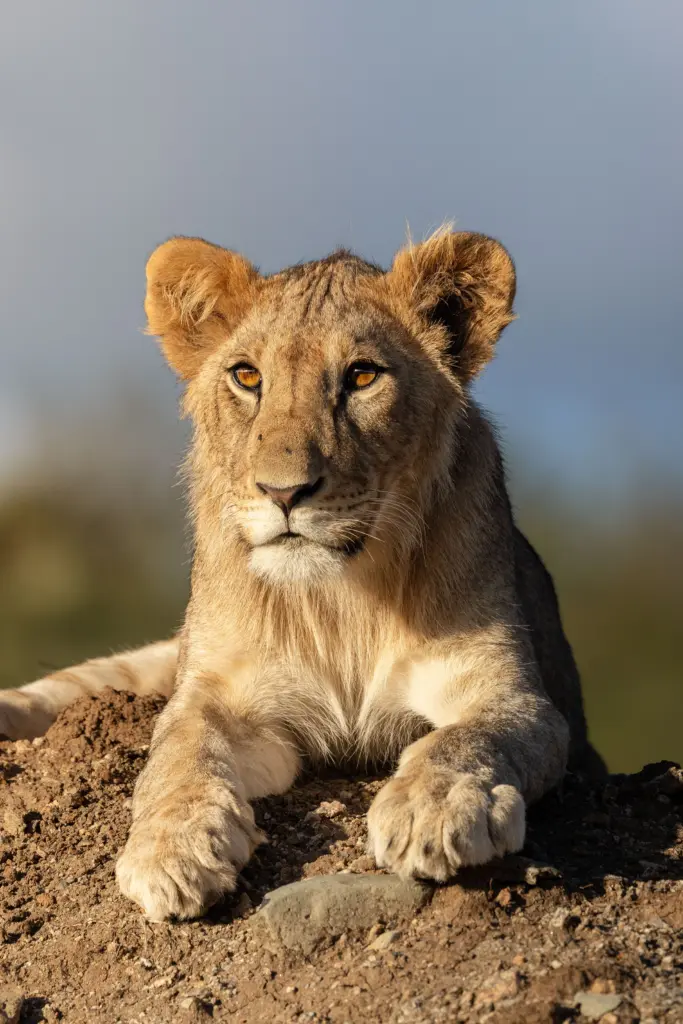
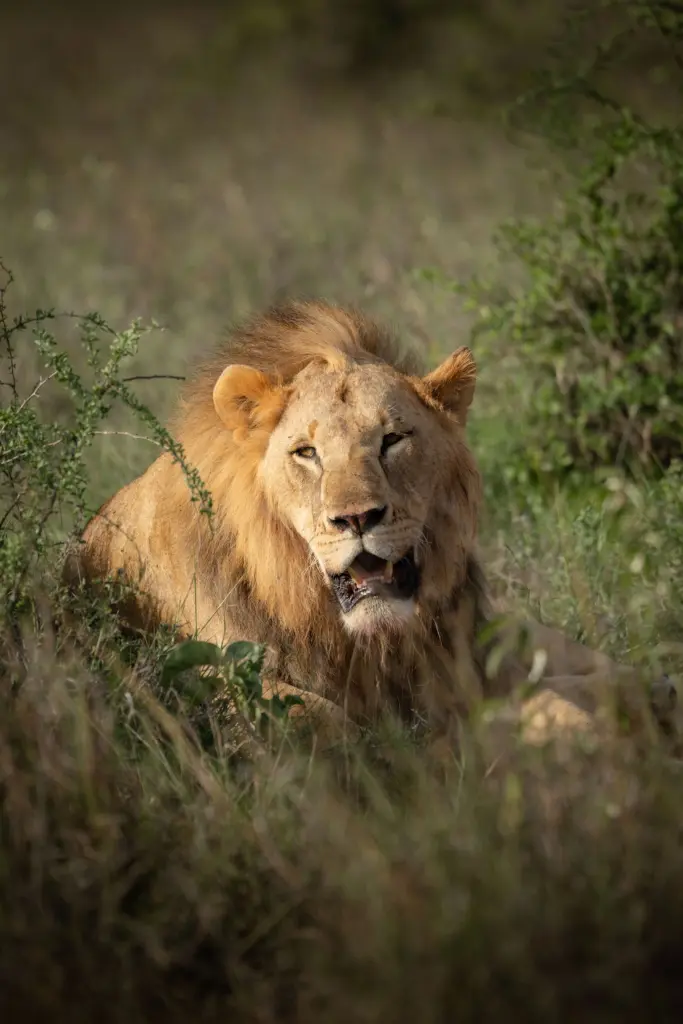
Above Image: Male and female lions resting in the Masai Mara with resident wildebeest in the background.
Our Kenya Safari Itinerary
Before we begin, let’s take a quick look at the places we visited and what stood out about each.
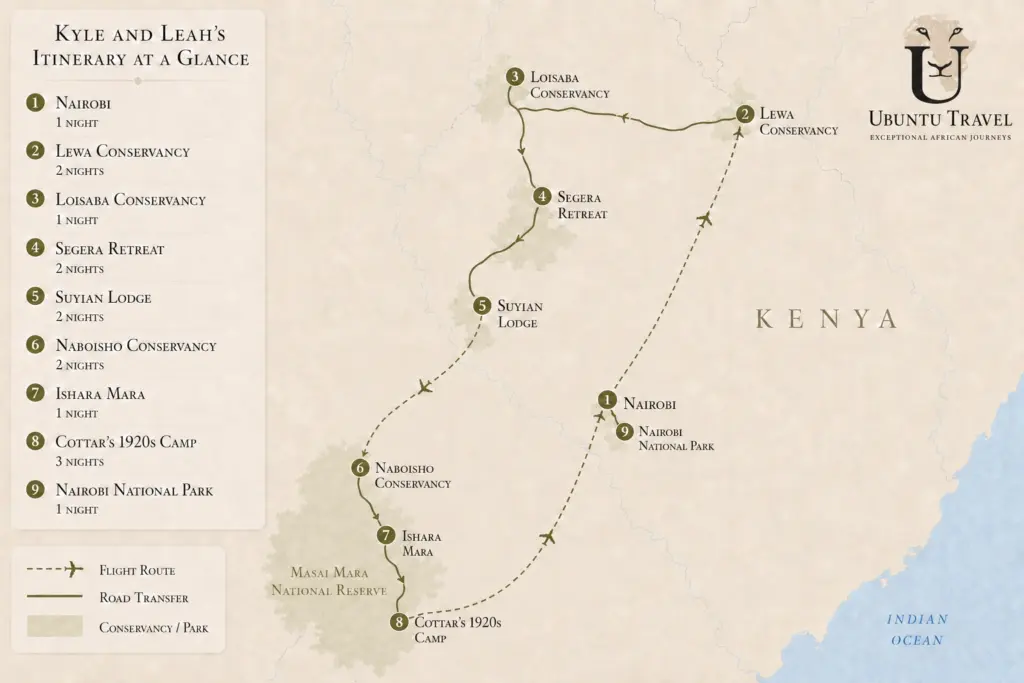
Above Map Illustration: This is an illustration to help show the safari destinations. It is not to scale and therefore accuracy is compromised.
We flew into Kenya’s capital, Nairobi, before visiting several conservancies in the Laikipia region, then traveling south to the Masai Mara, where we split our time between a handful of camps and conservancies.
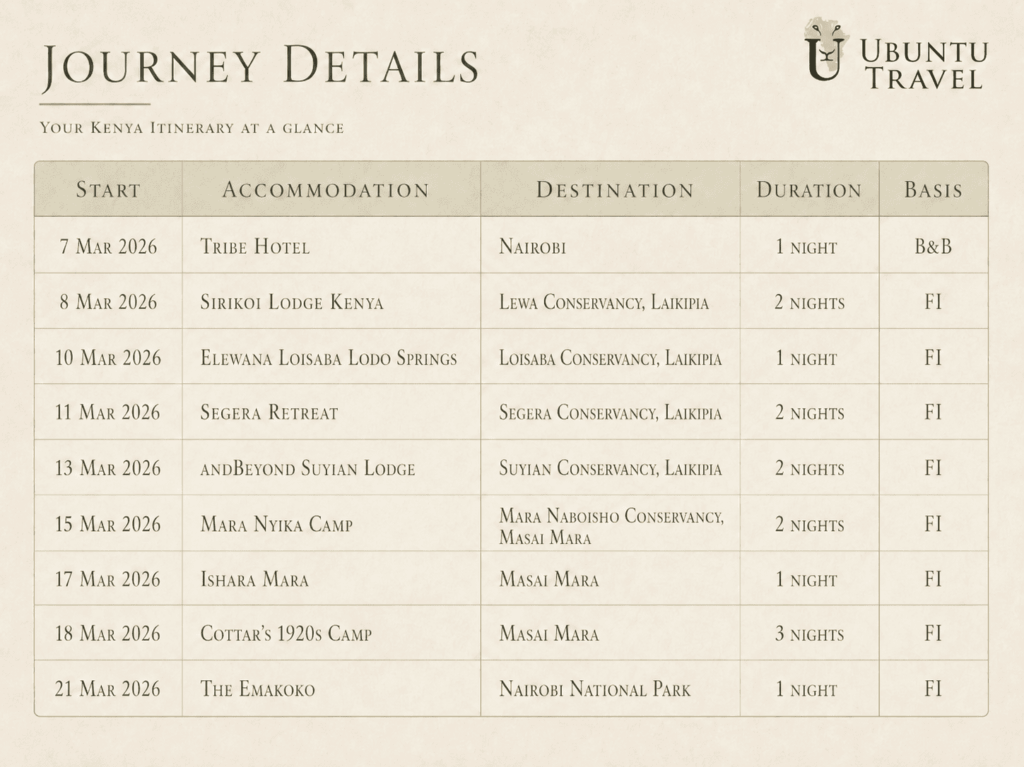
Above Illustration: This would not be a typical itinerary, as we were aiming to view as much as possible. we wanted to show you where we went in our 2026 trip to Kenya.
Exploring Kenya Beyond the Migration
When many travelers think about Kenya, they think about the Masai Mara. And for good reason—the Mara is one of Africa’s great safari destinations, home to incredible wildlife viewing and the world-famous annual wildebeest migration. It deserves every bit of its reputation.
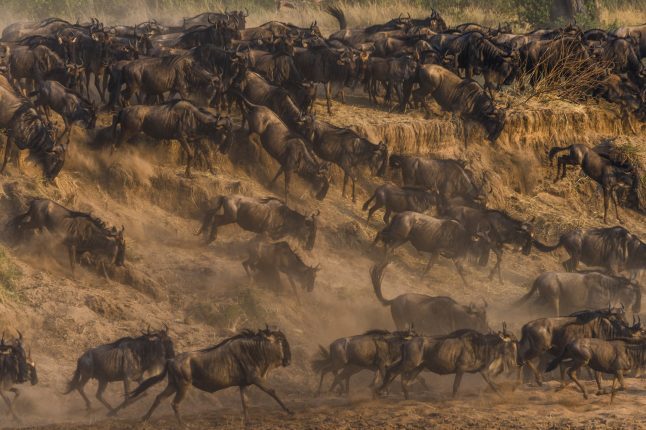
Above Image: Typically the Great Migration in Kenya’s Masai Mara can be witnessed between the July–October migration season
We wanted to understand what a Kenya safari looked like outside the July–October migration season. We also wanted to explore beyond the Masai Mara and see what other experiences are available to travelers. That led us to visit in March and spend time in Laikipia, a lesser-known safari region that has become one of Kenya’s most exciting destinations for conservation, wildlife, and diverse safari experiences.
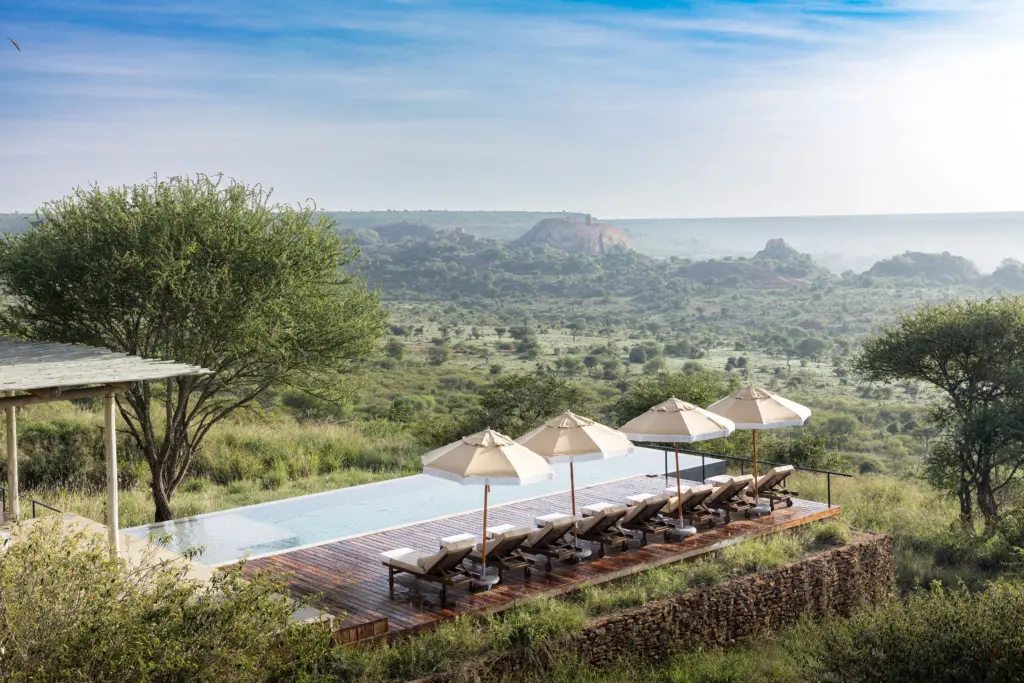
Above image: andBeyond’s award winning lodge Suyian in the Laikipia region, Kenya
Over the course of the trip, we found ourselves moving through landscapes that felt completely different from one another. A short bush flight could take us from rolling hills dotted with rhino to red-earth wilderness, dramatic escarpments, rocky plateaus, and wide-open grasslands.
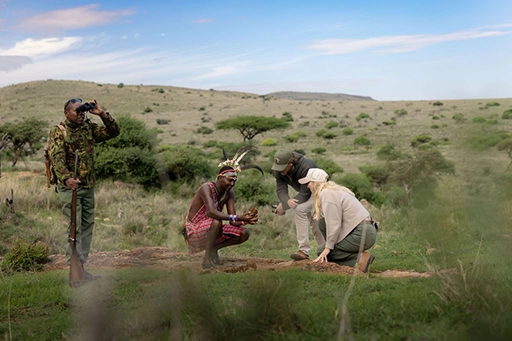
One morning, we were watching rhinos in Lewa. A few days later, we were exploring vast wilderness areas known for their black leopard sightings. Then we watched lions move across the vast plains of the Mara.
The diversity was remarkable.
Tailor-Made Safaris
Ready to plan your Luxury Safari to Africa?
Luxury safaris should feel personal from the very first conversation. Now let’s design the right way to experience it.
Your Journey Starts Here
In the past, we’ve often paired Kenya with Tanzania when designing East African itineraries. It’s a combination we still love.
But this journey reminded us that Kenya has more than enough depth, variety and world-class safari experiences to stand on its own.
In many ways, it felt like several different destinations wrapped into one seamless journey.
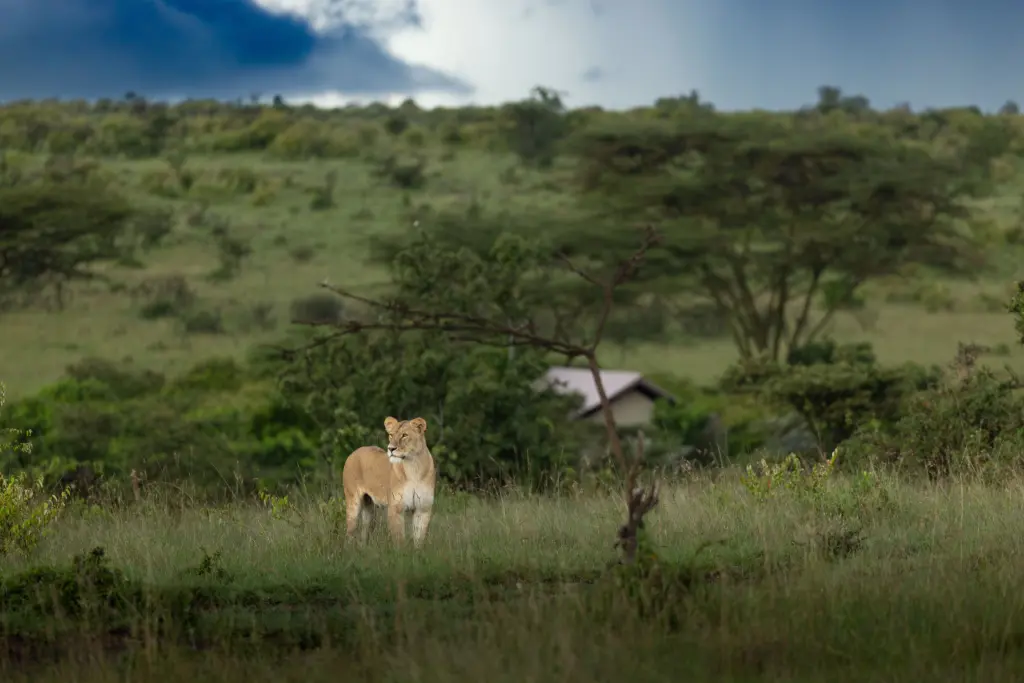
Laikipia Revealed A Different Side of Kenya
If there was one region that completely exceeded our expectations, it was Laikipia Plateau, a vast wildlife-rich plateau in central Kenya that offers a very different safari experience to Kenya’s more famous national parks. The area combines outstanding game densities with a sense of exclusivity and flexibility that is difficult to find elsewhere in East Africa.
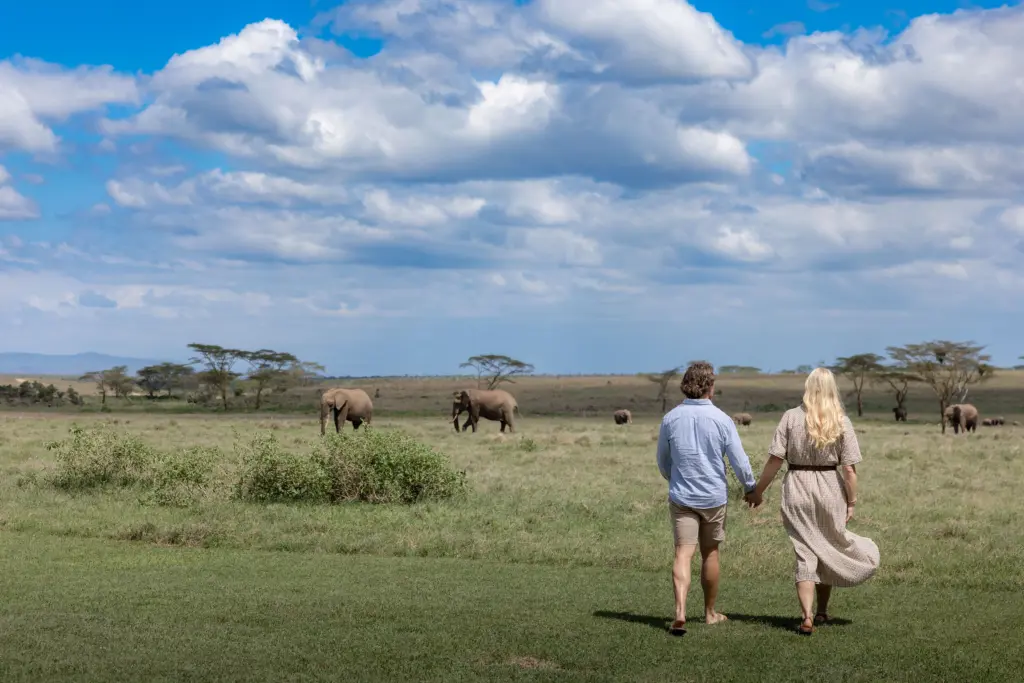
Above Image: Co-founders, Kyle and Leah, looking at elephant in front of Segera Lodge in Laikipia, Kenya
Lewa Conservancy
Our journey began in Lewa Wildlife Conservancy, on the slopes of Mount Kenya. The cooler temperatures, sweeping views and abundance of wildlife immediately gave the area a very different feel from the Kenya many travelers imagine.
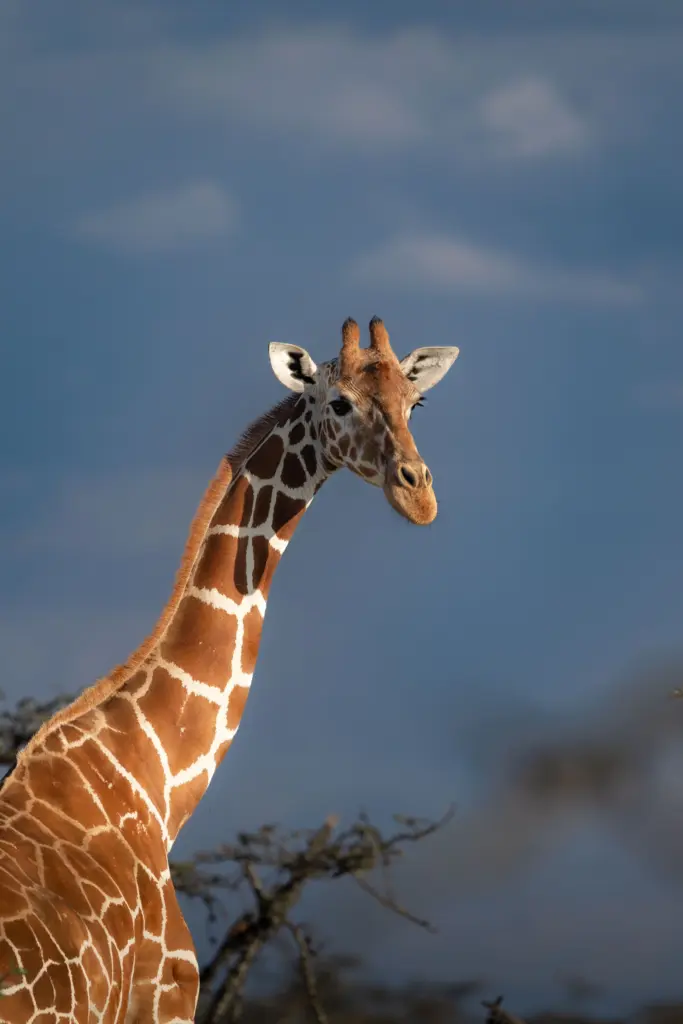
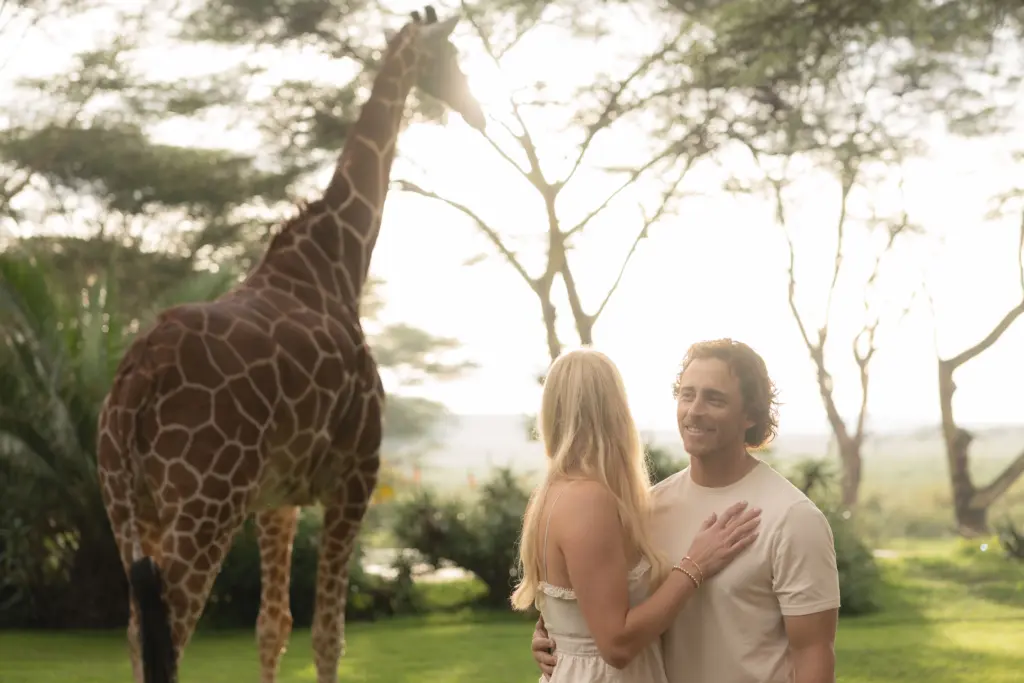 Above Image: Kyle and Leah respectfully watching a reticulated giraffe move through Sirikoi Lodge, Laikipia, Kenya.
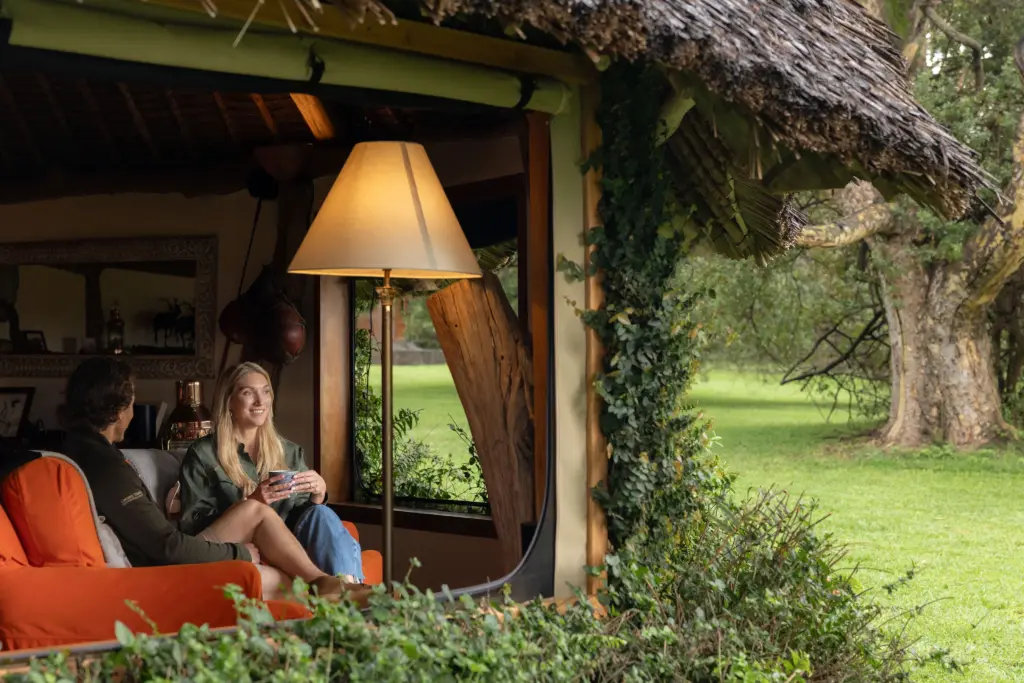
We stayed at Sirikoi Lodge, a welcoming property within Lewa Conservancy. One of the highlights was its garden, where the team grows much of the produce used in the kitchen and experiments with different varieties to keep fresh ingredients available year-round.
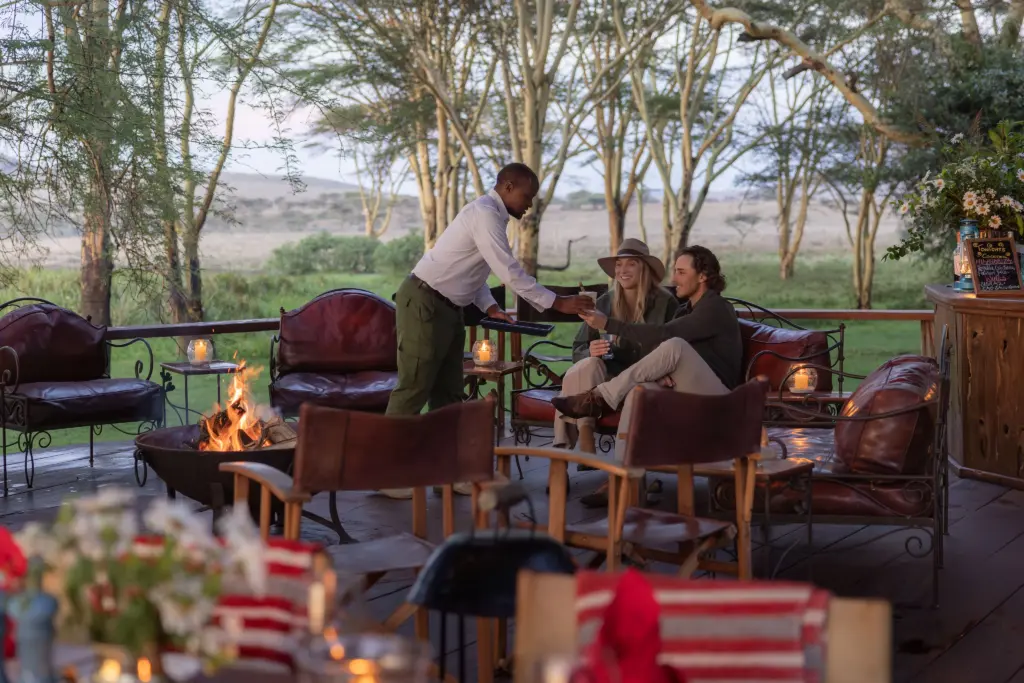
It was fascinating to see what most guests only experience on the plate. Combined with spacious cottages, large open lawns, and a relaxed atmosphere, it felt like a place where families could spend several days.
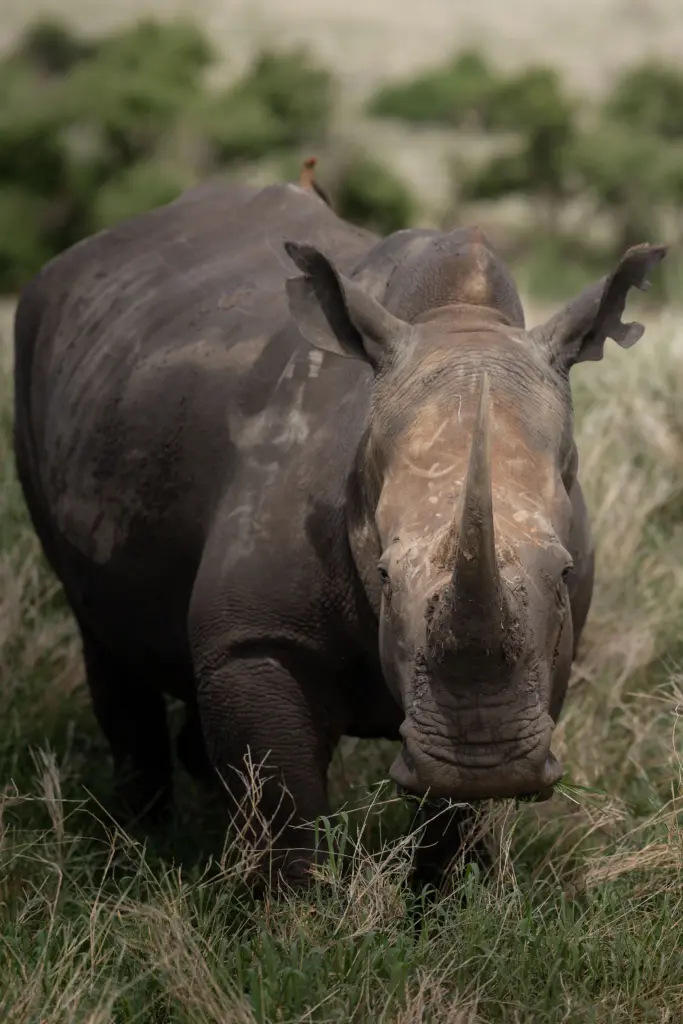
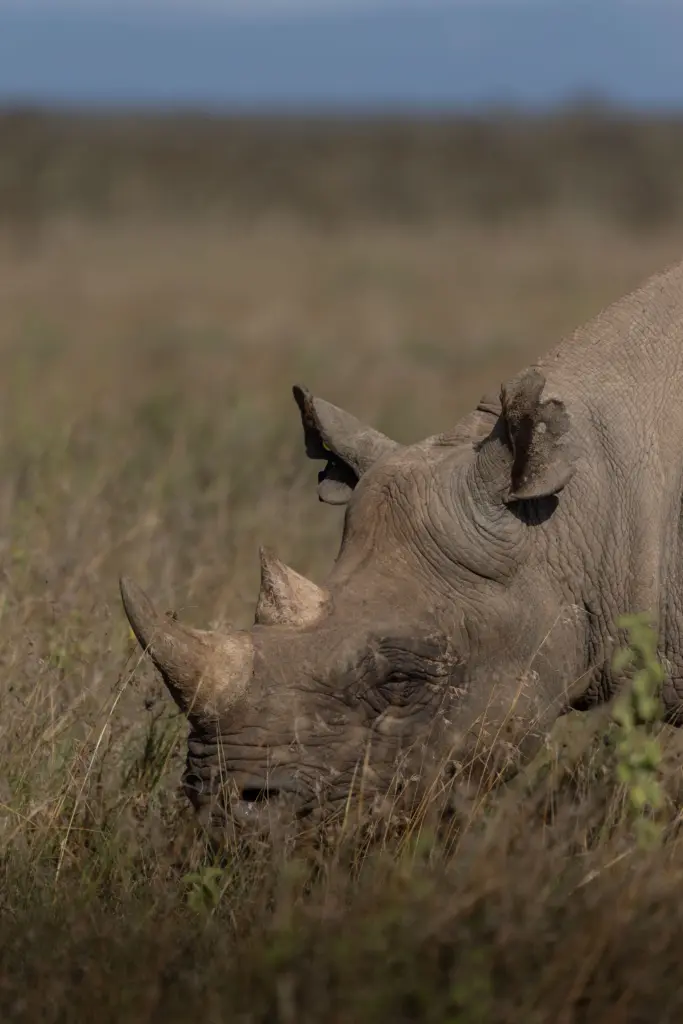
Few safari destinations offer the chance to see rhino as consistently as Lewa. Thanks to decades of work, the conservancy now supports thriving populations of both black and northern white rhinos.
Unfortunately, seeing rhinos like that is no longer possible in many parts of Africa. But at Lewa, there were moments when we looked around and there seemed to be rhinos everywhere. Seeing both black and white rhino with their horns intact is something that’s become increasingly rare in Africa, and it was a powerful reminder of the success of the conservation work taking place there.
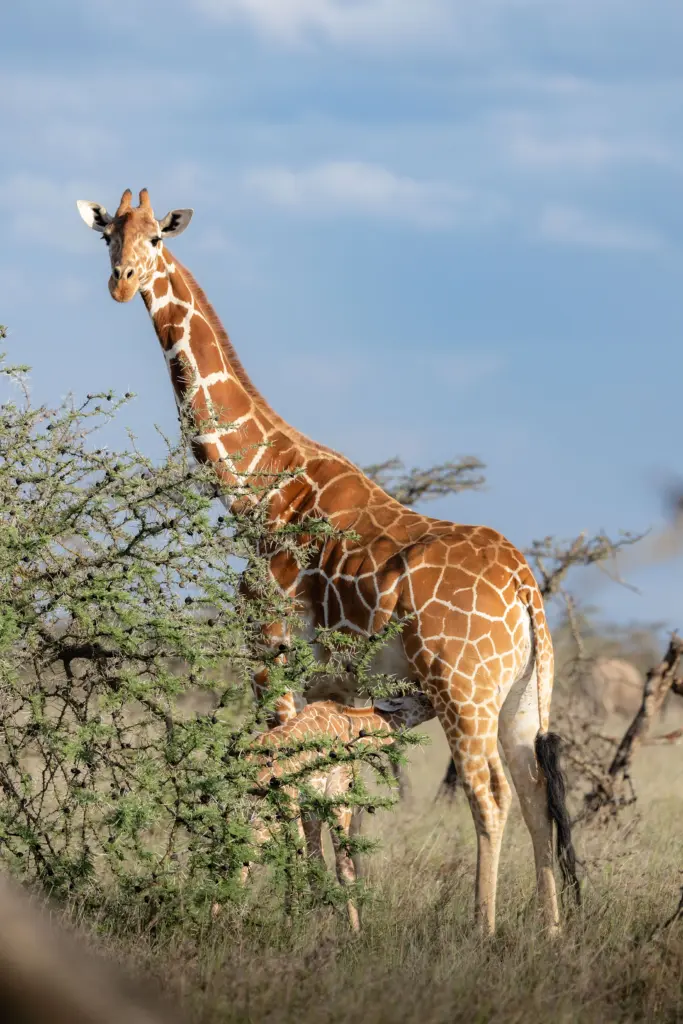
We also saw several species unique to northern Kenya, including reticulated giraffe and Grevy’s zebra. Combined with healthy populations of lion and cheetah, it was a remarkable introduction to the region.
Loisaba Conservancy
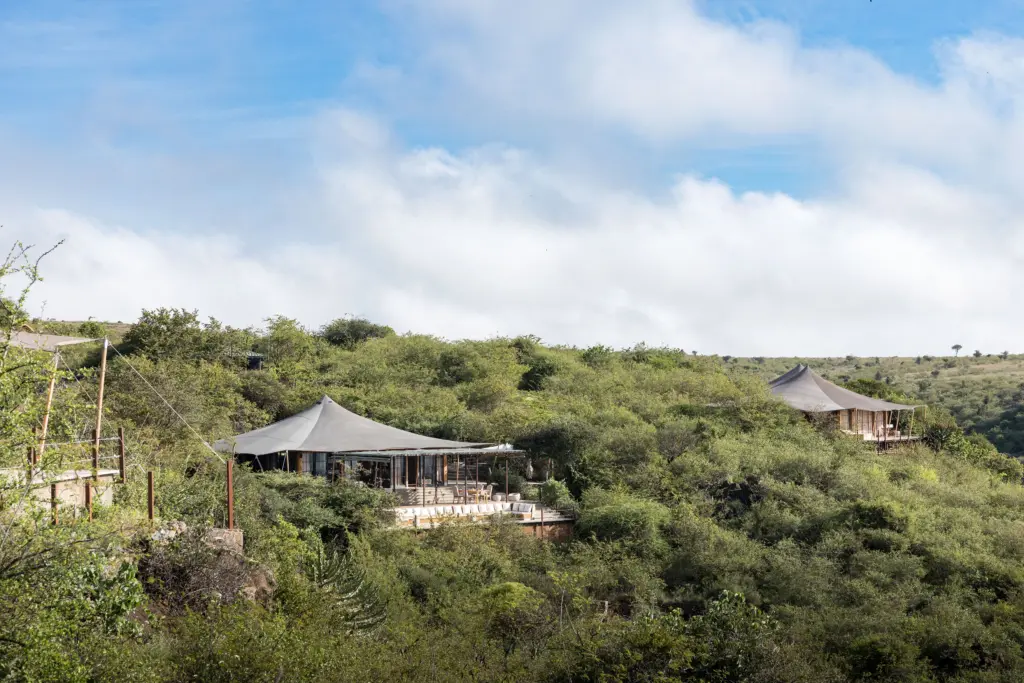
From Lewa, we made our way to Loisaba Conservancy, a vast working conservancy where wildlife, conservation and traditional cattle ranching exist side by side. Although it was only a short flight away, it felt like a completely different world.
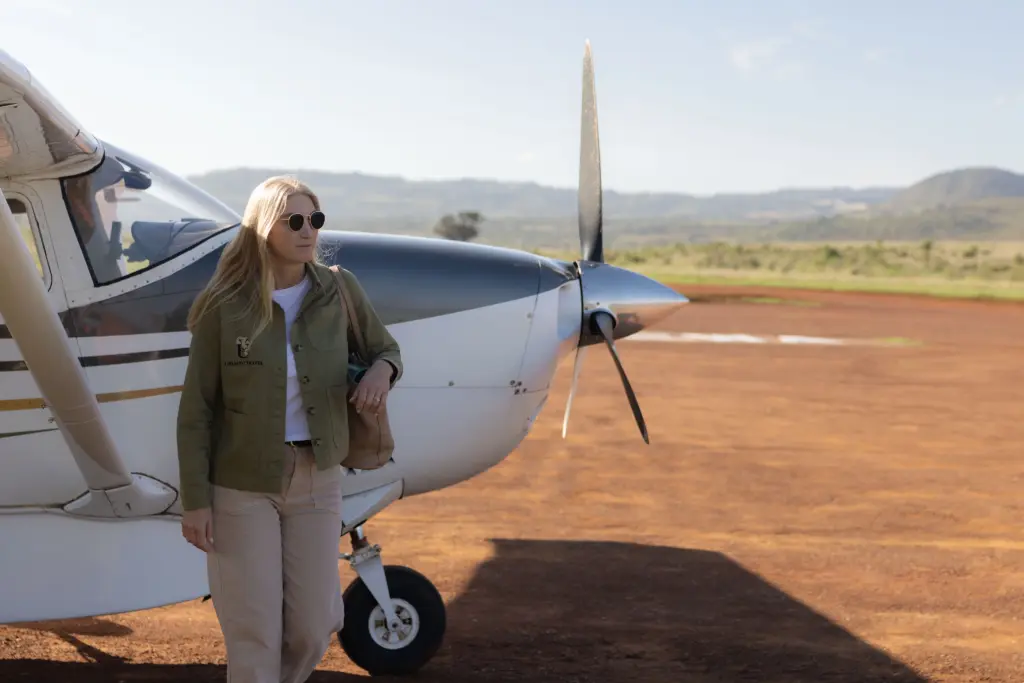
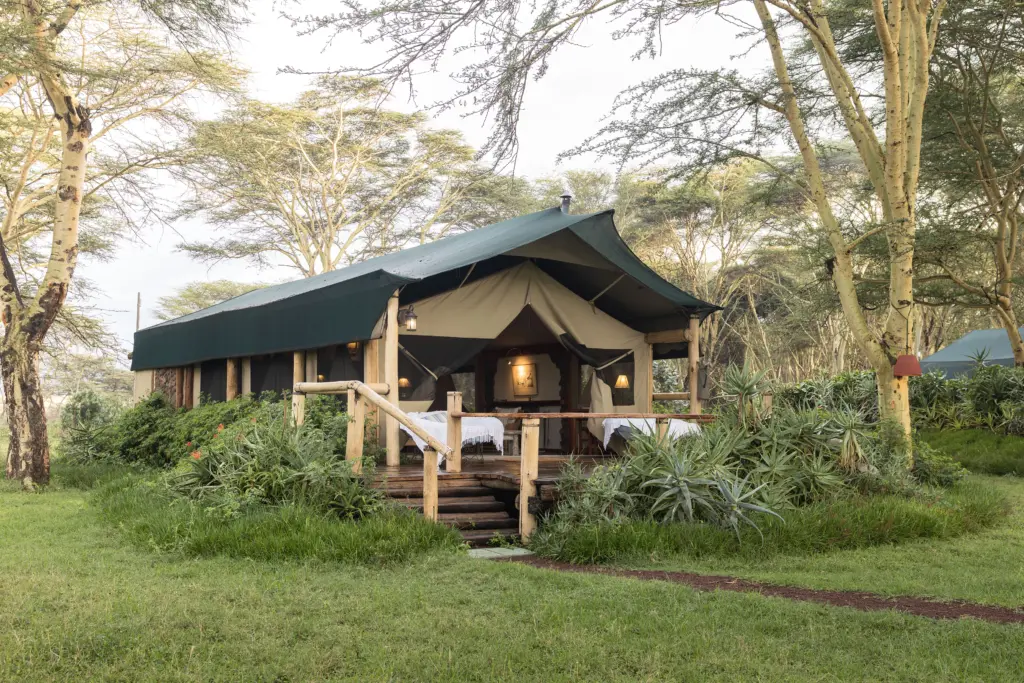
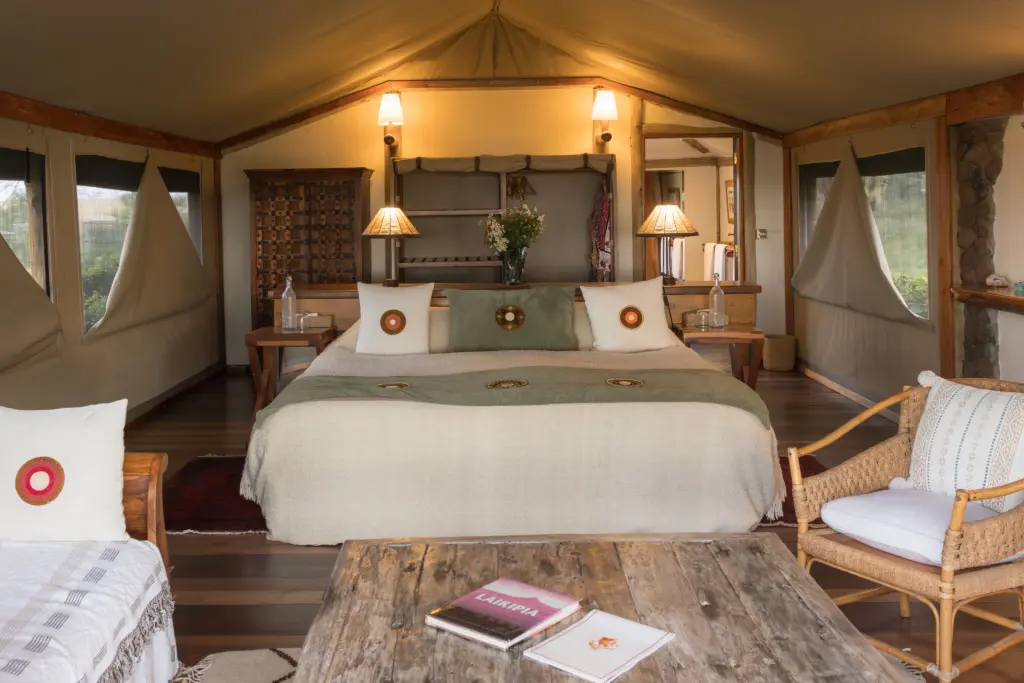
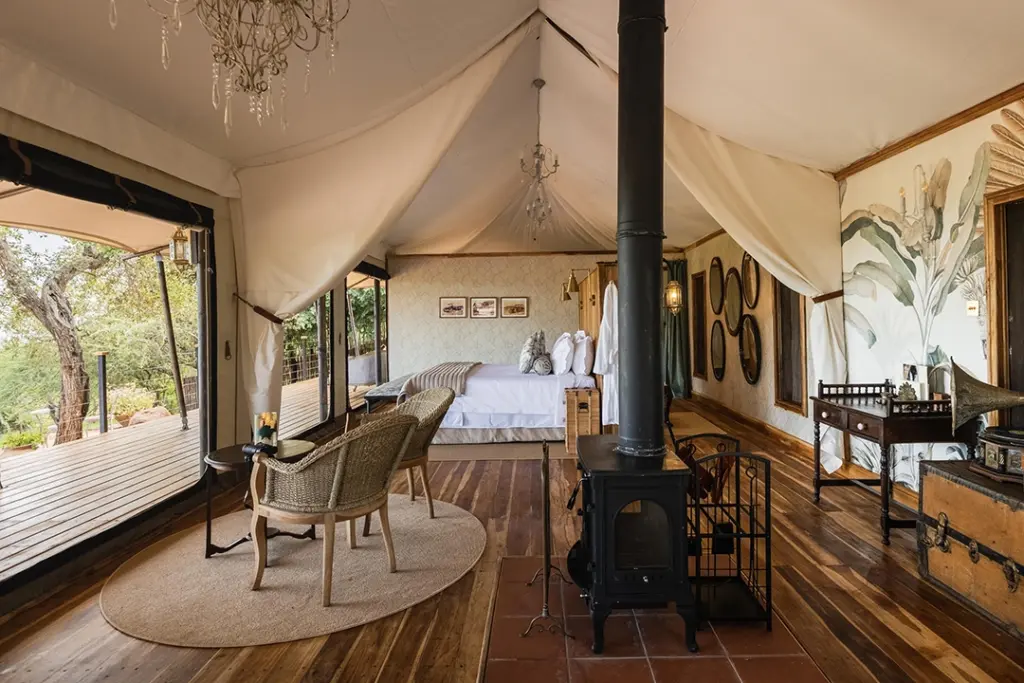
We stayed at Elewana Loisaba Lodo Springs, which is famous for its star beds—open-air sleeping platforms that allow guests to spend the night beneath the African sky.
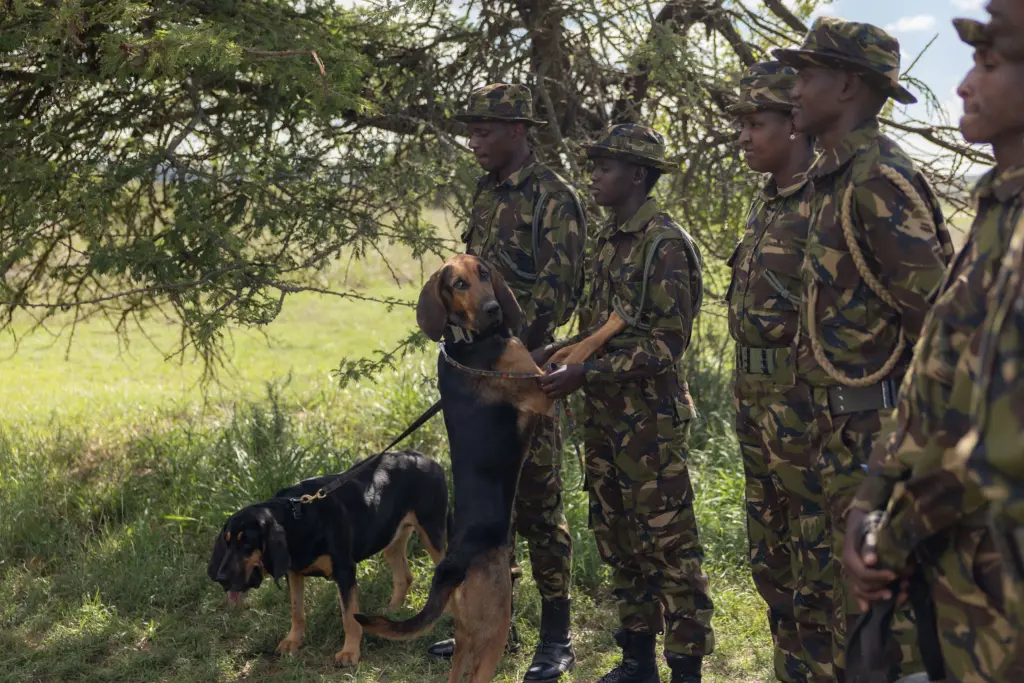
One of the most fascinating experiences at Loisaba was watching tracking dogs at work with the conservancy’s anti-poaching team. During the demonstration, Kyle hid several hundred meters away, and within minutes, the dogs had picked up his scent and tracked him down.
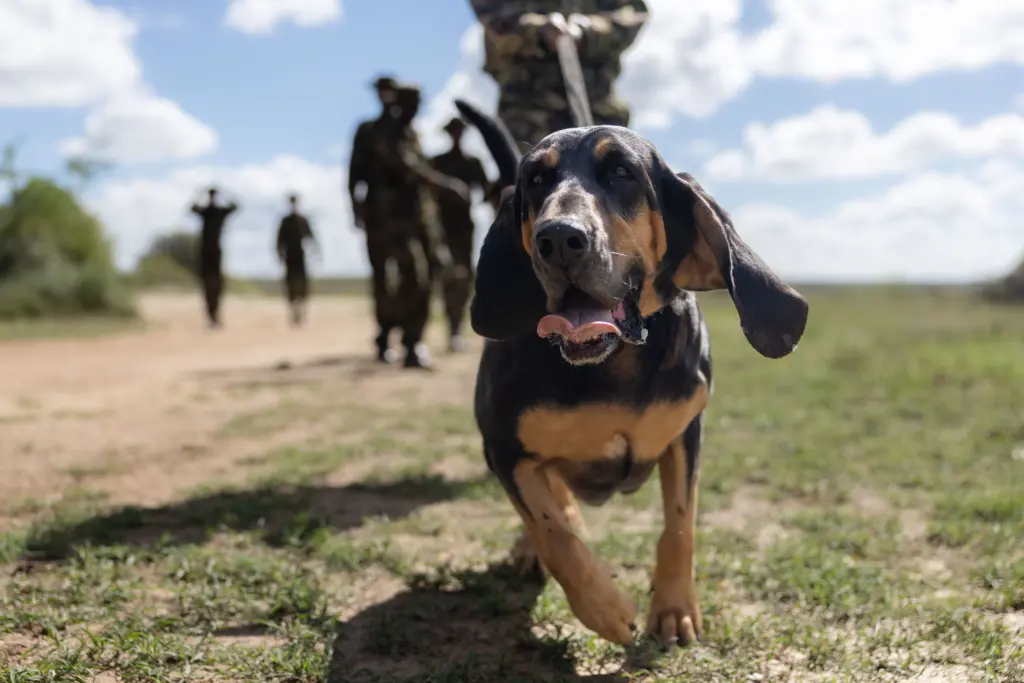
It was a fascinating insight into the work happening behind the scenes to protect wildlife across the region.
We also visited the conservation center, where the team provided a behind-the-scenes look at the work taking place across the conservancy. Learning more about the anti-poaching operation was particularly eye-opening, and Kyle was struck by the sophistication of the technology being used to protect wildlife.
Loisaba was also where we experienced one of the trip’s most memorable sightings—a cheetah and her cub. There were no other vehicles nearby. No rush to move on. We simply sat and watched them for as long as they allowed us to. This intimate experience can be harder to find in some of Africa’s busier safari destinations.
Segera Retreat
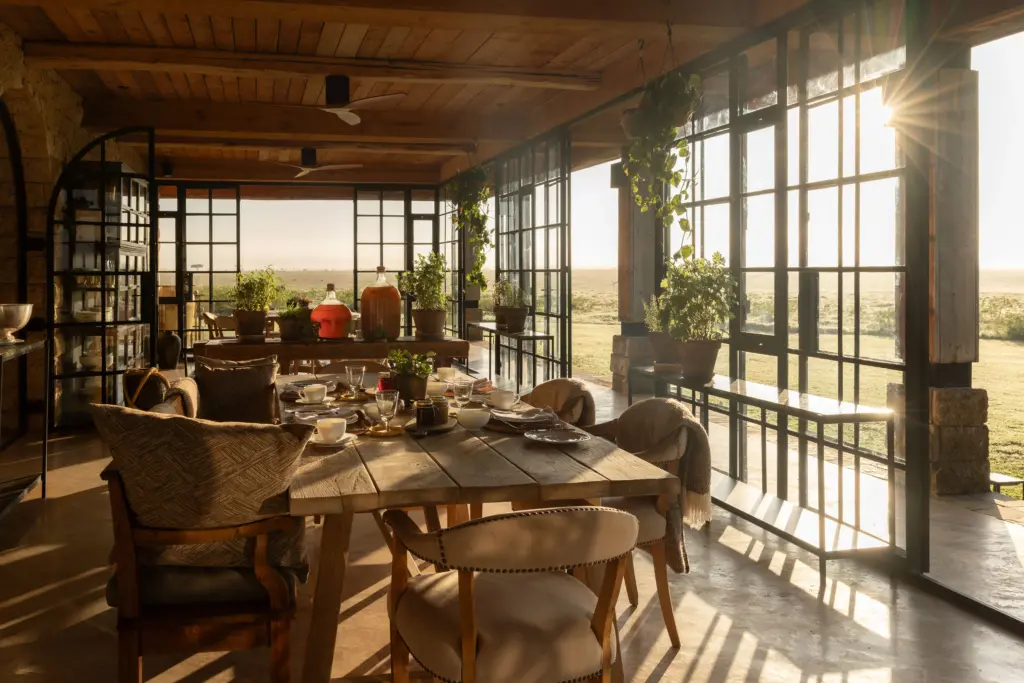
Segera is a 50,000-acre private wildlife conservancy. Here, we stayed at Segera Retreat, a property that combines exceptional wildlife viewing with extraordinary dining and some of the most thoughtful hospitality we’ve encountered in years.
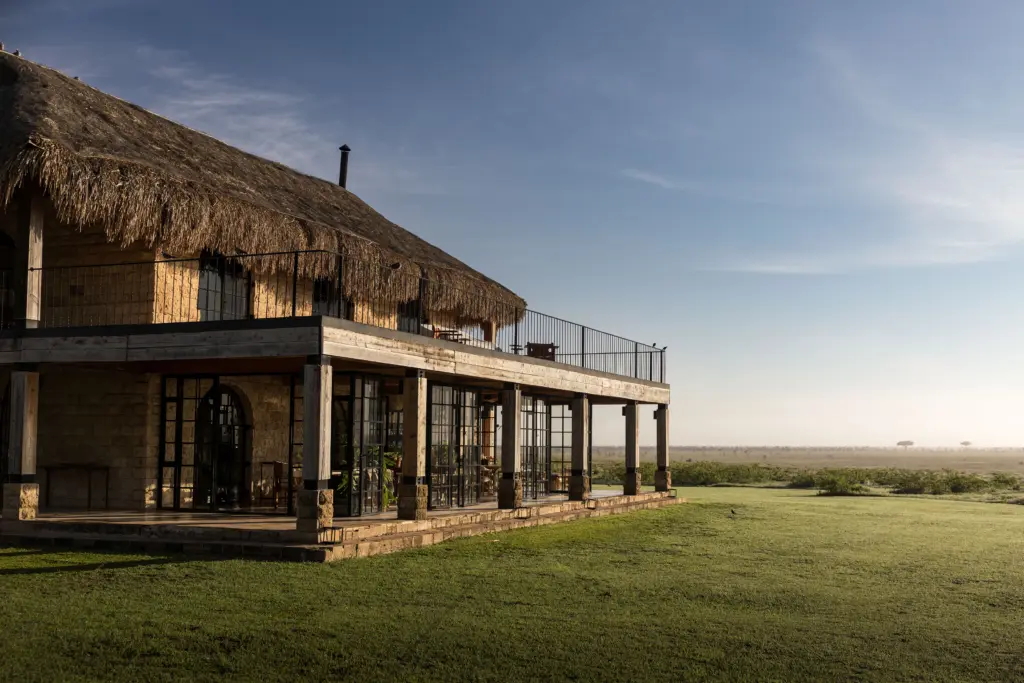
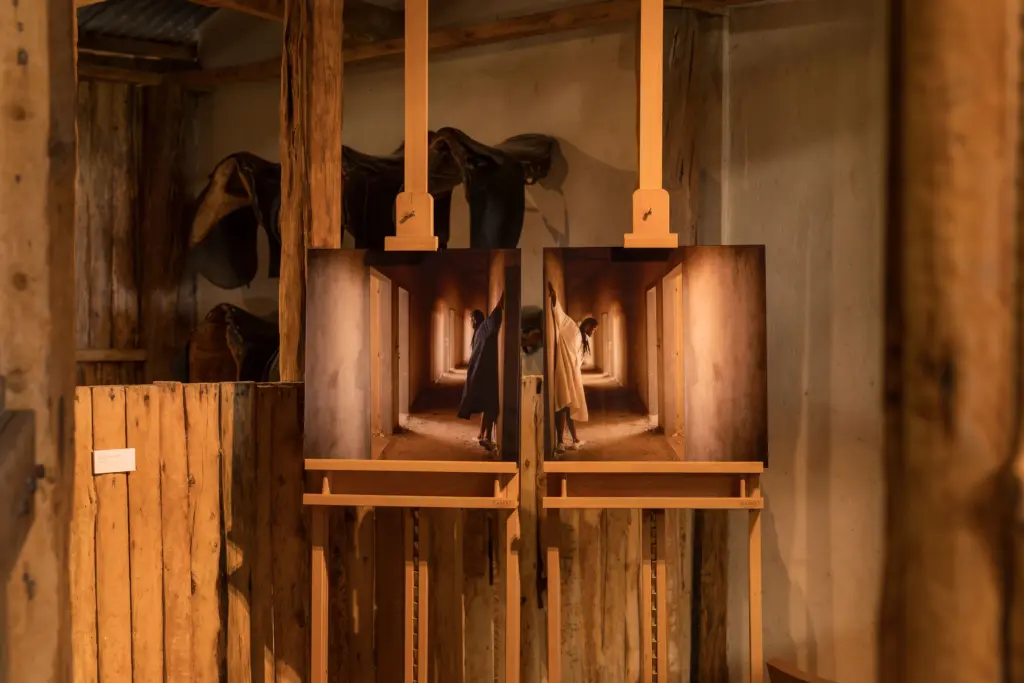
The influence of founder Jochen Zeitz is evident throughout the retreat. Zeitz is also the driving force behind the Zeitz Museum of Contemporary Art Africa in Cape Town, and art has been woven into the fabric of the property, from curated exhibitions and installations to repurposed spaces that showcase work by African artists.
One afternoon, while we were having lunch, a group of elephants walked straight up to the lodge. It wasn’t a game drive sighting or a planned wildlife experience. We were simply sitting down for lunch when they appeared.
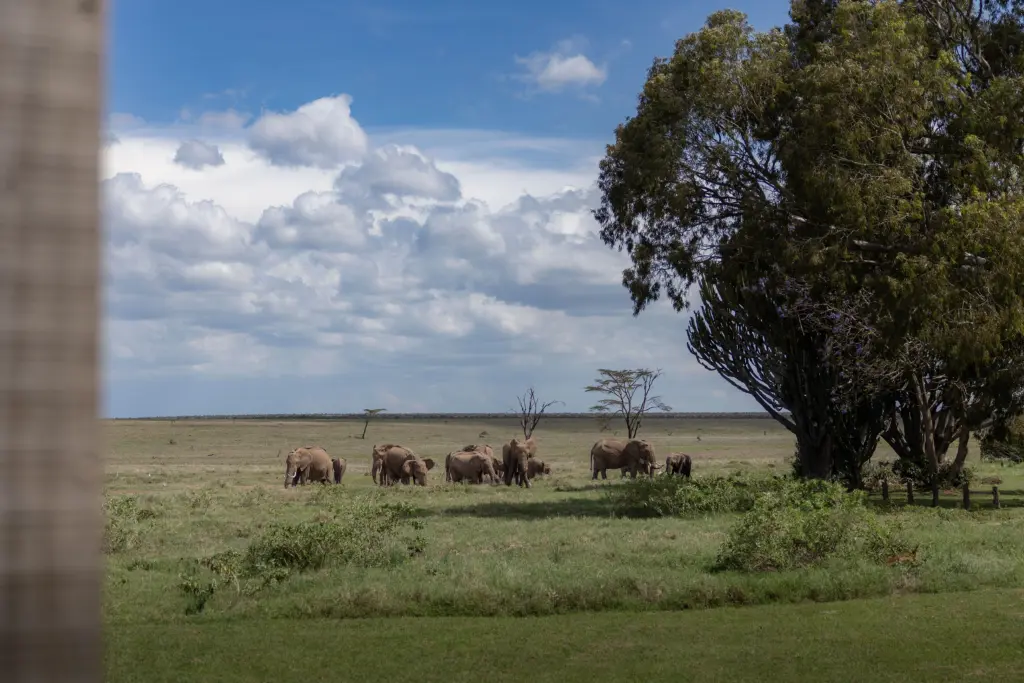
Moments like that became part of Segera’s appeal. Wildlife seems to be an organic part of the guest experience.
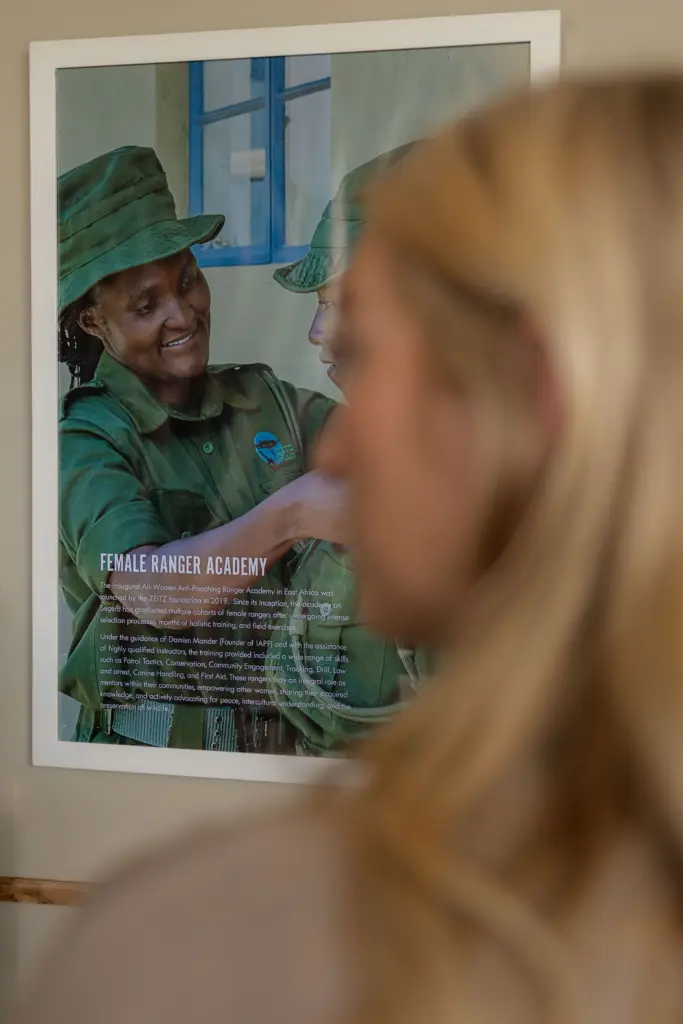
The following morning, we visited Segera’s conservation center, where we learned more about the conservancy’s ambitious conservation initiatives, including its growing rhino sanctuary.
andBeyond Suyian
From a purely visual perspective, Suyian may have produced the biggest wow moments of the entire trip. We stayed at andBeyond Suyian Lodge, which is located in a private concession consisting of 44,000-acre of protected wilderness.
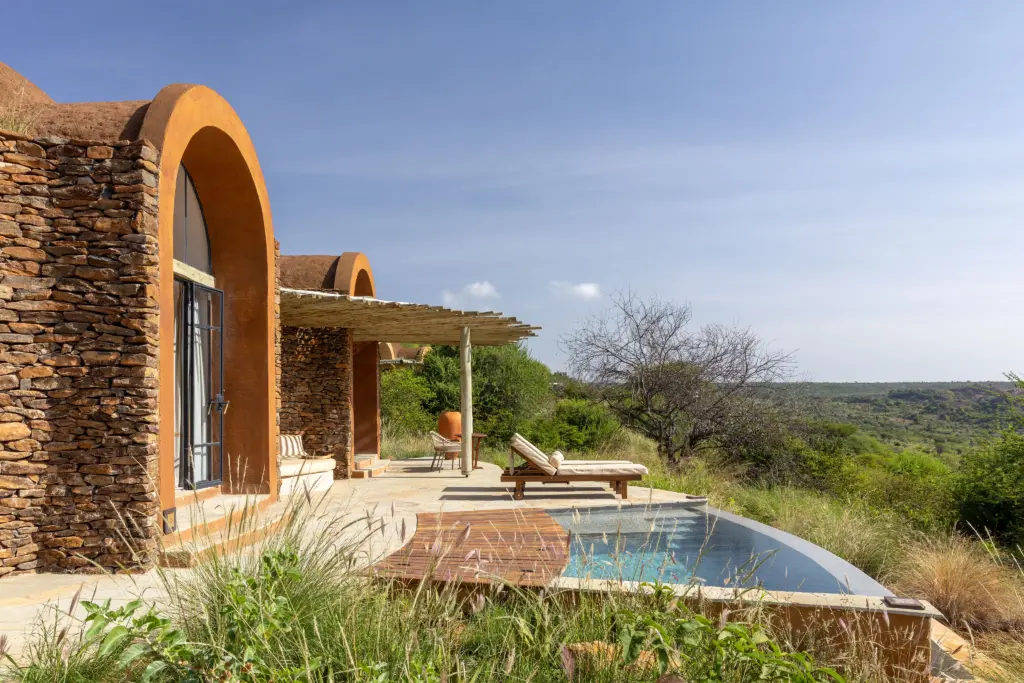
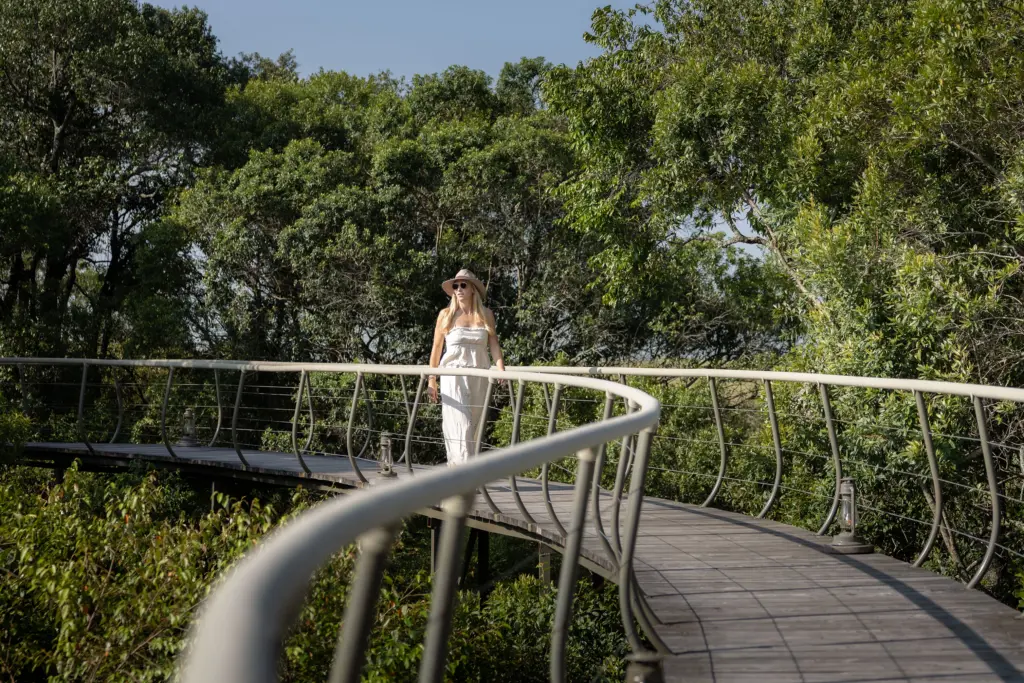
Built high above a dramatic landscape of rocky escarpments, river valleys and enormous boulder formations, it feels immersed in the natural surroundings. Every game drive seemed to reveal another viewpoint that was somehow more spectacular than the last.
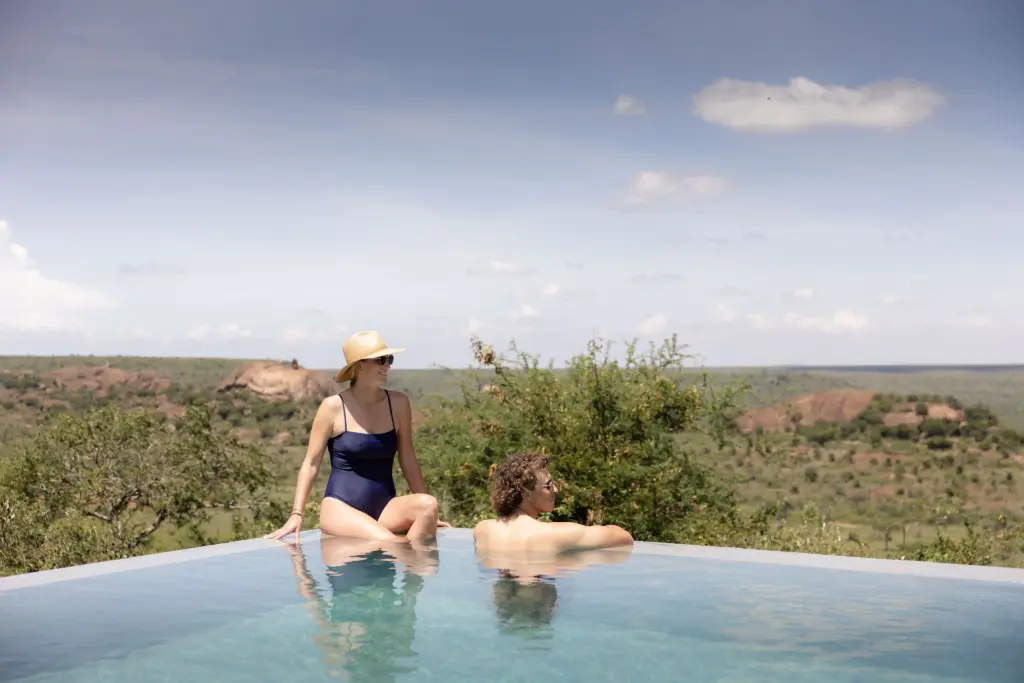
We were fortunate enough to catch a brief glimpse of the area’s famous black leopard, but what stayed with us most was the variety of experiences available there. Horseback riding, hiking, cultural interactions, river picnics, bush walks and even camel experiences were all on offer.
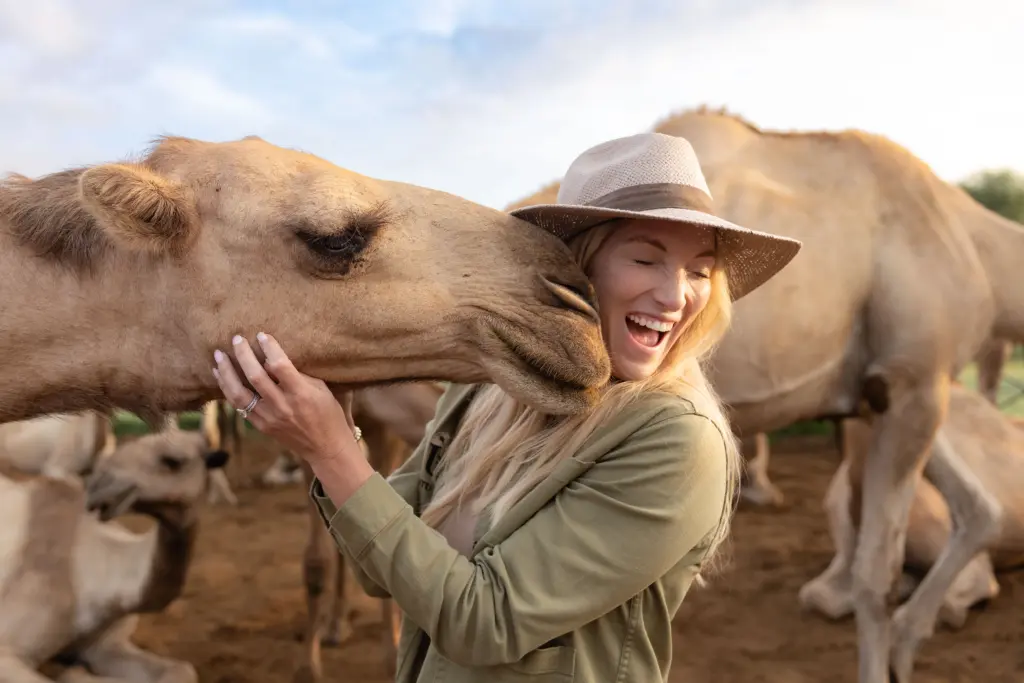
We even had the chance to try camel milking, which turned out to be more fun than either of us expected.
By the time we left Laikipia, one thing had become very clear—this wasn’t a single safari destination. In the space of a few days, we’d experienced diverse landscapes, wildlife encounters, and safari styles—and we realized that there was so much more to this magnificent country.
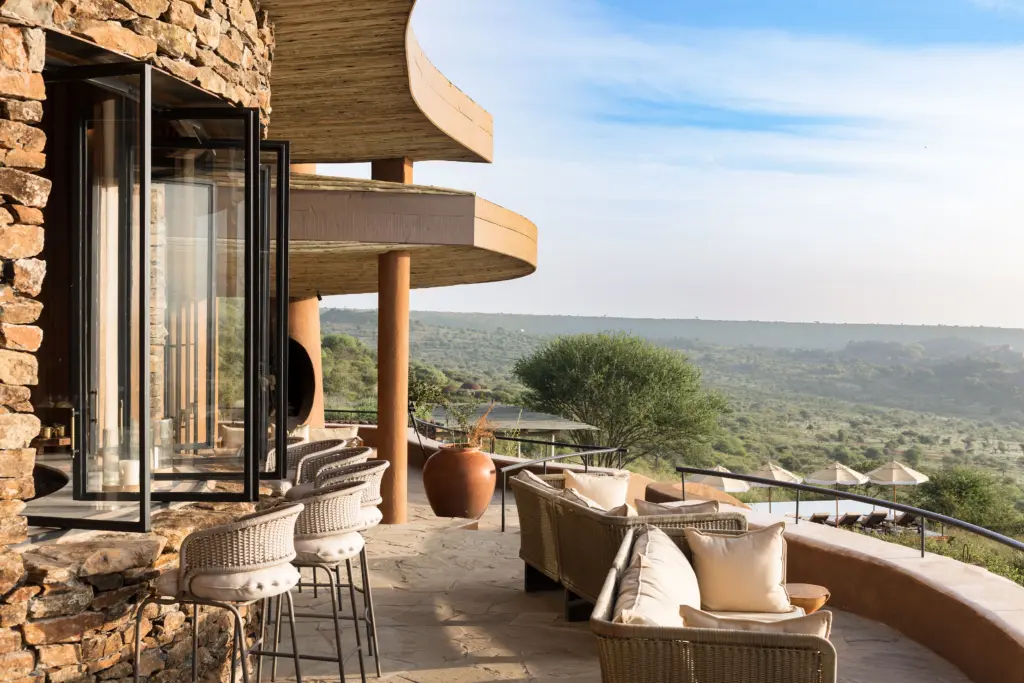
For travelers who already know and love Kenya, spending more time here and traveling more slowly could be a better experience than revisiting the typical tourist hubs of the Mara.
The Masai Mara Still Delivers in March
For all the surprises Laikipia had in store, there was still one destination we were excited to revisit: the Masai Mara.
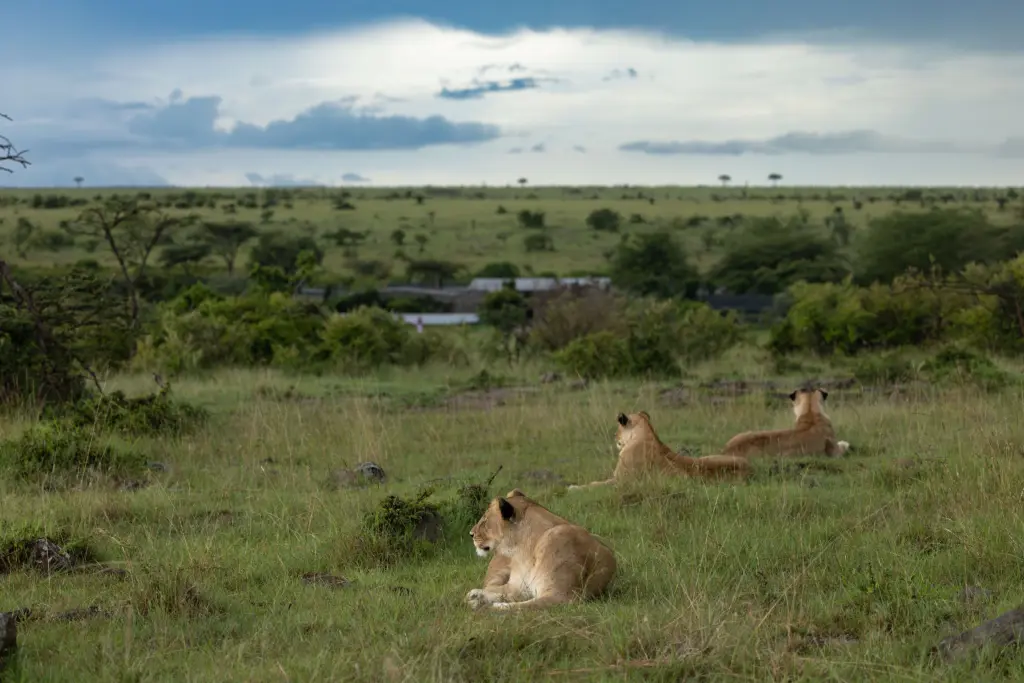
Named after the Mara River and home to the Maasai Mara culture, the region’s wildlife densities are extraordinary and the landscapes are iconic.
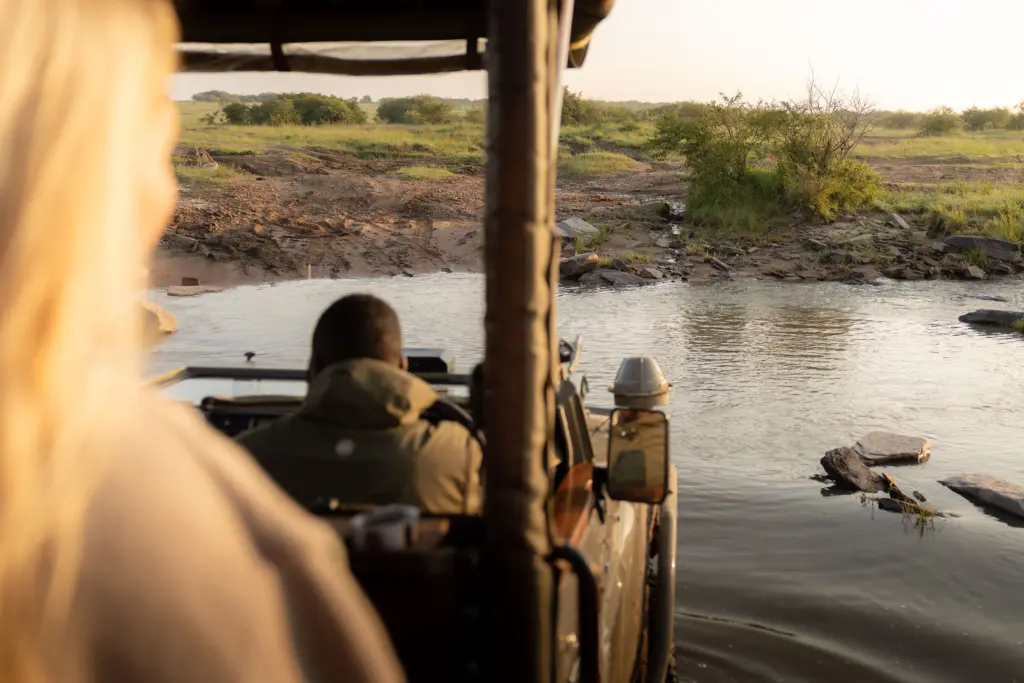
The Mara was already familiar territory for us. We’ve both spent time there before, and it’s one of the reasons many travelers fall in love with Kenya in the first place.
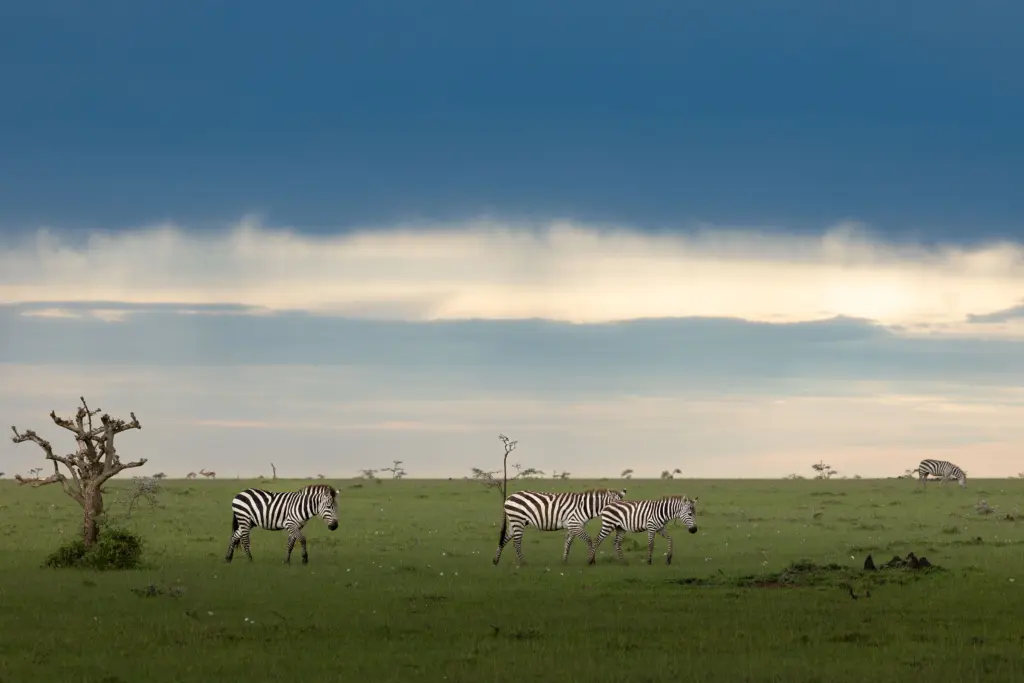
However, as more of our clients look for quieter safari experiences, we wanted to revisit the Mara outside the Great Migration season. March gave us the opportunity to experience the region at a different time of year and confidently share what that experience is really like.
It did not disappoint.
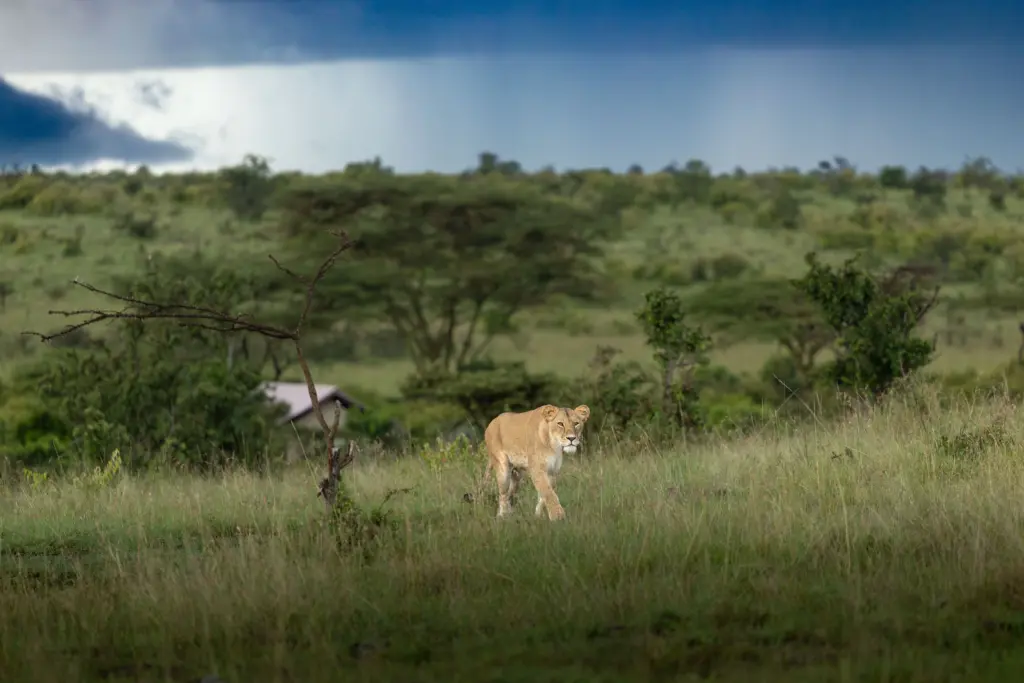
The game viewing was exceptional. Lions, elephants, giraffes and plains game were abundant, and without the seasonal influx of migration visitors, the experience often felt more relaxed than many travelers might expect from Kenya’s most famous safari destination.
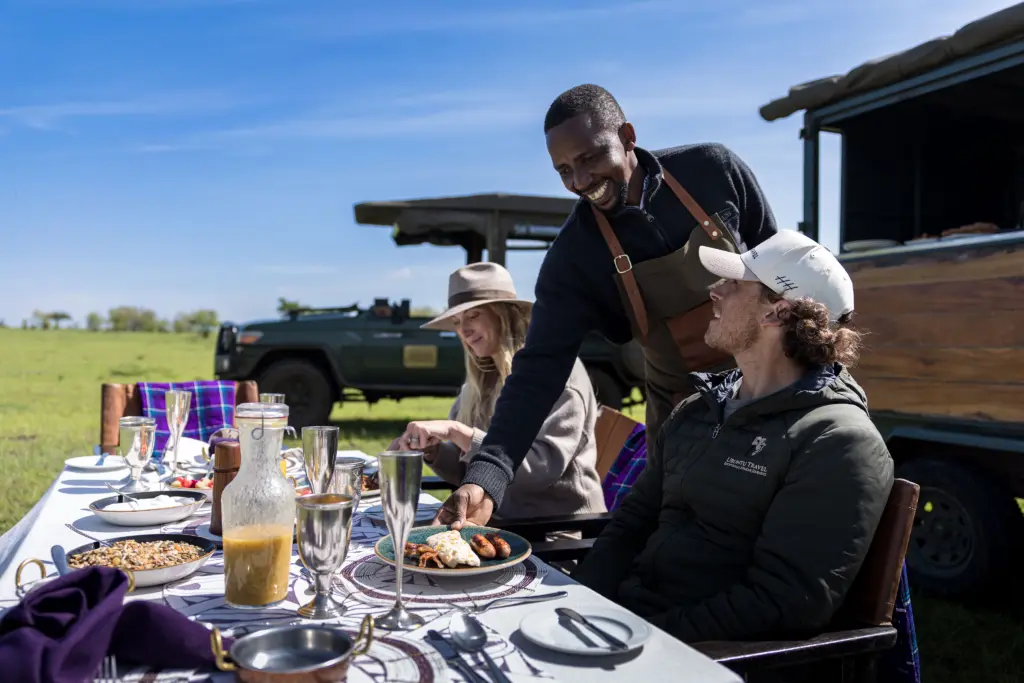
Perhaps our experiences in Laikipia had influenced us, but this time what struck us was how different each part of the Mara ecosystem felt.
Naboisho Conservancy
Our first stop was Mara Nyika, a luxury tented camp in the private Naboisho Conservancy, one of the Mara ecosystem’s most wildlife-rich regions.
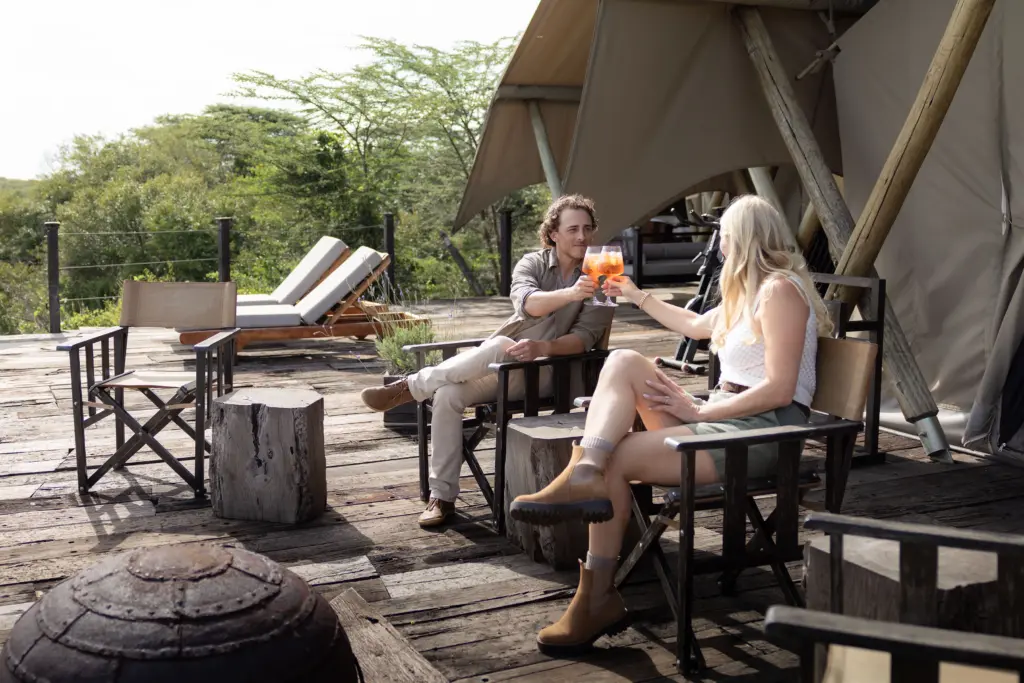
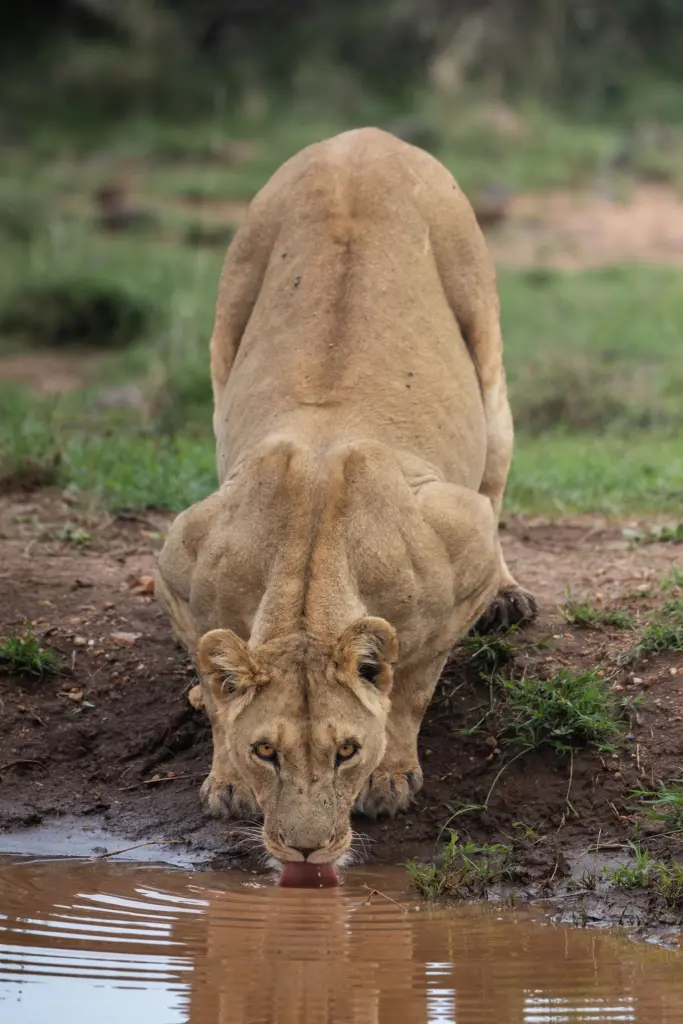
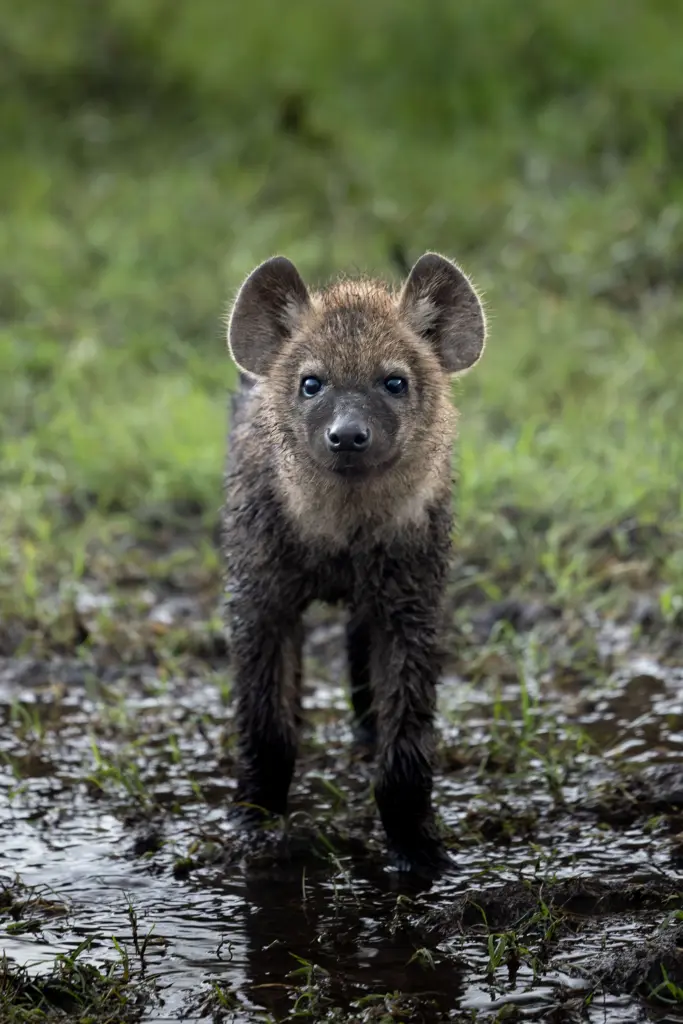
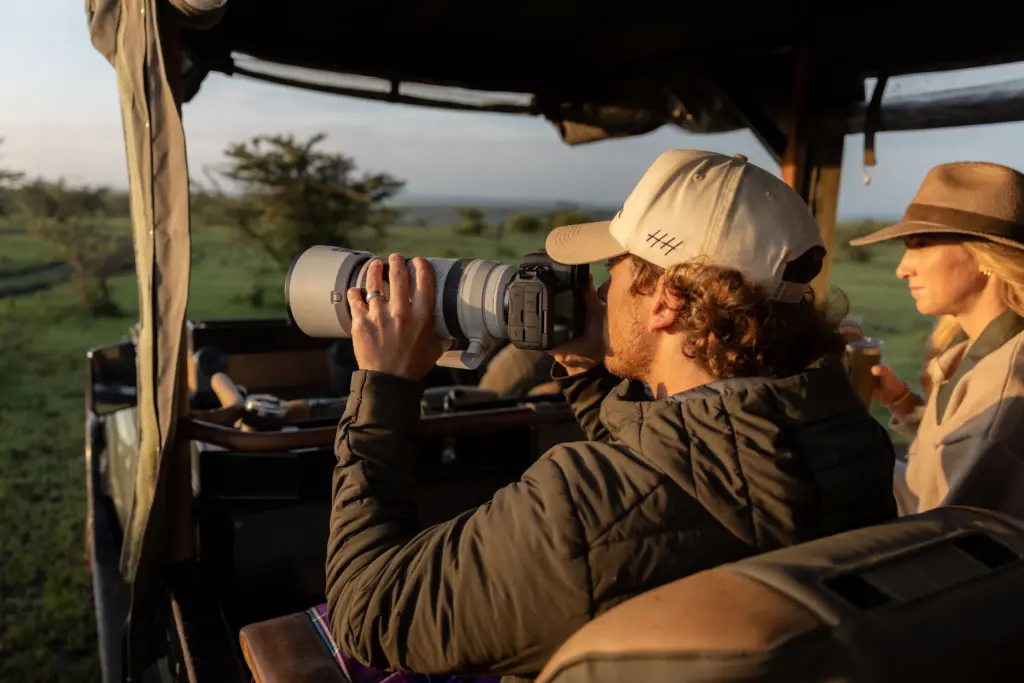
Here, predator sightings seemed to be around every corner. Lions were a constant presence, and the number of hyenas we encountered was unlike anything we had seen elsewhere on the trip.
What stood out most, however, was how the conservancy model continued to shape the experience. Safari vehicle numbers were low, the atmosphere felt relaxed, and sightings never felt rushed.
Ishara Mara
Next, we spent a night at Ishara Mara, a contemporary luxury lodge overlooking the Talek River on the edge of the Masai Mara National Reserve.
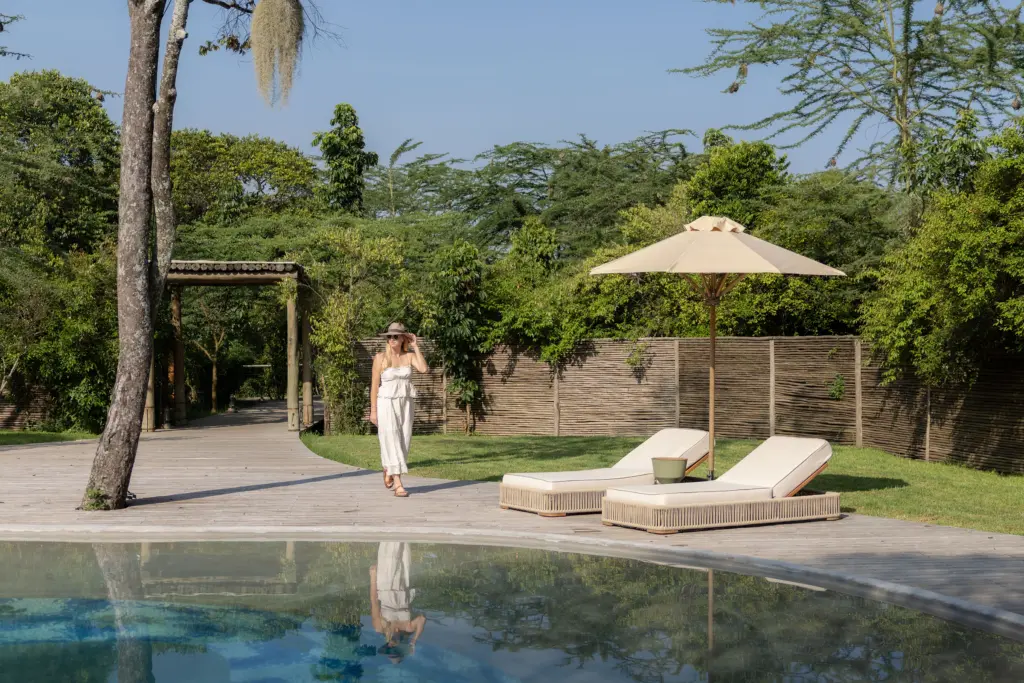
Kyle had wanted to visit for years, and it didn’t disappoint.
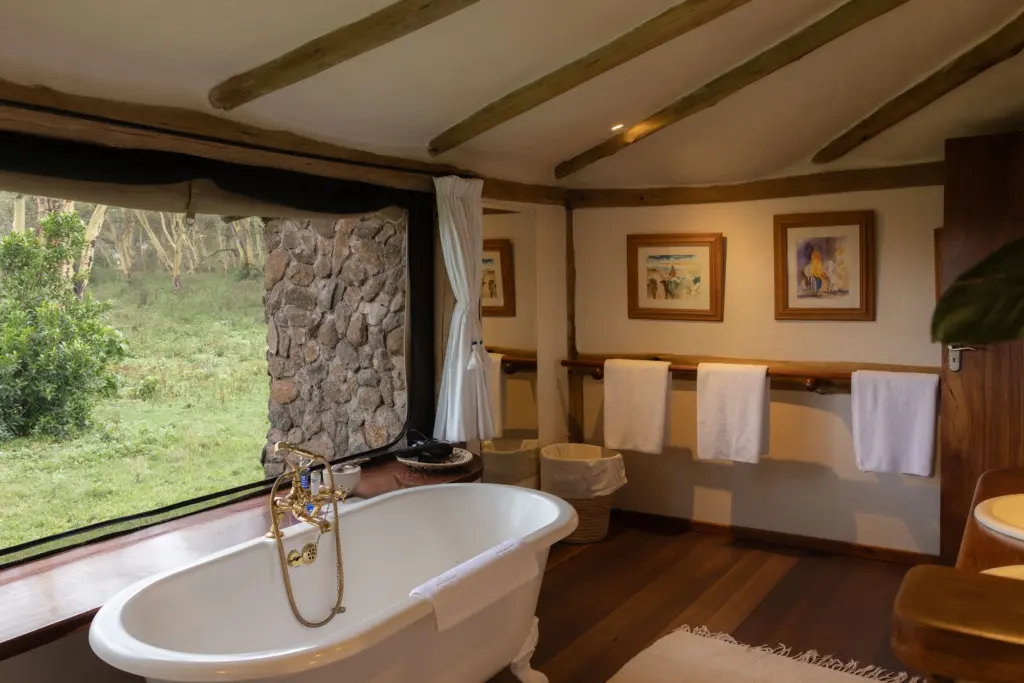
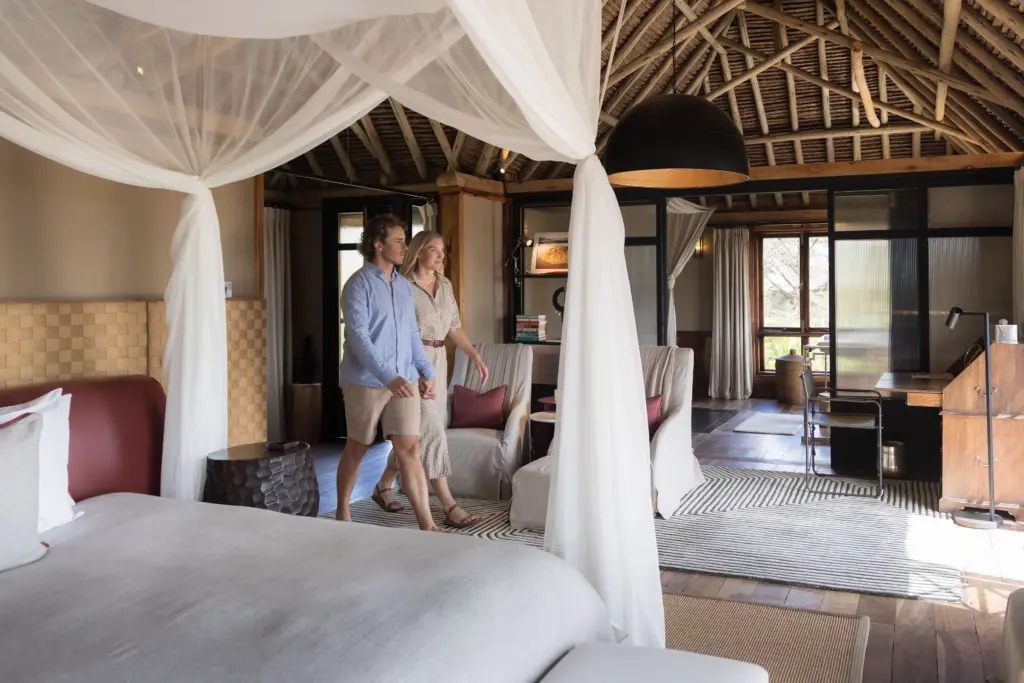
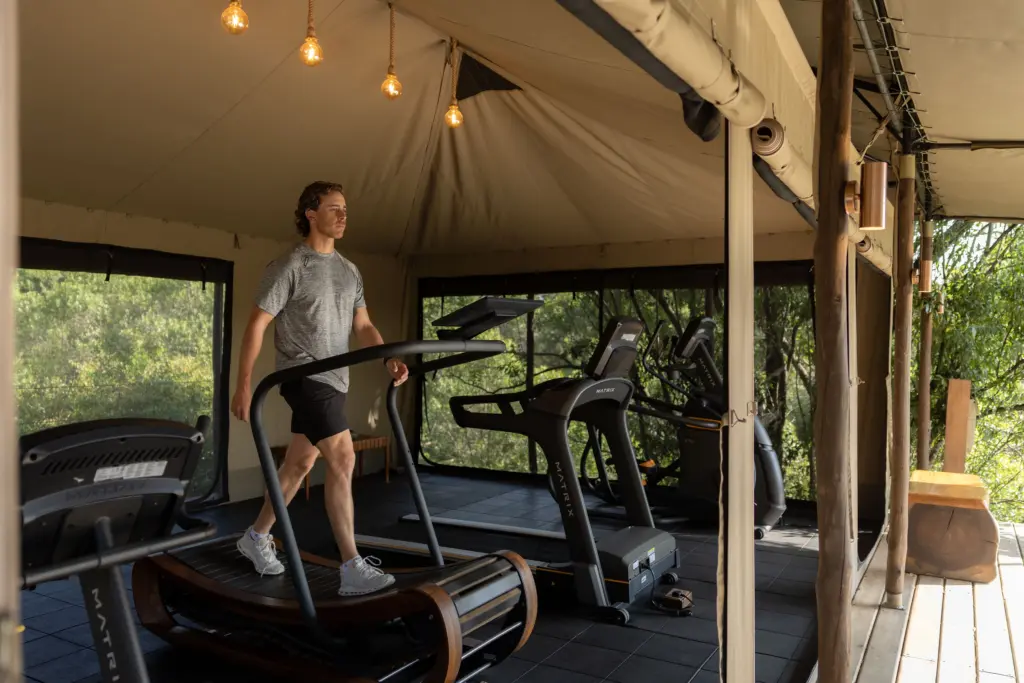
The setting is spectacular, with the river running through the property and wildlife regularly moving through the surrounding area. The rooms are beautifully designed, the wellness facilities are exceptional, and after several days of early mornings and game drives, it provided the perfect opportunity to slow down and recharge.
Cottar’s 1920s Camp
Our final stop in the Mara was Cottar’s 1920s Camp.
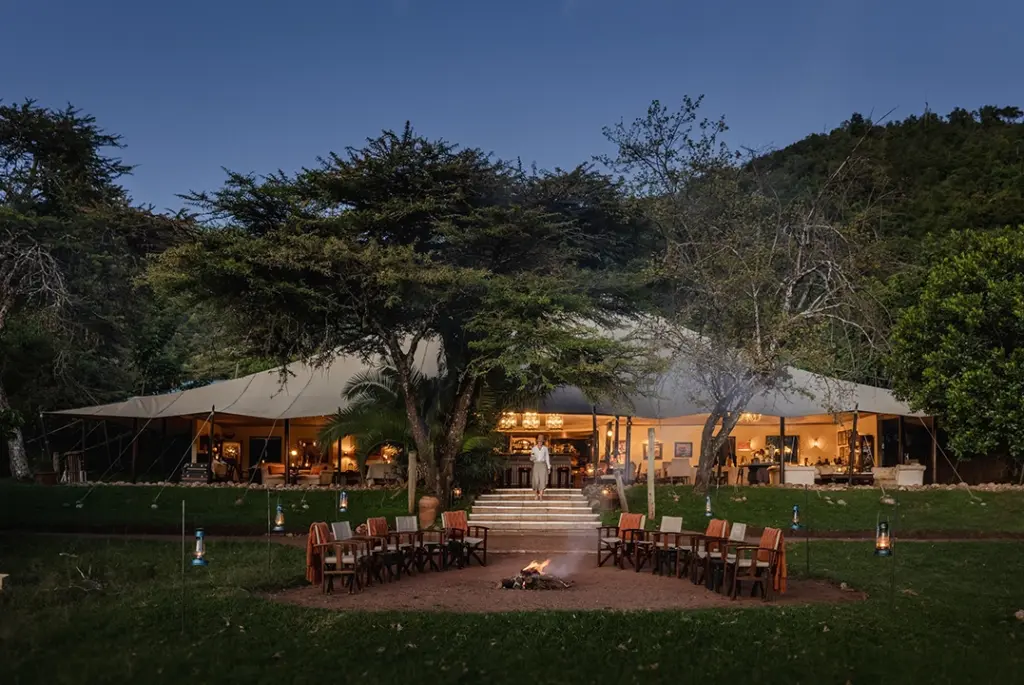
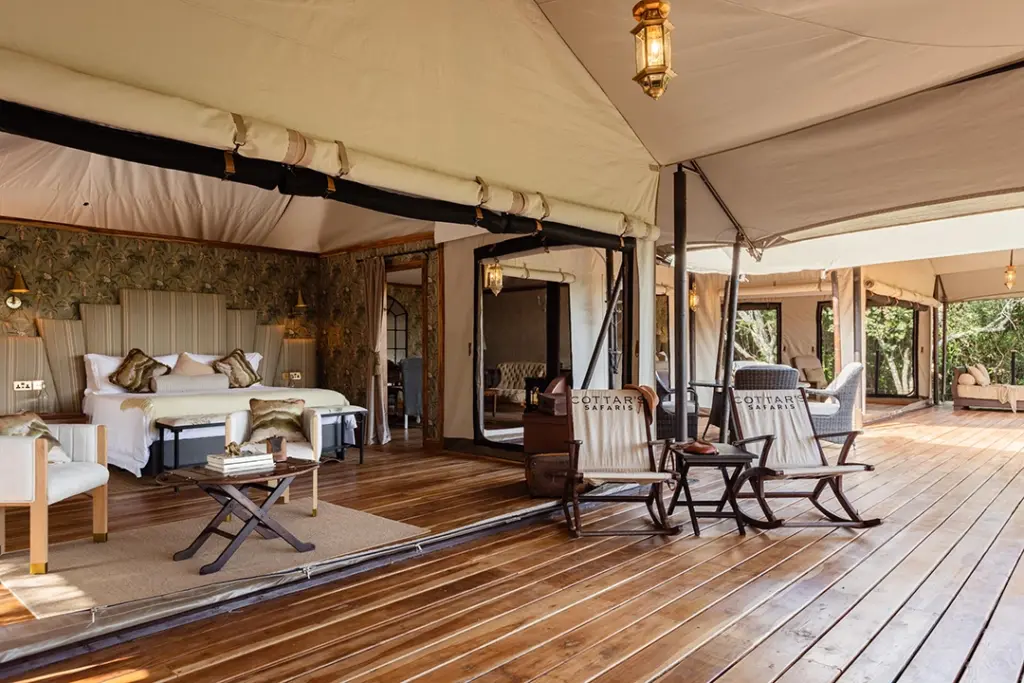
Set within the Olderkesi Conservancy on the Kenya-Tanzania border, Cottar’s felt completely different once again. The landscape was hillier, the views stretched for miles, and the guiding was among the best we experienced anywhere in Kenya.
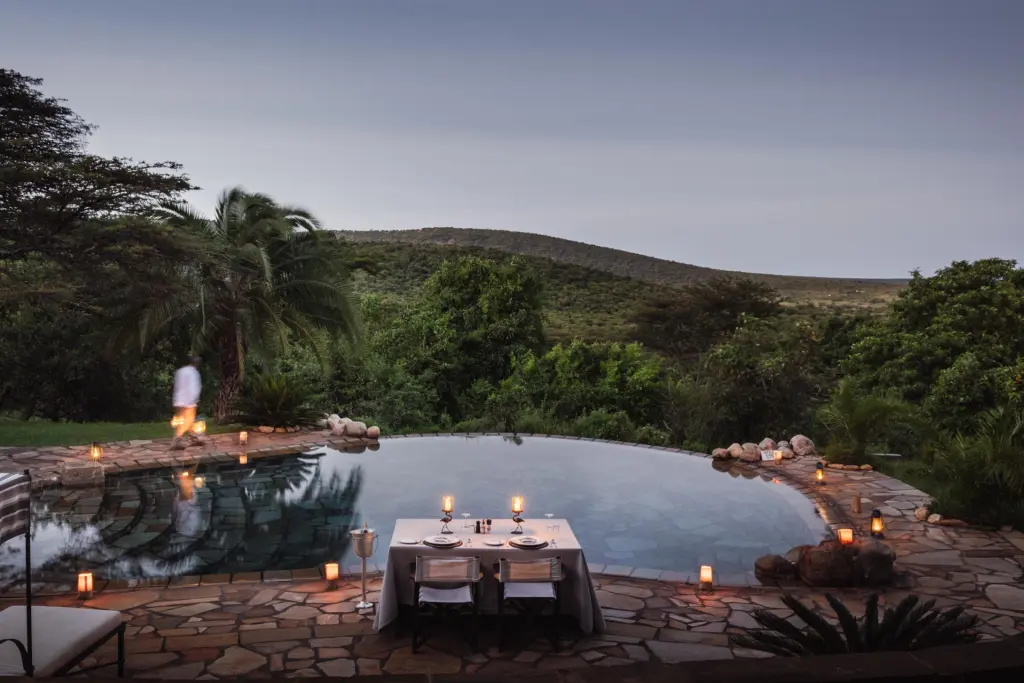
The camp itself has a rich safari heritage. The Cottar family has been guiding in East Africa for more than a century, and that history is woven into everything from the camp’s design to the quality of the guiding.
Combined with sweeping views, excellent wildlife viewing and a genuine sense of space, it quickly became one of the most memorable stops of the trip.
One afternoon, after a dramatic rainstorm swept across the conservancy, we found a pride of lions emerging from the bushes just as lightning flashed across the horizon behind them. It was one of those moments that perfectly captures why a safari adventure is so addictive. You can spend hours searching, waiting and wondering what the day will bring. Then, suddenly, everything comes together in a way you could never have planned.
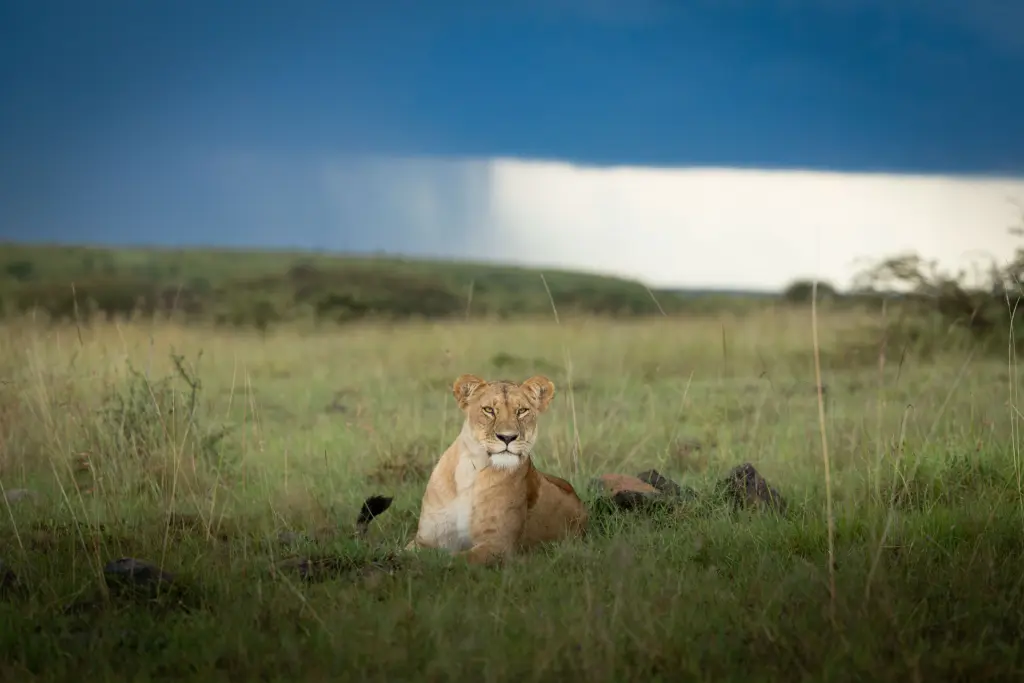
By the time we left the Mara, we were reminded why it is still one of Africa’s most celebrated safari destinations.
Why We Recommend a Laikipia and Mara Safari.
When we first planned this trip, we expected to come away with a better and deeper understanding of Kenya. What we didn’t expect was for it to completely change the way we think about the destination.
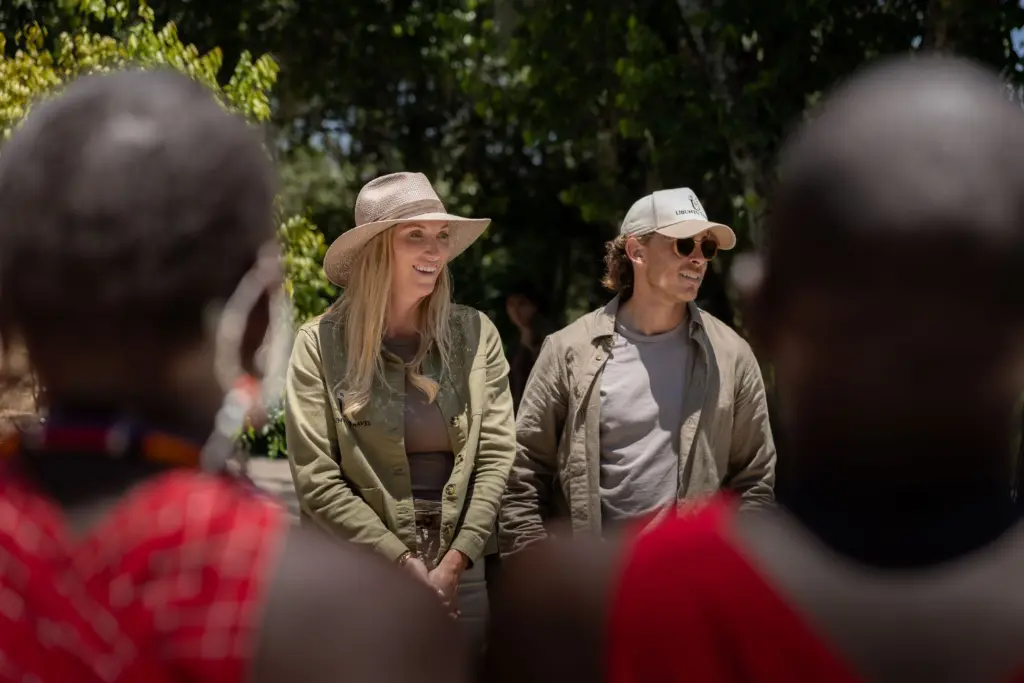 Above image: Kyle and Leah appreciating a Maasai greeting dance at Ishara Mara, Kenya.
For years, we’ve often paired Kenya with Tanzania when designing East African safaris. There are still many situations where that combination makes perfect sense.
But this journey reminded us that a safari in Kenya can stand on its own. What makes this itinerary so compelling is the way each stop builds on the last.
From the rhino-rich landscapes of Lewa and the conservation successes of Loisaba to the dramatic scenery of Suyian and the predator-filled plains of the Mara, every few days it felt as though we had arrived in a completely different destination.
Each region added another layer to our understanding of Kenya, creating a safari that felt far more varied than we expected when we first arrived.
Ready to Explore a Tailored Safari in Kenya?
If you’d like to explore the route in more detail, including the camps, conservancies and experiences featured in this article, take a look at our full Kenya itinerary.
If you want to visit Kenya and enjoy a luxury safari, we’d love to help. Every trip we design is tailored around your interests, travel style and priorities—just get in touch and tell us what you’re looking for.