Kenya Safari: Classic Adventure, Timeless Wilderness
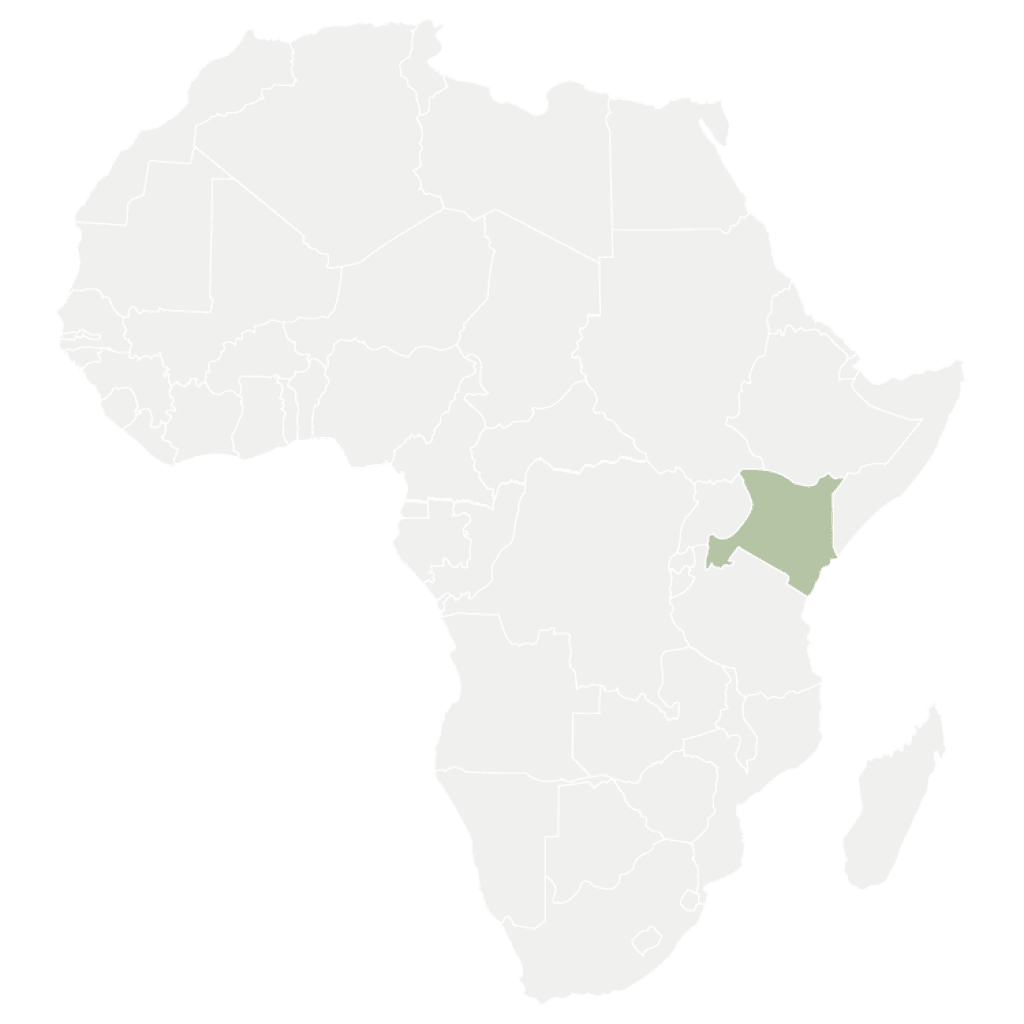
Kenya is where the classic African safari began – and where it continues to evolve. For Ubuntu Travel Co-founder Leah Green, it all started here. As a college student, she chaired a campus-wide fundraiser to help build a school in rural Kenya and later returned to volunteer on the ground – a life-changing experience that continues to shape how we build journeys today.
From witnessing the Great Migration in the Masai Mara to tracking rhino on foot in Laikipia, Kenya offers iconic wildlife, deeply rooted culture, and meaningful community connection. The private conservancies surrounding the Mara and Mount Kenya offer exclusive, low-impact safaris, while Amboseli’s big-tusked elephants roam beneath the gaze of Mount Kilimanjaro.
What makes Kenya so special isn’t just the game viewing – it’s the diversity of landscapes, the depth of connection, and the ability to combine wide open plains, lush forests, remote mountains, and Indian Ocean beaches in a single journey. This is where you come for the adventure, but stay for the soul.
Kenya Safari Highlights
These are just a few of Kenya’s safari highlights – scroll down to explore more regions and experiences.
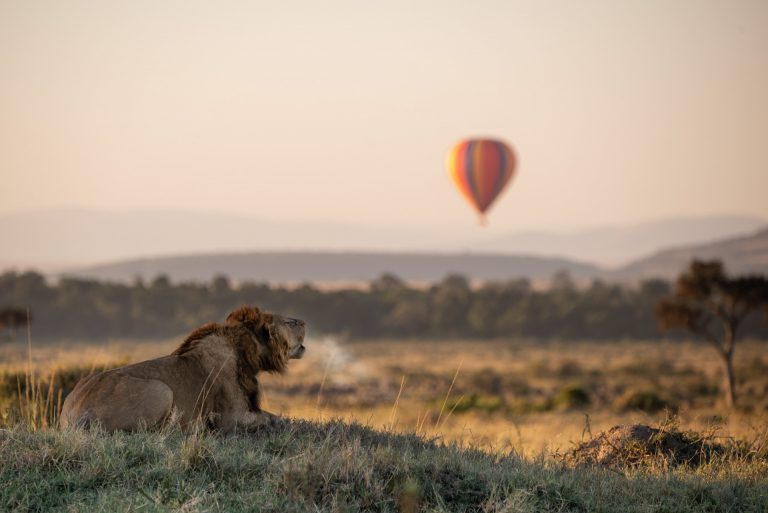
Big Cat Safaris
Explore the private Mara Conservancies, where lion, leopard, and cheetah thrive in low-vehicle areas – offering more intimate sightings and expert-guided tracking.
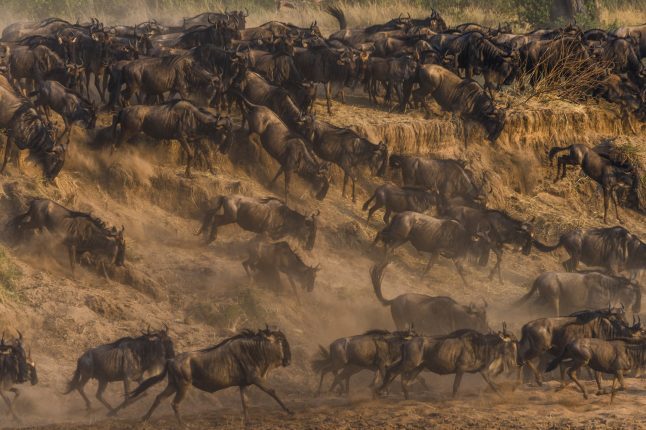
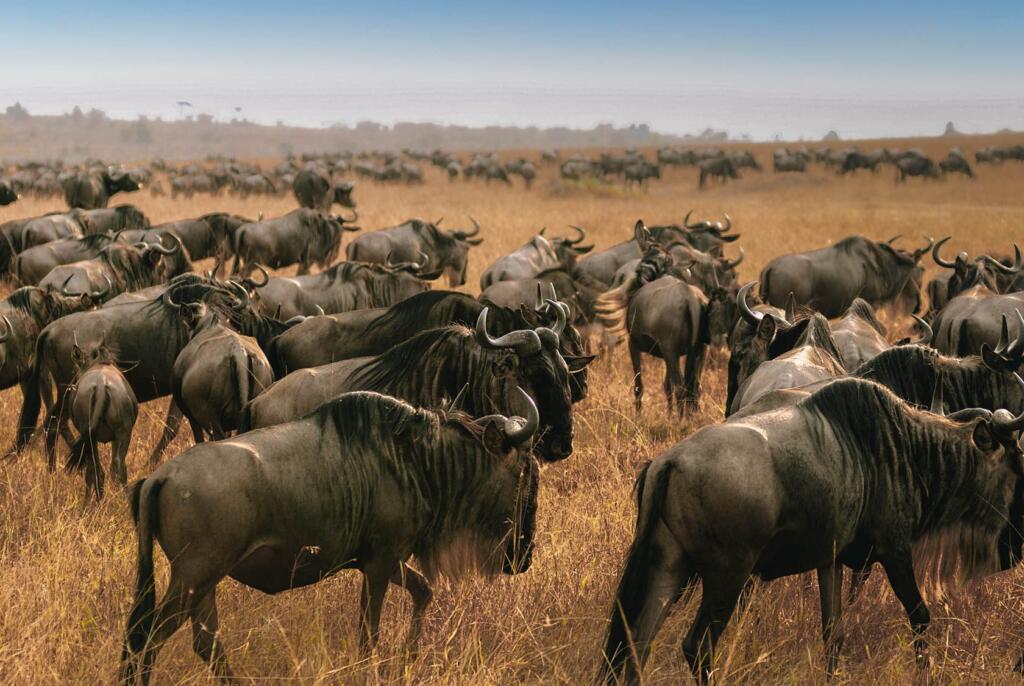
The Great Wildebeest Migration
From July to October, witness millions of wildebeest and zebra thunder across the Mara River in one of nature’s most dramatic spectacles – best experienced from conservancy – based camps near the action.
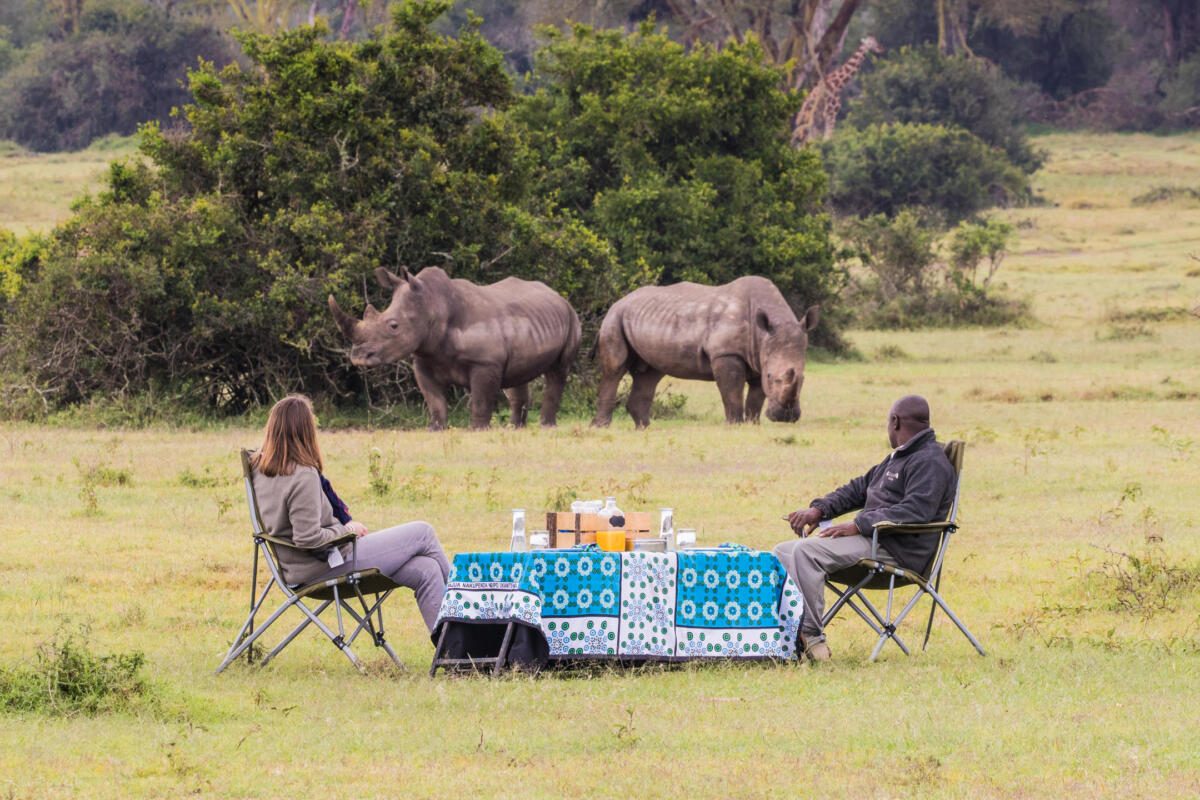
Laikipia Adventure & Rhino Tracking
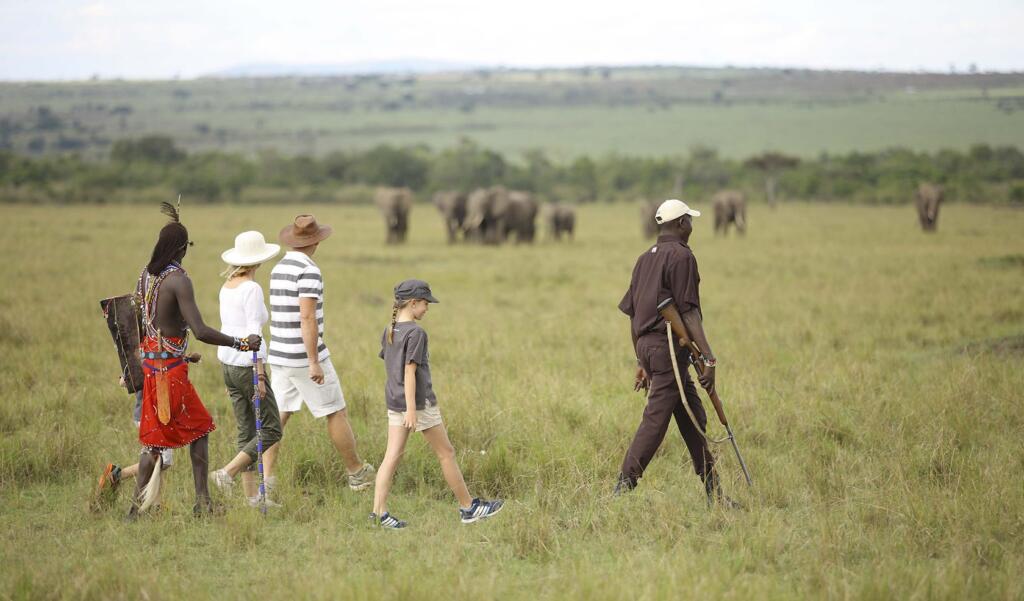
A landscape of rolling hills, wild rivers, and dramatic escarpments, Laikipia is a playground for walking safaris, mountain biking, horse riding, and black rhino conservation.
Amboseli’s Iconic Tuskers
Set against the backdrop of Mount Kilimanjaro, Amboseli is famed for its photogenic herds of big-tusked elephants, open plains, and classic East African scenery.
Ready To Plan Your Kenya Safari?
Let’s start designing your classic Kenya safari. Whether you’re after adventure, relaxation, or both, we’ll tailor every detail around how you want to experience Africa – with expert guidance at every step.
Tailored Kenya Safari Itineraries
These are some of our favorite Kenya safari itineraries – handpicked by Ubuntu Travel Co-founders Kyle and Leah to highlight the very best of the country.
BIG FIVE SAFARI & THE GREAT MIGRATION
Experience East Africa’s iconic wilderness on a 12-day Great Migration and Big Five safari. Explore the remote Lewa Wilderness with camel and horseback adventures, then witness the Great Wildebeest Migration in the Masai Mara and Serengeti. End your journey relaxing in the breathtaking Ngorongoro Crater, the largest intact caldera on Earth.
FROM $13,250
PER PERSON
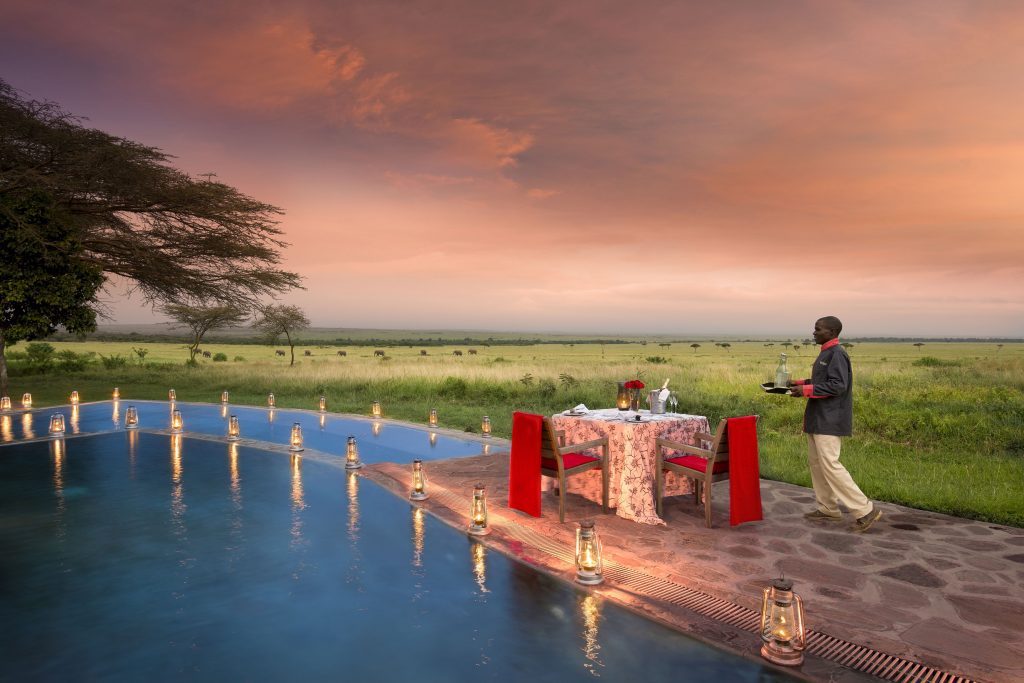
10-Day Luxury East Africa Honeymoon
Combining the most iconic safari destinations with exclusive, luxurious and romantic safari lodges. Our latest East Africa Honeymoon itinerary is a “safari worth toasting.” Step onto the open plains of the Masai Mara and Serengeti National Park, before bathing in rose petals at the ancient Ngorongoro Crater!
FROM $11,565
PER PERSON
GREAT MIGRATION & ROMANTIC MASAI MARA
A 12-day safari to witness nature’s greatest spectacles in Kenya and Tanzania. Stare in awe at the great tusker elephants in Amboseli. Move with the Great Wildebeest Migration through the Masai Mara and Serengeti. And reminisce over Africa’s natural wonder in Zanzibar. A journey of a lifetime awaits…
FROM $13,500
PER PERSON
THE UBUNTU TRAVEL DIFFERENCE
Personalized Itineraries
Attention to detail from start to finish
Conservation Promise
Travel with a purpose
Experts in Africa
Our team of travel experts know Africa
Personalized Itineraries
Attention to detail from start to finish
Conservation Promise
Travel with a purpose
Experts in Africa
Our team of travel experts know Africa
Let's Plan Your Kenya Safari
Reach out today and connect with our expert team – we care about the whole journey, from your very first call to your final farewell on safari. Every itinerary is thoughtfully reviewed by our co-founders, Kyle and Leah, to reflect the kind of journey we’d take ourselves.
Safari Destinations to Visit in Kenya
From iconic wildlife reserves to lesser-known conservancies and coastal escapes, Kenya’s landscapes are as diverse as the experiences they offer. Below are some of our favorite regions to include in a tailor-made safari.
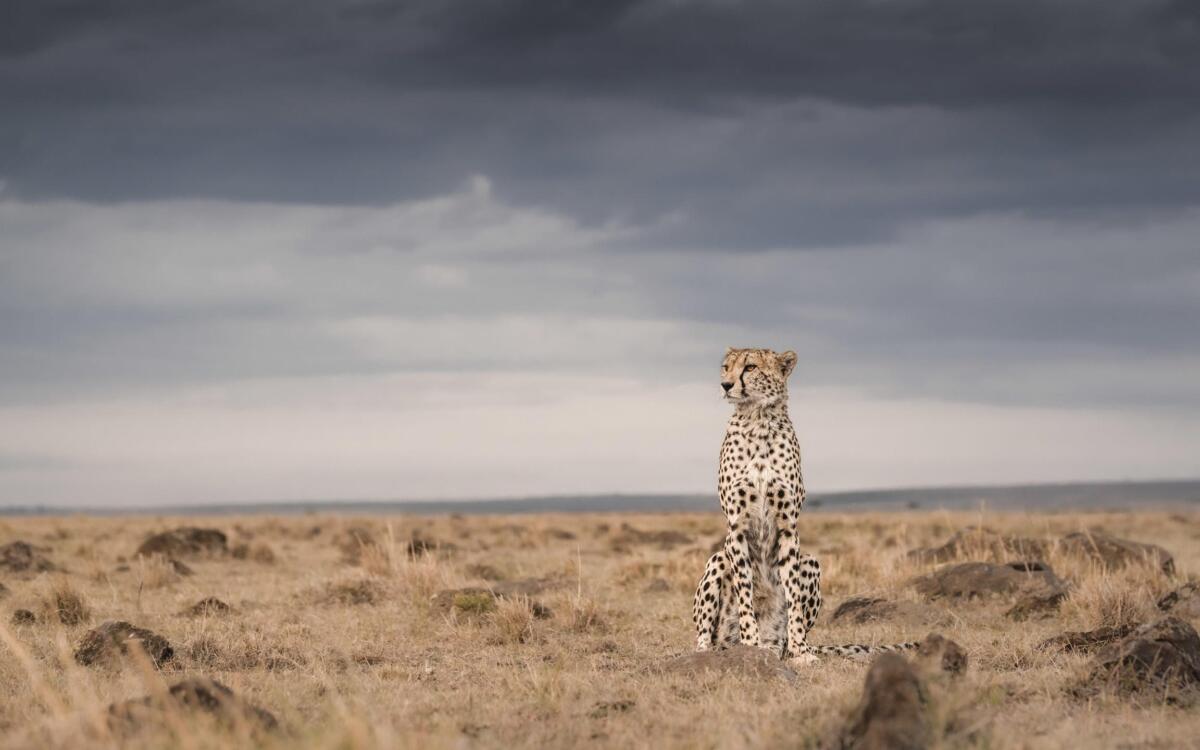
Masai Mara National Reserve
Kenya’s most sought-after safari destination, the Masai Mara is world-renowned for the Great Migration – when millions of wildebeest and zebra cross the Mara River between July and October. Expect sweeping savannahs, Big Five game viewing, and some of the most rewarding game drives in Africa.
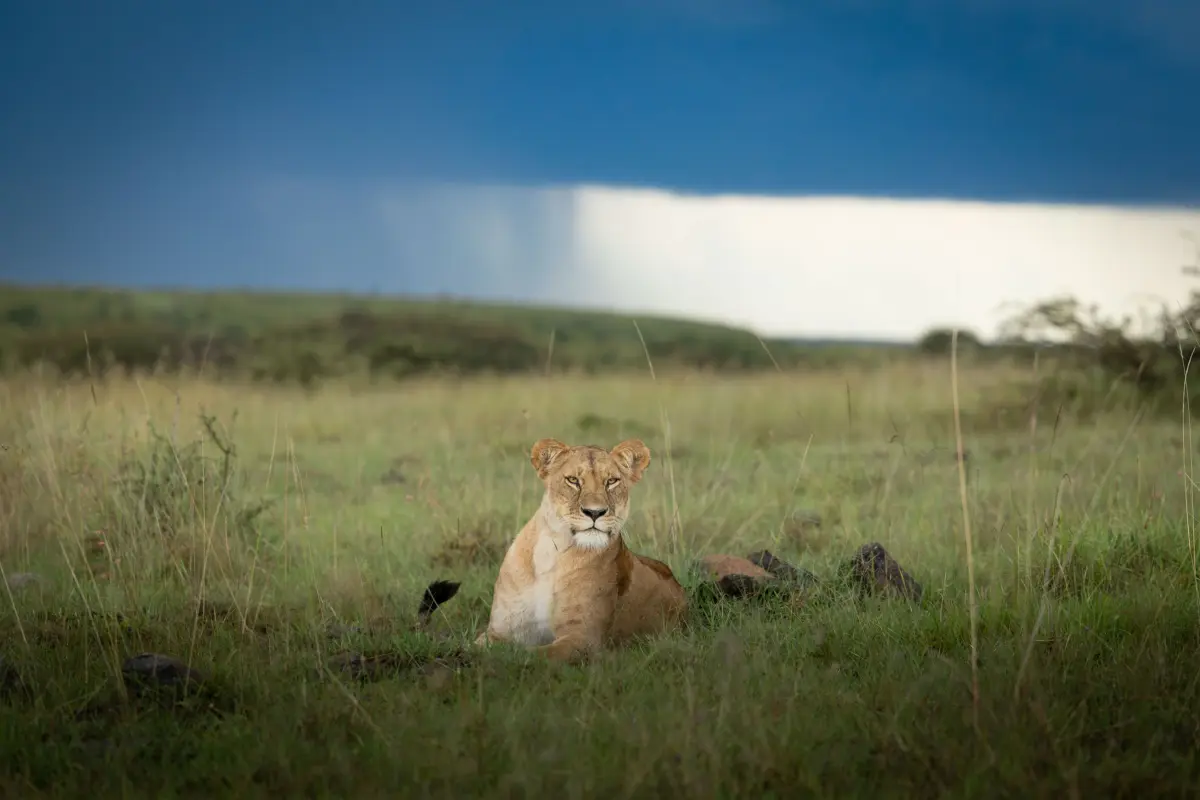
Mara Conservancies
Bordering the Masai Mara with no fences between them, these private conservancies offer some of Kenya’s most exclusive safari experiences — with low vehicle density, abundant wildlife, and access to off-road game drives, walking safaris, and night drives. Ideal for travelers seeking a more intimate, conservation-focused alternative to the main reserve.
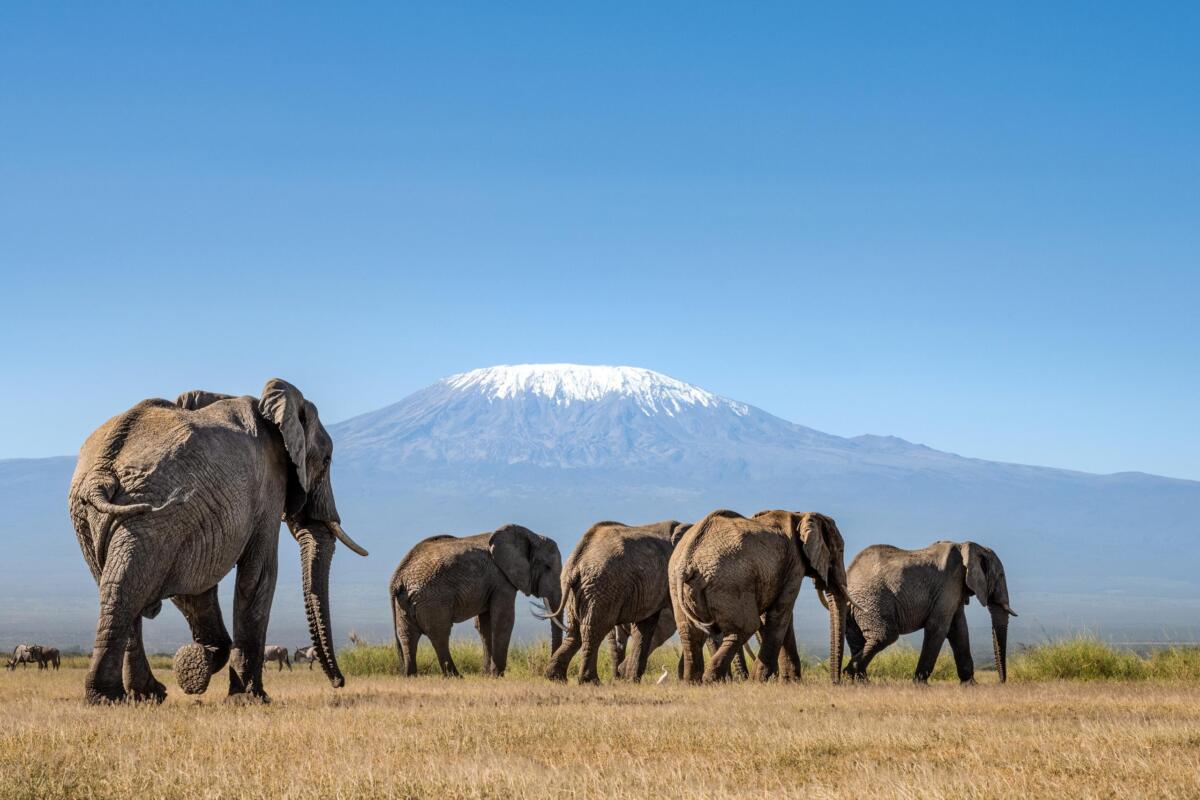
Amboseli & Chyulu Hills
Known for its iconic views of Mount Kilimanjaro, this region offers some of the best elephant photography in Africa — especially of big-tusked elephants moving across the open plains. The nearby Chyulu Hills offer a more private safari experience, with lush volcanic landscapes, diverse wildlife, and access to both day and night game drives.
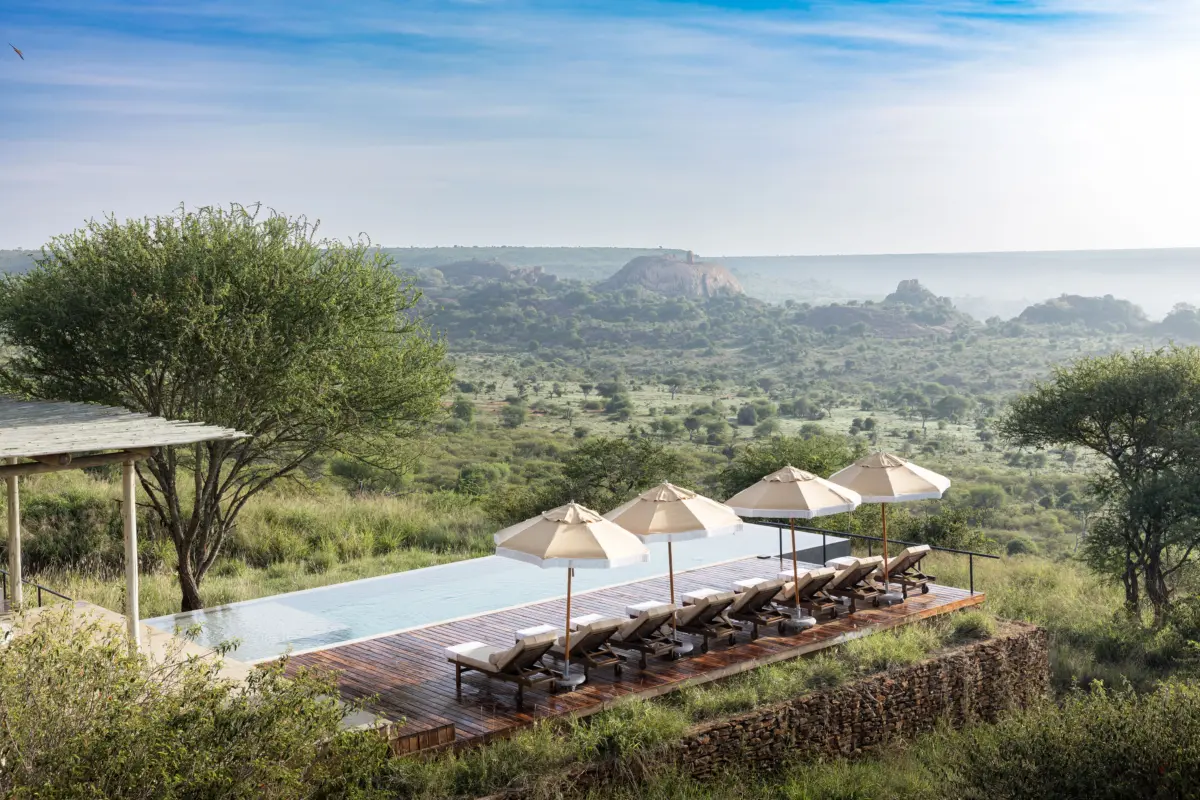
Laikipia Plateau
A conservation success story and one of Kenya’s last strongholds for endangered black rhino, Laikipia offers a safari experience as diverse as its landscapes. From walking safaris, camel and horseback riding to community visits. This region blends wildlife, adventure, and conservation on the edge of Mount Kenya and the Great Rift Valley.
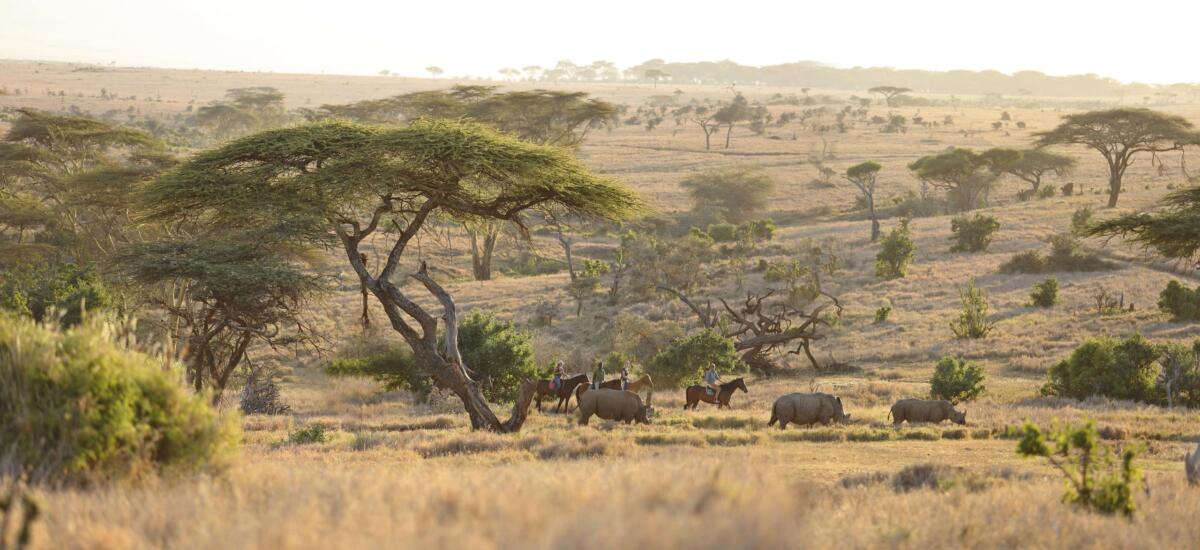
Lewa & Borana Conservancies
Set across more than 90,000 acres of protected land, Lewa and Borana are neighboring private conservancies at the base of Mount Kenya, known for their stronghold of black and white rhino, thriving Big Five populations, and deep commitment to conservation. Enjoy private game drives, walking safaris, and panoramic views in one of Kenya’s most successful wildlife and community partnerships.
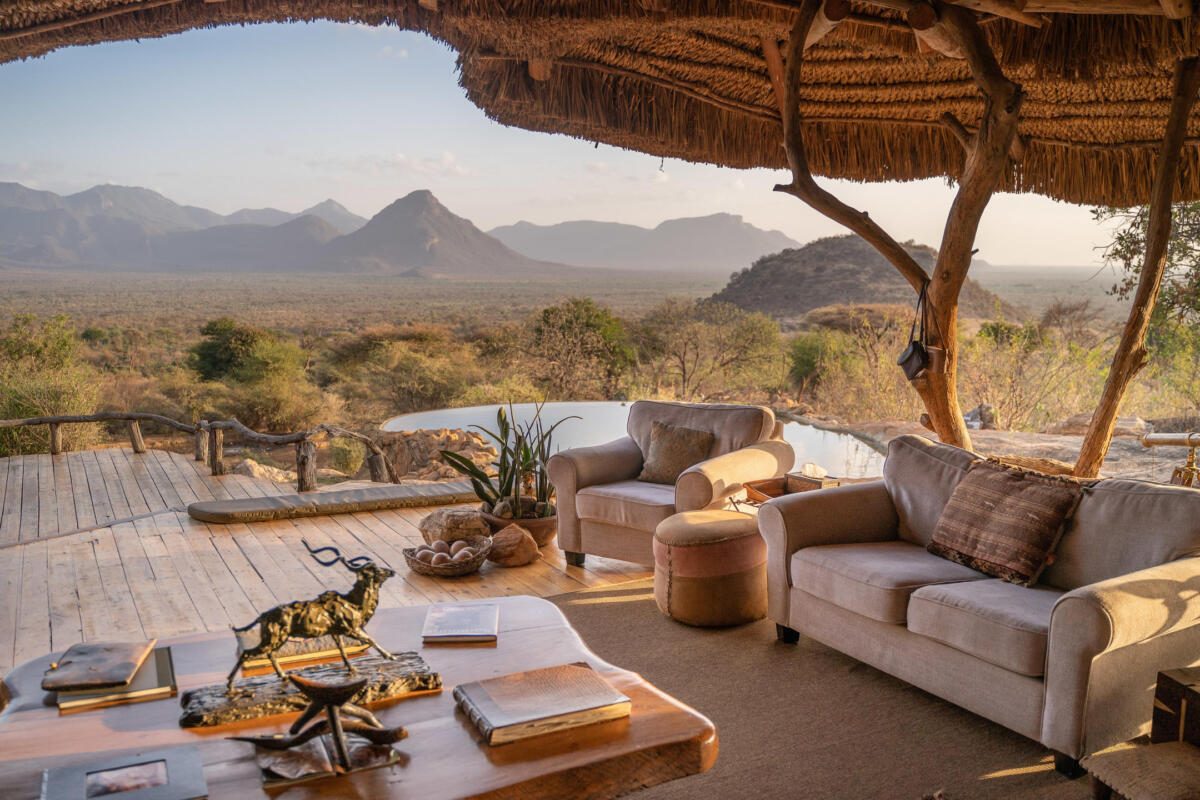
Samburu National Park
Located in Northern Kenya and home to the Samburu people, this rugged and semi-arid region offers both cultural depth and exceptional game viewing. Along the Ewaso Ng’iro River, you’ll find elephants, lions, and the Samburu Special Five — rare species found only in this region. Pair your stay with a visit to neighboring Buffalo Springs and meaningful community-led experiences with Samburu guides.
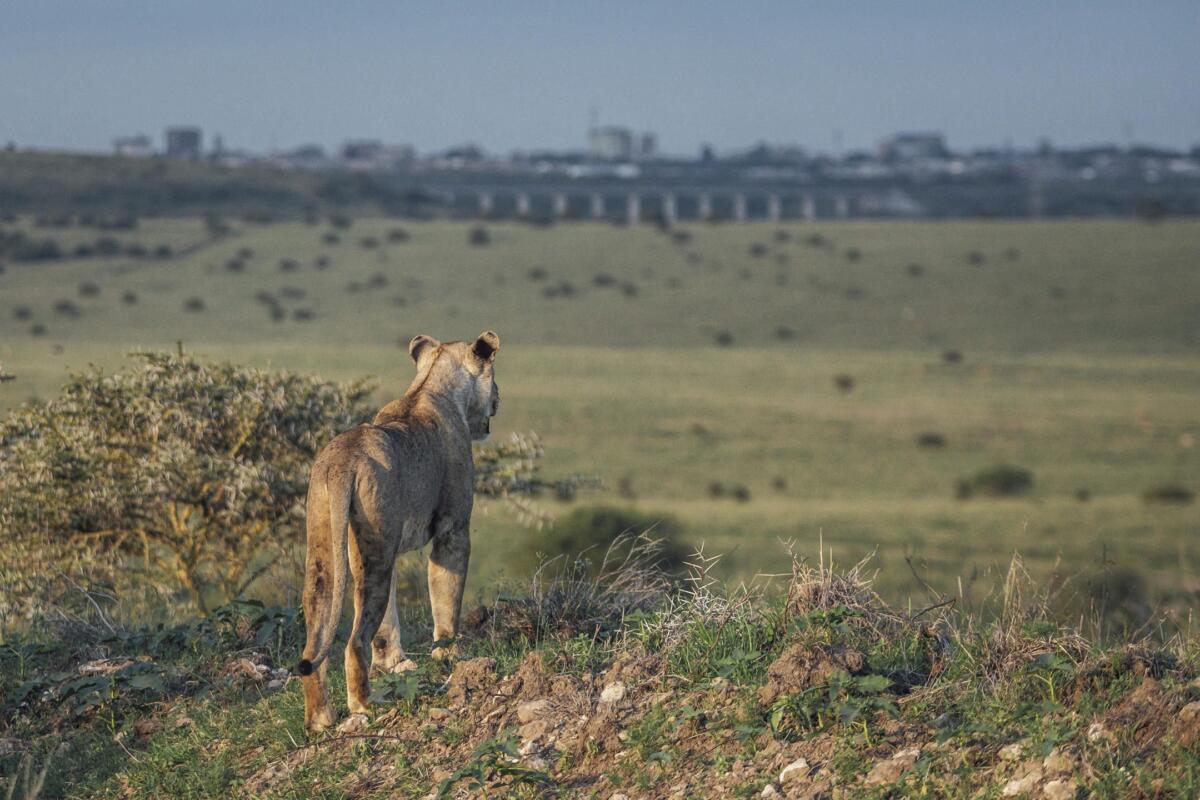
Nairobi
Kenya’s bustling capital is more than just a gateway – it’s where most journeys begin. This urban safari stopover offers a chance to visit Giraffe Manor, spend time at the Sheldrick Wildlife Trust, or even search for rhino and lion in Nairobi National Park.
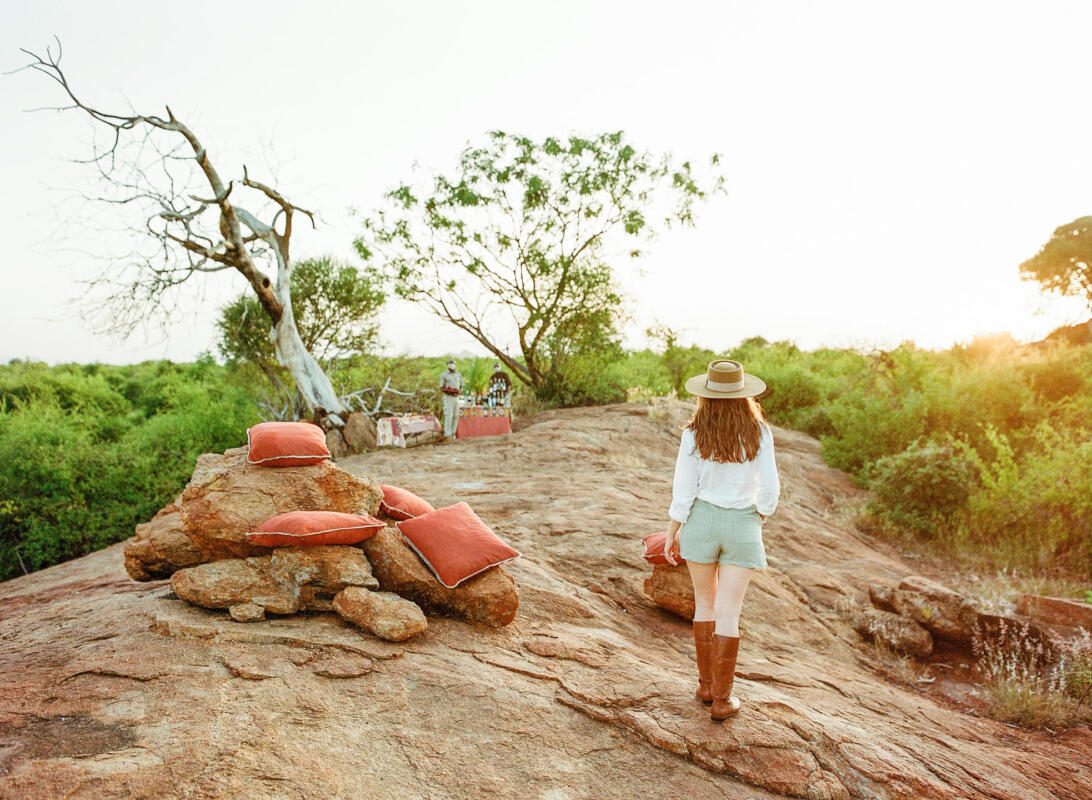
Meru National Park
One of Kenya’s least-visited gems, Meru offers raw wilderness, rich wildlife, and far fewer vehicles than the country’s more famous parks. Known for its lush riverine forests, open plains, and thriving rhino sanctuary, Meru is ideal for those seeking solitude, variety, and a safari experience with serious conservation roots.
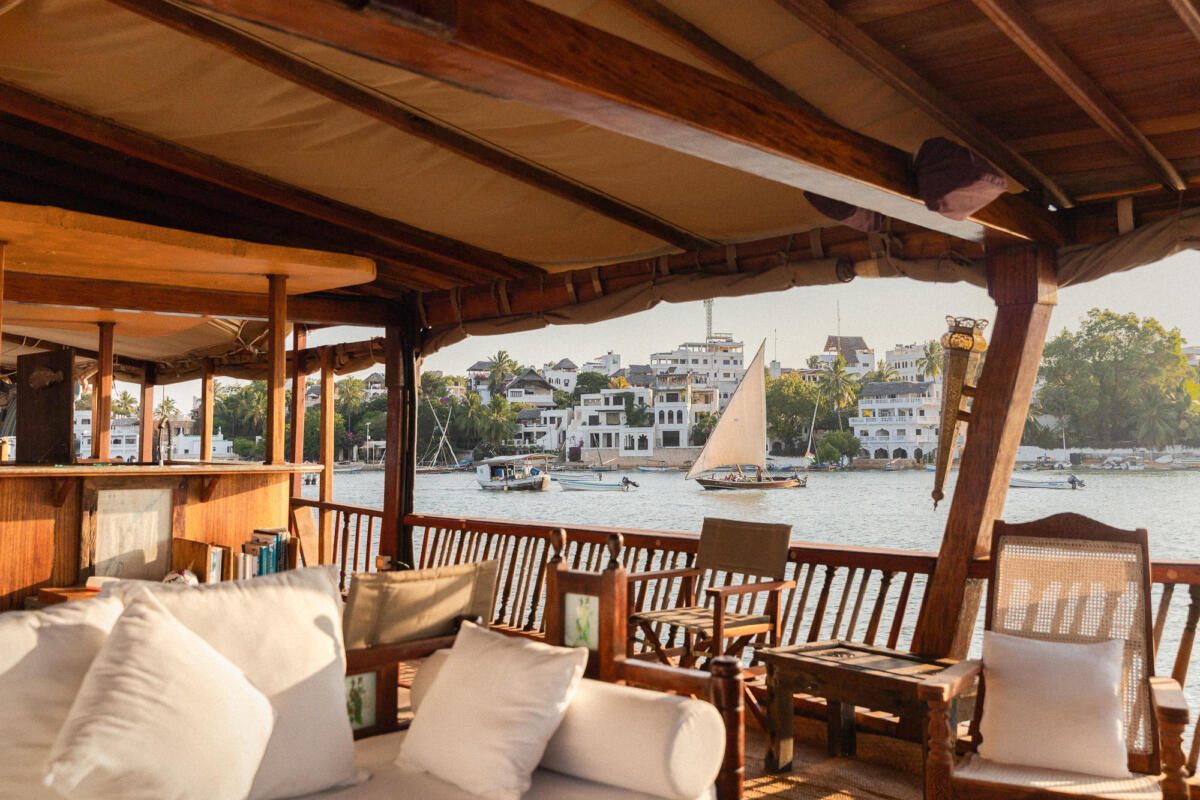
Kenyan Coast
Kenya’s coast offers a beachside escape rich in Swahili culture, coral reefs, and calm turquoise waters – a perfect pairing to a safari inland. From white-sand beaches in Diani to sunset cruises aboard the NaiSabah Dhow, the coast is where you slow down, reflect, and reconnect – all with the Indian Ocean at your feet.
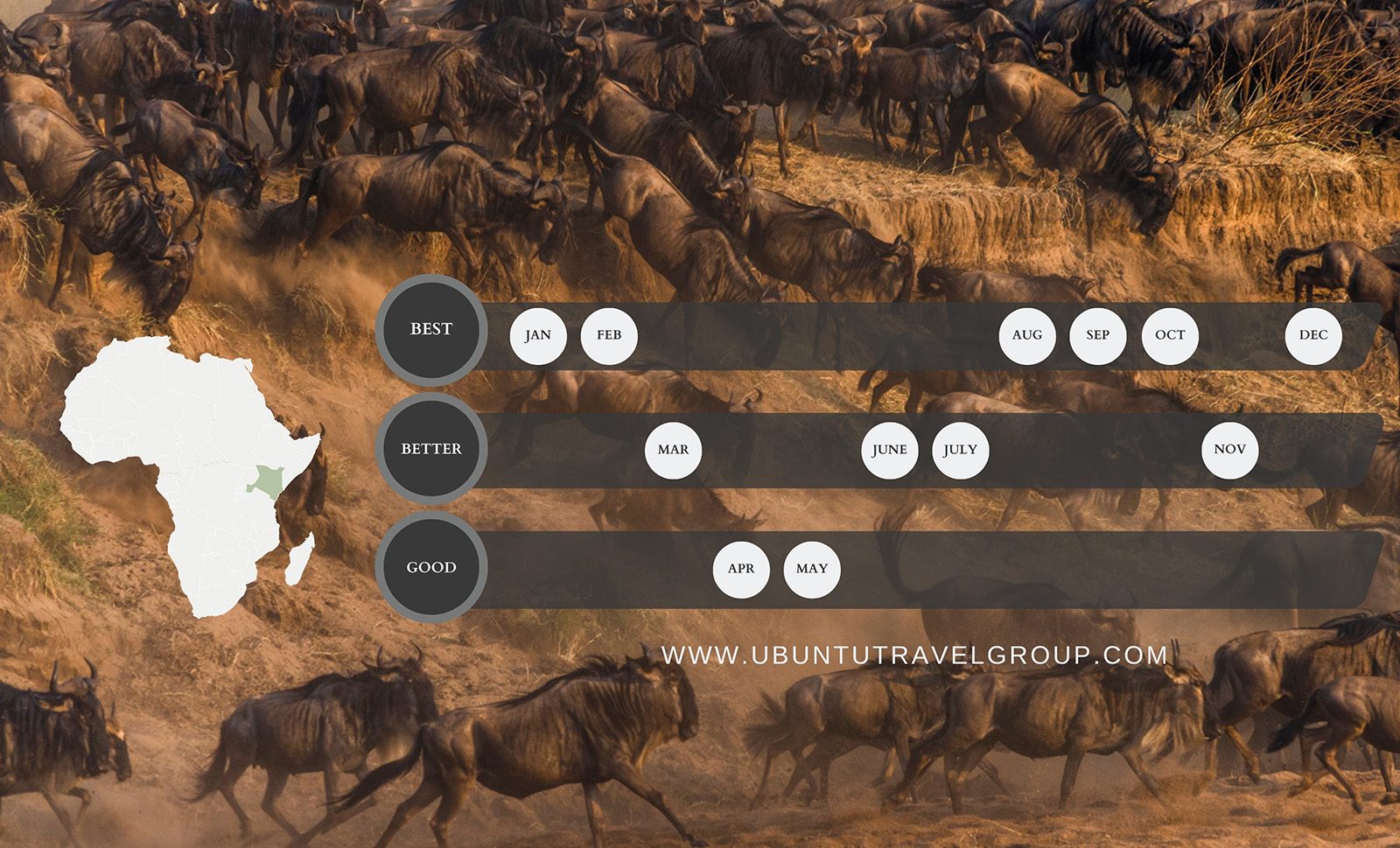
When is the Best Time to Visit Kenya?
Kenya is a year-round safari destination, but the best time to visit depends on what you want to see – and how you want to experience it. From dramatic river crossings in the Mara to quieter shoulder seasons with fewer vehicles, every time of year has something to offer.
PEAK SEASON: GREAT MIGRATION & CLASSIC SAFARI
July to October
Why go: This is Kenya’s busiest and most iconic safari season, when the Great Migration takes center stage in the Masai Mara. From July to October, large herds of wildebeest and zebra may enter the Mara, with dramatic river crossings most commonly associated with August through early October. The exact timing varies each year according to rainfall and grazing conditions.
Drier conditions also make for excellent wildlife viewing across many of Kenya’s safari regions, from resident predators and rhino in Laikipia to elephants in Amboseli. Expect cooler mornings, generally clear conditions, and improving visibility as vegetation thins.
Ubuntu Travel tip: This is Kenya’s most in-demand safari season, so early booking is essential for prime camps, private vehicles, and highly regarded guides.
SHOULDER SEASONS
January to March, June & November
These months can offer a rewarding balance of strong wildlife viewing, greener landscapes, fewer visitors, and greater lodge availability.
- January to March: January and February are generally warm and dry, with excellent wildlife viewing across the Masai Mara, Laikipia, Samburu, and Amboseli.
- June: The long rains are usually easing, landscapes remain green, and wildlife visibility begins to improve.
- November: The short rains begin to refresh the landscape. Wildlife viewing remains rewarding, with migratory birds, fewer visitors, and beautiful green scenery across many regions.
Why we love it: Our team often travels outside the busiest Migration months. Lower vehicle pressure, greater lodge availability, and fresh landscapes can create a more relaxed safari experience.
Green Season
April to May
Kenya’s long rains typically intensify during April and continue through May, bringing fresh green landscapes and significantly fewer visitors.
Birding can still be excellent, particularly in April, with many migratory species remaining and resident birds displaying breeding plumage and courtship behavior.
The Masai Mara and several other major safari regions remain open, although some seasonal camps close during the rains. Heavy rainfall can also make certain roads and tracks difficult, so access and operating dates should be assessed lodge by lodge.
Kenya Safaris FAQs
How do I get to Kenya from the USA?
Most travelers from the U.S. arrive at Jomo Kenyatta International Airport (NBO) in Nairobi, Kenya’s main international gateway. Kenya Airways operates a nonstop service from New York JFK, while travelers from elsewhere in the U.S. typically connect through hubs such as Doha, Dubai, Amsterdam, Istanbul, London, or Paris.
Most scheduled flights to Kenya’s safari regions depart from Wilson Airport, located across Nairobi from the international airport. From there, you can fly to destinations such as the Masai Mara, Amboseli, and Laikipia. Private charters and road transfers may also be recommended, depending on your itinerary.
Our team coordinates the international arrival, airport transfers, and onward safari connections as part of your journey.
Why choose Kenya for a luxury safari?
Kenya is one of Africa’s most iconic safari destinations, combining exceptional wildlife, varied landscapes, private conservancies, and some of the continent’s most highly regarded luxury camps.
The Masai Mara is known for year-round predator sightings and the seasonal arrival of the Great Migration. Beyond the Mara, travelers can see elephants beneath Mount Kilimanjaro in Amboseli, track rhino and search for northern specialist species in Laikipia, or explore the arid landscapes of Samburu.
Kenya also offers far more than traditional game drives. Depending on the lodge and conservancy, experiences may include walking safaris, horseback riding, camel trekking, conservation activities, and private helicopter journeys over Mount Kenya or Kenya’s remote northern landscapes. A safari can also be combined with time on the Kenyan coast, creating a seamless bush-and-beach journey.
For Ubuntu Travel Co-founder Leah Green, Kenya is where her connection with Africa began, first through a campus-wide fundraiser and later while volunteering in the country. That experience continues to shape how we design Kenya safaris today: with first-hand knowledge, meaningful local connections, and a focus on choosing the right regions, camps, and experiences for each traveler.
When is the best time to go on safari in Kenya?
Kenya is a year-round safari destination, but the best time to visit depends on what you hope to see and how you want to experience it. We’ll guide you through the nuances of each season and help you choose the right regions, lodges, and timing for your trip.
Here’s a quick overview:
- July to October is Kenya’s peak safari season. Large herds from the Great Migration may enter the Masai Mara during this period, with Mara River crossings most commonly associated with August through early October. Drier conditions, cooler mornings, and thinning vegetation can also improve wildlife visibility across many safari regions.
- January to March, June, and November can offer rewarding alternatives to the busiest Migration months. Depending on the month and destination, travelers may experience strong resident wildlife viewing, greener landscapes, fewer vehicles, and greater lodge availability.
- April to May is Kenya’s main green season, bringing lush landscapes, excellent birding, and quieter camps. Some seasonal properties close, and heavy rain can make certain roads and tracks more difficult. However, for travelers comfortable with variable weather, it can offer attractive value, solitude, and beautiful photographic conditions.
Can I combine Kenya with other destinations?
Absolutely. Kenya combines particularly well with Tanzania and Zanzibar, or with Rwanda and Uganda for gorilla trekking. Nairobi is also a major regional hub, making it possible to continue to destinations in Southern Africa, including South Africa.
Many travelers choose to end their safari with time on the Kenyan coast, creating a relaxing bush-and-beach journey without leaving the country.
The best combination will depend on seasonal conditions, flight schedules, and how much time you have available.
Should I take malaria preventatives for a safari in Kenya?
Yes. Most Kenya safari itineraries include malaria-risk areas, and preventative medication is commonly recommended. However, the advice will depend on your exact route, medical history, and the medication most suitable for you. We strongly recommend consulting a travel doctor before departure.
You should also take precautions to avoid mosquito bites, including using insect repellent, wearing long sleeves and pants in the evening, and sleeping beneath a mosquito net where one is provided.
A Yellow Fever vaccination certificate is not normally required when traveling directly from the United States. However, it may be required if you arrive from, or have a longer transit through, a country with a risk of Yellow Fever transmission. Your travel doctor or travel clinic should confirm the requirements based on your complete flight route and travel history.